

Meet Kitwe Muslim Men Online
For Muslim women in Kitwe, online platforms like Zawjaan provide a respectful way to meet Kitwe Muslim men for marriage. Many local Muslim brothers work in the mining or education sectors and have limited time for traditional socialising. Online profiles allow you to filter by religious practice, ethnicity, and family values before initiating conversation. When creating your profile, be clear about your intentions and your commitment to Islam. Look for men who mention their mosque attendance or involvement in local Islamic activities, as this often signals a serious approach to faith and marriage.
Kitwe Muslim Men for Marriage
Marriage for Kitwe Muslim men is a sacred covenant and a communal affair. Families often play a central role, and seeking a spouse is not just a personal decision but a collective one. Many Muslim brothers in Kitwe prefer to involve their parents early in the process, and it is common for first meetings to include family members. Understanding this dynamic can help you navigate expectations and show respect for tradition. Whether you meet online or through mutual contacts, be prepared for a process that values patience, transparency, and the blessing of both families.
Halal Dating with Kitwe Muslim Men
Halal dating in Kitwe means observing Islamic boundaries while getting to know a potential spouse. This typically involves chaperoned meetings in public places, avoiding physical intimacy, and keeping conversations respectful and purposeful. Many Kitwe Muslim men appreciate a direct approach that focuses on compatibility and faith. Choose venues like the coffee shop at Mukuba Mall or a quiet corner of the Garden Court Hotel for initial meetings. Remember, the goal is to evaluate marriage compatibility, not to engage in casual dating.
Islamic Nikah in Kitwe
The Islamic Nikah is the cornerstone of marriage for Kitwe Muslim men. The ceremony is usually conducted at a mosque or at the bride's home, with an imam presiding. In Kitwe, the Central Mosque and the Islamic Centre of Kitwe are commonly used for Nikah ceremonies. It is essential to have two Muslim male witnesses and a mahr (dowry) agreed upon before the ceremony. The Nikah is a simple but profound ritual, and local imams are experienced in conducting it in a way that respects both Islamic requirements and local customs.
Halal Chat with Kitwe Muslim Men
Halal chat with Kitwe Muslim men should be purposeful and respectful. Use platforms that allow you to communicate without violating Islamic etiquette. Begin conversations with topics like your daily prayers, your family background, and your expectations for marriage. Avoid flirtatious or overly casual language. Many Muslim brothers in Kitwe appreciate a woman who is articulate and clear about her boundaries. Video calls can be a useful way to gauge chemistry before meeting in person, but always ensure that conversations remain appropriate and chaperoned if possible.
Kitwe Muslim Singles and Community Networks
The pool of Muslim singles in Kitwe is relatively small, so many Muslim women expand their search to nearby cities like Ndola and Lusaka. Within Kitwe, the Muslim community is concentrated in areas such as Riverside, Nkana East, and Parklands. Community events at the Islamic Centre provide opportunities to meet single Muslim men, but these are often male- and female-segregated. Online platforms are therefore a vital bridge for Kitwe Muslim women seeking a spouse, offering access to a wider network of compatible Muslim brothers while maintaining Islamic protocols.
Marriage Proposals and Khitbah in Kitwe
The proposal, or Khitbah, is a significant step for Kitwe Muslim men. Once a man expresses interest, it is customary for his family to formally approach your family through a representative. This may happen in person or via a phone call, and it is a gesture of respect. During the Khitbah period, the couple is allowed to talk and get to know each other, but physical contact is prohibited. It is also a time to discuss practical matters such as housing, finances, and future plans. In Kitwe, this process is taken seriously, and an official engagement is not entered into lightly.
Physical Appearance of Kitwe Muslim Men
When considering the physical appearance of Kitwe Muslim men, look beyond superficial traits and consider overall grooming and presentation. A man who takes care of his appearance often reflects self-respect and a sense of responsibility. In Kitwe's warm climate, light clothing is common, and many Muslim brothers dress modestly. Remember that beauty is relative and depends on personal preferences. Focus on what you truly want in a partner rather than societal standards.
Skin, Hair and Eye Colour
Skin, hair, and eye colour vary widely among Kitwe Muslim men due to the diversity of the community. You may find men with deep brown skin, common among indigenous Zambian Muslims, or lighter skin tones among those of South Asian or Somali ancestry. Hair can range from tightly curled to straight, and eye colours are predominantly brown. Rather than focusing on specific features, consider how a man's appearance aligns with your own preferences and how it reflects his overall health and grooming habits.
Occupation and Profession
Kitwe Muslim men are often employed in key sectors of the local economy. The mining industry is a major employer, with many working for companies like Mopani Copper Mines. Others work in education, healthcare, or run small businesses in the central business district. Some are professionals such as engineers, teachers, and accountants. When considering a potential match, discuss his career aspirations and how he balances work with religious duties. A stable occupation is often a sign of reliability and readiness for marriage.
Height
Height preferences are personal, but many Muslim women are comfortable with a man who is around 5 feet 9 inches or approximately 175 centimetres. In Kitwe, the average height for men is around that mark, so you will find many Muslim brothers who fit this description. While height may be a factor, it should not overshadow more important qualities like character, faith, and compatibility. Use height as a minor consideration in your search.
Ethnicity and Nationality
Kitwe's Muslim community is ethnically diverse, reflecting the broader Muslim population in Zambia. You will find Muslim men of indigenous Zambian descent, as well as those with South Asian, Somali, and Middle Eastern roots. Each group brings its own cultural practices and languages, such as Bemba, Swahili, Urdu, or Somali. When considering ethnicity, think about how cultural differences might affect your marriage. Many Muslim women in Kitwe find that shared faith is a stronger bond than ethnic background, but it is important to discuss cultural expectations openly.
Compatibility with Kitwe Muslim Men
Compatibility is the foundation of a successful marriage. For Kitwe Muslim men, this goes beyond shared interests and includes alignment in faith, family values, and life goals. This section explores eight key dimensions of compatibility that Muslim women should consider when evaluating a potential spouse, offering practical guidance for your search.
Religious Alignment
Faith is the cornerstone of marriage in Islam. Discuss your religious practices, such as prayer habits, Quranic knowledge, and commitment to Islamic principles. In Kitwe, you may find Muslim brothers who are more or less observant; find someone whose level of commitment matches yours. Ask about his involvement in the local mosque community and how he intends to raise children Islamically.
Cultural Compatibility
Cultural compatibility involves understanding each other's traditions and customs. A Kitwe Muslim man of South Asian descent may follow different marriage customs than a Zambian Muslim. Discuss how you will celebrate Eid, observe fasting, and incorporate each other's cultural practices. Mutual respect and willingness to adapt are key to bridging cultural differences.
Local Muslim Culture
The local Muslim culture in Kitwe is influenced by various ethnic groups, but there is a strong sense of unity. Friday prayers at the Central Mosque draw men from all backgrounds, and events like Eid ul-Fitr are community-wide celebrations. Understanding this culture will help you connect with a potential spouse and his family. Be open to learning about the specific customs of his community, whether that is the serving of traditional Zambian dishes or the observance of certain cultural practices.
Ideological Viewpoints
Within Islam, there are various ideological viewpoints, and Kitwe Muslim men may follow different schools of thought, such as Hanafi, Shafi'i, or Salafi. These differences can affect daily practices and marital expectations. It is important to discuss such topics openly and ascertain if you are comfortable with his approach. Seek a man who is moderate and tolerant of differences while holding firm to core Islamic beliefs.
Lifestyle Compatibility
Lifestyle compatibility covers daily habits, hobbies, and social preferences. A Kitwe Muslim man's lifestyle may include regular attendance at the mosque, a preference for halal dining, and a social circle centred on family and community. Consider how your own lifestyle aligns. For example, if you enjoy outdoor activities, you may appreciate a man who enjoys visiting the Copperbelt Museum or Kitwe's parks. Discuss how you will spend your leisure time together as a married couple.
Family Expectations
Family plays a significant role in marriage for Kitwe Muslim men. Many expect to live near their extended family and to involve parents in major decisions. Discuss your expectations regarding enmity, care for aging parents, and the role of in-laws. It is also common for Kitwe families to expect the husband to provide a home, so talk about housing plans and financial responsibilities. Aligning on these expectations early will prevent future conflicts.
Marriage Goals
Marriage goals involve your shared vision for the future, including children, education, and career aspirations. For many Kitwe Muslim men, having children is a priority, and they may hope for both sons and daughters. Discuss when you would like to start a family, how many children you desire, and what kind of education you want for them. Also talk about career ambitions and whether one spouse will stay at home or work outside the home.
Relationship Expectations
Relationship expectations include how you will communicate, resolve conflicts, and show affection. In a halal context, this means expressing love through words, actions, and respect. A Kitwe Muslim man may expect his wife to be supportive and to maintain the household, while also valuing her opinions and emotional needs. Discuss your own expectations for emotional closeness and how you will nurture your relationship within Islamic boundaries.
How to Find Muslim Men in Kitwe
Finding Kitwe Muslim men for marriage requires a strategic approach. Start by using online platforms like Zawjaan, expanded your search to nearby cities, and also network through community connections and mosque events. Be proactive in indicating your intention to marry, and enlist the help of family and friends. Patience is key, as finding the right match is a blessing.
1. Create a clear marriage profile
Phase 1: Profile CreationCreate a profile that accurately reflects your faith, interests, and marriage intentions. Include details about your mosque community in Kitwe and your lifestyle.
2. Search locally and realistically
Phase 2: Local DiscoveryUse search filters to find Muslim men in Kitwe, and also include nearby areas like Ndola and Lusaka to expand your options.
3. Begin respectful halal chat
Phase 3: Compatibility ScreeningInitiate conversations with Islamic greetings and maintain respectful, purpose-driven dialogue. Ask about his daily routine and faith practices.
4. Arrange a public meeting
Phase 4: Face-to-Face CourtshipWhen meeting, choose a public place like a coffee shop at Mukuba Mall. Bring a chaperone if possible.
5. Introduce both families
Phase 5: Family MeetingIntroduce him to your family after a few successful meetings. Arrange a formal introduction at your home or a neutral location.
6. Prepare the legal documentation
Phase 6: Legal DocumentationBefore marriage, complete the civil registration process at the Kitwe District Office, which is required by Zambian law.
7. Complete the Islamic Nikah
Phase 7: Marriage ContractArrange the Nikah at the Central Mosque with an imam. Ensure all witnesses and legal documents are prepared in advance.
Frequently Asked Questions
What is the best way for Muslim women to meet Kitwe Muslim men for serious marriage?
Use Zawjaan with a detailed profile, and also attend community events at the Islamic Centre in Kitwe. Online platforms widen your reach, while local engagement helps you connect with the community.
How do Kitwe Muslim men typically approach marriage proposals?
They involve their families early. A formal proposal is often made through a family representative, and the Khitbah period allows the couple to talk with family involvement before the Nikah.
What should Muslim women know about the Nikah process in Kitwe?
The Nikah is conducted at a local mosque, like the Central Mosque. You need two witnesses and an agreed mahr. The imam will guide you through the ceremony, which is straightforward.
Are there many Kitwe Muslim men who use online matchmaking services?
Yes, many embrace online services due to the small local community and busy work schedules. They appreciate the ability to filter for religious compatibility and to interact halal before meeting.
What marital expectations do Kitwe Muslim men often have regarding family involvement?
They expect significant family involvement in the marriage process. Parents are consulted, and in-laws often play an active role after marriage. Be prepared for close-knit family dynamics.
About the Author
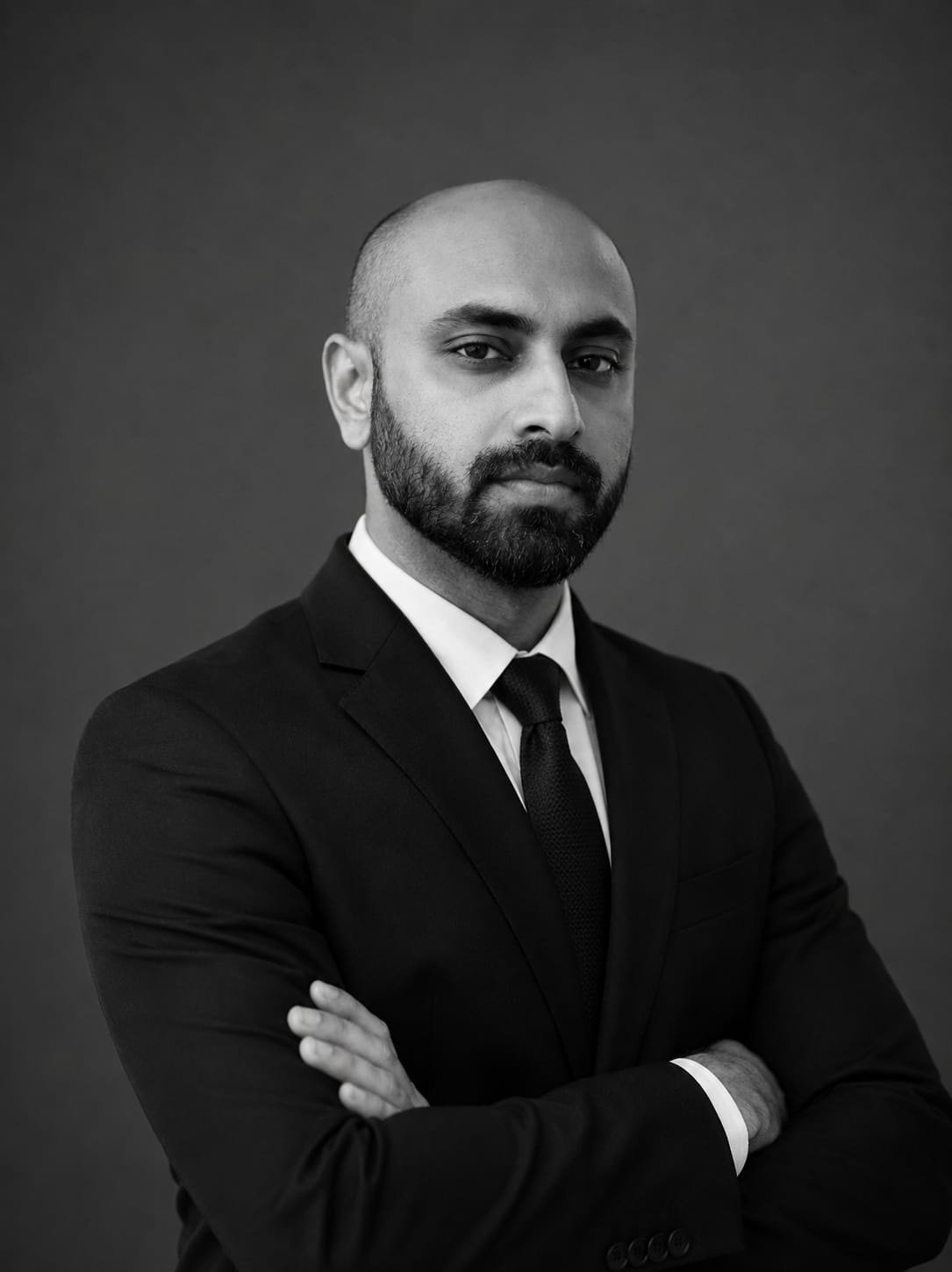
Arfan Shariff is the Co-Founder and Head of Operations at Zawjaan, overseeing platform operations, public relations and strategic partnerships. Drawing on his experience in community engagement, Arfan helps shape Zawjaan's trusted, faith-centred and user-focused approach to Muslim matchmaking, promoting compatibility, authenticity and meaningful lifelong marriages.