



Assessing Serious Marriage Intent in Zambian Muslim Men
When you meet a potential husband, his words matter less than his actions. A Zambian brother who is sincere about nikah will show consistent effort, involve family early, and speak about marriage practically.
Some men in Zambia may pursue marriage casually, so it is wise to observe how he treats you, his family, and his community. A serious suitor will ask meaningful questions about your deen, lifestyle, and future plans.
You can also ask about his previous marriage attempts and what he has learned. Transparency about his past shows maturity and a genuine desire to build a successful marriage, not just find a wife quickly.
In the local context, marriage is often seen as a union of families, not just individuals. A Zambian Muslim man who involves his parents early and respects your family demonstrates that he understands this cultural reality.
- Look for consistency between his talk and his daily practice
- Notice whether he prioritises family involvement in the process
- Ask directly about his timeline for nikah and future plans
- Observe how he speaks about previous relationships or engagements
- Check that his intentions are aligned with Islamic values, not pressure
Signs of a serious suitor
A serious man will not leave you guessing. He will communicate clearly about his intentions, ask for your wali’s contact, and show respect for your boundaries.
- He initiates halal communication through proper channels
- He is willing to meet your family and involve his own
- He discusses practical matters like housing and finances without hesitation
- He refrains from flirtatious talk and keeps the conversation purposeful
Understanding Zambian Muslim Men through Local Community Life
Zambia’s Muslim community is diverse, with roots in South Asian, Somali, and indigenous Zambian Muslims. Understanding this diversity helps you appreciate different cultural influences on marriage expectations.
In Lusaka and other towns, Muslims often gather for Jumu’ah, Eid prayers, and community iftars. These settings offer a natural, halal way to observe how a potential husband interacts with others.
The Zambian Muslim community is close-knit, and reputation matters. A man who is well-regarded in the community is often a better candidate because his character is visible to others.
Be mindful that cultural traditions differ among Zambian Muslim families. Some may follow customs from South Asia or Somalia, while others blend local Zambian practices with Islam. Seek clarity on what matters to both families.
- Attend community events with a mahram to observe social dynamics
- Ask trusted community members about the suitor’s reputation
- Be open to cultural differences within the ummah in Zambia
- Discuss how each family observes Islamic and cultural traditions
Respecting diversity without stereotyping
Islam unites Zambian Muslims, but cultural backgrounds shape family expectations. Avoid assuming all Zambian Muslim men think or act the same.
- Ask about his family’s cultural practices respectfully
- Clarify how he distinguishes culture from Islamic teachings
- Be ready to negotiate practices that conflict with your own values
Evaluating Deen and Character in a Zambian Husband
Compatibility in faith and character is the foundation of a successful Islamic marriage. For a Zambian husband, assess his commitment to prayers, Islamic knowledge, and moral conduct.
Try to observe his consistency in salah and his attitude towards learning deen. A man who strives to improve his faith is more likely to be a patient and caring husband.
Character is revealed in how he treats waiters, elders, and those in need. A Zambian Muslim man who demonstrates kindness and honesty in daily interactions will likely bring those qualities into marriage.
Discuss your shared understanding of Islamic values, such as modesty, respect, and the roles of husband and wife. This helps prevent future disagreements about religious expectations.
- Ask him about his daily religious routines and goals
- Notice how he speaks about Allah and the Prophet (peace be upon him)
- Consider his level of Islamic knowledge and willingness to learn
- Observe his treatment of women in his family and community
Compatibility beyond religious labels
Shared deen is essential, but you also need compatibility in education, financial habits, and life goals. A Zambian husband who values similar objectives will be easier to build a life with.
- Compare your views on career, family size, and lifestyle
- Discuss how you both handle conflict and stress
- Ensure your expectations about roles and responsibilities align
Family Involvement in Zambian Muslim Marriages: A Sister’s Perspective
In Zambia, marriage brings two families together. Understanding how your families and your suitor’s family view involvement can shape the success of your relationship.
Many Zambian families expect to be involved in the matchmaking process, from initial approval to the nikah ceremony. This involvement is a sign of respect and support.
A serious Zambian groom will respect your wali’s role and may ask for your hand formally. Ensure that your family feels comfortable communicating with his family openly.
Differences in family expectations about dowry (mahr), wedding costs, or living arrangements should be discussed early. Both families should feel heard and valued.
- Discuss expectations about mahr and wedding expenses with all parties
- Encourage your families to meet before the nikah to build trust
- Clarify how often you will visit extended family after marriage
- Be aware of differing cultural norms in family interactions
Involving your wali
Your wali has an important role in protecting your interests. A man who respects your wali’s opinions shows that he values Islamic guidance.
- Introduce him to your wali early in the process
- Encourage him to ask your wali for permission to court you
- Keep your wali informed of major developments
Halal Communication with Zambian Muslim Men: Boundaries and Etiquette
Communication before nikah must remain within Islamic guidelines. This ensures the relationship stays pure and focused on determining compatibility.
In Zambia, as elsewhere, halal communication means speaking with respect, involving a wali or family member, and avoiding private or flirtatious interactions. Keep the conversation purposeful.
You can ask about his daily life, values, and marriage expectations. Both of you should discuss important topics like religious practice, career, and future family plans.
Set boundaries regarding time and place of conversations. Some families prefer that conversations happen in the presence of a chaperone, which is a good practice to adopt.
- Start by having a family-approved introduction
- Communicate with clarity about your intentions and expectations
- Avoid secrecy and involve your wali in the initial conversations
- Use video calls if in-person meetings are difficult, but keep them appropriate
- Progress towards nikah with a clear timeline
Examples of suitable topics
Focus on discussing what matters for married life. Topics about deen, finances, and family life are appropriate and helpful.
- Faith and religious goals
- Career and financial plans
- Family size and parenting style
- Where you would like to live
Marriage-Focused Online Matchmaking for Zambian Muslim Men
Online platforms can help you connect with Zambian Muslim men who are serious about marriage. Zawjaan is designed specifically for Muslim singles with nikah intentions.
When using online matchmaking, create a profile that reflects your sincerity. State your deen, interests, and what you seek in a husband to attract like-minded men.
Review profiles carefully and look for signs of seriousness, such as detailed answers and a clear intention of marriage. Be cautious of those who seem vague or unwilling to involve family.
Zawjaan offers a purposeful environment where members are encouraged to interact respectfully. Use the platform’s features to communicate while keeping halal boundaries.
- Choose platforms that prioritise Islamic marriage, like Zawjaan
- Be clear about your requirement for wali involvement
- Take your time to get to know a person before meeting
- Verify his claims through conversation and community references
- Involve your family once you feel comfortable
Using Zawjaan effectively in Zambia
Zawjaan is built for serious Muslim marriage. Craft a thoughtful profile, use the chat feature for halal communication, and be open to profiles from different Zambian cities.
- Complete your profile with honest information about yourself
- Search for Zambian men who match your criteria for deen and character
- Initiate contact with a polite, marriage-focused message
- Move to family conversations when mutual interest is established
Navigating Nikah and Mahr with a Zambian Groom
When assessing a potential husband, understanding his approach to the nikah and mahr reveals much about his seriousness and understanding of Islamic obligations.
A responsible Zambian groom will initiate discussions about the nikah early, showing that he values the Islamic contract over casual arrangements.
He should demonstrate respect for the mahr’s religious significance, not treating it as a mere custom but as a right owed to you.
Transparency about his financial capacity and any delays in wedding arrangements is a sign of maturity and honest character.
Look for a man who seeks knowledge about the proper conduct of marriage and is willing to involve his family and yours in proper Islamic process.
- Ask about his preferred method for conducting the nikah: mosque, home, or other venue, and whether he plans to have a wali for you.
- Broach the mahr subject respectfully, focusing on the obligation and your expectations for a deferred mahr as well.
- Inquire how he intends to handle wedding expenses, including the walima, and what responsibilities he expects from both families.
- Note whether he proposes a second nikah or any unusual conditions; ensure the contract remains simple and in line with the Sunnah.
The Role of Your Wali
A serious man will respect your wali’s involvement entirely. He will not pressure you to bypass your guardian.
He should welcome conversations with your wali about religious commitment, family expectations, and practical living arrangements.
- He initiates contact with your wali politely and respects his decisions.
- He does not attempt to isolate you from family input.
- He shows consistency in his religious practices and financial honesty.
- He is open to pre-marital counseling if either family requests.
Understanding Cultural Diversity Among Zambian Muslim Men
Zambia’s Muslim community is diverse, blending indigenous cultures with influences from South Asia, the Middle East, and other African regions. This diversity shapes men’s expectations and practices.
A Zambian groom may come from a range of ethnic backgrounds, each with distinct cultural traditions that are not inherently Islamic.
While some customs may align with Islam, others might conflict. It is important to discuss and agree on which traditions to uphold.
Respect for each other’s family customs, especially during weddings, will be crucial for harmony.
Focus on his Islamic practice and character rather than assuming that a particular cultural background guarantees religiosity.
- Openly ask about his family’s cultural traditions and how he views them in light of Islam.
- Observe whether he prioritizes Islamic teachings over cultural norms when they conflict.
- Discuss the role of extended family in daily married life, as this varies widely among Zambian communities.
- Inquire about his language and communication style; multilingualism is common but not uniform.
Marrying Across Cultural Lines
Marrying someone from a different cultural background within Zambia can bring richness but also challenges.
Both partners must agree on how to navigate traditions, especially regarding children’s upbringing and religious education.
- Agree on the language(s) spoken at home – will it be a common language or multiple?
- Decide how to celebrate Eid and other Islamic events while respecting each other’s cultural norms.
- Discuss the role of extended family and the frequency of visits.
- Consider potential misunderstandings due to differing expectations of gender roles in Islamic family life.
Eid Customs and Dress for Zambian Muslim Women
Eid in Zambia is a time of community, prayer, and reflection. Understanding the typical customs and dress expectations can help you connect with your husband’s community.
On Eid, Zambian Muslims wear modest clothing, but styles vary from traditional African attire to South Asian or Middle Eastern garments.
You may choose to wear a modest dress that reflects your own cultural heritage while respecting local norms.
Eid gatherings often include visits to relatives, communal meals, and giving of gifts, with an emphasis on strengthening family bonds.
As a wife, you will likely be involved in preparing festive meals and hosting relatives, so teamwork is important.
- Ask your husband about family expectations for Eid dress and modesty; some prefer specific colors or styles.
- Be prepared to participate in Eid prayers and community gatherings, often at local mosques or Islamic centers.
- Understand that Eid traditions may blend local Zambian customs with Islamic practices, such as special foods and greetings.
- Show willingness to learn and adapt while gently introducing your own family’s traditions if you wish.
Dress Modesty and Market Realities
Zambian markets offer a variety of fabrics suitable for modest clothing, including chitenge, which can be tailored into elegant dresses.
Consider learning to sew or finding a local tailor to create fashionable yet modest outfits that align with your personal style.
- Chitenge is popular but may be patterned; choose solid colors or subtle prints if you prefer minimalist styles.
- Maxi dresses, long skirts, and loose-fitting tops are widely accepted.
- Many urban centers have Islamic clothing stores where you can buy ready-made abayas or hijabs.
- Be mindful of heat and humidity; breathable fabrics like cotton are ideal.
Approaching Her Parents: Etiquette for Zambian Husbands-to-Be
How a man approaches your family is a window into his future treatment of you and his respect for Islamic and cultural norms.
A serious proposer will show respect for your parents from the very beginning, even before formal talks.
He should communicate his intentions directly to your wali, not through you as a go-between.
Understand that some Zambian families expect a traditional introduction, perhaps with a gift or token of respect.
He should never make you feel pressured to keep the relationship secret from your family.
- Arrange a formal meeting with your parents to express his sincere interest in marriage.
- Be prepared to answer questions about his job, housing, and religious practice.
- Invite your family to meet his family, fostering goodwill and transparency.
- If cultural norms expect a bride price or other customs, he should discuss them respectfully with your wali.
- He should follow up with a thank-you note or call after meeting your parents.
Bridging Cultural Gaps
If your backgrounds differ significantly, he should take the lead in explaining your customs to his family and vice versa.
Unity and mutual respect are the foundations; both families should feel heard and accommodated.
- He suggests a joint family meeting to discuss expectations and traditions.
- He welcomes your mother’s and father’s advice without defensiveness.
- He is willing to compromise on non-Islamic cultural expectations.
- He includes you in discussions that concern your future, not deciding unilaterally.
City Life and Relocation as a Zambian Groom
Where a potential husband lives and works affects your future lifestyle. Zambian cities differ in size, opportunity, and Muslim presence.
Lusaka is the capital with the largest Muslim population, offering multiple mosques and halal options.
The Copperbelt, including Kitwe and Ndola, has a historic Muslim community with many Indian-origin families.
Livingstone, near Victoria Falls, is smaller but has a welcoming Muslim community, ideal for a quieter life.
Chipata in the east borders Malawi and has a growing Muslim community with close ties to regional Islamic centers.
- Assess the availability of halal restaurants and shops in his city; you may need to prepare certain foods at home.
- Consider the presence of Islamic schools or weekend classes for your future children.
- Evaluate job opportunities for you, in case you wish to work after marriage.
- Factor in the cost of living; Lusaka is more expensive than smaller towns.
- Discuss whether he is open to relocating closer to your family or his.
Long-Distance Considerations
If you are meeting through an online platform, the distance may initially be significant.
A serious brother will make effort to visit you and your family before marriage, not just propose over the phone.
- Progress to video calls with your family involved early, not just private chats.
- Plan at least one in-person meeting with a mahram present, in a safe public space.
- Discuss a clear timeline for nikah and relocation, with milestones that are realistic.
- Ensure he supports your move to his city, with arrangements for accommodation and community integration.
- For any long-distance period, agree on communication boundaries and halal interactions.
Marriage Readiness and Practical Next Steps for Zambian Husbands
Evaluating a man’s readiness goes beyond his profession or age. It includes emotional maturity, religious commitment, and financial planning.
A marriage-ready man will have a clear plan for housing, even if he plans to rent initially.
He will be open about his income and any debts, showing responsibility.
He should exhibit patience and control in disagreements, hinting at his ability to handle marital challenges.
His relationship with his mother and sisters often reflects how he will treat his wife.
- Observe how he consults others and seeks advice; a wise man does not decide alone.
- Assess his punctuality and reliability in keeping promises, even small ones.
- Discuss your career or educational goals and see if he actively supports them.
- Inquire about his daily salah and attendance at the mosque, not just on Fridays.
- Confirm his willingness to observe Islamic guidelines on intimacy and modesty.
- Seek a third party or Islamic counselor to mediate further discussions if needed.
Practical First Steps After Nikah
Once the nikah is conducted, you will begin life together. Some initial steps require planning.
A considerate husband will ease your transition into a new city and home.
- Set up a unified budget, taking into account both incomes and expenses.
- Register the nikah with local authorities if required for legal recognition.
- Establish a daily routine that includes prayer and quality time.
- Introduce you to his local network of Muslim families for support.
- Plan the first Eid together, agreeing on where to celebrate and who to visit.
How to Assess Zambian Muslim Men for Marriage
A marriage-focused process for Muslim women assessing a Zambian Muslim man in Zambia for serious Islamic marriage.
- Confirm serious marriage intention: Clarify that the Zambian Muslim man is seeking marriage rather than a casual relationship, and establish clear halal communication boundaries from the beginning.
- Assess deen and character: Consider religious commitment, honesty, temperament, responsibility and consistency, rather than relying only on attraction or online conversation.
- Involve family or wali appropriately: Bring trusted family members or a wali into the process at a suitable stage so intentions, character and practical expectations can be assessed transparently.
- Discuss marriage expectations: Talk clearly about mahr, finances, work, housing, family roles, children, location and other responsibilities that could affect long-term compatibility.
- Agree the route towards Islamic nikah: If compatibility is strong, agree practical next steps for family discussions, any necessary civil requirements and preparation for an Islamic nikah.
Frequently Asked Questions
What are the typical expectations for mahr among Zambian Muslim grooms?
Mahr in Zambia is usually a modest sum or gift, ranging from the equivalent of a few hundred to a few thousand kwacha. Some may offer gold or electronics. What matters is that the mahr is specified in the nikah and agreed upon willingly. A serious groom will not undervalue this Islamic obligation.
How involved is the family in a Zambian Muslim man’s marriage decision?
Families are generally very involved. A Zambian man of faith will seek his parents’ blessings and may also consult extended relatives. However, Islamically, the decision is his, and he must not let family pressure lead him to act against the Sunnah, such as introducing a dowry beyond what is reasonable.
What should I know about long-distance marriage with a man from Zambia?
If you meet online, a serious brother will prioritize involving your wali and making a plan for a face-to-face meeting. Long-distance requires strong communication and clear timelines. He should be willing to visit you and your family before nikah to demonstrate commitment.
Are there many Zambian Muslim men using Zawjaan for serious marriage?
Yes, Zawjaan profiles include many Zambian brothers who are seeking serious marriage. They appreciate the platform’s focus on Islamic matchmaking and family involvement. You can filter by location and other criteria to find sincere candidates.
What are common wedding customs in Zambia that I may encounter?
Some Zambian weddings include traditional ceremonies like the ‘bride price’ (lobola) and exchange of gifts. While not Islamic, many Muslim families adopt these customs in a modified way, ensuring no un-Islamic practices occur. Discuss with your husband-to-be which customs his family upholds.
How can I confirm a Zambian groom’s sincerity about deen and marriage?
Observe his consistency in prayer, knowledge sharing, and treatment of others. Ask him about his understanding of marriage in Islam and his previous courtship experiences. Engagement with the local mosque and community is a good sign. Also, involve your wali in serious conversations to get a second perspective.
About the Author
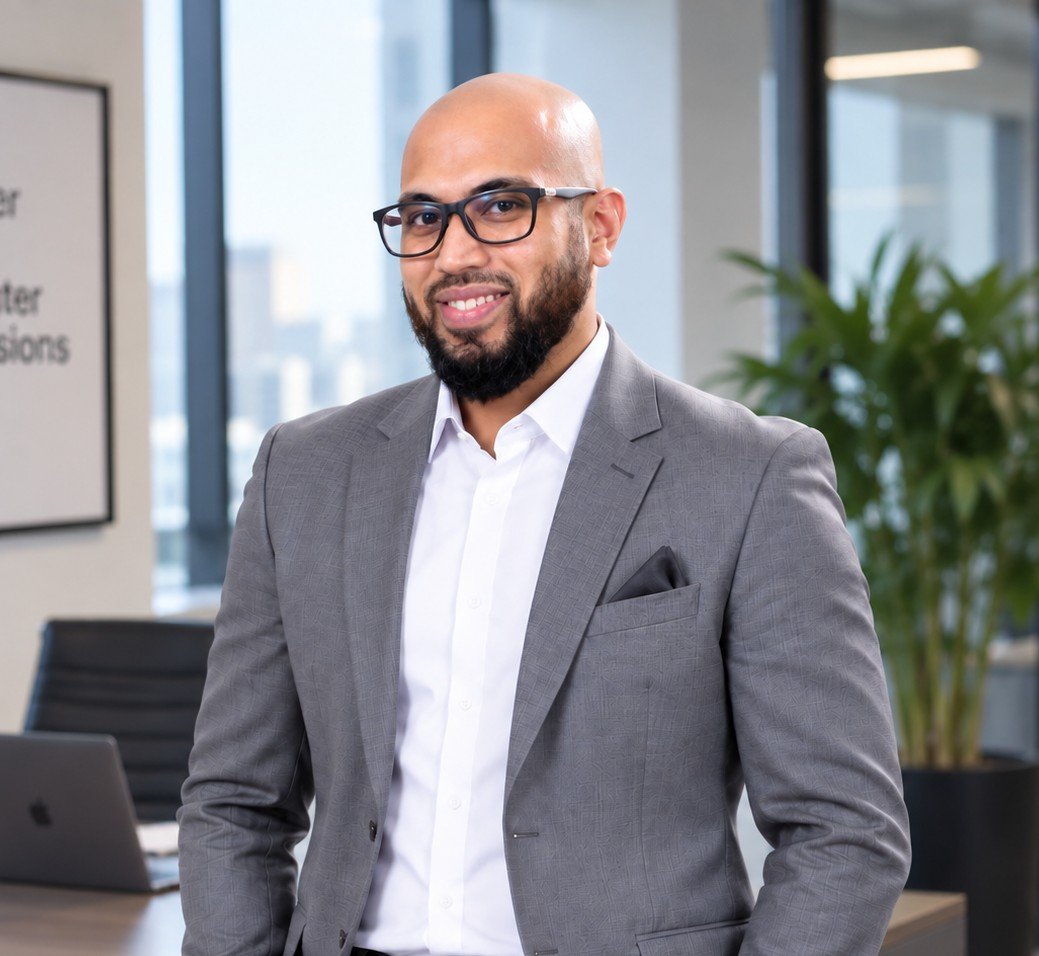
Nasehuddin Mohammed is the Co-Founder and Head of Technology at Zawjaan, where he leads product quality and the platform’s technological development. His work spans user experience and interface development, matchmaking strategies, and community-centred communication experiences designed to help Muslims build serious, marriage-minded connections.