

Meet Bhairahawa Muslim Men Online
Online platforms have become a practical way for Muslim women in Bhairahawa to meet Muslim men for marriage. Local communities often rely on word of mouth, but the internet expands your reach while keeping things halal. When creating a profile, be clear about your intentions and include details about your faith and family background. Look for men who are equally serious about Nikah and respectful in their communication. Zawjaan and similar platforms allow you to filter by location and religious practice, helping you connect with Muslim brothers in Bhairahawa who are committed to a meaningful marriage.
Bhairahawa Muslim Men for Marriage
Marriage in Bhairahawa is a family-centred affair. For Muslim women, involving your family early can prevent misunderstandings and build trust. Local Muslim men often expect that a potential wife will respect her in-laws and maintain strong Islamic values. Marriage in Nepal requires legal registration with the local municipality, and for Muslims, a Nikah is also necessary. Discussing both civil and religious requirements from the start avoids delays. The community values modesty, shared responsibility, and a clear commitment to building a home together, so approach marriage with seriousness and openness.
Halal Dating with Bhairahawa Muslim Men
Halal dating in Bhairahawa means keeping boundaries clear. You might meet a Muslim man for tea at a local cafe, but always bring a chaperone or meet in public. Avoid private conversations that could lead to temptation. Instead, focus on learning about his character, his practice of Islam, and his goals for marriage. In the Terai region, family reputation is important, so be mindful of how you present yourself. Halal dating is not about casual relationships; it is a structured process to evaluate compatibility with the intention of Nikah.
Islamic Nikah in Bhairahawa
The Islamic Nikah is the spiritual foundation of a Muslim marriage. In Bhairahawa, several imams and local mosques can conduct the Nikah ceremony. You will need two male witnesses and a mahr, which is a gift from the groom to the bride. The Nikah does not need to be elaborate; it can be a simple ceremony with family. Ensure that the Nikah is registered with the government as well, since Nepal requires civil marriage registration. Local Muslim leaders can guide you through the required papers, making the process smoother for couples.
Halal Chat with Bhairahawa Muslim Men
Halal chat is an essential part of getting to know a potential spouse. When talking to Muslim men online, keep conversations respectful and purposeful. Avoid falling into flirtatious or inappropriate topics. Instead, ask about his daily prayers, his views on family, and what he expects from a wife. In Bhairahawa, internet access is common, but many men prefer to move to phone calls or family meetings quickly. Use this time to evaluate his seriousness and his commitment to Islam, and always remember that your family should be informed about serious discussions.
Bhairahawa Muslim Singles and Community Networks
Muslim singles in Bhairahawa are part of a modest but active community. Many families are involved in trade, agriculture, and cross-border business, and they often seek matches within their social circle. For a Muslim woman, it is helpful to attend community events at local mosques and Islamic centres, such as the Bhairahawa Jama Masjid. You might also meet eligible Muslim men through relatives or friends. The community values reputation, so it is important to show respect and sincerity in your search. Online platforms can complement these traditional methods, offering a wider pool of like-minded Muslim brothers.
Marriage Proposals and Khitbah in Bhairahawa
In Bhairahawa, a proposal, or khitbah, often follows a formal meeting between families. If a Muslim man is serious, he may send his family to speak with yours. Be honest about your background and expectations. In many Terai families, the proposal includes discussions about mahr, wedding expenses, and where the couple will live. It is wise to involve a respected elder from your side to guide the negotiations. This stage is about building trust, so take your time to ensure that the proposal aligns with your values and religious commitments.
Physical Appearance of Bhairahawa Muslim Men
Physical attraction matters, but in Islam it should not be the only basis for marriage. When you picture a potential husband, think about what features make you feel comfortable and drawn to him. Look for signs of grooming and neatness, as they reflect self-respect. Remember that beauty is relative and depends on personal preferences. Focus on what you truly want in a partner rather than societal standards. In Bhairahawa, men often have a rugged yet modest appearance, but personal care varies, so look beyond appearances.
Skin, Hair and Eye Colour
Skin tone is a sensitive topic, but it is part of physical description. You may have a preference, but Islam teaches that race and colour are not measures of worth. In Bhairahawa, men come in diverse shades due to the region's mixed heritage. Your focus should be on his character and faith, not on his complexion. Discussing colour can be hurtful, so approach it with sensitivity and avoid making it a deal-breaker.
Occupation and Profession
Occupation plays a significant role in marriage, as it affects family stability. Many Muslim men in Bhairahawa work in businesses related to trade, agriculture, or cross-border commerce. Others may be professionals such as teachers, government employees, or IT workers. When considering a match, ask about his job security, income level, and how many hours he works. A man who is responsible with finances and values his family time is often a better partner. In Nepal, cost of living in Bhairahawa is relatively low, but it is still important to discuss financial plans together.
Height
Height is a common physical preference. You might have an idea of what you find attractive, but remember that compatibility goes beyond stature. The average height for men in Bhairahawa is around 5 feet 6 inches, though some reach 5 feet 9 inches or approximately 175 centimetres. Avoid being overly rigid about height; instead, focus on how he carries himself. Confidence and character matter more than a few centimetres.
Ethnicity and Nationality
Ethnicity can influence cultural traditions within a marriage. In Bhairahawa, the Muslim community includes people of South Asian descent, with many having roots in India, as well as Nepali Muslims. You might have a preference for a particular ethnic group, but understand that faith unites you. Discuss family expectations about language, festivals, and food. Being open to different backgrounds can lead to a richer relationship, as long as you share core Islamic values and respect each other's customs.
Compatibility with Bhairahawa Muslim Men
Compatibility goes beyond physical or cultural similarities. It is about how well your life goals, religious practices, and family expectations align. A compatible partner will support your spiritual growth and understand your needs. In Bhairahawa, this might mean navigating different cultural traditions, so communication is key. Look for someone who is willing to compromise and build a shared vision for your marriage.
Religious Alignment
Religious alignment is essential for a Muslim marriage. Discuss how he practises Islam daily, for example, prayer, fasting, and avoiding haram. In Bhairahawa, some men are more observant than others. Look for someone who encourages your faith rather than hinders it. Ask about his views on Islamic education for children and whether he is willing to learn together. A shared commitment to Allah strengthens the bond.
Cultural Compatibility
Cultural compatibility matters, especially when families are involved. In Bhairahawa, Muslim families often blend Urdu, Hindi, and Nepali traditions. If you come from a different region, discuss how you will celebrate Eid, handle family gatherings, and raise children. Some customs may clash, but with mutual respect, you can create your own traditions. Be open to learning his family's ways while preserving your own identity.
Local Muslim Culture
The local Muslim culture in Bhairahawa is influenced by the Terai region and neighbouring India. Many families are involved in business and trade, and there is a strong emphasis on community and hospitality. You may find that men here are family-oriented and respectful of elders. However, cultural practices can vary, so do not assume everyone is the same. Spend time with his family and observe how they interact to understand their values.
Ideological Viewpoints
Ideological viewpoints can range from conservative to moderate. In Bhairahawa, like elsewhere, Muslim men may hold diverse opinions on issues such as education, women's roles, and Islamic jurisprudence. It is important to discuss these topics early to understand his worldview. Ask about his views on women working, decision-making in the family, and interaction with non-Muslims. Find a balance that respects both your beliefs and his.
Lifestyle Compatibility
Lifestyle compatibility involves daily habits and social patterns. Consider how he spends his leisure time, whether he prefers outdoor activities or reading, and how he handles money. In Bhairahawa, life is more relaxed than in big cities, but some men may have busy schedules due to business. Talk about expectations around housework, entertainment, and travel. A compatible lifestyle reduces friction and helps you build a peaceful home.
Family Expectations
Family expectations are significant in Nepali Muslim marriages. In Bhairahawa, in-laws often live nearby or even together, so you need to understand his family's expectations for a daughter-in-law. Some families expect her to help with household duties, while others are more relaxed. Discuss how you will balance your responsibilities to his parents and your own. Clear communication with your future husband is key to setting boundaries that respect both families.
Marriage Goals
Marriage goals should be aligned. Ask about his vision for the future, such as children, education, and financial stability. In Bhairahawa, some families prefer to grow close to home, while others may consider moving to Kathmandu or abroad. Ensure that your goals are compatible, especially regarding career and residence. A man who is willing to plan with you is a good sign.
Relationship Expectations
Relationship expectations cover communication, intimacy, and mutual support. Discuss how you both will handle disagreements, show affection, and make important decisions. In a halal marriage, kindness and respect are fundamental. He should treat you as an equal partner in fulfilling the deen. Set expectations early to avoid disappointment and build a strong foundation for your life together.
How to Find Muslim Men in Bhairahawa
To find a compatible Muslim man in Bhairahawa, combine online searches on platforms like Zawjaan with community involvement. Attend prayers at local mosques and participate in Islamic events. Ask relatives and respected community members if they know eligible Muslim men. Be proactive and clear about your intentions, and always involve your family in the process.
1. Create a clear marriage profile
Phase 1: Profile CreationCreate a profile that highlights your faith and marriage intentions. Use clear photos and mention your cultural background. Be honest about your preferences and what you seek in a husband.
2. Search locally and realistically
Phase 2: Local DiscoveryUse filters to search for Muslim men in Bhairahawa. Look for profiles that mention Islamic practice and family values. Save searches and review profiles carefully with patience.
3. Begin respectful halal chat
Phase 3: Compatibility ScreeningStart conversations with a polite greeting. Ask questions about his daily life and deen. Keep topics halal and avoid long private chats. Move to family discussions when comfortable.
4. Arrange a public meeting
Phase 4: Face-to-Face CourtshipSuggest a public meeting with a chaperone, such as a cafe in Bhairahawa. Keep the conversation light and respectful. Observe his manners and how he treats others.
5. Introduce both families
Phase 5: Family MeetingIntroduce him to your family early if there is potential. Arrange a formal meeting where both families can talk. Discuss mahr, wedding plans, and living arrangements clearly.
6. Prepare the legal documentation
Phase 6: Legal DocumentationIn Nepal, legal marriage requires registration at the local ward office. Prepare your documents, such as citizenship certificates and passports. Understand the legal age and other requirements.
7. Complete the Islamic Nikah
Phase 7: Marriage ContractContact a local imam or mosque to arrange the Nikah ceremony. Ensure two witnesses are present. Complete the Nikah registration with the municipality to make it legal.
Frequently Asked Questions
How can Muslim women meet Muslim men in Bhairahawa for marriage?
You can meet through family networks, community events, or online platforms like Zawjaan. Attend prayers at local mosques and ask relatives for introductions. Always involve your family in serious contacts.
What qualities should Muslim women look for in a Muslim man in Bhairahawa?
Look for a man who is committed to his prayers and treats you with respect. In Bhairahawa, family values and a stable job are important. Discuss his views on marriage and responsibilities early.
Is it acceptable for Muslim women to chat online with Muslim men in Bhairahawa?
Yes, if you keep conversations halal and purposeful. Avoid unnecessary talk and involve your family when the relationship becomes serious. Online chats are a means to an end, not a place for casual banter.
What should Muslim women know about Islamic Nikah in Bhairahawa?
The Nikah requires two witnesses and a mahr. It is a spiritual contract, but in Nepal you also need civil registration. Local imams can guide you, and the ceremony can be simple.
Why do Muslim women need to consider family expectations when marrying Muslim men in Bhairahawa?
Families play a central role in Nepali Muslim marriages. Discuss with the man how often you will visit in-laws and what their expectations are. Clear communication prevents future conflicts.
About the Author
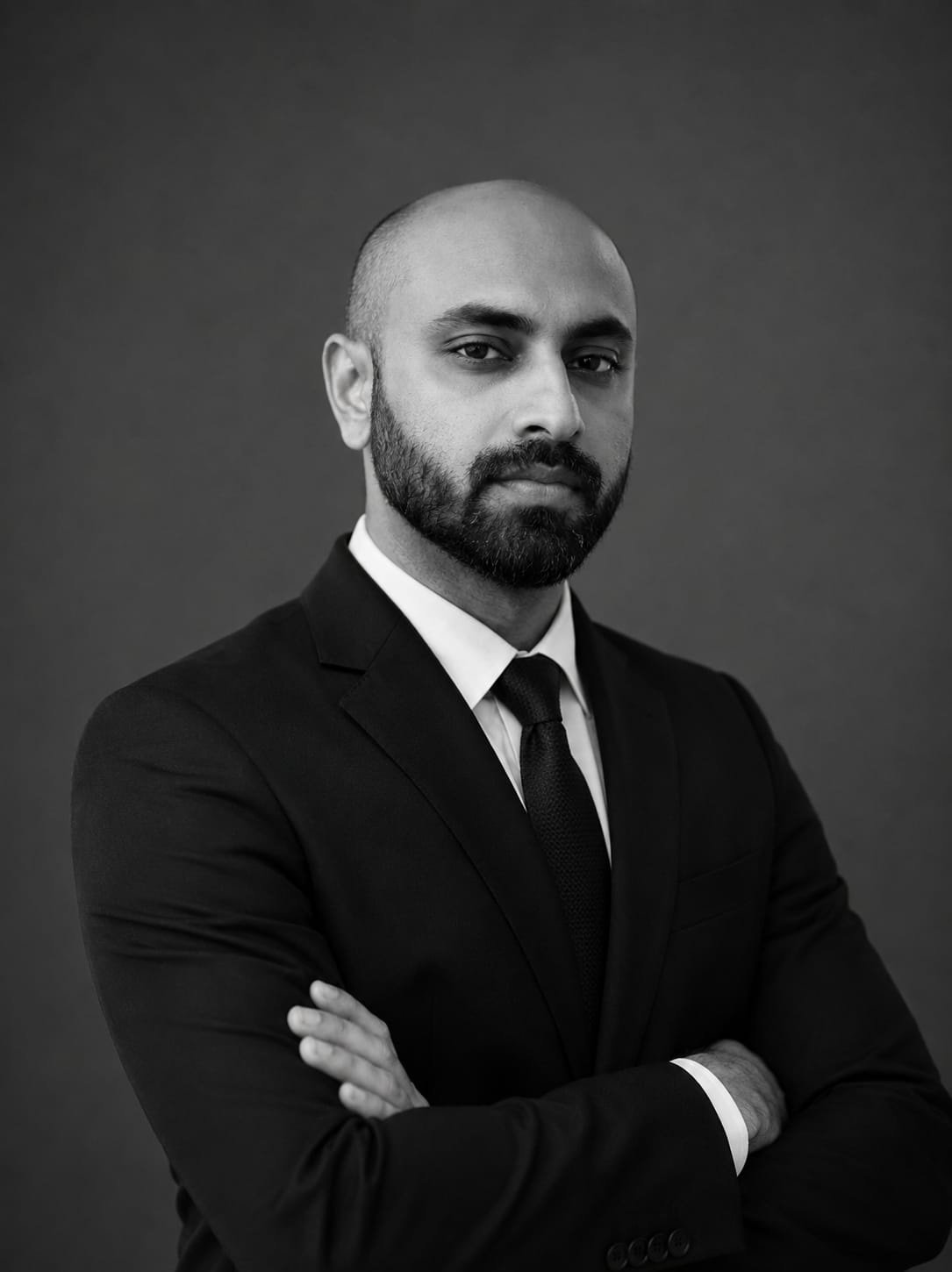
Arfan Shariff is the Co-Founder and Head of Operations at Zawjaan, overseeing platform operations, public relations and strategic partnerships. Drawing on his experience in community engagement, Arfan helps shape Zawjaan's trusted, faith-centred and user-focused approach to Muslim matchmaking, promoting compatibility, authenticity and meaningful lifelong marriages.