

Why Nepal Offers Serious Marriage Prospects for Muslim Men
Nepal’s Muslim community is small but close-knit, and many men approach marriage with genuine seriousness. Understanding the local dynamics helps you assess whether a potential husband shares your long-term goals.
In Nepal, marriage is traditionally a family affair, often involving both sets of parents from the outset. This structure can be an advantage for a sister seeking a man who respects family involvement.
Muslim men in Nepal may come from diverse ethnic backgrounds, including Madhesi, Tharu, and others, but their Islamic practice and commitment to a halal lifestyle are the key indicators of readiness.
Because the community is relatively small, word-of-mouth and community networks play a significant role in introductions. A man who involves his family early is often more serious about marriage.
Kathmandu, the capital, hosts a mix of ethnicities and a few mosques, making it a hub for meeting marriage-minded Muslims. Outside the capital, communities may be more traditional and family-oriented.
- Look for a man who actively includes his family in the marriage process, as this signals seriousness and cultural alignment.
- Assess his consistency in Islamic practice, such as regular prayers, as a marker of deen and character.
- Check whether he has a stable income and clear financial plans, crucial for providing in marriage.
- Understand that Muslim men in Nepal may face social pressures; his ability to prioritise Islamic values is vital.
Understanding Local Marriage Customs
Nepalese Muslim weddings often blend South Asian customs with Islamic practices, but the nikah remains the essential contract.
A man serious about marriage will ensure that the nikah is conducted properly, with your consent and the presence of your wali if applicable.
The Nepalese Muslim Community: A Context for Finding a Husband
Nepal’s Muslim population is estimated to be around 4.4%, and they are concentrated in the Terai region and urban centers like Kathmandu. This context shapes how men approach marriage and family life.
Muslims in Nepal live alongside a Hindu-majority population, which can create unique social dynamics. Serious Muslim men often work hard to maintain their identity and religious practice.
The Muslim community in Kathmandu includes both native Nepalis and those from other parts of South Asia, contributing to cultural diversity in marriage practices.
Community leaders and mosque networks can serve as potential channels for introductions, but online platforms like Zawjaan offer a more controlled and halal way to connect.
Understanding the local context helps you ask informed questions about a man’s upbringing, family expectations, and how he navigates being a minority.
- Muslim men in Nepal may have varying levels of religious observance; focus on the one who prioritises deen.
- Family reputation is significant, so a man from a respected family may be more accountable in his conduct.
- Language and cultural differences can be bridged, but shared Islamic values are non-negotiable.
Role of Mosques and Community Centres
Mosques in Kathmandu, such as the Kashmiri Mosque, serve as gathering points where serious men are known. Attending community events or asking trustworthy locals can provide insight.
However, always verify any introduction through appropriate channels and maintain halal boundaries in communication.
Evaluating Deen and Character in a Nepalese Groom
The Prophet (peace be upon him) advised us to choose a spouse with good deen and character. For a Muslim woman considering a Nepalese man, assessing these qualities is paramount.
Look beyond surface-level details and observe his daily habits – his prayer consistency, his treatment of others, and his knowledge of Islamic teachings.
A man who values deen will also be respectful of your own religious journey and supportive of your Islamic practice.
Character encompasses honesty, reliability, and emotional maturity. How he handles stress and conflict reveals much about his suitability as a husband.
Compatibility in deen and character is more important than cultural similarity. A shared commitment to Allah can overcome many differences.
- Ask about his Islamic education and who his teachers or role models are.
- Observe how he speaks about his family and community; a man who is respectful is more likely to be a good husband.
- Inquire about his understanding of marital roles and responsibilities from an Islamic perspective.
- Consider whether his life goals align with your own religious and personal aspirations.
Questions to Assess Compatibility
Prepare thoughtful questions that reveal his priorities, such as how he intends to raise children Islamically or how he balances work with worship.
Listen carefully to his answers, not just for content, but for the sincerity and depth behind them.
- What does a typical day look like for you in terms of prayers and work?
- How do you handle disagreements with family members?
- What are your expectations for a wife’s role in the household?
- How do you plan to support your wife’s Islamic growth?
Family Expectations and Involvement in a Nepalese Muslim Man’s Marriage
In Nepal, family involvement in marriage is the norm rather than the exception. A serious Muslim man will want his parents to approve of and support his choice of a wife.
You should be prepared for the possibility that your potential husband’s family will play an active role in the early stages of the relationship, from initial discussions to the nikah.
While this involvement can be comforting, it also means that you may need to build a rapport with his family, especially his mother, who often holds influence.
It is essential to communicate clearly that your Islamic rights, including the mahr and independent consent, are respected even within a family-centric approach.
A man who is serious about you will facilitate communication between you and his family, ensuring that boundaries are maintained and respect is mutual.
- Meet his family in a halal setting, preferably with your own mahram present.
- Observe how he interacts with his family – does he communicate with respect and kindness?
- Discuss openly how involved his family will be in your married life, from decisions to living arrangements.
- Clarify that your wali must be involved in the marriage process, as per Islamic guidelines.
- Agree on the mahr amount and timing, ensuring it is documented and fair.
Approaching Your Potential Husband’s Family
When you first meet his family, dress modestly and be respectful, but also express your own expectations politely.
It may be beneficial to have a common acquaintance vouch for your character, as Nepalese families often value such endorsements.
Halal Communication with a Nepalese Muslim Man
Maintaining halal boundaries in communication is essential for a successful Islamic courtship. This is especially important when interacting with a potential husband from Nepal, where cultural norms may vary.
All interactions should be purposeful and marriage-focused, avoiding casual or private conversations that fall outside Islamic guidelines.
Include a third party – a mahram for you or a trusted person – in initial meetings to ensure accountability and support.
Text messaging and online chats should be kept within limits, focusing on serious topics like deen, life goals, and practical arrangements.
Agreement on what constitutes appropriate communication is part of the marriage negotiation itself.
- Initiate conversations with the intention of evaluating marriage compatibility, not casual banter.
- Use a formal and respectful tone, especially when discussing sensitive topics.
- Set a clear timeline for involving families to avoid prolonged hidden communication.
- Never share emotional or private information until a formal proposal is in place.
- Seek guidance from a trusted scholar or elder if you have doubts about the appropriateness of the relationship.
Online Communication Etiquette
When using online platforms like Zawjaan, maintain your profile and messages covering only relevant, marriage-related topics.
Avoid meeting in person without a mahram, and always inform a family member of your plans.
Purposeful Online Matchmaking for Nepalese Muslim Men
Online matchmaking platforms designed for Muslims can help you connect with Nepalese men who are serious about marriage. Zawjaan serves this need by focusing on halal marriage.
Such platforms allow you to filter prospects based on religion, lifestyle, and intentions, saving time and effort.
A man who uses a marriage-focused platform likely has a higher level of sincerity compared to generic dating sites.
On Zawjaan, you can specify that you are seeking a Nepalese husband, making it easier to find compatible matches.
The platform encourages family involvement and halal communication, aligning with Islamic values.
- Create a clear, honest profile that reflects your deen and marriage intentions.
- When engaging, ask about his family, work, and why he is seeking marriage.
- Request references or insights from the platform’s community if available.
- Set boundaries for communication and advancement of the relationship.
Signs of a Serious Matrimonial Profile
Look for profiles that include detailed information about religious practice and family values.
A serious man will often mention that he is seeking a wife for life and involves his family in the process.
Islamic Nikah in Nepal: What Nepalese Muslim Men Should Prepare
Understanding the nikah process in Nepal helps you evaluate a potential husband’s seriousness.
The Islamic nikah in Nepal is conducted by local imams or Islamic scholars, often in a mosque or at home.
A wali, usually the bride’s father, must be present for the marriage contract to be valid.
Mahr is an essential part of the nikah, symbolising the husband’s commitment and responsibility.
A potential husband’s willingness to discuss mahr openly is a sign of maturity and respect.
- Confirm that both families agree on the mahr amount and payment schedule.
- Arrange for two male Muslim witnesses or one male and two female witnesses.
- Ensure the nikah is registered with local authorities for legal recognition.
- Discuss any pre-nuptial conditions calmly and before the ceremony.
Mahr Discussions and Financial Clarity
Mahr is not a formality; it is a right of the wife and a demonstration of the husband’s willingness to fulfil Islamic obligations.
In Nepal, mahr can be cash, gold, or any agreed value; it is often discussed during the engagement period.
- Decide on a reasonable mahr based on the husband’s financial capacity.
- Agree on the timing of payment, whether immediate, deferred, or split.
- Document the mahr agreement in writing to avoid future disputes.
Nepalese Muslim Men and Cultural Diversity: Beyond Stereotypes
Nepal’s Muslim community is small but diverse, with distinct regional traditions.
Nepalese Muslims come from various ethnic and linguistic backgrounds, including Madhesi, and indigenous groups.
Culture varies by region; Terai Muslims share roots with northern India, while hill communities have their own practices.
Islam unifies them, but local customs shape wedding rituals, dress, and food.
Assess a potential husband’s practice of Islam rather than assuming based on his ethnicity.
- Ask about his family’s religious customs and how they observe Islam daily.
- Notice how he balances Nepali culture with Islamic practice.
- Be open to learning about regional wedding traditions that may differ from your own.
Nepalese Muslim Cuisine and Wedding Feasts
Nepalese Muslim cuisine blends South Asian flavours with local ingredients, featuring biryani, kebabs, and curries.
During Eid and weddings, dishes like sheer khurma and sel roti are enjoyed, reflecting cultural fusion.
Sharing meals can be a way to bond with his family, but ensure halal food is served.
- Biryani and korma are common at Nikah feasts in the Terai.
- Sel roti, a sweet rice-based bread, is popular in hill regions.
- Check that all food served is halal and handled with care.
Eid Customs and Dress for Nepalese Muslim Men: What to Expect
Eid celebrations in Nepal reflect both Islamic piety and local culture.
Nepalese Muslim men often wear kurta pajama or a simple suit for Eid prayers, and a caps such as the topi.
Eid al-Fitr and Eid al-Adha are marked by communal prayers, feasts, and charity.
A husband may expect you to join family gatherings and dress modestly with culturally appropriate clothing.
Understanding these customs helps you plan for married life.
- Men typically attend early morning Eid prayers at local mosques or open fields.
- After prayers, families visit each other and share sweets and special dishes.
- Modesty in dress is important; women often wear salwar kameez or hijab.
Dress Traditions Across Regions
In the Terai, men may wear the traditional Madhesi dress with a kurta and dhoti.
In Kathmandu, western-style clothing is common outside religious occasions, but conservative dress for prayer and family events is respected.
Find out what his family considers appropriate attire to avoid misunderstandings.
- Ask about his family’s expectations for your dress during Eid and other religious gatherings.
- Consider having a few modest outfits suitable for both mosque and family visits.
- If you wear hijab, his community likely respects that; clarify any differences.
How to Approach Nepalese Families: Guidance for Muslim Women Seeking a Husband
Approaching his family respectfully is vital for a successful union in Nepal.
In Nepal, family approval is often essential; a marriage without it can be strained.
Communication should be tentative and respectful, especially during initial visits.
Your potential husband may act as a bridge, introducing you gradually to his parents.
Showing respect for elders and religious values goes a long way.
- Meet his family in a neutral setting such as a relative’s home or during a family gathering.
- Bring a small gift like sweets or fruit, showing goodwill.
- Avoid discussing sensitive topics like money or personal history initially.
- Let your intended husband take the lead in formal introductions and proposals.
Involving Your Own Wali
Your wali should be involved in formal discussions, as required by Islamic practice.
He can help assess the family’s character and negotiate terms.
Maintain modesty and respect during these interactions.
- Brief your wali about the prospective groom’s family background.
- Arrange a meeting where both families can discuss expectations and mahr.
- Seek guidance from an Islamic scholar if family conflicts arise.
City and Relocation Differences for Nepalese Husbands: Where to Live
Nepal’s geography affects lifestyle, employment, and family connections.
Kathmandu offers educational and professional opportunities, but also higher living costs.
Terai cities like Biratnagar and Nepalgunj have significant Muslim populations and easier access to Islamic institutions.
Hilly regions may have fewer Muslims, meaning those couples must create their own community.
Decide together whether urban or rural life suits your marriage goals.
- Consider proximity to mosques, halal food, and Islamic schools.
- Check employment prospects for your husband, especially if you plan to relocate.
- Understand the cultural norms of the city you choose; they vary widely.
Long-Distance and Relocation Considerations
If you live abroad or in different regions, long-distance courtship requires clear communication and patience.
Relocating to Nepal may involve cultural adjustment, especially if you’re from a different country.
A serious husband should be ready to support you through the transition.
- Plan a trial stay in Nepal to experience daily life before permanent relocation.
- Discuss visa and citizenship procedures if applicable.
- Set a timeline for the move after nikah, allowing for family and community integration.
Marriage Readiness and Practical Steps for Nepalese Men Seeking a Wife
Evaluate a man’s readiness based on his stability, maturity, and commitment to deen.
Financial responsibility is critical; a husband should be able to provide for his wife’s basic needs.
Emotional maturity and communication skills are as important as wealth.
He should demonstrate consistent prayer and good character in his daily life.
Practical steps include completing a profile on Zawjaan and engaging in halal communication.
- Assess his employment stability and savings, but also his attitude towards money.
- Discuss future plans regarding children, residence, and career ambitions.
- Use halal matchmaking platforms like Zawjaan to connect with serious potentials.
- Involve both families in the formal proposal process.
Building a Marriage-Focused Courtship
Halal communication means avoiding seclusion, observing hijab, and keeping conversations purposeful.
Use Zawjaan’s messaging features to ask deep questions about expectations and values.
Involve a wali early to guide the process.
- Set intentions for the courtship to be for marriage only.
- Ask about his past relationships and what he has learned.
- Meet with his family in a chaperoned setting to observe interactions.
How to Assess Nepalese Muslim Men for Marriage
A marriage-focused process for Muslim women assessing a Nepalese Muslim man in Nepal for serious Islamic marriage.
- Confirm serious marriage intention: Clarify that the Nepalese Muslim man is seeking marriage rather than a casual relationship, and establish clear halal communication boundaries from the beginning.
- Assess deen and character: Consider religious commitment, honesty, temperament, responsibility and consistency, rather than relying only on attraction or online conversation.
- Involve family or wali appropriately: Bring trusted family members or a wali into the process at a suitable stage so intentions, character and practical expectations can be assessed transparently.
- Discuss marriage expectations: Talk clearly about mahr, finances, work, housing, family roles, children, location and other responsibilities that could affect long-term compatibility.
- Agree the route towards Islamic nikah: If compatibility is strong, agree practical next steps for family discussions, any necessary civil requirements and preparation for an Islamic nikah.
Frequently Asked Questions
What questions should a sister ask a Nepalese Muslim man on Zawjaan to assess his seriousness?
Ask about his daily prayer habits, his views on mahr, how he plans to involve his family, and whether he is willing to relocate for marriage. These reveal his commitment to Islam and marriage responsibilities.
Is Nikkah registration required in Nepal?
Yes, civil registration is necessary for legal recognition. The Islamic nikah is recognised, but you should also register under Nepalese law to protect your rights. Discuss the process with the local mosque or a legal advisor.
How does the Nepalese Muslim community view interethnic marriages?
Many families are open, but some may prefer same-ethnic matches. Respectful discussion and highlighting shared Islamic values can ease concerns.
What is typical mahr in Nepal?
Mahr varies; it can be cash, gold, or property. It is often modest, but the amount should be agreed by both families and reflect the groom’s means.
Can a sister who is not Nepalese marry a Nepalese man?
Yes, but there may be cultural adjustments. The man should be prepared to support you in adapting to Nepalese life, and both should discuss relocation and family expectations openly.
What halal communication etiquette should be followed on Zawjaan?
Keep conversations respectful and purposeful. Involve your wali if you feel comfortable, and avoid flirting or private chats outside the platform’s intended use.
About the Author
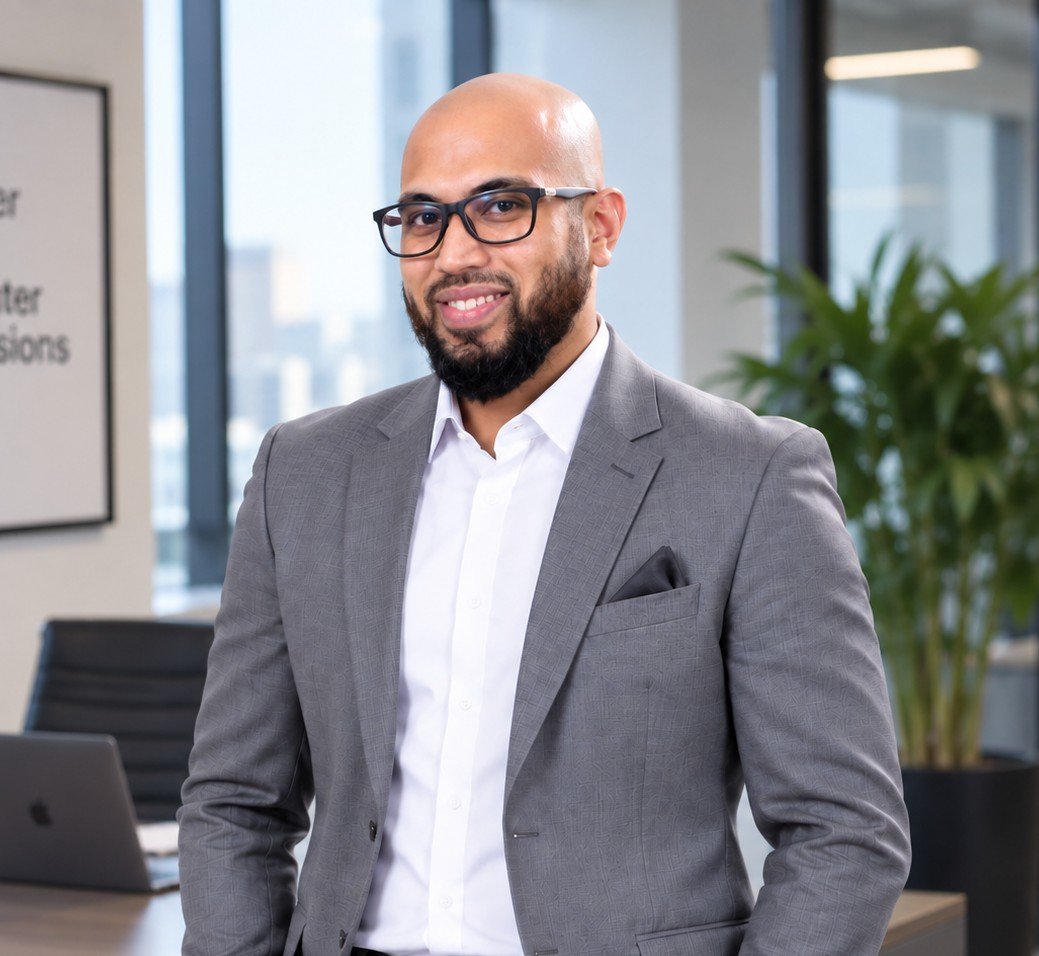
Nasehuddin Mohammed is the Co-Founder and Head of Technology at Zawjaan, where he leads product quality and the platform’s technological development. His work spans user experience and interface development, matchmaking strategies, and community-centred communication experiences designed to help Muslims build serious, marriage-minded connections.