

Meet Windhoek Muslim Men Online
Online platforms have become essential for Muslim women in Windhoek to connect with Muslim men seriously. Given the small Muslim population, local matches can be limited, so digital spaces widen the circle while keeping intentions halal. Zawjaan offers a focused environment where profiles highlight religious practice, family values, and marriage goals. For Windhoek Muslim men, online matchmaking respects privacy and avoids the awkwardness of public matchmaking. Many brothers in the capital are professionals who appreciate the efficiency of structured profiles and the ability to involve families early.
Windhoek Muslim Men for Marriage
Marriage in the Windhoek Muslim community is a deeply respected institution, often seen as half of one's faith. For Muslim men, marriage provides stability and a partner who supports their spiritual and worldly goals. Women searching for Windhoek Muslim men will find many brothers who view marriage as a completion of their deen, not just a social expectation. Local community values emphasise patience, mutual respect, and the involvement of both families. The process is taken seriously, with many men preferring to involve parents and elders early to ensure blessings. This approach makes the pursuit of marriage a communal effort, rooted in Islamic principles.
Halal Dating with Windhoek Muslim Men
Halal dating in Windhoek for Muslim men means meeting with chaperones, keeping conversations respectful, and maintaining clear boundaries. The Muslim community here is small, so reputations matter, and both men and women value discretion. Windhoek Muslim men often prefer structured meetings, such as coffee at a halal venue or a walk in a public park, where they can discuss compatibility without compromising Islamic etiquette. The goal is always to assess potential for marriage, not casual relationships. Families are usually involved early, and many men appreciate when women are clear about their intentions from the start.
Islamic Nikah in Windhoek
The Nikah in Windhoek is a straightforward yet meaningful ceremony, often held at a mosque or at home. Local imams and community elders are experienced in conducting Nikah ceremonies and can provide guidance on mahr, witnesses, and Islamic requirements. For Muslim men in Windhoek, the Nikah is the official Islamic marriage contract, and it is often accompanied by a civil registration to ensure legal recognition in Namibia. Muslim women will find that brothers here are committed to making the Nikah a simple, blessed occasion, avoiding extravagance in line with sunnah. Many couples also seek pre-marital counselling from local scholars to prepare for married life.
Halal Chat with Windhoek Muslim Men
Halal chat in the context of Windhoek Muslim men should be purposeful and within limits. Muslim women can engage in conversations that focus on deen, character, and life goals, avoiding flirtatious or ambiguous talk. Use platforms like Zawjaan that offer messaging features, but keep discussions respectful and involve families as soon as seriousness is confirmed. Windhoek's time zone (CAT) makes it easy to communicate with local brothers without delays. Many men appreciate when women ask meaningful questions about their daily prayers, work ethics, and community involvement, as these reflect genuine interest in a lasting marriage.
Windhoek Muslim Singles and Community Networks
Muslim singles in Windhoek form a small but diverse group, including native Namibian Muslims and many Somali, Ethiopian, and other African expatriates. Community events at the University of Namibia or local Islamic centres often bring singles together in a halal setting. Muslim women will find Windhoek Muslim men who are students, professionals in mining or healthcare, and entrepreneurs. The community organises occasional matrimonial events, though these are not frequent. Patience is key; many brothers prefer to be introduced through family or trusted friends, but online platforms like Zawjaan are increasingly accepted as a serious avenue for meeting.
Marriage Proposals and Khitbah in Windhoek
Proposals, or Khitbah, in Windhoek follow Islamic etiquette: the man or his family approaches the woman's family with seriousness. For Muslim men, this is a formal step that signals clear intent. Muslim women should expect a proposal process that involves direct communication with her wali, and possibly a small gathering to discuss Mahr and expectations. In Windhoek, it is common for the imam from a local mosque, such as the Windhoek Mosque in the CBD, to facilitate and offer counsel. The community values transparency; a brother may send a proposal via email or through a mutual contact before meeting in person.
Physical Appearance of Windhoek Muslim Men
When seeking Windhoek Muslim men for marriage, women may consider physical appearance, but the Sunnah guides us to look at both beauty and character. Many Muslim men in Windhoek are of East African descent, with features that reflect their Somali, Ethiopian, or Oromo heritage, while others are Namibian converts with a mix of African roots. Remember that beauty is relative and depends on personal preferences. Focus on what you truly want in a partner rather than societal standards.
Skin, Hair and Eye Colour
Skin, hair, and eye colour vary widely among Windhoek Muslim men, reflecting the city's diverse Muslim population. You will find men with skin tones from deep ebony to lighter brown, often with dark hair and eyes. East African influence is noticeable, but Namibian men may also have a range of features. It is best to keep an open mind and focus on the person's character, rather than associating specific colours with attractiveness. Compatibility in deen matters more than these physical attributes.
Occupation and Profession
Windhoek Muslim men work across various sectors, with many in mining, banking, healthcare, and the public service. The city's economy is driven by mining (such as uranium and diamonds), and many brothers are engineers or technicians in these industries. Others are doctors, teachers, or entrepreneurs running halal businesses like restaurants or import-export ventures. When considering a potential partner, ask about his career goals and work-life balance. In Windhoek, the cost of living is moderate, and a stable job is often a key consideration for both families.
Height
Height preferences vary, but many Muslim women in Windhoek consider that the average height for men is around 5 feet 9 inches or approximately 175 centimetres. Some women prefer taller men, while others do not mind. When meeting Windhoek Muslim men, you will find a range of heights, and it is wise to prioritise character and religious commitment over physical stature.
Ethnicity and Nationality
The Muslim community in Windhoek is ethnically diverse, including Namibians who have converted to Islam and immigrants from Somalia, Ethiopia, and other African nations. Many Somali families have been in Namibia for decades, and there is also a growing number of Nigerian and Sudanese residents. When looking for Windhoek Muslim men, consider that cultural backgrounds may influence family expectations and customs. Be open to learning about different traditions, and discuss how they will blend with your own.
Compatibility with Windhoek Muslim Men
Compatibility in marriage requires a deep connection on faith, values, and daily life. For Windhoek Muslim men, this starts with shared commitment to Islam and a vision for the future. Let's explore key aspects to consider.
Religious Alignment
In Windhoek, most Muslim men are Sunni, with a strong presence of the Salafi and Sufi traditions due to Somali influences. Ensure that you both agree on fundamental practices, such as prayer, fasting, and the importance of the community. Discuss your levels of adherence, including dress and religious education, to avoid conflict later.
Cultural Compatibility
Culture plays a significant role in marriage. Windhoek Muslim men from Somali backgrounds may have customs around food, celebrations, and family roles that differ from Namibian converts. Talk about how you will handle cultural holidays, meals, and visits. Mutual respect and compromise are essential, as is a shared commitment to an Islamic household.
Local Muslim Culture
The local Muslim culture in Windhoek is warm and community-oriented. Friday prayers at the Windhoek Mosque (Masjid Windhoek) in the CBD bring together men from all backgrounds, and shared meals after events are common. Women will find that brothers are respectful and often involved in community da'wah and outreach. This sense of belonging is important for a stable marriage.
Ideological Viewpoints
Within the community, there are differences in ideological leanings, such as views on communal engagement, the use of media, and political involvement. It's wise to discuss your attitudes towards Islamic lectures, scholars, and contemporary issues. Find a balance that allows both personal convictions and mutual tolerance.
Lifestyle Compatibility
Lifestyle in Windhoek often involves outdoor activities, with the city's proximity to natural scenery. Muslim men in Windhoek may enjoy hiking or sport, but they also value time for family and prayer. Discuss your daily routines, including work schedules, dietary habits (always halal), and how you plan to manage a home. Ensure your expectations align.
Family Expectations
Family is central in the lives of Windhoek Muslim men, especially among Somali and other African communities. They may expect to support parents and siblings, and wives should anticipate extended family involvement. Talk about your own family ties and how you both envision maintaining them after marriage. Openness is key to avoiding misunderstandings.
Marriage Goals
Most Windhoek Muslim men marry with the intention of building a strong family and raising children in the faith. They may have goals such as owning a home, possibly in suburbs like Kleine Kuppe or Windhoek West, and providing religious education for their children. Clarify your own ambitions, such as whether you will work outside, and plan together for the future.
Relationship Expectations
In a relationship, Windhoek Muslim men generally expect mutual respect, kindness, and support. They are often traditional in wanting a wife who maintains the home, but many are also open to a dual-income household. Discuss the division of responsibilities early, including chores and finances. Show that you are willing to communicate and resolve conflicts within Islamic guidelines.
How to Find Muslim Men in Windhoek
To find Windhoek Muslim men, start by attending events at the Windhoek Mosque (Masjid Windhoek) or the University of Namibia's Muslim Student Association. Use Zawjaan with a clear profile stating your intentions, and expand your network through friends and family who are involved in the community.
1. Create a clear marriage profile
Phase 1: Profile CreationCreate a profile on a Muslim-specific platform, including a clear photograph, your religious and marital intentions, and a balanced description of your lifestyle. Mention your community involvement in Windhoek, such as attendance at local mosques.
2. Search locally and realistically
Phase 2: Local DiscoveryUse search filters for Namibia and Windhoek. This limits results to men in the city or nearby areas, allowing you to focus on those who can realistically meet in person for halal dates and family introductions.
3. Begin respectful halal chat
Phase 3: Compatibility ScreeningStart conversations with salaams and ask about his daily Islamic practices, such as prayers and Friday attendance. Keep topics modest and purposeful, avoiding flirtatious language, and involve a wali if conversations progress.
4. Arrange a public meeting
Phase 4: Face-to-Face CourtshipArrange a first meeting in a public place, such as a coffee shop at The Grove Mall or a park like Zoo Park. Attend with a chaperone if needed, and keep the meeting brief to evaluate compatibility without compromising modesty.
5. Introduce both families
Phase 5: Family MeetingIntroduce your potential suitor to family members in a respectful manner, perhaps over tea at home. This step is vital in the community, as families in Windhoek often expect to be part of the courtship process.
6. Prepare the legal documentation
Phase 6: Legal DocumentationFor a legal marriage in Namibia, you must register at the Department of Home Affairs in Windhoek, providing valid IDs, birth certificates, and possibly a marriage certificate from the Nikah. Plan ahead for paperwork.
7. Complete the Islamic Nikah
Phase 7: Marriage ContractThe Nikah can take place at the Windhoek Mosque (Masjid Windhoek) in Dahlmann Street. Arrange with the imam for a khutbah, set a mahr, and have at least two Muslim witnesses to complete the marriage contract.
Frequently Asked Questions
How can Muslim women find serious Windhoek Muslim men for marriage?
The most effective way is to combine online platforms like Zawjaan with community involvement. Attend events at the Windhoek Mosque or join circles at the University of Namibia to increase your pool of brothers who are serious about marriage.
What do Windhoek Muslim men look for in a potential wife?
They typically seek a woman with strong religious character, modesty, and family values. Many brothers appreciate a partner who is educated and willing to contribute to the household, while also maintaining Islamic manners and supporting his role as a leader.
Are Windhoek Muslim brothers open to marrying women from different ethnic backgrounds?
Yes, many are. The community is diverse, and inter-ethnic marriages are common. Openness to different cultural traditions is key, but it is important to discuss how your cultures will blend, especially regarding family customs and daily practices.
What is the typical proposal process for Muslim groom in Windhoek?
The family of the brother typically makes formal contact with your wali, either directly or through a respected intermediary. They may request a meeting to discuss Mahr and expectations. The imam often advises, ensuring the process is halal and respectful.
How do Windhoek Muslim men balance tradition and modernity in marriage?
Many brothers maintain traditional roles in leadership and provision, but they are also open to shared finances and careers. They value modern communication and education. Open discussions early on help align your expectations about household dynamics and responsibilities.
About the Author
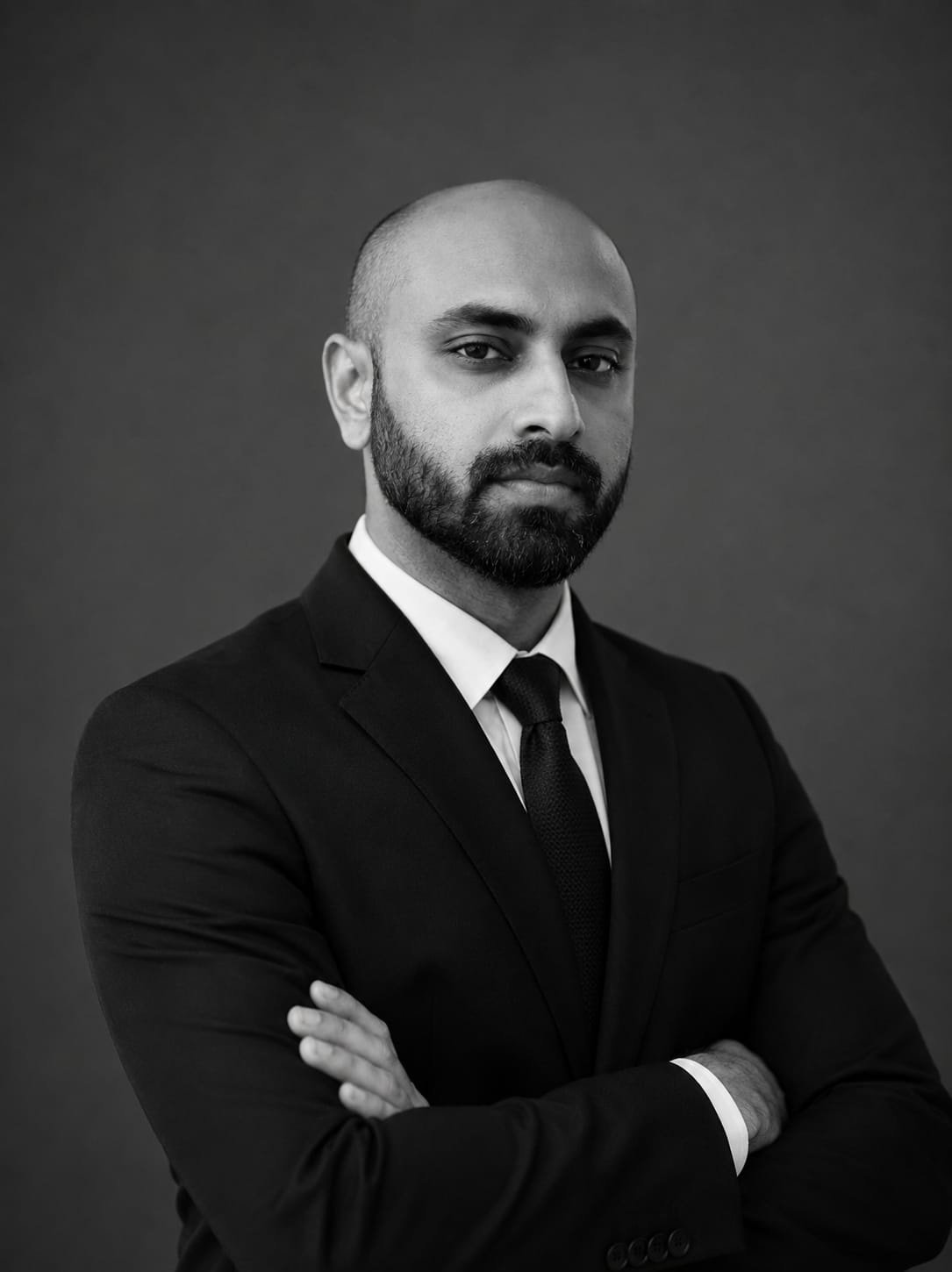
Arfan Shariff is the Co-Founder and Head of Operations at Zawjaan, overseeing platform operations, public relations and strategic partnerships. Drawing on his experience in community engagement, Arfan helps shape Zawjaan's trusted, faith-centred and user-focused approach to Muslim matchmaking, promoting compatibility, authenticity and meaningful lifelong marriages.