


Serious Muslim Marriage Intent in Namibia: What Namibian Men Look For
Before meeting any potential husband, it is wise to understand what marriage-minded Namibian men typically prioritise.
Many Namibian Muslim men seek a wife who shares their commitment to Islam and family life. They often appreciate a partner who is respectful, supportive, and grounded in her faith.
Marriage in Namibia is usually approached with genuine long-term intention. Most men are looking for a stable, halal relationship that leads to nikah and a shared future.
Men may come from different cultural backgrounds, so avoid assuming one ‘type’. Focus on each individual’s character and stated intentions rather than ethnicity or nationality.
The gathering of families is a normal part of the process. Many Namibian men expect their parents or elders to be involved from an early stage.
Be clear about your own intention to marry soon. A serious man will not delay unnecessarily or waste your time with vague promises.
- Look for consistency between his words and actions
- Ask about his timeline for marriage and family
- Notice how he speaks about his family and community
- Check whether he is willing to involve elders early
- Be wary of anyone who avoids discussing religious values
The Muslim Community in Namibia: Where Namibian Muslim Men Connect
The Muslim community in Namibia is small but active, with several mosques and Islamic centres across the country.
Windhoek hosts the largest concentration of Muslims, with established mosques and regular community activities. Men often attend weekly prayers and Islamic events.
Other towns such as Walvis Bay, Swakopmund, and Oshakati also have smaller Muslim communities. These may offer fewer social opportunities but still provide a base for meeting like-minded men.
Community events, such as Eid prayers and charity drives, are good places to understand how involved a man is with his local Muslim network.
If you are new to Namibia, consider reaching out to a local mosque or Islamic centre for guidance. They can sometimes facilitate introductions through respected members.
Remember that the community is diverse, including both long-established Namibian Muslims and expatriates from various countries. Each may have different expectations.
- Attend community iftar during Ramadan to observe family dynamics
- Ask about his involvement in mosque activities
- Note how he treats service staff in community gatherings
- Seek references from trusted community elders where possible
Deen, Character and Compatibility: Judging a Namibian Husband’s Faith
Assessing deen and character is essential, as these are the foundations of a successful Islamic marriage.
A man’s prayer habits and knowledge of Islam give insight into his seriousness. Observe whether he prays regularly and seeks knowledge beyond basic rituals.
Character traits like honesty, patience, and kindness are strong indicators. See how he treats his family, friends, and people in weaker positions.
Compatibility goes beyond shared culture. Consider your goals for family, career, and religious lifestyle. Discuss topics like children’s education and household roles.
Men who are serious about marriage will be open about their strengths and weaknesses. Avoid those who claim perfection or dismiss your questions.
If you are a convert, find a man who appreciates your journey and does not treat you as different. Convert-friendly husbands are common, but always verify his understanding.
- Talk about your daily religious routines and how you hope to grow together
- Ask what seeking knowledge means to each of you
- Share your views on having children and their Islamic upbringing
- Discuss how you would handle disagreements in a marriage
- Clarify each person’s expectations for family visits and in-law relations
Questions to Ask Yourself Before Proceeding
Reflect on whether this man’s deen and character align with your own values. Small differences may be acceptable, but fundamental conflicts often cause problems later.
Consider seeking advice from a trusted mentor or family member who can offer a neutral perspective.
- Does he make you feel safe and respected?
- Can you imagine him as a father to your children?
- Does he encourage your religious growth?
- Is he willing to learn from mistakes?
Family Expectations and Involvement in a Namibian Muslim Marriage
Families play a significant role in Muslim marriage in Namibia, often helping to validate choices and support the couple.
A man who respects his parents is often a good sign, but ensure he can set healthy boundaries. Ask how he plans to balance obligations to his family with his marriage.
In Namibian Muslim families, it is common for the man’s family to approach the woman’s family directly. Be prepared for this formal process.
Your own family’s involvement is important too. A serious husband will welcome their questions and seek their blessing.
Discuss early on how often you would visit each other’s families and what role extended family should play in major decisions.
Cultural backgrounds vary, so do not assume a ‘Namibian’ pattern. Communicate openly with your potential husband about family expectations on both sides.
- Ask how he handles conflicts between his parents and his wife
- Clarify whether he expects you to live with parents after marriage
- Understand his views on financial support for relatives
- Discuss how you will celebrate religious occasions together
Halal Communication with a Namibian Muslim Man: Boundaries and Purpose
Halal communication is key to building trust without compromising Islamic values.
Keep conversations purposeful and marriage-focused, avoiding casual chats that lead nowhere. Discuss serious topics such as deen, family, and goals.
Involve a wali or trusted third party in early conversations if possible. This protects both parties and adds a layer of accountability.
Use respectful language and avoid flirtatious tones that could lead to fitnah. Both sides should lower their gaze and speak with professionalism.
Zawjaan’s platform supports halal interaction with structured profiles and guided messaging, helping you stay on track.
Set boundaries for where and when you communicate. Public spaces and shared platforms are safer than private social media.
- Begin with brief introductions and basic preferences
- Gradually move to deeper topics like family and future plans
- Always keep the conversation respectful and free from inappropriate jokes
- If you sense a lack of seriousness, address it directly or end the contact
Marriage-Focused Online Matchmaking in Namibia: A Tool for Namibian Brides
Zawjaan is designed specifically for serious Muslim marriages, providing an effective way to meet Namibian men with clear intentions.
Online matchmaking allows you to filter potential husbands by religious practice, family values, and location. It also gives you time to reflect before responding.
Zawjaan encourages family involvement by allowing you to share profiles with your wali. This aligns with traditional Islamic practices.
Be honest in your profile about who you are and what you seek. Authentic profiles attract serious men and reduce time-wasting.
Use the platform’s communication tools to exchange questions and answers while maintaining appropriate boundaries.
When you find a match, arrange a halal meeting with a wali present, preferably in a public place. This formalises the early stage of your courtship.
- Create a detailed profile that includes your deen level and marriage timeline
- Review each candidate’s profile thoroughly for consistency
- Use Zawjaan’s chat to ask key questions before sharing private contact details
- Involve your wali early in the process
- Meet in person only when both are comfortable and the wali is available
Preparing for Nikah: What Namibian Muslim Men Should Discuss with You
A clear nikah conversation is a strong sign of genuine intention. Knowing what to discuss helps you assess his preparation for marriage.
When a Namibian Muslim man raises the topic of nikah early, it often signals seriousness. He is thinking about commitment, not just companionship.
Mahr is a right you can negotiate comfortably. Many sisters prefer a meaningful but modest mahr, reflecting his financial reality.
Discussing the nikah date and location shows practical planning. This matters especially if you are meeting through Zawjaan.
His attitude toward mahr and the nikah ceremony reveals his understanding of Islamic responsibilities. Listen carefully to his answers.
- Ask about his expectations for the nikah ceremony, including location and guest list.
- Clarify mahr amount and whether it is prompt or deferred, ensuring it fits Islamic guidelines.
- Discuss who will act as your wali, and confirm family involvement.
- Agree on a realistic nikah timeline, respecting both families’ readiness.
Assessing His Preparation
A man who has researched the nikah process and consulted a local imam shows commitment. Such preparation is reassuring for sisters.
Asking about his accommodation and financial plans for married life is practical, not materialistic. It protects both of you.
- He knows the role of the mahr and honours it without hesitation.
- He involves his family appropriately but makes his own decisions.
- He is willing to postpone intimate details until after nikah.
- He understands the responsibilities of a husband in Islam.
Beyond Cultural Labels: Understanding the Background of Namibian Husbands
Namibia is home to many ethnic groups, and Islam there is richly diverse. Avoid stereotypes and focus on each man’s individual character and deen.
Namibian Muslims come from diverse backgrounds, including Owambo, Herero, Damara, Nama, and others. This variety enriches the community.
Culture is not the same as Islam. A man’s ethnicity does not define his piety or compatibility.
Ask about his upbringing and how his family practises Islam. This gives you insight into his values.
- Be curious about his family traditions related to marriage and worship.
- Recognise shared Islamic values despite different cultural customs.
- Avoid assuming that his ethnicity dictates his religious observance.
- Celebrate the diversity as a strength for building an inter-cultural Muslim family.
Food, Eid, and Festive Traditions
Nigerian, Indian, and South African influences appear in Namibian Muslim cuisine, but local dishes also feature. Ask about his favourite Eid foods.
Eid gatherings often mix community prayers with festive meals. Understanding his family’s customs helps you plan ahead.
- Common dishes might include biryani, samosas, and kapana.
- Dress for Eid is modest but colourful, reflecting local styles.
- Festivities may involve extended family visits and shared sweets.
Approaching His Family: How Namibian Grooms Involve Their Parents
In many families, parental blessing is crucial. Understanding how a Namibian man involves his parents signals his maturity and respect.
A serious man will speak to his parents about you early, especially if he plans to marry. Their support often strengthens the marriage.
Do not feel ignored if his family takes time to respond. Cultural norms vary, but patience is key.
Ask him how he intends to introduce you and whether his parents are open to meeting your family.
- Let him know your expectation that parents are involved from an early stage.
- Request a meeting (in person or virtually) to build rapport and trust.
- Encourage him to communicate your deen and character to his family.
- Be prepared to answer questions about your background, education, and career.
When Parents Disagree
Sometimes parents have reservations. A mature man will handle this with diplomacy, not by hiding the relationship.
If he is willing to stand by you while involving his family respectively, it shows strength of character.
- He explains his intentions calmly and with respect.
- He does not rush pressure his parents, but he also doesn’t abandon the relationship.
- He seeks advice from trusted elders or an imam.
Where You May Live: City Life and Community Support in Namibia
Namibia has few large cities, and Muslim communities may be small. Your married life will differ depending on location.
Windhoek has a modest but active Muslim community, with several mosques and Islamic centres. This is helpful for integration.
Other towns like Swakopmund and Walvis Bay have smaller Muslim populations. A man’s job often dictates the city.
A potential husband’s honesty about his city and lifestyle reassures you about his intentions.
- Windhoek offers more religious and social infrastructure.
- Coastal towns may feel isolated for a new wife.
- Access to halal food and Islamic schools varies.
Practical Considerations
Ask about the nearest mosque, halal grocery options, and the Muslim community’s size. This helps you envision life there.
Relocation may be required if you marry a man in a different city. Discuss this openly.
Long-Distance and Relocation: Building Trust with a Namibian Man
Cross-border matches often involve distance. Handling it wisely protects your heart and ensures a sound decision.
Long-distance courtship must remain halal and purposeful. Use Zawjaan’s structured chat to maintain boundaries.
Involve your wali in conversations early; this is essential for halal interaction.
A clear relocation plan is necessary to avoid a marriage of uncertain future.
- Set boundaries for communication times and methods.
- Introduce him to your family via video call before meeting in person.
- Discuss who will relocate and what visa processes might be needed.
- Ensure he is prepared to support you emotionally and financially during the transition.
Handling the Distance Maturely
Regular, meaningful conversations are better than constant contact. Focus on quality topics such as deen and family.
A man who is serious about relocation will research requirements and take practical steps.
Signs He Is Ready: Marriage Readiness in Namibian Muslim Men
Evaluating readiness early helps you avoid wasting time. Look for consistent actions over words.
Readiness is visible in steady work, financial discipline, and emotional maturity. A man who is ready will manage his affairs responsibly.
He will involve his family and seek their blessing without being controlled by them.
He will also ask about your ambitions and dreams, because he wants a compatible life partner, not just a wife.
- He has a stable income source or a realistic livelihood plan.
- He is emotionally mature, handles conflict calmly, and listens actively.
- He has a support network of family and friends who respect his religious commitment.
- He is excited to discuss wedding logistics and future roles.
- He shows patience with your questions and accepts your wali’s involvement.
Practical Next Steps on Zawjaan
When you see these signs, you can move forward with confidence. Use Zawjaan to request a phone call or family introduction.
Remember, a ready man does not shy away from accountability. He welcomes the process.
- Request a video call with your wali present.
- Ask for references from the local community or mosque.
- Set a timeline for nikah that both families agree upon.
- Continue to pray istikhara and seek Allah’s guidance.
How to Assess Namibian Muslim Men for Marriage
A marriage-focused process for Muslim women assessing a Namibian Muslim man in Namibia for serious Islamic marriage.
- Confirm serious marriage intention: Clarify that the Namibian Muslim man is seeking marriage rather than a casual relationship, and establish clear halal communication boundaries from the beginning.
- Assess deen and character: Consider religious commitment, honesty, temperament, responsibility and consistency, rather than relying only on attraction or online conversation.
- Involve family or wali appropriately: Bring trusted family members or a wali into the process at a suitable stage so intentions, character and practical expectations can be assessed transparently.
- Discuss marriage expectations: Talk clearly about mahr, finances, work, housing, family roles, children, location and other responsibilities that could affect long-term compatibility.
- Agree the route towards Islamic nikah: If compatibility is strong, agree practical next steps for family discussions, any necessary civil requirements and preparation for an Islamic nikah.
Frequently Asked Questions
How do I know if a Namibian Muslim man is serious about marriage?
He raises the topic of nikah early, involves his family, and has a practical plan for the wedding and married life. Consistent communication with purpose is a strong indicator.
What is a typical mahr in Namibia?
Mahr varies by individual and family. Many communities prefer a modest amount that reflects the groom’s means. Discuss it openly without embarrassment.
Can I have my parents involved if they live in another country?
Yes, video calls and written consent from your wali are valuable. Ensure that the wali’s approval is documented and accepted by the groom’s family.
How should I handle a long-distance relationship with a Namibian man?
Keep communication halal and purposeful. Involve your wali, set clear boundaries, and discuss relocation plans early to avoid misunderstandings.
What Eid traditions do Namibian Muslims observe?
Namibian Muslims attend Eid prayers and visit families. Food often includes traditional dishes as well as local snacks. Men typically wear modest attire, often a thoub and kufi.
How does Zawjaan help me find a Namibian husband?
Zawjaan provides a safe platform for halal communication, allowing you to search for serious, marriage-minded men. You can filter by country and engage in purposeful chats.
About the Author
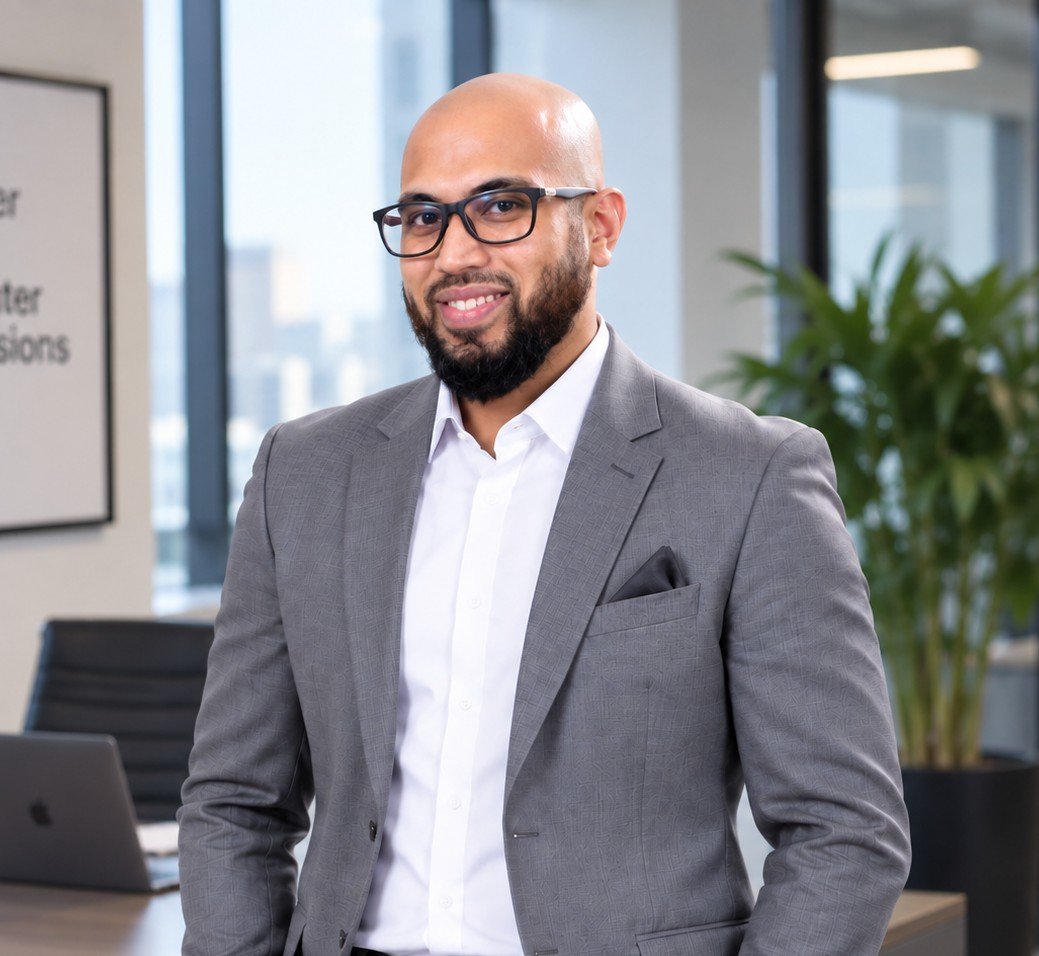
Nasehuddin Mohammed is the Co-Founder and Head of Technology at Zawjaan, where he leads product quality and the platform’s technological development. His work spans user experience and interface development, matchmaking strategies, and community-centred communication experiences designed to help Muslims build serious, marriage-minded connections.