

Meet Mangochi Muslim Men Online
For many Muslim women in Mangochi, online platforms have become a practical way to meet Muslim men for marriage. Dedicated matrimonial websites and apps allow you to filter by location, piety, and family values, making it easier to identify compatible prospects. When creating your profile, be honest about your intentions and what you seek in a husband. Trusted spaces like Zawjaan prioritise privacy and halal interaction, helping you connect with serious-minded Muslim brothers from Mangochi while avoiding the pitfalls of casual social media.
Mangochi Muslim Men for Marriage
Marriage in Mangochi’s Muslim community is a sacred union that brings families together and strengthens social bonds. The process typically involves family approval, negotiation of mahr, and a Nikah ceremony that is both a religious and communal celebration. For Muslim women, understanding the local expectations around marriage is essential. Whether you are introduced through relatives or meet online, the goal is to find a spouse who shares your faith and commitment to building a home grounded in Islamic principles.
Halal Dating with Mangochi Muslim Men
Halal dating in Mangochi means getting to know a potential spouse within the boundaries set by Islam. This involves involving a wali or trusted family member from the start, avoiding seclusion, and keeping interactions respectful and purposeful. In the Malawian context, this often means meeting in public places such as a café or at a relative’s home. The focus is on discussing your values, lifestyle, and future plans, rather than engaging in casual romance.
Islamic Nikah in Mangochi
The Nikah is the Islamic marriage contract that formalises your union before Allah. In Mangochi, the ceremony is often conducted at a mosque or at the bride’s home, with an Imam presiding. The practice includes specifying the mahr, a gift from the groom to the bride, which is a vital part of the contract. Muslim women should ensure that the Nikah is properly documented and registered with the Malawian authorities to guarantee legal recognition.
Halal Chat with Mangochi Muslim Men
Halal chat refers to respectful conversation between a Muslim man and woman who are considering marriage. In Mangochi, this often happens through messaging on matrimonial platforms or with a family member present. The tone should be formal and purposeful, focusing on topics like religious practice, career aspirations, and family life. Avoid unnecessary flirting or lengthy private conversations that could lead to fitnah, and always keep the intention of finding a spouse in mind.
Mangochi Muslim Singles and Community Networks
There are many eligible Muslim men in Mangochi who are serious about marriage. Many are involved in fishing, small-scale trade, or work in the tourism industry along Lake Malawi. Others may have studied abroad or moved to larger cities like Blantyre for work. For Muslim women, the challenge is often identifying which of these men are genuinely ready for marriage. Engaging with the local mosque community, attending Islamic events, and using online platforms designed for Muslim matrimony can help you connect with sincere candidates.
Marriage Proposals and Khitbah in Mangochi
When a Muslim man in Mangochi wishes to propose, he will typically approach the woman’s family directly. This can happen after an initial introduction at a community event or through online communication, but the formal proposal is made to the wali. The imam or an elder may facilitate the process. For Muslim women, it is important to involve your family early and seek their guidance, as their support is crucial in ensuring the proposal aligns with Islamic and cultural expectations.
Physical Appearance of Mangochi Muslim Men
Physical appearance often matters when selecting a spouse, but it should not overshadow other qualities. In Mangochi, men are generally attracted to modest, well-groomed appearances that reflect Islamic values. Remember that beauty is relative and depends on personal preferences. Focus on what you truly want in a partner rather than societal standards.
Skin, Hair and Eye Colour
Skin, hair, and eye colour are minor considerations in a marriage that should be based on piety and shared goals. Mangochi’s Muslim community is diverse, with many men of Yao, Chewa, and other ethnic backgrounds, so you will encounter a range of features. Rather than fixating on complexion or eye colour, look for someone whose presence pleases you and whose character inspires respect.
Occupation and Profession
Many Muslim men in Mangochi work as fishermen, subsistence farmers, traders, or in small businesses. Others are employed in the tourism sector, education, or health services. Some younger men seek work in urban centres, which can affect family stability. When considering a prospective husband, discuss his occupation and income realistically. It is wise to seek a man who is hardworking and able to provide, but also open to supporting your ambitions.
Height
Height is often a personal preference. In Mangochi, many Muslim men are of average height, so a man around 5 feet 9 inches or approximately 175 centimetres is common. Focus instead on whether his stature contributes to a sense of protection and comfort. Physical height is trivial compared to his commitment to faith and family.
Ethnicity and Nationality
Ethnicity can be a factor in marriage decisions, but it should not be a barrier. In Mangochi, the majority of Muslims are Yao, known for their deep-rooted Islamic heritage. There are also Chewa and other ethnic groups who are part of the Muslim community. A shared faith often overrides ethnic differences. When considering a match, respect cultural traditions but prioritise religious compatibility and personal values.
Compatibility with Mangochi Muslim Men
Compatibility is the foundation of a successful marriage. It involves alignment in religious practice, culture, lifestyle, and future goals. In Mangochi, this often means sharing similar views on community life, family obligations, and the role of faith in daily decisions.
Religious Alignment
Both partners should agree on the level of religious practice they expect in their daily lives. Mangochi’s Muslim community is generally devout, but interpretations can vary. Discuss how you will pray, fast, and celebrate Islamic occasions together. Ensure that your prospective husband supports your faith journey and is willing to grow together in deen.
Cultural Compatibility
Despite a shared Muslim identity, cultural norms can differ between ethnic groups. In Mangochi, the Yao practice their own customs for weddings and family life, while other communities may have distinct traditions. Being open to learning and adapting can ease these differences. Look for a man whose family is welcoming and whose customs you can respect.
Local Muslim Culture
Mangochi’s Muslim culture is heavily influenced by the Yao, with strong ties to the Swahili coast. Friday prayers and Quranic studies are central to community life. Women often play a role in preserving these traditions. If you are not from the area, be prepared to embrace local expressions of Islam while also maintaining your personal religious habits.
Ideological Viewpoints
Muslim communities can differ in their religious and political outlooks. In Mangochi, traditional Sufi practices coexist with more literal interpretations, and you may also encounter men with modern educational backgrounds. Discuss your Islamic scholarly preferences and political views on issues affecting Malawi. Mutual respect to discuss differences is vital for a peaceful marriage.
Lifestyle Compatibility
Consider how a man spends his leisure time, his approach to money, and his attitude towards household duties. In Mangochi, many men are involved in communal activities, such as fishing cooperatives or mosque projects. Determine whether your lifestyle expectations align, from daily routines to social commitments.
Family Expectations
Family involvement in marriage is significant in Mangochi. A husband may expect your family to play an active role in your married life, and you’ll likewise be woven into his extended family. Discuss expectations regarding living arrangements, support for parents, and how you will handle conflicts between families.
Marriage Goals
What do you both want from the marriage? For most Muslim brothers in Mangochi, the goal includes raising children in faith and maintaining a close-knit family. Some may also pursue education or business ventures. Ensure your aspirations, whether concerning family size, career support, or relocation, are openly shared.
Relationship Expectations
It is important to be clear about how you expect to relate to each other as husband and wife. In Mangochi, traditional gender roles are often observed, with the husband as the provider and the wife managing the home. However, many couples now share responsibilities. Talk about communication, mutual respect, and how you’ll make decisions together.
How to Find Muslim Men in Mangochi
To find Muslim men in Mangochi, start by attending events at local mosques and Islamic centres. Ask family and friends for introductions. You can also use online matrimonial services like Zawjaan, which allow you to search specifically for Mangochi Muslim men. Be patient and involve your wali in the process.
1. Create a clear marriage profile
Phase 1: Profile CreationCreate a profile that highlights your faith, family background, and intentions. Include clear expectations for marriage, and ensure your wali approves your involvement in the platform.
2. Search locally and realistically
Phase 2: Local DiscoverySet your search to the Mangochi region and nearby areas. Use filters for religious practice and education. Review profiles carefully, prioritising those that exhibit seriousness and shared values.
3. Begin respectful halal chat
Phase 3: Compatibility ScreeningInitiate chat respectfully, involving a mahram where possible. Keep conversations focused on discovering compatibility in deen and lifestyle. Avoid any prohibited topics or excessive flirting.
4. Arrange a public meeting
Phase 4: Face-to-Face CourtshipWhen comfortable, arrange to meet in a public, safe place like a halal café. Have a mahram or family member present, and keep the discussion purposeful, focusing on marriage matters.
5. Introduce both families
Phase 5: Family MeetingAfter mutual interest is confirmed, introduce the family. Arrange a formal meeting where both families can discuss values, expectations, and future plans. Seek parental blessings and guidance.
6. Prepare the legal documentation
Phase 6: Legal DocumentationIn Malawi, civil marriage is regulated by the Marriage Act. The Nikah is not automatically legally binding, so you may need to register the union civilly. Visit the district commissioner’s office or seek legal advice.
7. Complete the Islamic Nikah
Phase 7: Marriage ContractPlan the Nikah ceremony with an Imam at a local mosque or Islamic centre. Agree on the mahr, and ensure witnesses are present. The imam will also provide guidance on the Islamic requirements.
Frequently Asked Questions
How can Muslim women meet Mangochi Muslim men for marriage?
Start by connecting with the local mosques and Islamic centres, where community events are often held. Consider using matrimonial platforms that cater to Muslims and allow you to search by location. Getting introduced through family or trusted elders is also common and respected.
What should Muslim women know about the Nikah process with Muslim grooms in Mangochi?
In Mangochi, the Nikah is usually performed by an Imam, either at a mosque or at home. It requires the bride’s consent, a mahr, and two witnesses. Ensure the Nikah is documented and, if needed, registered with the Malawian authorities to ensure legal validity.
Are there specific qualities that Muslim men in Mangochi look for in a wife?
Muslim brothers in Mangochi generally value piety, modesty, and family orientation. They appreciate a wife who is supportive and willing to embrace community traditions. Education and career are also respected, but religious commitment often takes priority in long-term matches.
How long does it take to find a suitable Muslim groom in Mangochi?
It varies greatly. Some women find a match within a few months through family networks, while others may take longer. Being clear about your criteria and proactively seeking introductions via mosques and online platforms can increase your chances of a compatible match.
What challenges do Muslim women face when searching for Muslim men in Mangochi?
A common challenge is the small pool of highly educated single men, as many may be studying or working in urban centres. Additionally, balancing family involvement with personal choice can be tricky. Patience and open communication are key to overcoming these hurdles.
About the Author
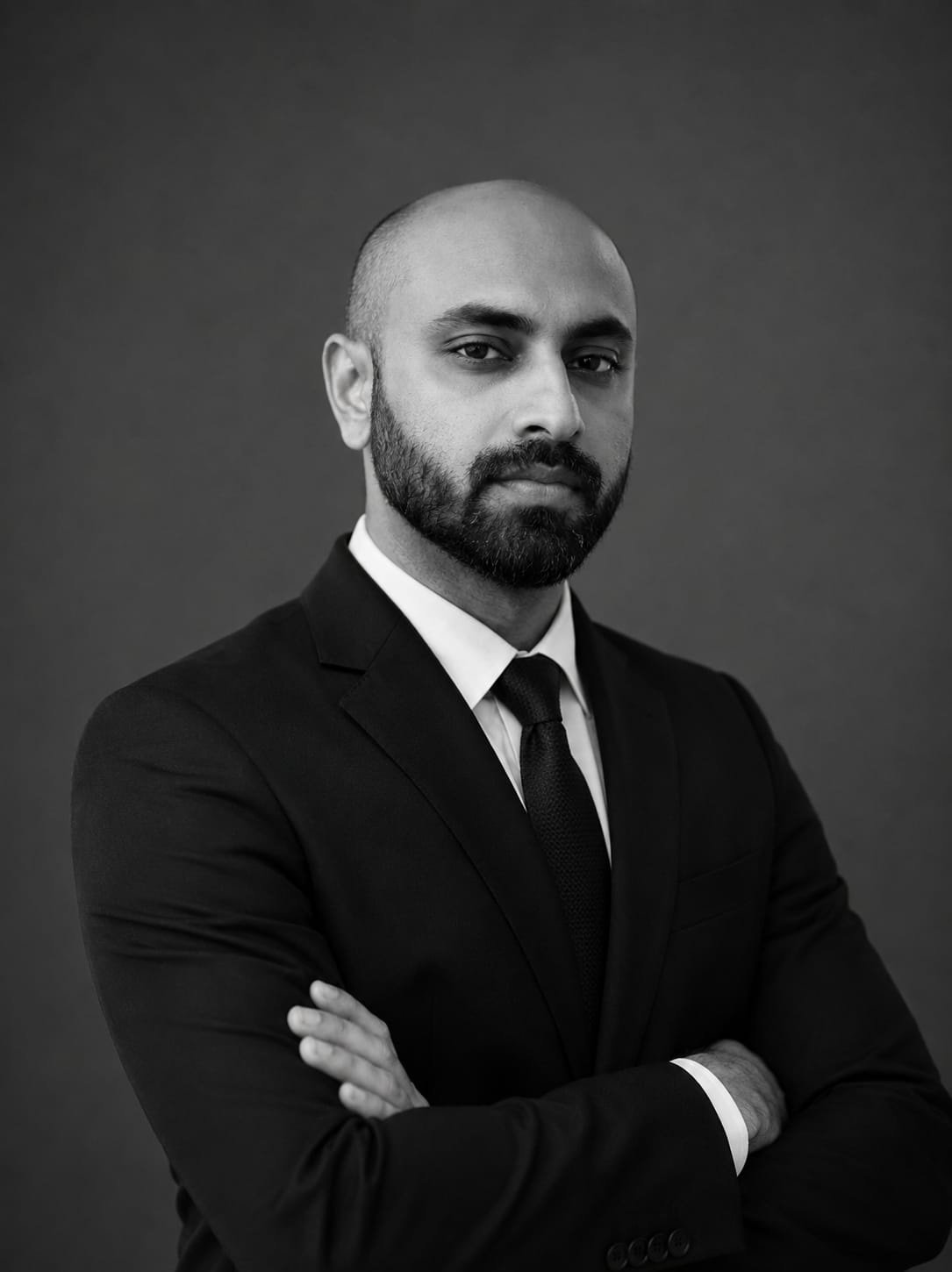
Arfan Shariff is the Co-Founder and Head of Operations at Zawjaan, overseeing platform operations, public relations and strategic partnerships. Drawing on his experience in community engagement, Arfan helps shape Zawjaan’s trusted, faith-centred and user-focused approach to Muslim matchmaking, promoting compatibility, authenticity and meaningful lifelong marriages.