

How to Gauge Serious Marriage Intent in Malawian Men
Understanding a man’s seriousness early protects your time and emotional energy. In Malawi’s close-knit Muslim communities, word travels fast, so clear intentions are essential.
He should initiate conversations about marriage within the first few exchanges, not after months. A serious man knows what he wants, especially at a certain age.
Ask open questions about his timeline for nikah, his living arrangements, and his willingness to involve his family. Notice if he gives clear answers.
A man who is serious will also respect your boundaries and avoid vague promises. He will seek to know about your deen and your own family expectations.
Watch how he speaks about previous relationships and his reason for marrying now. His motivation should align with Islamic principles, not social pressure.
In Malawi, where Muslims often live among wider communities, a serious suitor will ensure his intentions are known to both families from the start.
- He references marriage, nikah, or family plans naturally within early conversations.
- He offers to speak with your wali or family after a few respectful meetings.
- He asks practical questions about living arrangements, work, and moving to Malawi.
- He avoids discussions that are purely casual or that deflect from marriage topics.
- He seeks guidance from a trusted sheikh or community leader regarding the match.
Signs He Is Not Ready
Be wary if he constantly postpones family introduction or says he is ‘not ready yet’ after months of talking.
He may show interest in badal (casual conversation) rather than meaningful topics that build a halal foundation.
If he avoids discussing mahr or future responsibilities, he may not be prepared for the commitments of marriage.
- He talks about marriage ‘in the future’ without any proposed timeframe.
- He is hesitant to share his family background or introduce you to his parents.
- He expects emotional intimacy without fulfilling the proper Islamic procedures.
Understanding the Muslim Community Context for Husbands in Malawi
Malawi’s Muslim community, though a minority, is active and organised, with deep roots in trade and education. Understanding this context helps you evaluate a man’s integration into his community.
Islam in Malawi has a rich history, with Muslim populations in major cities like Lilongwe and Blantyre, as well as in southern districts such as Machinga and Mangochi.
Most Malawian Muslims belong to the Sunni tradition, and many attend Friday prayers at central mosques that also serve as community hubs.
A man’s participation in community events, such as Eid prayers or Islamic classes, is a strong indicator of his commitment to the deen beyond mere labels.
In smaller towns, family reputation and community observation play a large part in matchmaking. A serious man will have a good standing among his peers.
Understanding the local demographic helps you anticipate practical aspects of daily life, such as available halal food options and Islamic schools for future children.
- Attending regular congregational prayers at the local mosque.
- Involvement in Muslim student associations if he is a university graduate.
- Participation in jumu’ah and Eid gatherings, showing social responsibility.
- Knowledge of local imams and scholars, indicating community trust.
- Awareness of Islamic educational resources available in Malawi.
Regional Variations
In Lilongwe, you are likely to encounter Muslim men from diverse ethnic backgrounds, making the community more cosmopolitan.
In contrast, areas like Mangochi may have a more traditional, closely connected Muslim population, where family ties are stronger.
Consider how a man’s regional background affects his expectations for family relations and his preferred lifestyle.
Deen, Character, and Compatibility: What to Look for in a Malawian Groom
The foundation of a lasting marriage is shared faith and strong character. When evaluating a potential husband, his deen must be visible in his actions, not just his words.
Observe how he prays, whether he is punctual, and how he speaks about Islam. A man who treats his faith sincerely will likely treat his wife with fairness.
Character, or akhlaq, is displayed in his honesty, patience, and kindness, especially when he faces stress or disagreement.
Compatibility goes deeper than a shared ethnicity or language; it encompasses his attitude toward family roles, finances, and future plans.
Ask him about his understanding of the rights of a wife in Islam. His answer tells you about his marital philosophy.
In Malawi, where men may face economic pressures, his character in seeking lawful provision is a critical assessment.
- He performs the five daily prayers consistently and encourages you to do likewise.
- He is known among his community to be truthful in business and personal dealings.
- He expresses willingness to learn and improve his Islamic knowledge.
- He treats his family, especially his mother, with respect and care.
- He is clear about his financial responsibilities as a provider, not luxury.
Assessing His Prayer and Deen
While you cannot directly observe his private prayers, you can ask about his prayer routine and his involvement in mosque activities.
A man who regularly attends jumu’ah and seeks religious knowledge is often more grounded in his faith.
His respect for halal earning and avoiding riba-based dealings also speaks volumes about his deen.
- Ask about his religious mentors or scholars he follows.
- Inquire about the Islamic content he consumes, such as lectures or books.
- Notice how he handles discussions about finances and contracts, ensuring they are halal.
Family Expectations and Involvement in Malawian Marriages
In Malawi, marriage is rarely a private affair. Both families often play a significant role, and understanding these expectations is vital for a smooth nikah.
Malawian culture, regardless of religion, places high value on extended family relationships. His parents’ approval is likely essential to the match.
You must prepare to interact with his family in a manner that reflects Islamic values of respect and kindness.
His family may expect to meet your family in person, often through a formal introduction called ‘kupala’ in some cultures, though customs vary.
A serious Malawian man will involve his parents or guardians early in the process, seeking their blessing before proceeding.
You should also involve your own wali and family, as Islam requires their consent for a valid marriage.
- Initiate a meeting between the two families, either in person or via video, to discuss mutual expectations.
- Ask him directly about his family’s views on the marriage and how they will support the new household.
- Clarify logistical aspects such as where the wedding will take place and if there are any traditional pre-wedding ceremonies.
- Discuss how both families will be involved after the wedding, particularly in matters of childrearing and finances.
The Role of the Wali in Malawi
Every Muslim woman must be represented by a male guardian during the nikah contract, as per Islamic law.
In Malawi, the wali often liaises between the two families, reducing potential misunderstandings.
Ensure that your potential husband is comfortable with your wali’s involvement; this signals his respect for Islamic practices.
Halal Communication and the Path to Nikah for Malawian Men
Communication before marriage must adhere to Islamic boundaries. On Zawjaan, you can engage purposefully without compromising your faith.
Conversations should be conducted with respect and modesty, keeping the intention on marriage and compatibility.
Avoid private chats without a third party, especially when initial messages, as this aligns with Islamic principles.
Ask meaningful questions about his life goals, religious understanding, and family values to assess his suitability.
The focus should remain on marriage-based intention, not entertainment or long-term emotional attachment without commitment.
A good sign is when a man proposes meeting with your family or wali shortly after establishing basic compatibility.
- Use platforms like Zawjaan that emphasise matrimonial intent.
- Include a family member or trusted friend in early video calls.
- Keep your conversations guided by an agenda of questions related to nikah and future life.
- Avoid discussing topics that might lead to unnecessary emotional attachment or fitnah.
First Video Call Tips
During your first video call, keep the conversation focused on getting to know each other’s fundamental beliefs and lifestyles.
Have a list of questions ready to avoid awkward silences and to efficiently gather important information.
Observe his demeanour, his environment, and how he interacts with others if he is at a family gathering.
- Prepare questions about his daily routine, especially his prayer times.
- Ask about his work schedule and how he balance his professional and religious duties.
- Discuss his family background, including his parents and siblings.
- Inquire about his expectations for financial management in marriage.
Marriage-Focused Online Matchmaking to Find a Malawian Husband
Zawjaan is designed to serve serious Muslims, and Malawi is no exception. Our platform helps you connect with potential husbands who align with your Islamic values.
Zawjaan filters allow you to search specifically for Malawian Muslim men, whether they are in the country or the diaspora.
Every profile encourages clarity about intentions, reducing the likelihood of casual users.
You can take your time to review a man’s background, interest, and family information presented in a respectful manner.
Our platform encourages family involvement by providing features that allow you to include your wali in conversations.
Purposeful chat tools help you progress naturally from initial contact to discussing official marriage steps.
- Set your search preferences to Malawi and define the qualities essential for your future husband.
- Use the detailed profile sections to understand his religious practice and schooling.
- Benefit from the ‘Wali Access’ feature, which allows your guardian to observe conversations for transparency.
- Take advantage of the chat translation feature if language barriers arise, though English is widely used in Malawi.
How Zawjaan Works in Malawi
Create a profile that honestly reflects your faith and your intention for marriage.
Search for Malawian men who meet your criteria and initiate conversations with a polite and respectful first message.
Gradually involve families and use the platform to schedule video calls with proper Islamic decorum.
- Create your profile with clear information about your location, education, and religious practices.
- Browse profiles of Malawian men who are verified for their seriousness.
- Send a short, respectful introduction indicating your interest and purpose.
- If the conversation progresses, agree to involve your respective families and proceed under Islamic guidelines.
Nikah and Mahr Essentials for Malawian Muslim Grooms
Understanding the Islamic marriage contract is vital when evaluating a Malawian potential husband. Here is what you should know.
The nikah is the sacred agreement that binds you and your potential husband before Allah. In Malawi, the ceremony usually takes place at a mosque or in the bride’s home.
The mahr is the gift the groom gives to the bride as her exclusive right. It is a sign of his seriousness and ability to provide.
Discuss mahr openly and respectfully. It can be money, gold, or any valuable agreed upon by both families.
In Malawi, the nikah may be followed by a wedding celebration, but the religious ceremony remains the core of the marriage.
Ensure that the wali is present during the nikah. This is a fundamental requirement for a valid Islamic marriage.
- Discuss the mahr amount and type early in the marriage discussions.
- Confirm that the nikah will be conducted according to Sunni or Shia practice as per your family’s tradition.
- Arrange for a knowledgeable imam or scholar to officiate the nikah.
- Clarify the roles and responsibilities of both families in the wedding celebrations.
Practical Marriage Preparation
Before the nikah, you and your potential husband should take part in premarital counselling. Many mosques in Malawi offer it.
Counselling sessions cover communication, financial planning, and conflict resolution. They prepare you for married life.
- Attend at least two sessions with an imam or certified counsellor.
- Register your marriage with the Malawian authorities after the nikah, if required.
- Plan the wedding budget together to avoid financial strain.
Cultural Diversity Among Malawian Muslim Men
Malawi is home to various ethnic groups and cultures. A potential husband’s background may shape his family customs, but Islam unites you.
The Yao people are the largest Muslim ethnic group in Malawi, but there are also Muslims from Chewa, Lomwe, and others.
Cultural practices such as wedding ceremonies and family roles may differ, but avoid stereotyping based on ethnicity.
Each family interprets Islam within its cultural context. Learn about his specific background, but also judge his character and deen.
Respect for elders is common across Malawian cultures. This influences family decision-making and marriage dynamics.
Ask direct questions about his family expectations, such as how often to visit relatives and involvement in extended family matters.
- Cultural customs are not Islamic law; evaluate them against Quran and Sunnah.
- Understand that regional differences may affect language, dress, and food.
- Discuss how cultural traditions will be balanced with Islamic principles in your household.
Language and Communication Styles
Chichewa is widely spoken, but Arabic and other languages may also be used. Effective communication is vital for a strong marriage.
Discuss which languages you will use at home, especially if you come from different backgrounds.
- If you do not speak Chichewa, consider learning basic phrases to connect with his family.
- Agree on a common language for important discussions, such as finances and child-rearing.
Malawian Cuisine and Hospitality for Muslim Men
Food is a central part of Malawian culture and family gatherings. Understanding it helps you connect with a potential husband’s home.
A typical Malawian meal may include nsima, a maize-based staple, served with fish, meat, and vegetables.
In Muslim households, all meat must be halal. Ask about the halal status of local restaurants and butchers.
Rice and curry dishes are common in coastal areas like Mangochi, influenced by Swahili culture.
During gatherings, guests are often served tea and snacks. Hospitality is a sign of respect and honour.
If you have dietary preferences, communicate them early. A serious husband will accommodate your needs.
- Learn to prepare a few Malawian dishes as a way to show respect for his culture.
- Inquire about halal food availability in his city, especially if you plan to relocate.
- Expect meals to be shared communally, emphasising unity and togetherness.
Cooking Together and Food Traditions
Cooking together can be a bonding activity before marriage. It reveals cooperation and communication styles.
Understand that his mother may have specific recipes. Showing interest can build a strong relationship with your in-laws.
- Share your own family recipes and culture through food.
- During Eid, prepare special dishes together to celebrate.
Eid Celebrations and Dress Traditions for Malawian Men
Eid is a joyful time for Muslim families in Malawi. Knowing how it is celebrated helps you appreciate the community and your future role.
Eid al-Fitr and Eid al-Adha are marked with prayers, feasts, and visiting relatives and friends.
On Eid morning, men wash, wear their best clothes, and attend the congregational prayer at the mosque.
In Malawi, it is common to wear new clothes, often traditional African attire or a thobe, for the occasion.
Women usually wear elegant dresses or hijab, but men’s fashion also reflects modesty and celebration.
After prayers, families visit each other, share meals, and give gifts to children. Hospitality is key.
If you are marrying a Malawian man, ask about his family’s Eid traditions. They may include special prayers or community gatherings.
- Respect that Eid is a time for family and community–prioritise visiting in-laws.
- Discuss how you will split time between your families during Eid holidays.
- Prepare traditional sweets and dishes for Eid to share with his family.
Dress Modesty for Men and Women
Men wear modest clothing that covers the body from navel to knee, but often wear trousers and shirts.
As a wife, you may wear a hijab and modest dresses. Respect each other’s preferences and cultivate a home that honours Islamic modesty.
- Talk about dress expectations in public and at family events.
- Avoid imposing cultural dress from your own country on your husband; mutual respect is key.
Approaching Family and Community as a Malawian Bride
Family involvement is central in Malawi. Knowing how to approach his parents and community is essential for a smooth journey.
In Malawi, marriage is a union of families, not just individuals. Expect his parents to be involved in the process.
Traditionally, the groom’s family visits the bride’s family to ask for her hand. This shows respect and seriousness.
As a potential wife, you may not always speak directly to his father; communication may go through his mother or an intermediary.
Show respect to his elders, even if you disagree on some matters. It builds trust and goodwill.
In urban areas like Lilongwe and Blantyre, some customs are relaxed, but family approval still matters.
A sincere groom will manage his family’s expectations and advocate for your well-being.
- Ask your potential husband to arrange a meeting with his parents early.
- Learn basic courtesies, such as greeting elders with a respectful bow or handshake.
- Be open to discussions about bride price or mahari, and ensure it does not conflict with Islamic mahr.
- Endeavour to build a relationship with his siblings and extended relatives.
Handling Cultural Differences in Engagement
Some Malawian Muslim families may combine cultural practices with Islamic rites. Discuss what is acceptable with your potential husband.
If you are from a different cultural background, explain your traditions kindly and find a middle ground.
- Request a meeting in a neutral place, like a mosque or restaurant, if needed.
- Be patient; family discussions may take multiple visits.
Relocation, Marriage Readiness, and Next Steps for Malawian Husbands
Marriage often involves relocation, either within Malawi or internationally. Assess practical aspects with your potential husband.
If you live in a different city, discuss where you will reside after marriage. Many couples move to the husband’s city.
He should be ready to provide accommodation, whether rented or owned. Financial stability is a key sign of marriage readiness.
Consider job opportunities for both of you. Lilongwe and Blantyre offer more employment prospects than rural areas.
If you are coming from abroad, understand visa requirements and the process of settling in Malawi.
Also consider the reverse: if he moves to your country, he must obtain work and residency permits.
A mature husband will have a realistic plan for housing, income, and family support.
- Set a timeline for relocation and discuss milestones before the nikah.
- Budget for moving costs and initial household setup.
- Check the availability of mosques and halal food in your intended city.
- Seek guidance from an imam or marriage counsellor on handling long-distance engagement.
- Use Zawjaan’s purposeful Chat to understand each other’s expectations before meeting.
Assessing Marriage Readiness
Marriage readiness involves emotional, financial, and spiritual preparedness. He should be emotionally available and committed.
Ask about his career plans, savings, and how he handles stress. Open communication indicates readiness.
- Discuss how you will manage finances, including joint accounts if desired.
- Agree on how you will share household duties and childcare.
- Make a joint dua for Allah’s guidance in this important step.
How to Assess Malawian Muslim Men for Marriage
A marriage-focused process for Muslim women assessing a Malawian Muslim man in Malawi for serious Islamic marriage.
- Confirm serious marriage intention: Clarify that the Malawian Muslim man is seeking marriage rather than a casual relationship, and establish clear halal communication boundaries from the beginning.
- Assess deen and character: Consider religious commitment, honesty, temperament, responsibility and consistency, rather than relying only on attraction or online conversation.
- Involve family or wali appropriately: Bring trusted family members or a wali into the process at a suitable stage so intentions, character and practical expectations can be assessed transparently.
- Discuss marriage expectations: Talk clearly about mahr, finances, work, housing, family roles, children, location and other responsibilities that could affect long-term compatibility.
- Agree the route towards Islamic nikah: If compatibility is strong, agree practical next steps for family discussions, any necessary civil requirements and preparation for an Islamic nikah.
Frequently Asked Questions
How do I know if a Malawian Muslim man is serious about marriage?
A serious man will involve his family early, initiate talks with your wali, and clarify practical matters such as housing and mahr. He will also communicate consistently and respect halal boundaries. Look for consistency between his words and actions.
Is the mahr discussed openly in Malawi?
Yes, the mahr is a standard part of the nikah. It is discussed between families and may be deferred or immediate. It should be agreed upon respectfully and in line with Islamic guidelines.
What if his family wants a large bride price in addition to mahr?
Bride price (mahari) is a cultural practice that may be separate from mahr. Islamically, mahr is obligatory, but cultural bride price is not. Discuss with him and your wali to ensure any cultural practices do not burden you or contradict Islamic principles.
Can I use Zawjaan to find a Malawian husband while living abroad?
Absolutely. Zawjaan facilitates halal communication with marriage-minded men. You can engage in purposeful chat to learn about his character and intentions before involving families.
How do we handle family expectations about living near his parents after marriage?
It is common for Malawian couples to live with or near the husband’s parents. Discuss expectations openly and agree on a compromise, such as living nearby but independent. Prioritise open communication and mutual respect.
What should I wear for Eid if I marry a Malawian Muslim?
Modest clothing is key. You can wear a hijab and modest dress or traditional African attire that covers appropriately. His family will appreciate respect for local customs while maintaining Islamic modesty.
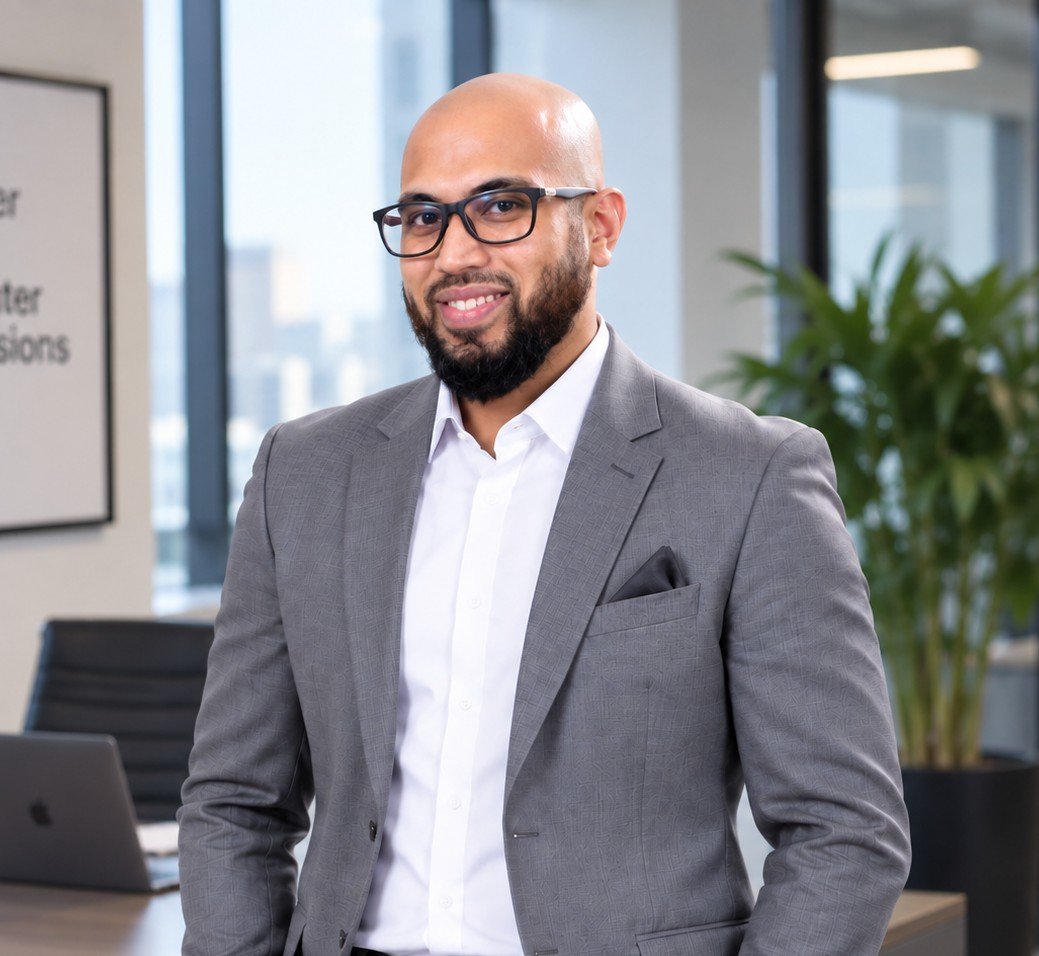
About the Author
Nasehuddin Mohammed is the Co-Founder and Head of Technology at Zawjaan, where he leads product quality and the platform’s technological development. His work spans user experience and interface development, matchmaking strategies, and community-centred communication experiences designed to help Muslims build serious, marriage-minded connections.