



Meet Ismailia Muslim Men Online
For Muslim women in Ismailia, meeting potential suitors online offers a practical way to connect with serious Muslim men while maintaining Islamic etiquette. Platforms like Zawjaan allow you to create a profile that reflects your values and preferences, and to search for Ismailia Muslim men who share your commitment to marriage. Online interaction should begin with modest, respectful conversation, involving family at the appropriate time, and using halal chat methods that keep the process transparent and dignified. Many Ismailia Muslims appreciate this modern approach as it respects traditional values while expanding the pool of possible matches.
Ismailia Muslim Men for Marriage
Marriage in Ismailia is deeply rooted in Islamic principles and Egyptian family traditions. For Muslim women, the goal is to find a Muslim man who is religiously committed, financially stable, and ready for the responsibilities of a husband. The process typically involves family involvement, from the initial introduction to the formal proposal (Khitbah) and Nikah. In Ismailia, many families prefer to engage through mutual acquaintances or reputable matchmaking services, ensuring that the union is built on mutual respect, shared faith, and the support of both families.
Halal Dating with Ismailia Muslim Men
Halal dating for Ismailia Muslim men means getting to know a potential spouse in a way that respects Islamic boundaries. This involves chaperoned meetings, often with a mahram present, and conversations that stay within the limits of modesty. In Ismailia, couples might meet at a halal cafe or a family home, always with the intention of marriage. The focus is on assessing compatibility in faith, character, and lifestyle, while avoiding any physical or emotional intimacy before Nikah. This approach ensures that the relationship pleases Allah and maintains family honour.
Islamic Nikah in Ismailia
The Nikah is the sacred Islamic marriage contract that formally unites a Muslim man and woman. In Ismailia, the Nikah is often performed at a mosque or in the bride's home, with a qualified imam presiding. For a Muslim woman marrying an Ismailia Muslim man, it is essential to ensure the Nikah is valid according to Islamic law, which includes the consent of both parties and the presence of witnesses. Many couples also complete a civil marriage registration in Egypt to secure legal rights. Properly preparing for the Nikah helps establish a blessed and secure marriage.
Halal Chat with Ismailia Muslim Men
Halal chat between potential spouses is an important part of getting to know each other without crossing Islamic boundaries. For Ismailia Muslim men, this means engaging in conversations that are respectful, purposeful, and free from flirtation. Using a platform like Zawjaan provides a safe space for such chats, where the intention of marriage is clear. Couples can discuss their religious practices, family expectations, and life goals. In Ismailia, it is common for families to stay involved in these conversations, ensuring that the interaction remains honourable and aligned with local customs.
Ismailia Muslim Singles and Community Networks
Ismailia is home to a diverse Muslim community, where single men and women often meet through family connections, community events, and increasingly through online platforms. For Muslim women seeking Ismailia Muslim men, it is helpful to engage with the local community by attending mosque activities, cultural events, and volunteer opportunities. The city's universities and workplaces also offer natural settings for meeting like-minded individuals. However, the most effective and respectful way is often through a purposeful matchmaking service that prioritises serious marriage intentions.
Marriage Proposals and Khitbah in Ismailia
In Ismailia, the proposal (Khitbah) is a formal step where the man's family asks for the woman's hand in marriage. For a Muslim woman, receiving a proposal from a respected Ismailia Muslim man is a moment of joy and responsibility. The proposal is typically made after both families have done their due diligence, respecting the couple's compatibility. It is customary to discuss the mahr (dowry), living arrangements, and future plans. The engagement period allows the couple to get to know each other within halal boundaries, with the full support of their families.
Physical Appearance of Ismailia Muslim Men
When considering Ismailia Muslim men, you may notice a variety of appearances, reflecting the city's diverse heritage. Some men have fair skin, others have darker or olive tones, with hair colours ranging from black to brown. Features vary greatly, and many men take pride in a neat and modest appearance, often keeping beards as a sign of religious devotion. Remember that beauty is relative and depends on personal preferences. Focus on what you truly want in a partner rather than societal standards.
Skin, Hair and Eye Colour
Skin, hair, and eye colour among Ismailia Muslim men vary widely due to the city's position at the crossroads of Egypt's diverse population. You might meet men with deep brown eyes, green, or even blue eyes, and hair that is jet black, dark brown, or occasionally lighter. These physical attributes are not as important as the character and religious commitment of the man. In Egyptian culture, a person's lineage and family background often carry more weight than surface features, so consider the whole person rather than focusing solely on colour.
Occupation and Profession
Ismailia's economy is strongly linked to the Suez Canal, with many men working in maritime logistics, engineering, and the canal authority. Others are employed in agriculture in the surrounding fertile lands, while many are professionals in education, health, and technology. When getting to know Ismailia Muslim men, it is wise to ask about their career stability and ambitions, as this affects marriage planning. A man's occupation often reflects his ability to provide for a family, a key consideration in Islamic marriage.
Height
Height is a personal preference for many women. There is no Islamic requirement on height, and compatibility in character and faith is far more important. In Ismailia, you may meet men of average height, with a typical range being from around 5 feet 5 inches to 5 feet 11 inches. For reference, 5 feet 9 inches or approximately 175 centimetres is a common height among Egyptian men. Focus on finding someone who makes you feel comfortable regardless of height.
Ethnicity and Nationality
Ismailia Muslim men come from a mix of Egyptian backgrounds, including families from Lower Egypt, Upper Egypt, and also some with Bedouin or Nubian roots. The city's location along the Suez Canal has also attracted people from other Arab countries and even further afield. This diversity means you can find men with various cultural traditions and family practices. While ethnic background may influence family customs, shared faith and values are the true foundation of a successful marriage.
Compatibility with Ismailia Muslim Men
Compatibility is the cornerstone of a successful Islamic marriage. For Ismailia Muslim men and the women who seek them, it is essential to evaluate this compatibility across several dimensions, from religious practice to lifestyle. This section outlines key areas to discuss and consider as you get to know a potential spouse.
Religious Alignment
Shared religious values are critical. Discuss your dedication to the five daily prayers, fasting, and other obligations. In Ismailia, many Muslim men are actively involved in local mosque communities. Consider their level of religious knowledge and their commitment to growing spiritually together. Your prayers and worship styles should align to avoid future friction.
Cultural Compatibility
Even within Egypt, cultural norms can vary. An Ismailia Muslim man may have different customs than your family, especially if you come from another city. Discuss how holidays, family gatherings, and daily routines are observed. Is he open to blending traditions? Respecting each other's cultural backgrounds is key, while ensuring that Islamic values remain central.
Local Muslim Culture
Ismailia has a distinct Muslim culture shaped by its canal city history and diverse population. Community life often revolves around mosques and social clubs. Reflect on whether you are comfortable with the local mix of Egyptian traditions and the more cosmopolitan influences. Some families are more conservative, while others are more liberal. Find a man whose local cultural expressions resonate with you.
Ideological Viewpoints
Muslim men in Ismailia may follow various schools of Islamic thought (madhhabs) or hold different views on contemporary issues. It is wise to discuss topics such as the role of women in society, education, and joint decision-making. Ensure that your fundamental viewpoints on essential religious and social matters are aligned to prevent later disagreements.
Lifestyle Compatibility
Daily habits and long-term lifestyle plans matter. Does he prefer a quiet home life or social gatherings? Does he enjoy outdoor activities like visiting the Nile or the Red Sea nearby? Discuss expectations around meals, sleep schedules, and leisure. Also, consider how his career and potential work hours will affect your time together.
Family Expectations
In Egyptian culture, family plays a huge role. Discuss what he expects regarding his family's involvement in your marriage. Will you live with extended family? How will you handle visits and financial support? It is crucial that you both have realistic expectations and agree on boundaries that maintain harmony.
Marriage Goals
Align on the purpose of your marriage. Are you both seeking to build a home based on Islamic principles? Do you desire children, and if so, how soon? What are your educational and career aspirations? For Ismailia Muslim men, family and community respect are often important goals. Ensure that your visions for the future are compatible.
Relationship Expectations
Clarify how you expect to communicate and resolve conflicts. In a healthy Islamic marriage, mutual kindness and patience are essential. Discuss how you will share responsibilities at home, how you will make major decisions, and how you will support each other's spiritual growth. These expectations set the stage for a loving and enduring partnership.
How to Find Muslim Men in Ismailia
To find Ismailia Muslim men for marriage, start with a clear intention, then use Zawjaan's search filters to specify your preferences, such as location, religious devotion, and profession. Also, let your family and community know you are serious about marriage. Attend local mosque events and consider asking the imam or respected community members for introductions.
1. Create a clear marriage profile
Phase 1: Profile CreationCreate a detailed profile on Zawjaan, including your religious practices, family values, and what you seek in a husband. Use recent, modest photos. This helps Ismailia Muslim men understand your expectations clearly.
2. Search locally and realistically
Phase 2: Local DiscoveryUse the search filters on Zawjaan to focus on Ismailia and nearby areas. Look for men who share your religious outlook and have stable careers. Save your searches and check for new members regularly.
3. Begin respectful halal chat
Phase 3: Compatibility ScreeningWhen you match with a potential spouse, engage in halal chat through the platform. Keep conversations respectful, purposeful, and focused on serious topics. Avoid any flirtation or inappropriate talk. Involve a mahram in the conversation when needed.
4. Arrange a public meeting
Phase 4: Face-to-Face CourtshipIf you feel comfortable, arrange a public meeting with a mahram present. Choose a reputable halal cafe or restaurant in Ismailia, such as those along the canal. Keep the meeting brief and focused on assessing marriage compatibility.
5. Introduce both families
Phase 5: Family MeetingAfter initial compatibility, introduce your families. In Ismailia, it is common for the man's family to approach your family formally. Arrange a family gathering to discuss wedding plans, mahr, and other details.
6. Prepare the legal documentation
Phase 6: Legal DocumentationFor Egyptian legal marriage, you will need to register your marriage with the civil authorities. Prepare both your necessary documents, such as passports and birth certificates. This is separate from the Nikah but required for legal recognition in Egypt.
7. Complete the Islamic Nikah
Phase 7: Marriage ContractThe Nikah is the Islamic contract. Arrange a time for the ceremony with a qualified imam, typically at a mosque like Al Salam Mosque or at your home. Have two male witnesses and agree on the mahr.
Frequently Asked Questions
What are the key qualities to look for in Ismailia Muslim men when seeking a serious marriage?
Focus on faith, character, and stability. For Ismailia Muslim men, religious commitment, honesty, and a steady career are excellent indicators. Attend to how he treats you and his family, and ensure he is ready for marital responsibilities.
How can Muslim women meet Ismailia Muslim men in a halal way?
Use Zawjaan's halal chat, attend community events at mosques like Al Salam Mosque, and involve family. In Ismailia, community trust is important, so seeking introductions through respected channels like the Islamic Cultural Centre works well.
What should Muslim women know about the Nikah process with Ismailia Muslim men?
The Nikah must meet Islamic requirements, including consent and witnesses. In Ismailia, imams from local mosques can officiate. Also complete the civil registration in Egypt to ensure legal rights. Discuss mahr clearly before the ceremony.
How do Muslim grooms in Ismailia typically involve their families in the marriage process?
Families are highly involved. A Muslim groom will often consult his parents before proposing, and the proposal itself is usually delivered by his family. Be prepared for family negotiations during the engagement period, as this is customary.
What are some halal date ideas for Muslim woman and Muslim men in Ismailia?
Meet at a halal cafe like L'Aroma, or take a walk along the Suez Canal, always with chaperones. Another option is visiting a museum. Keep meetings modest and focused on the goal of marriage, and avoid private settings.
About the Author
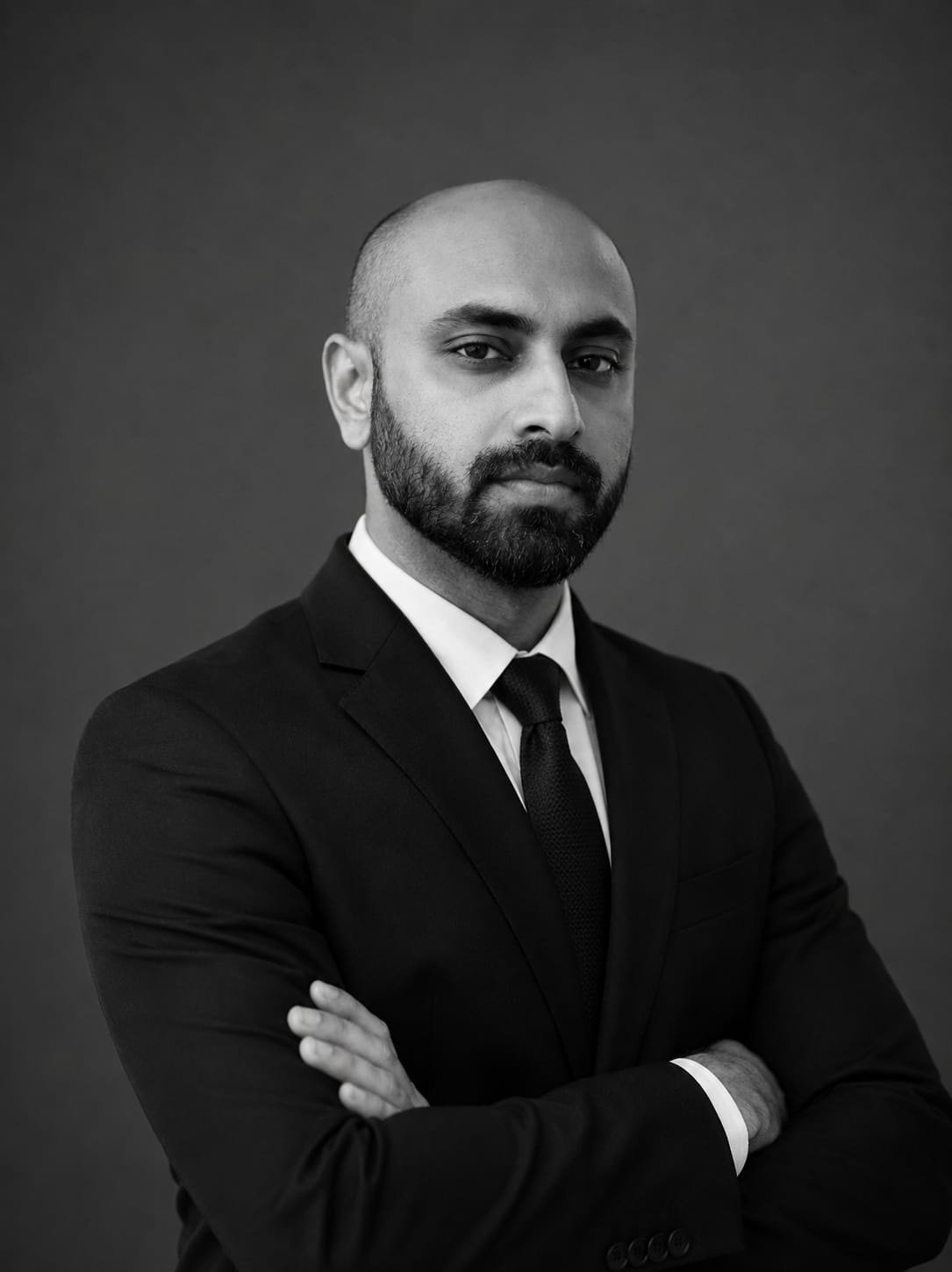
Arfan Shariff is the Co-Founder and Head of Operations at Zawjaan, overseeing platform operations, public relations and strategic partnerships. Drawing on his experience in community engagement, Arfan helps shape Zawjaan's trusted, faith-centred and user-focused approach to Muslim matchmaking, promoting compatibility, authenticity and meaningful lifelong marriages.