


Why Egyptian Muslim Men Seek Serious Marriage
Understanding the local marriage mindset helps you assess whether a potential husband is truly serious.
In Egypt, marriage is widely seen as a natural and important life stage, deeply rooted in family and religious values. Many Egyptian Muslim men seek a wife to build a home grounded in Islamic principles.
Serious intentions often surface early: he will discuss marriage topics, involve his family, and avoid casual or ambiguous communication. This directness reflects cultural norms where marriage is a communal milestone.
However, not every man on a platform is ready. You must look for consistent behaviour rather than words alone.
A man who initiates contact through proper channels, speaks respectfully, and mentions seeking a partner for life signals genuine interest in nikah.
Be cautious of those who delay family introductions or shy away from discussing practical aspects like mahr and living arrangements.
- He asks about your Deen goals and practice in early conversations
- He clearly states he is looking for a wife, not dating
- He suggests involving your wali after initial mutual compatibility
- He avoids inappropriate topics or private meetings without a mahram
Distinguishing Serious Men in Egypt
Serious men typically have a clear vision for married life, including roles, responsibilities, and shared goals.
They are often willing to discuss education, career, and family size early on, showing they view marriage practically and Islamically.
Egypt’s Muslim Community and Marriage Culture
Egypt’s large Muslim population offers many opportunities to meet compatible men, but regional differences matter.
Egypt is a predominantly Muslim country, so you will encounter a wide range of practising and cultural Muslims. This diversity means you must focus on individual character rather than assumptions.
In Cairo, the pace is fast and cosmopolitan, with many educated professionals open to marrying from abroad. In smaller cities and towns, family ties and traditions play a more dominant role.
Community life revolves around mosques, family gatherings, and social events, where intentions can be observed more naturally.
Understanding these local nuances helps you navigate conversations and expectations with greater clarity.
- Cairo’s large professional class includes many men open to international marriage
- Alexandria’s coastal culture is slightly more relaxed yet still family-oriented
- Inland cities often have stronger extended-family involvement in matchmaking
- Rural areas may prioritise traditional roles more heavily
Regional Attitudes and Expectations
A man from Cairo may be accustomed to more egalitarian roles, while a man from a rural area might expect a more traditional household.
These differences are not negative but require honest discussion about your shared vision for marriage.
Assessing Deen and Character in an Egyptian Groom
Islam emphasises faith and character as primary criteria for marriage. Evaluating these traits requires observation and wise questions.
When evaluating an Egyptian Muslim man as a potential husband, look beyond outward dress and ask about his prayer consistency, knowledge, and daily practice.
Character is revealed through honesty, patience, and how he treats others, especially family and service workers.
A man who prays regularly and seeks Islamic knowledge demonstrates a foundation for building a spiritual household.
Compatibility in deen means aligning on fundamental beliefs and practice levels, which reduces future conflict.
- Prayer habits and regular mosque attendance
- Knowledge of Islamic rulings on marriage and family life
- Treatment of parents and siblings
- Truthfulness in financial and personal matters
- Anger management and conflict resolution style
Questions to Ask on Deen
Ask how he incorporates Islam into daily decisions and how he envisions your shared religious life.
Inquire about his views on raising children and involving extended family in religious education.
- How does he maintain his five daily prayers during work?
- What Islamic scholars or lectures does he follow?
- How does he handle disagreements in a marriage according to Islamic teachings?
- What level of religious practice does he expect from his wife?
Family Expectations for an Egyptian Husband
In Egypt, family involvement is typically high and can be a blessing if handled well. Understanding his family’s expectations is key to a smooth marriage.
Most Egyptian men value their family’s opinion concerning marriage. His mother and father may be deeply involved in the selection and wedding process.
You should expect him to introduce you to his family early if serious, and he will likely seek their approval before proposing.
Discuss the role of in-laws in your marriage: how often you will visit, and how decisions are made collectively.
A man who sets healthy boundaries while honouring his parents shows maturity and readiness for marriage.
- He offers to arrange a formal meeting with his family
- He communicates his family’s values and how they may affect your life
- He clarifies expectations about living arrangements (extended vs nuclear family)
- He discusses financial support for his parents after marriage, if applicable
His Family’s Role in Decision-Making
Understand whether his family will be involved in choosing the bride or whether he makes his own decision with their blessing.
Discuss how family gatherings and holidays will be balanced, especially during Eid.
Halal Communication with an Egyptian Man
Maintaining Islamic boundaries is essential when getting to know a potential husband. Proper channels prevent sin and build trust.
Communication should be respectful and purposeful, ideally with your mahram aware or a chaperone present.
Egyptian men are generally outgoing, but serious candidates will respect your limits and avoid flirtatious or unnecessary talk.
Set clear boundaries early: topics related to marriage, deen, and daily life are acceptable, while personal or intimate subjects must wait.
Use text or phone calls with a third party on the line when possible, especially initially.
If you are using a matchmaking platform, keep the conversation within the platform’s guidelines until trust is established.
- Request that his mother or sister join a video call early on
- Agree to communicate through your wali after initial conversations
- Avoid private chats late at night or in secluded settings
- Discuss important topics when both are calm and focused
Using Video Calls Properly
Video calls are a good way to see each other and observe body language. Make sure a third party or at least your wali is aware of the call.
Keep the call structured with a list of questions to avoid awkwardness and stay on topic.
How Zawjaan Helps You Find an Egyptian Muslim Husband
Zawjaan is designed to connect serious Muslims worldwide. For Egyptian men, it offers a respectful way to meet sisters with marriage as the sole goal.
Zawjaan’s platform encourages halal communication and transparent profiles, helping you identify marriage-minded Egyptian men.
You can filter by city, level of observance, and family background, saving time and reducing ambiguity.
The platform’s structure supports wali involvement, allowing him to participate in early discussions as needed.
For sisters living outside Egypt, Zawjaan provides a bridge to assess compatibility before travelling.
Many Egyptian men on Zawjaan are professionals who value straightforward communication and shared religious aspirations.
Use the platform’s chat to ask the important questions, then move to family involvement when both sides feel comfortable.
- Create a detailed profile that reflects your deen and family values
- Use search filters to focus on Cairo or other Egyptian cities
- Look for men who mention marriage as their primary intention
- Take time to review his profile for consistency between words and actions
Making Your Profile Attractive to Serious Men
Be honest about your own level of practice, education, and what you seek in a husband.
Include a short biography that highlights your Islamic goals and family orientation, which appeals to respectful Egyptian men.
- State that you are looking for marriage and will involve your wali early
- Describe your daily worship and how you wish to grow in deen
- Mention your openness to relocating to Egypt or building a life abroad
- Ask a brother or mahram to review your profile for appropriateness
Islamic Nikah and Mahr: What Egyptian Grooms and Their Families Expect
Understanding the Islamic marriage contract and mahr is essential when assessing an Egyptian groom’s seriousness and preparedness.
The nikah in Egypt is a legal and religious contract that formalises the marriage. Both families usually agree on the mahr, which is a mandatory gift from the groom to the bride.
Egyptian mahr customs vary; some families prefer a modest mahr, while others expect a more substantial amount. Discuss this openly and respectfully.
A groom who is serious about marriage will welcome clear conversations about mahr and the terms of the nikah, without pressure or delay.
Ensure that the nikah is conducted in accordance with Islamic principles and is legally recognised in Egypt. You may also seek advice from a trusted imam or scholar.
- Discuss the mahr amount and nature (cash, gold, or other) with your family and the groom’s family.
- Clarify the type of marriage contract (e.g., whether it includes any conditions) and ensure both parties agree.
- Plan for the Islamic wedding ceremony (katb al-kitab) and any separate Walima or celebration.
- Confirm that the Islamic marriage certificate will be officially registered in Egypt.
Practical Mahr Considerations for Egyptian Grooms
In Egypt, mahr is often paid in two parts: a prompt (muqaddam) and a deferred (mu’akhkhar) amount. The deferred portion becomes due on divorce or death.
Some families also agree on a separate gift list or furniture (qaima), which records the bride’s belongings. Understand these local customs without feeling pressured.
A sincere groom will focus on the Islamic spirit of mahr – gifting what he can afford with a good heart – rather than competing with social expectations.
- Ask about the family’s expectations regarding mahr and the qaima.
- Ensure that the mahr is clearly stated in the marriage contract.
- Seek clarity on how the mahr will be paid and over what timeline.
- Discuss any other financial expectations, such as housing or monthly allowance.
Cultural Diversity Among Egyptian Muslim Men: Avoiding Stereotypes
Egypt is culturally diverse, and Muslim men come from varied regional, social, and family backgrounds. Evaluating a potential husband requires looking beyond stereotypes.
Egyptian men can differ significantly in customs, dialect, and family traditions depending on whether they are from Cairo, the Nile Delta, Upper Egypt, or the coastline.
Rather than assuming a certain attitude or level of conservatism based on a man’s geographical origin, assess his personal character, deen, and values.
A man’s family may have urban or rural roots, and this can influence his views on marriage, gender roles, and family involvement. Ask respectful questions to understand his specific context.
Islam is the common thread, but culture is not religion. Be careful not to judge a potential husband’s practice solely on cultural traditions that may or may not align with Islamic teachings.
- Ask about his family’s background and regional customs without making assumptions.
- Explore his understanding of Islam and how it shapes his daily life.
- Discuss how he expects his cultural traditions to influence your marriage.
- Clarify any potential differences in lifestyle expectations between his background and yours.
Regional Differences and Marriage Expectations
Men from Upper Egypt may have more conservative family structures, while Cairenes are often more accustomed to international influences. Each has its own strengths and challenges.
Alexandria’s coastal atmosphere fosters a more cosmopolitan outlook, but family ties remain strong. Understand his specific city or village as part of the conversation.
Do not generalise; instead, discuss how he envisions your life together, including where you might live and how involved his family will be.
Egyptian Cuisine and Family Gatherings: What a Potential Husband’s World Looks Like
Sharing meals is a central part of Egyptian family life. Understanding the food culture can help you connect with his family and appreciate the environment you’re potentially joining.
Egyptian cuisine is rich and varied, with dishes like koshari, ful medames, molokhia, and mahshi commonly served at family meals.
During Ramadan, iftar gatherings are abundant; if you are considering marriage, you may have the opportunity to share a meal with his family during this blessed month.
Festive occasions like Eid al-Fitr and Eid al-Adha feature special dishes such as kahk (sweet biscuits) and lamb dishes, bringing families together.
When his mother or sisters prepare meals for you, show appreciation and respect for their hospitality. Food is often a way of showing acceptance and warmth.
- Learn about common Egyptian dishes and show genuine interest in his family’s cooking traditions.
- If invited to a family meal, bring a small gift (such as sweets or fruit) and accept food graciously.
- Be mindful of modesty in dress and demeanor during family gatherings.
- Use mealtimes as an opportunity to observe family dynamics and how he interacts with women in his family.
Eid Customs and Dress Considerations
Eid celebrations in Egypt often involve new clothes, visits to relatives, and generous hospitality. As a potential wife, you would be expected to participate in these gatherings modestly.
For women, this typically means wearing loose-fitting, non-revealing clothing, and for men, modest attire such as a shirt and trousers or a traditional galabeya in some settings.
Understanding these customs helps you visualize your role in his family life and whether you feel comfortable with those expectations.
Approaching Parents and Family: How an Egyptian Groom’s Family May Be Involved
Family approval is often a significant factor for Egyptian Muslim men. Understanding how to approach his parents – and how he approaches yours – is crucial.
In Egypt, marriage is rarely an individual decision. A committed groom will involve his parents early in the process, and you should expect similar family engagement from your side.
When you meet his parents for the first time, dress modestly, be respectful, and show genuine interest in their lives. Your demeanor can speak volumes.
A serious Egyptian man will take the lead in speaking to your family, often through his own parents or a respected relative, to request your hand formally.
If you are navigating this long-distance, arrange video calls so that both families can interact and build trust before any engagement.
- Decide together how to involve your respective families and when to inform them.
- Prepare for a formal proposal, which in Egypt may include a visit from his family to yours.
- Discuss the role of the wali (your guardian) and ensure he is comfortable with the process.
- Maintain respectful and transparent communication between both families throughout the engagement period.
Practical Tips for Meeting His Parents
Be punctual, offer help with serving or clearing, and avoid prolonged direct eye contact if his parents are more traditional.
Ask your potential husband about his family’s specific expectations regarding you, such as dress code, household roles, or involvement in family events.
Show respect for elders, and remember that building a good rapport with his mother and sisters can be very influential.
- Bring a small gift when visiting his family, such as chocolate or pastries.
- Listen more than you speak; observe how he treats his mother and siblings.
- Express gratitude for any meals or hospitality you receive.
City and Location Differences in Egypt: Where Will Your Egyptian Husband Live?
Your future home in Egypt can significantly shape your daily life, from traffic and culture to cost of living and community. Discuss these practicalities early.
Cairo, the capital, is bustling and diverse, offering more job opportunities but also higher costs and crowded conditions. Many young couples live in new suburbs like New Cairo or 6th of October.
Alexandria, on the Mediterranean, offers a more relaxed coastal lifestyle with a historic charm, but it can be more parochial in some circles.
Smaller cities like Mansoura, Tanta, or Assiut have their own rhythms, often with strong family networks and lower living costs, but they may be less liberal in social expectations.
If he lives abroad, consider the possibility of relocating to his city in Egypt or continuing long-distance for a period. Discuss visas, housing, and financial stability openly.
- Visit his city (if possible) or research its amenities, climate, and community for Muslim women.
- Discuss his employment stability and whether he can support a family without you working initially, if that is your preference.
- Clarify the kind of accommodation he can provide (flat, family home, etc.) and any plans to save for a home.
- If relocating from abroad, consider the process of obtaining residence and the cultural adjustment you may face.
Long-Distance and Relocation Considerations
If you are meeting through Zawjaan, there is a good chance you may be in different countries. Effective communication and a clear timeline for meeting are vital.
A serious Egyptian groom will make efforts to visit you or arrange a meeting in a halal environment with your family’s involvement.
Discuss the logistics of relocation: who will move, when, and what support (financial, emotional) he can provide.
Marriage Readiness and Practical Next Steps for Assessing Egyptian Grooms
Evaluating an Egyptian man’s marriage readiness goes beyond his words. Look for consistent actions, financial responsibility, and a clear commitment to building a life together.
Marriage readiness includes emotional maturity, financial stability, and the ability to fulfil the rights of a wife. A sincere man will discuss these matters openly.
Ask about his current life situation: where he lives, his job stability, any debts or responsibilities, and his plans for the future. These are practical signs of readiness.
A man who involves his family early and seeks to meet yours is demonstrating serious intent. Be wary of prolonged secrecy or vague timelines.
When you find a potential match on Zawjaan, use the platform’s features to communicate purposefully and then move to involving your families in a respectful manner.
- Create a checklist of your non-negotiables (e.g., daily prayer, Islamic values, financial stability).
- During conversations, observe whether he asks about your expectations for marriage and family.
- Arrange a video call with him and at least one of your family members present, after mutual agreement.
- Plan a face-to-face meeting in a public, halal setting, with a mahram or family representative for you, if appropriate.
- If both sides are serious, begin the formal engagement process with the nikah and mahr discussions.
Red and Green Flags to Watch For
Green flags: he is proactive in learning about you, respects your boundaries, and is transparent about his finances and family.
Red flags: he avoids discussing marriage logistics, rushes for physical meetups without family involvement, or pressures you to keep the relationship secret.
Trust your instincts and seek counsel from trusted family or friends.
- He asks about your wali and respects his role.
- He is willing to discuss mahr and wedding plans.
- He introduces you to his family via video calls early.
- He avoids making promises he cannot keep.
How to Assess Egyptian Muslim Men for Marriage
A marriage-focused process for Muslim women assessing a Egyptian Muslim man in Egypt for serious Islamic marriage.
- Confirm serious marriage intention: Clarify that the Egyptian Muslim man is seeking marriage rather than a casual relationship, and establish clear halal communication boundaries from the beginning.
- Assess deen and character: Consider religious commitment, honesty, temperament, responsibility and consistency, rather than relying only on attraction or online conversation.
- Involve family or wali appropriately: Bring trusted family members or a wali into the process at a suitable stage so intentions, character and practical expectations can be assessed transparently.
- Discuss marriage expectations: Talk clearly about mahr, finances, work, housing, family roles, children, location and other responsibilities that could affect long-term compatibility.
- Agree the route towards Islamic nikah: If compatibility is strong, agree practical next steps for family discussions, any necessary civil requirements and preparation for an Islamic nikah.
Frequently Asked Questions
What is the typical mahr amount for an Egyptian groom?
Mahr varies greatly depending on the family, city, and financial capacity. It may be cash, gold, or a combination, and sometimes includes a deferred portion. The important thing is that it is agreed upon openly and in line with Islamic principles.
Do Egyptian Muslim men usually involve their families in marriage decisions?
Yes, family involvement is often significant. A serious Egyptian groom will likely involve his parents, especially his mother, in the process. This is a sign of respect and commitment, and you should expect family meetings and discussions.
How can I assess an Egyptian groom’s religious commitment from a distance?
Ask about his daily practices, such as prayer attendance, Qur’an reading, and his understanding of Islamic marriage rights. Observe whether he speaks about Islam as a guiding principle in his life, not just a cultural label.
What are some cultural customs I should be aware of when marrying an Egyptian man?
Customs can include the qaima (furnishing list), a separate engagement ceremony, and large family gatherings. Be respectful of modesty norms and the importance of hospitality. Always discuss expectations openly to avoid surprises.
Can I use Zawjaan to find an Egyptian husband if I live abroad?
Yes, Zawjaan is designed for serious Muslims seeking marriage, including cross-border connections. Ensure you communicate your location and relocation intentions clearly, and involve your families early to build trust.
What steps should we take before the nikah if we meet on Zawjaan?
After both families agree, you should meet in a halal environment with a wali or family member, discuss mahr and marriage terms, and then proceed with the nikah. Zawjaan encourages purposeful communication and family involvement throughout this process.
About the Author
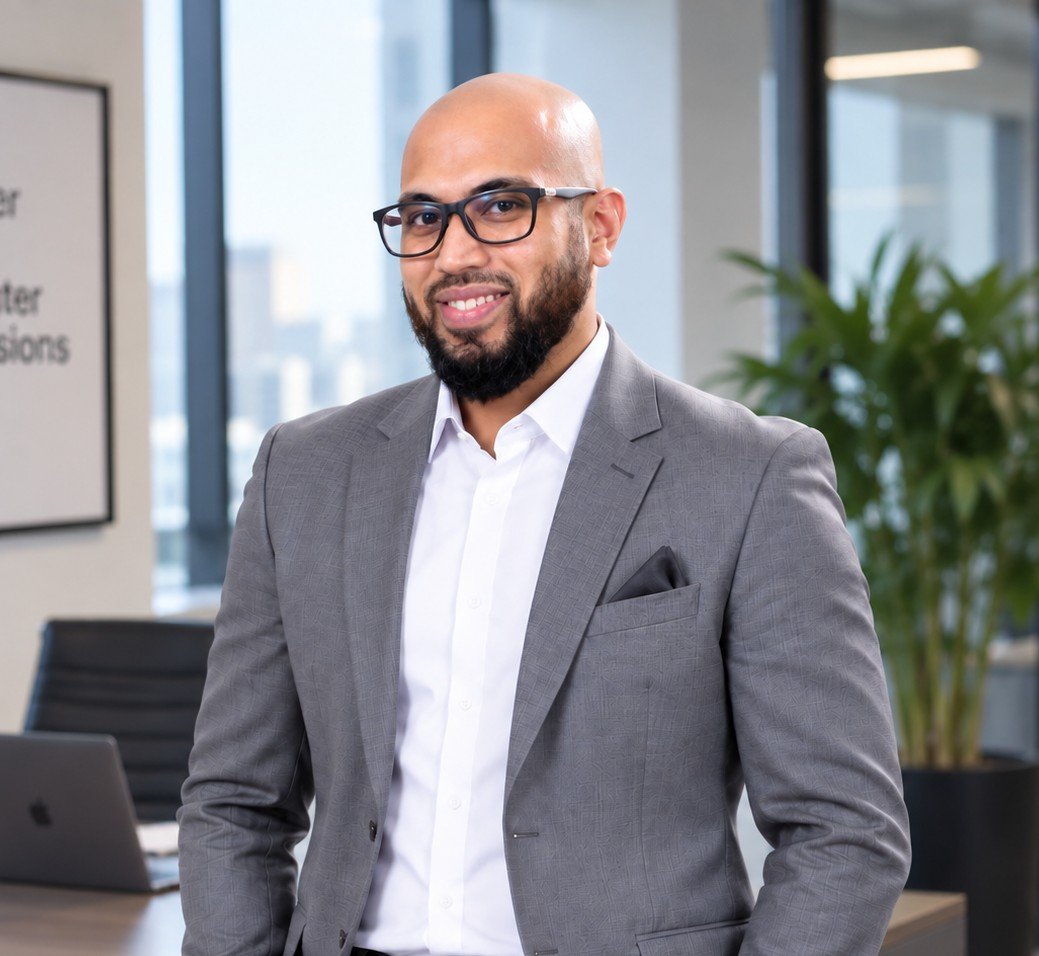
Nasehuddin Mohammed is the Co-Founder and Head of Technology at Zawjaan, where he leads product quality and the platform’s technological development. His work spans user experience and interface development, matchmaking strategies, and community-centred communication experiences designed to help Muslims build serious, marriage-minded connections.