

Meet Islamabad Muslim Men Online
Meeting Muslim men in Islamabad online has become increasingly common, especially for those who prefer a structured approach. Platforms like Zawjaan offer a respectful space to interact with potential spouses. When creating a profile, be specific about your values and aspirations. Many Islamabad professionals, from engineers to doctors, use these services due to busy schedules. Online interaction allows you to gauge compatibility before involving families, making the process more efficient. It is wise to use verified platforms and maintain modesty in your conversations, as this aligns with Islamic principles.
Islamabad Muslim Men for Marriage
Marriage in Islamabad is a significant life event, often involving extended families. For Muslim men, the primary intention is to build a family based on Islamic teachings. The local culture values respect between spouses and the involvement of parents in major decisions. Many couples meet through introductions by relatives or mutual acquaintances, but online matchmaking has gained acceptance. It is important to discuss expectations early, including living arrangements, finances, and future goals. The capital's cosmopolitan nature allows for diverse marriage traditions, yet the core remains the Nikah and the commitment to a life together.
Halal Dating with Islamabad Muslim Men
Halal dating in Islamabad is about getting to know someone with the intention of marriage, while adhering to Islamic guidelines. This usually means meeting in public places with a chaperone or interacting online with proper decorum. In the capital, options for such meetings include cafes in F-7 and F-6 sectors, which are popular and family-friendly. The key is to maintain boundaries and involve families when the connection becomes serious. This approach, known as 'halal dating', respects the process of Nikah and avoids any haram interactions, ensuring that the relationship develops with Allah's blessings.
Islamic Nikah in Islamabad
The Islamic Nikah is the central event in a Muslim marriage, and in Islamabad, it is conducted by a Qazi or an Islamic scholar. Before the ceremony, the couple and their families finalise the Mehr and other terms. Mosques like the Faisal Mosque offer a beautiful setting for Nikah ceremonies, but many choose to hold it at home or a small hall. For Muslim men, performing the Nikah is a significant act that solemnises the union under Allah's laws. It is essential to have witnesses and to ensure that the marriage is registered with the union council for legal recognition in Pakistan.
Halal Chat with Islamabad Muslim Men
Halal chat refers to conversations between potential spouses that are respectful and within the limits of Islamic etiquette. In Islamabad, many couples begin their interaction online due to work commitments. Using platforms like Zawjaan, you can engage in meaningful conversations without compromising your values. It is advisable to discuss topics such as faith, family, and future aspirations rather than engaging in idle talk. This method of communication helps build a foundation of trust and understanding, which is crucial for a successful marriage. Always keep the intention clear and involve your families when the time is right.
Islamabad Muslim Singles and Community Networks
The community of Muslim singles in Islamabad is diverse, with individuals from various backgrounds. Many are professionals working in organisations like the UN, World Bank, or local tech companies. Others are students at universities such as the National University of Sciences and Technology (NUST) or Quaid-i-Azam University. Social events, community gatherings, and Islamic seminars provide opportunities to meet like-minded men. Additionally, online platforms tailored for Muslim matrimony have become popular, offering a wider pool of potential matches. The key is to approach this search with patience and trust in Allah's plan.
Marriage Proposals and Khitbah in Islamabad
In Islamabad, the proposal (Khitbah) is a formal expression of interest in marriage. After the man's family identifies a potential bride, they may approach her family with a proposal. This is often done through a mutual acquaintance or a respected elder. It is common for both families to meet and discuss the union, focusing on compatibility. For Muslim men, it is important to be sincere and clear about your intentions. The process may involve several meetings and prayers (Istikhara) before a final decision. Respecting cultural norms and involving families ensures that the proposal is handled with dignity.
Physical Appearance of Islamabad Muslim Men
Physical appearance plays a role in initial attraction, but it should not be the sole criterion. Many Muslim men in Islamabad prefer a partner who dresses modestly and maintains good hygiene. A neat and tidy appearance is appreciated. Remember that beauty is relative and depends on personal preferences. Focus on what you truly want in a partner rather than societal standards.
Skin, Hair and Eye Colour
Islamabad's population includes a mix of skin tones, from fair to wheatish to brown. There is no single preference; rather, men often appreciate natural features. It is common to find men who value a healthy complexion over a specific skin colour. Similarly, eye and hair colours vary, with many having dark features. The focus is on overall grooming and modesty rather than conforming to a particular standard of colour.
Occupation and Profession
Many Muslim men in Islamabad are employed in white-collar jobs, spanning government services, IT, engineering, and finance. Others work in academia at institutions like the International Islamic University. The cost of living in the capital is relatively high so men often seek a partner who can contribute to household finances, but traditional expectations also exist. It is essential to discuss career aspirations and work-life balance early on to ensure mutual understanding and support.
Height
Height is often considered by women when looking for a partner, but it is not a dealbreaker. The average height for men in Pakistan is around 5 feet 9 inches or approximately 175 centimetres, so many meet this expectation. It is more important to find a man who is confident and carries himself well, regardless of his exact height.
Ethnicity and Nationality
Islamabad is a melting pot of ethnicities, including Punjabis, Pathans, Sindhis, and others. Many men are second-generation Islamabad residents, while others have moved for work or study. Ethnicity can be a consideration for families, but in the capital, there is generally a more cosmopolitan outlook. It is common for inter-ethnic marriages to occur, and young men are often open to a partner from a different background, as long as values align.
Compatibility with Islamabad Muslim Men
Compatibility is fundamental in a marriage, covering religious, cultural, and personal aspects. In Islamabad, where the population is educated, many look for a partner who shares their vision of life and faith. It is not just about checking boxes but feeling comfortable and at ease. Effective communication and mutual respect are crucial. Couples who spend time getting to know each other within halal boundaries often build stronger marriages.
Religious Alignment
Pakistan is a Muslim-majority country, and in Islamabad, religious practice varies. Some men are deeply observant, praying regularly and following Sunnah, while others are more relaxed. It is essential to discuss your own level of practice and what you expect from your spouse. A couple can agree on daily routines, religious education, and involvement in mosque activities. This alignment helps prevent conflicts later and ensures the marriage is pleasing to Allah.
Cultural Compatibility
While religion is unifying, culture plays a role in daily life. A man from a Punjabi background may have different customs than one from a Pathan background. Even within the same ethnicity, urban and rural origins matter. In Islamabad, many families are modern and open to blending traditions. Discussing cultural expectations, such as language, cuisine, and celebration of festivals, can help you determine if you are compatible.
Local Muslim Culture
The Muslim culture in Islamabad is a blend of traditional practices and modern influences. Community is important, and family ties remain strong. Men often have close relationships with their parents and siblings, and it is common to live in extended family setups. Respect for elders and a sense of honour are valued. Understanding these cultural norms is vital for a woman moving to Islamabad, as they shape marital life and relationships.
Ideological Viewpoints
Political and social ideologies can vary among Muslim men in Islamabad. Some are conservative, focusing on religious adherence, while others are liberal and prefer a more modern lifestyle. It is crucial to discuss topics such as women's rights, education, and career choices. Differences in ideology can cause friction if not addressed early. Respect and open-mindedness are necessary to bridge these gaps and build a harmonious relationship.
Lifestyle Compatibility
Lifestyle refers to daily habits, hobbies, and how one spends free time. In Islamabad, many men enjoy outdoor activities due to the scenic surroundings, such as hiking in the Margalla Hills. Others may prefer quiet evenings at home. Discussing your interests and daily routines can help you see if you are compatible. Also, consider habits such as smoking, use of social media, and socialising. A shared lifestyle makes it easier to build a happy and peaceful home.
Family Expectations
In Islamabad, family plays a central role in marriage, and men often have close ties to their parents and siblings. Many expect that a wife will respect and get along with his family. Conversely, some couples prefer to live in a nuclear setup but still maintain strong family connections. It is essential to communicate about living arrangements and the level of involvement you desire from each other's families. This clarity prevents misunderstandings and supports a smooth married life.
Marriage Goals
When marrying, most Muslim men in Islamabad aim to establish a stable and righteous family. They seek a partner who will be a source of comfort and support in this worldly life and the hereafter. Couples often set goals such as starting a family, pursuing higher education, or saving for a home. Aligning your goals early helps build a shared vision. It is also important to have faith that marriage is a means of completing half of your deen, as the Prophet (PBUH) taught.
Relationship Expectations
In a marriage, Muslim men expect love, respect, and mutual support from their wives. In return, they are willing to provide for and protect their spouse, as outlined in Islam. In Islamabad, modern couples often share household responsibilities and decision-making. However, traditional roles are still prevalent. Discussing these expectations openly ensures that both partners are on the same page. A relationship based on mutual respect and kindness will, by Allah's grace, thrive.
How to Find Muslim Men in Islamabad
To find Muslim men in Islamabad, start by visiting mosques and community centres like the Faisal Mosque or the Islamabad Islamic Centre. Attend Islamic lectures and events. Utilise online platforms like Zawjaan to connect with a wider network. Also, involve your family and friends in the search, as they may know suitable matches within the community.
1. Create a clear marriage profile
Phase 1: Profile CreationCreate a detailed profile on Zawjaan, highlighting your religious values and what you seek in a spouse. Use clear photos and be honest.
2. Search locally and realistically
Phase 2: Local DiscoveryUse filters to narrow your search to Islamabad, and explore profiles of men who match your criteria. Save favourites and review them carefully.
3. Begin respectful halal chat
Phase 3: Compatibility ScreeningInitiate conversation respectfully with salaam, and discuss topics related to compatibility, such as deen and family. Keep chat halal by avoiding inappropriate topics.
4. Arrange a public meeting
Phase 4: Face-to-Face CourtshipWhen comfortable, suggest meeting in a public place like a cafe in F-7 or F-6, and bring a chaperone if possible to maintain Islamic decorum.
5. Introduce both families
Phase 5: Family MeetingIf the relationship progresses, arrange for families to meet formally. Exchange details and communicate through appropriate channels.
6. Prepare the legal documentation
Phase 6: Legal DocumentationFor legal marriage in Pakistan, visit the union council to obtain a marriage certificate. Ensure all legal requirements are met, including documentation.
7. Complete the Islamic Nikah
Phase 7: Marriage ContractPlan the Nikah ceremony with a Qazi or at a mosque. Ensure witnesses are present and the Mehr is agreed upon according to Islamic guidelines.
Frequently Asked Questions
How can Muslim women find compatible Muslim men in Islamabad for marriage?
Begin by expanding your network through local mosques like Faisal Mosque and Islamic study circles. Utilise reputable matrimonial websites such as Zawjaan and involve your family in the search. Be clear about your values and what you seek in a partner.
What qualities do Muslim men in Islamabad typically look for in a wife?
Most seek a spouse who is religious, modest, and has a good character. Family orientation and educational background are also important. Many prefer someone who is respectful and adaptable, as they may live with extended family.
Is it acceptable for Muslim men and women to meet before marriage in Islamabad?
Yes, it is acceptable as long as meetings are halal, ideally in public with a chaperone. The goal is to assess compatibility. Many couples in Islamabad engage in supervised meetings or online chats before involving families.
How do Muslim men in Islamabad approach the Nikah process?
They often work with their families to arrange the Nikah, which includes agreeing on the Mehr and having witnesses. Many choose to hold the ceremony in a mosque or at home. They also ensure the marriage is legally registered with the union council.
What are common challenges for Muslim men when searching for a wife in Islamabad?
Balancing career and family expectations is common. Some may struggle to find someone who aligns with their religious and cultural values. Additionally, the high cost of living can be a factor. Patience and relying on Allah's guidance are essential.
About the Author
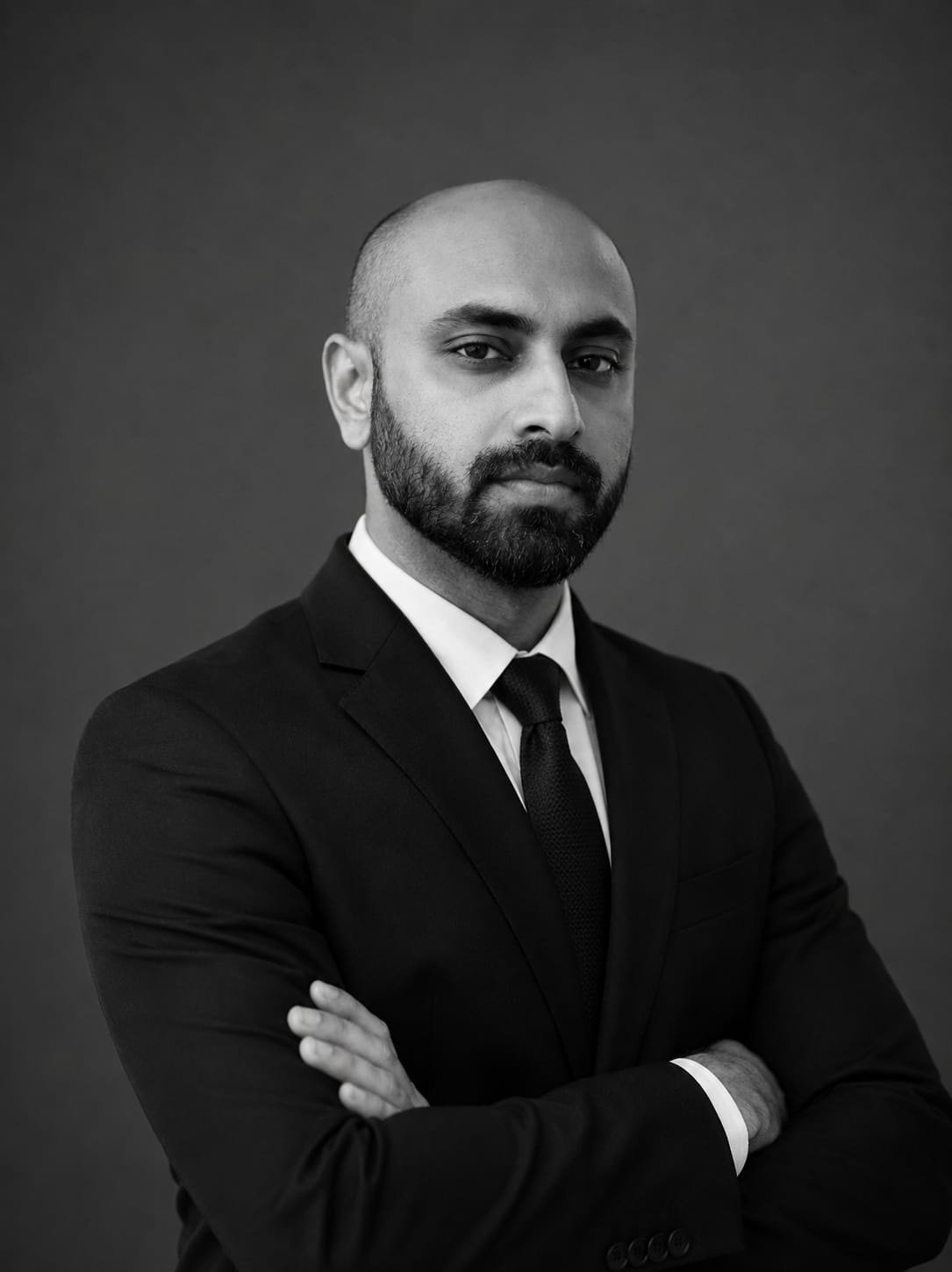
Arfan Shariff is the Co-Founder and Head of Operations at Zawjaan, overseeing platform operations, public relations and strategic partnerships. Drawing on his experience in community engagement, Arfan helps shape Zawjaan's trusted, faith-centred and user-focused approach to Muslim matchmaking, promoting compatibility, authenticity and meaningful lifelong marriages.