

Serious Muslim Marriage in Pakistan: What Pakistani Men Seeking Wives Really Want
Understanding a Pakistani man’s seriousness about marriage is the foundation of your search.
Many Pakistani men pursue marriage with clear intention, often seeking a wife who is practising, compatible, and ready to share family life.
Serious candidates will involve their families early, speak about nikah timelines, and avoid casual or vague communication.
In cities like Lahore, Karachi, and Islamabad, marriage-minded men often balance career ambitions with a desire to establish an Islamic home.
Look for consistency between his words and actions, and be cautious of anyone who delays meeting your family without a valid reason.
- He initiates respectful conversations about marriage and family goals.
- He is open about his profession, education, and financial situation.
- He expresses a clear desire for Islamic nikah and a halal relationship.
- He respects boundaries and does not pressure you for private meetings.
- He introduces the idea of family involvement within a few conversations.
Pakistani Muslim Community: Finding a Husband in Pakistan with Shared Values
Pakistan’s Muslim community is diverse, and understanding local nuances helps you assess compatibility.
Pakistan is home to multiple ethnic groups, languages, and cultural practices, all united by Islam.
A Pakistani man’s family background may influence his expectations, but his deen and character are what truly matter.
In cities like Lahore and Islamabad, men often have a more progressive outlook, while rural areas may follow stricter traditions.
Look for a man who respects his culture but prioritises Islamic principles over cultural practices that conflict with them.
- He values Islamic values over cultural expectations.
- He is knowledgeable about his faith and practises regularly.
- He respects your own cultural background and does not stereotype.
- He is comfortable discussing ethnicity and sees it as part of his identity, not a barrier.
Deen, Character, and Compatibility: Qualities to Seek in Pakistani Men
A good husband is defined by his faith and character, not just his job title or family name.
You should assess his daily prayers, his treatment of others, and his knowledge of Islamic principles.
Compatibility includes shared goals on religious observance, children’s education, and lifestyle habits.
A Pakistani man who is serious about deen will appreciate your own commitment to Islam and your desire to practise together.
Observe how he speaks about past relationships, his mother, and his community, as these reveal his character.
- Ask about his daily Islamic practices and his understanding of a husband’s duties.
- Discuss your expectations regarding modesty, prayer, and interaction with non-mahram relatives.
- Note how he handles disagreements, whether he seeks compromise or insists on his own way.
- Enquire about his relationship with his parents and siblings to gauge his family values.
- Consider whether his attitude towards finances aligns with Islamic principles of fairness and responsibility.
Family Expectations in Pakistan: How Pakistani Husbands Balance In-Law Dynamics
Family involvement is normal in Pakistani marriages, so clarity on expectations is crucial.
You can expect extended family to be present at gatherings, but boundaries should be agreed early.
A potential husband should be willing to stand up for you while still honouring his parents.
In Lahore, Karachi, and Islamabad, men often live in joint or nuclear families, depending on circumstances.
Discuss living arrangements, decision-making, and how his family influences major choices before the nikah.
- He discusses boundaries with his family respectfully and clearly.
- He involves his parents from the start, showing his seriousness.
- He asks for your input on living arrangements and family matters.
- He is transparent about his family’s expectations of a wife and a daughter-in-law.
Halal Communication: How to Talk with Pakistani Men Seeking Marriage
Respectful, guarded communication is key to getting to know a potential husband without compromising your values.
Use a platform like Zawjaan where you can interact in a structured and halal manner.
Keep conversations purposeful, focusing on deen, character, and practical aspects of married life.
Avoid private chats away from the platform and do not share personal contact information until you are comfortable.
Involve a mahram or trusted family member early in the process, which is both culturally and Islamically appropriate.
- Start with icebreaker questions about faith, family, and daily routine.
- Ask about his understanding of Islamic marriage and his role as a husband.
- Share your own expectations and listen to his responses patiently.
- Meet in a public, chaperoned setting only after initial online conversations.
- If you feel uncomfortable at any point, move on gracefully and maintain your boundaries.
Marriage-Focused Online Matchmaking: Finding Pakistani Husbands with Zawjaan
Zawjaan is designed to facilitate serious marriage, not casual dating.
Our platform connects you with Pakistani men who are genuinely seeking a wife, with the option to involve families from the beginning.
You can filter profiles by city, profession, and religious practice, making your search more refined.
Use the chat features to ask meaningful questions and build a picture of his character before sharing any personal details.
Always verify his intentions and speak to his family before making any commitments.
- Create a profile that highlights your deen and marriage intentions.
- Look for men who include details about their religious practice and family background.
- Take advantage of the platform’s family involvement tools to facilitate a halal process.
- Report any behaviour that seems disrespectful or inconsistent with serious marriage.
Preparing for Nikah and Mahr with a Pakistani Groom
Understanding the nikah process and mahr agreement is essential when evaluating a potential husband in Pakistan.
The nikah is the Islamic marriage contract that formalises your union. It must be conducted with the consent of both parties and the presence of witnesses, usually including your wali.
Discussing mahr openly is encouraged in Islam. The mahr is your exclusive right, and a serious groom will agree to it without hesitation.
In Pakistan, the nikah often takes place at the bride’s home, a mosque, or a marriage hall. It is common for the groom to pay for the wedding expenses, but arrangements vary.
Ensure that the marriage is registered with the local union council, as this provides legal protection. The nikah registrar will handle the documentation.
- Agree on the mahr amount before the nikah and document it clearly.
- Confirm that the groom and his family are aware of the nikah requirements, including the need for your wali.
- Plan the nikah date and location with the groom’s family, keeping in mind weather and travel.
- Discuss the living arrangements after marriage, whether with extended family or independently.
Mahr and Dowry Considerations
Mahr is a gift from the husband to the wife, and it can be cash, gold, property, or any agreed amount. It is an obligation, not a favour.
Be clear about the mahr amount and whether it will be paid immediately or deferred. Some families also discuss the customary exchange of gifts, but that is separate from mahr.
Respecting Pakistan’s Cultural Diversity in a Pakistani Marriage
Pakistan is home to many ethnic groups, each with its own customs and traditions. Understanding this diversity helps you avoid stereotypes and appreciate your potential husband’s background.
Punjabis, Pashtuns, Sindhis, Baloch, and Kashmiris, among others, have distinct languages, cuisines, and wedding traditions. However, Islam unites them, and culture should never override Islamic principles.
When you meet a potential groom, ask about his specific cultural background without assumptions. His family’s customs may differ from what you expect.
Respect for diversity means you and your future husband can create your own family traditions that honour both Islam and your respective cultures.
- Learn about the main ethnic groups in Pakistan and their key traditions.
- Ask the groom about his family’s specific customs regarding weddings and daily life.
- Be open to learning new languages or phrases from his region.
- Clarify with your husband how you will celebrate religious and cultural events together.
Pakistani Cuisine and Family Gatherings for Muslim Men and Their Wives
Food plays a central role in Pakistani hospitality, and sharing meals is a way to bond with your husband’s family.
Pakistani cuisine is diverse regionally. In Punjab, you might find rich butter and cream dishes like nihari and haleem, while in Sindh, spicy fish and Sindhi biryani are popular.
In Khyber Pakhtunkhwa, chapli kebab and namkeen gosht are common, and Baloch cuisine features sajji and lamb dishes.
Family gatherings often revolve around food, especially during Eid and other celebrations. As a new wife, learning to cook a few staple dishes can ease your integration.
When you visit his family, offering to help in the kitchen shows respect. However, do not feel pressured to adopt every tradition if they conflict with your own preferences.
- Familiarise yourself with regional dishes: biryani, haleem, nihari, sajji, and kebabs.
- Ask about family food preferences and any allergies before cooking.
- Use meal times to build rapport with your husband’s family.
- For Eid, prepare sweet dishes like sheer khurma to share.
Eid Customs and Dressing for Pakistani Grooms and Their Families
Eid is a major occasion in Pakistan, and understanding the customs helps you participate while maintaining Islamic modesty.
Eid begins with the Eid prayer at the mosque, followed by visits to relatives and sharing festive meals. Grooms often wear traditional shalwar kameez or a formal suit.
Women and girls wear colourful dresses, often embellished with embroidery, and it is common to exchange gifts and money called Eidi.
As a wife, you may be expected to dress modestly yet elegantly. Many Pakistani brides and wives prefer the shalwar kameez or a modest abaya for outings.
Every family has its own Eid traditions, such as special prayers or visiting graves. Ask your husband about his family’s specific customs so you can participate respectfully.
- Wear modest, festive clothing that aligns with Islamic guidelines.
- Prepare or contribute to Eid day meals and sweets.
- Be ready to give and receive Eidi from younger family members.
- Schedule visits to his family and yours to maintain balance.
Approaching Family and Seeking Approval for a Pakistani Marriage
In Pakistani culture, family approval is often crucial for a successful marriage. Approaching his family respectfully can set a positive tone.
In most cases, the proposal is initiated by the groom’s family, and they may approach your family directly. If you are using a matchmaking platform like Zawjaan, the initial contact is discreet.
When you meet his parents, be polite and demonstrate your Islamic character. It is common for the elder women in the family to inspect a potential bride.
Allow your wali to handle the formal negotiations. This shows that you respect the Islamic process and protects everyone’s dignity.
If your families live in different cities, arrange a meeting at a neutral location or via video call to ease the process.
- Involve your wali from the start to ensure the process is Islamic.
- Be patient if the groom’s family takes time to decide.
- Show genuine interest in the family’s customs and values.
- Do not compromise on your Islamic standards for approval.
City Life and Relocation for a Pakistani Husband and Wife
Pakistan’s cities vary greatly in lifestyle and infrastructure. Where you live after marriage will shape your daily routine.
Karachi is the largest metropolis, offering diverse communities but also congested traffic. Lahore is known for its cultural heritage and hotter summers. Islamabad is a planned city with greener spaces and a calmer pace.
If you are moving to Pakistan from abroad, consider factors like healthcare, education, and safety. A husband in Islamabad may offer a more relaxed life, while one in Karachi might have more business opportunities.
Your husband’s job location will often determine your city. Discuss together how you will manage housing, transport, and access to mosques and Islamic centres.
Long-distance marriage is possible if you remain committed, but having a clear relocation plan is essential. Discuss timelines and make halal communication a priority during the engagement period.
- Research the city’s climate and lifestyle before moving.
- Consider proximity to your family and his family.
- Plan for language differences if you are not fluent in Urdu or the local language.
- Look into international schools if you have children.
How to Assess Pakistani Muslim Men for Marriage
A marriage-focused process for Muslim women assessing a Pakistani Muslim man in Pakistan for serious Islamic marriage.
- Confirm serious marriage intention: Clarify that the Pakistani Muslim man is seeking marriage rather than a casual relationship, and establish clear halal communication boundaries from the beginning.
- Assess deen and character: Consider religious commitment, honesty, temperament, responsibility and consistency, rather than relying only on attraction or online conversation.
- Involve family or wali appropriately: Bring trusted family members or a wali into the process at a suitable stage so intentions, character and practical expectations can be assessed transparently.
- Discuss marriage expectations: Talk clearly about mahr, finances, work, housing, family roles, children, location and other responsibilities that could affect long-term compatibility.
- Agree the route towards Islamic nikah: If compatibility is strong, agree practical next steps for family discussions, any necessary civil requirements and preparation for an Islamic nikah.
Frequently Asked Questions
How common is it for Pakistani men to accept a mahr that is not cash?
In Pakistan, mahr is often given as cash or gold, but any form of wealth is acceptable in Islam. Some families also agree on property or other assets. The important thing is that the mahr is clearly specified and agreed upon.
What should I know about Pakistani dress codes as a new wife?
Pakistani women commonly wear modest clothing like the shalwar kameez, which is both comfortable and modest. For formal events, beautiful embroidered outfits are worn. Always ensure your clothing covers properly, and consider the local cultural norms.
How can I handle differences between my cultural background and his Pakistani culture?
Talk openly with your husband about your expectations. Celebrate the diversity and find a middle ground that honours both cultures while prioritising Islamic values. Involving both families in discussions can help ease misunderstandings.
Is it acceptable to use a matchmaking platform like Zawjaan to find a Pakistani husband?
Yes, Zawjaan is specifically designed for serious Muslim marriage. It provides a halal environment to communicate with potential spouses and involves family when needed. It is a practical and respectful way to meet marriage-minded Pakistani men.
What steps should a Pakistani groom’s family typically take to propose?
Traditionally, the groom’s family visits the bride’s family to formally express interest. This may include a proposal, discussion of mahr, and setting a nikah date. In modern times, families may connect online first, then meet in person.
How do Pakistani cities differ for a married couple?
Karachi is fast-paced and chaotic but offers diverse opportunities. Lahore has a rich cultural scene and historic sites. Islamabad is quieter and greener, often preferred by families. Consider your career and lifestyle preferences before moving.
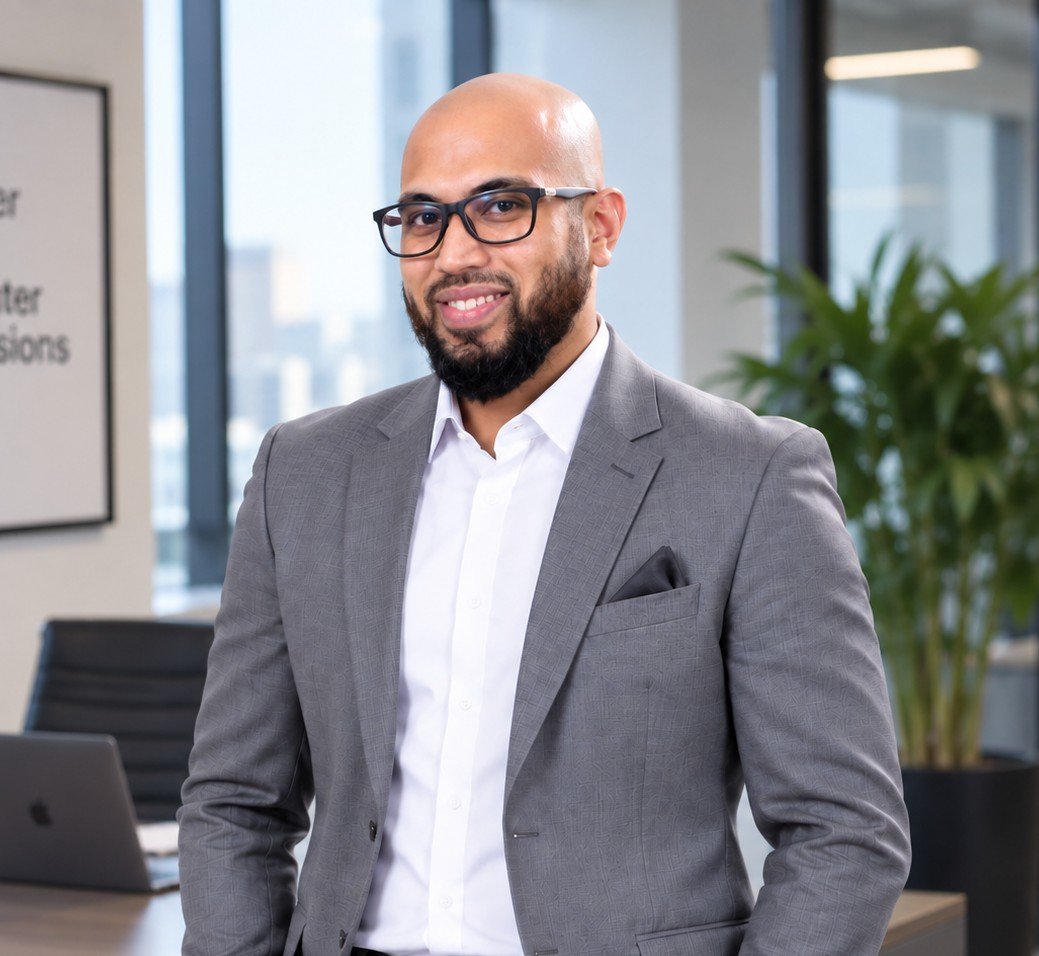
About the Author
Nasehuddin Mohammed is the Co-Founder and Head of Technology at Zawjaan, where he leads product quality and the platform’s technological development. His work spans user experience and interface development, matchmaking strategies, and community-centred communication experiences designed to help Muslims build serious, marriage-minded connections.