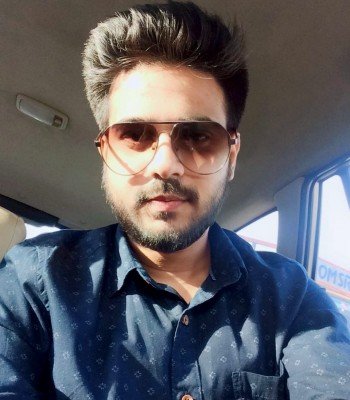
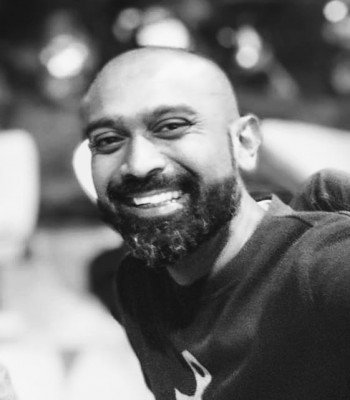


Meet Karachi Muslim Men Online
For Muslim women in Karachi, online platforms have become a convenient way to connect with Muslim men seeking marriage. Sites like Zawjaan offer a halal environment where profiles are reviewed and intentions are verified. When meeting online, it is essential to maintain modesty and involve a wali (guardian) early in the conversation. Karachi's busy lifestyle makes digital introductions practical, but they should be a starting point, not the entirety of the courtship. Take time to review profiles carefully, focusing on religious commitment, family values, and long-term goals, and ensure that any exchanges respect Islamic guidelines.
Karachi Muslim Men for Marriage
In Karachi, marriage is seen as half of one's faith, and the city's Muslim community holds this belief dearly. For women, marriage means building a life with a partner who shares your values and supports your spiritual growth. Karachi's diverse population includes families from various cultural backgrounds, including Muhajir, Sindhi, Punjabi, and Pathan, each with its own traditions. A successful marriage here often involves close family involvement and a shared commitment to Islamic principles. Understanding your own expectations and being open to negotiation can help you find a partner who is genuinely compatible for a lifelong journey.
Halal Dating with Karachi Muslim Men
Halal dating in Karachi differs from conventional dating, as it prioritises respect, chaperones, and the intention of marriage. It is common for couples to meet in public places such as cafes in Clifton or malls in DHA, accompanied by a mahram (male guardian) or in groups. The goal is to assess compatibility while maintaining Islamic boundaries. This process allows both parties to discuss important topics like family roles, living arrangements, and financial responsibilities without compromising their faith. For women, this approach provides a secure way to get to know a potential husband, ensuring that the relationship remains honourable.
Islamic Nikah in Karachi
The Nikah is the Islamic marriage contract that formalises the union, and in Karachi, it is a significant event. Mosques like the Masjid-e-Tooba in Defence offer serene settings for the ceremony, which is typically conducted with family and witnesses present. The Nikah involves the Mahr, a gift from the groom to the bride, which is a non-negotiable part of the contract. For Pakistani Muslims, the Nikah is often followed by a walima (reception) hosted by the groom's family. Understanding the requirements, such as the presence of a wali and witnesses, is crucial. Many couples also complete legal registration under Pakistani law to ensure the marriage is recognised by the state.
Halal Chat with Karachi Muslim Men
Halal chat for Muslim men and women in Karachi involves respectful conversations with the intention of marriage. Unlike casual messaging, these exchanges should be purposeful, avoiding topics that are private or inappropriate. It is advisable to use platforms like Zawjaan, which offer moderated chats where users can communicate without fear of harassment. During these chats, couples can discuss their religious practices, career aspirations, and family expectations. Setting boundaries early, such as not exchanging personal contact details before involving families, helps maintain propriety. For women, it is important to feel comfortable and respected throughout the interaction, as this sets the tone for the future relationship.
Karachi Muslim Singles and Community Networks
Karachi is home to a large number of Muslim singles seeking matrimony. With a population of over 20 million, the city offers countless opportunities to meet eligible men. However, navigating this vast pool can be overwhelming. Many families rely on word-of-mouth, arranging meetings through relatives, friends, or the local imam. Others turn to online platforms that cater specifically to Muslims, such as Zawjaan, which filters profiles based on religious adherence and marriage intentions. Community events, charity gatherings, and weddings also serve as venues where introductions happen naturally. For women, being clear about your preferences and seeking assistance from trusted networks can help you find the right match.
Marriage Proposals and Khitbah in Karachi
In Karachi, proposals (khitbah) often begin with the man's family expressing interest in a woman. This formal request is made to the woman's family, and if accepted, a period of courtship follows, guided by Islamic principles. The khitbah can be a formal event, with the exchange of rings and engagement ceremony, or it can be a simple declaration of intention. It is common for families to share profiles of potential candidates, and online platforms have streamlined this process. For women, receiving a proposal involves evaluating the suitor's character, religious practice, and ability to provide, with input from family. A clear and respectful proposal sets the foundation for a blessed marriage.
Physical Appearance of Karachi Muslim Men
When considering Karachi Muslim men, physical appearance often plays a role, but it should not overshadow more critical aspects such as character and faith. Men in the city vary widely in terms of grooming, dress, and style, from those who prefer traditional shalwar kameez to those who favour Western attire. Remember that beauty is relative and depends on personal preferences. Focus on what you truly want in a partner rather than societal standards.
Skin, Hair and Eye Colour
Colour is a common consideration in South Asian marriages, including in Karachi. Skin tone ranges from fair to dark, and while some families may express preferences, it is essential to prioritise compatibility in values and religion. The Quran teaches that all believers are equal, and such preferences should not lead to discrimination. In modern Karachi, many couples are moving beyond colourist attitudes, focusing instead on the person's heart and piety. Embrace the diversity that the city's Muslim community offers, and see beyond superficial traits.
Occupation and Profession
Karachi Muslim men are employed across a diverse range of sectors, including finance, medicine, engineering, information technology, and business. Many work in multinational companies or run their own enterprises, reflecting the city's entrepreneurial spirit. When considering a potential match, it is wise to understand their career stability and aspirations, as this impacts family life. The cost of living in Karachi has risen recently, so a man with a steady income and financial responsibility is often desired. Discussing career goals during the courtship ensures both partners are aligned on lifestyle and future plans.
Height
Height is a personal preference for many women. In Karachi, the average height for men is about 5 feet 7 inches, but there are many who are taller. If a woman prefers a man who is 5 feet 9 inches or approximately 175 centimetres, she will find suitable matches, as Pakistani men vary in stature. However, height should never be a deciding factor in a marriage. Instead, focus on the man's character, his commitment to Islam, and his ability to be a loving and supportive husband.
Ethnicity and Nationality
Karachi is a melting pot of ethnicities, including Muhajirs, Sindhis, Punjabis, Pathans, and Baloch, as well as communities of Kashmiri and Bengali descent. This diversity means that Muslim women can choose a partner from a background that aligns with their own or embrace an inter-ethnic union. Different ethnic groups have distinct languages, customs, and cuisines, but all share the common bond of Islam. When marrying across ethnic lines, it is important to discuss how you will preserve your own cultural heritage while embracing your partner's, fostering mutual respect and understanding.
Compatibility with Karachi Muslim Men
Compatibility in marriage extends beyond shared interests; it involves alignment in faith, lifestyle, and family dynamics. For Karachi Muslim men, this means finding a woman who complements their religious practice and life goals. Assessing compatibility through halal meetings and discussions helps prevent future conflicts.
Religious Alignment
Religious alignment is crucial for a lasting marriage. In Karachi, Muslim men vary in their adherence, from those who are strictly observant to those who are more relaxed. It is vital to discuss each other's practices, such as praying five times daily, observing Ramadan, and wearing modest clothing. Openly share your expectations regarding religious roles in the home. Finding a partner who shares your level of devotion ensures that your spiritual life grows together, creating a strong bond.
Cultural Compatibility
Cultural compatibility involves sharing values, traditions, and family expectations. In Karachi, families often have strong cultural ties, so it is important to understand each other's background. For example, a Sindhi woman may have different customs than a Muhajir man, but both can find common ground in Islam. Discuss how you will celebrate festivals, manage in-laws, and raise children. Being open to learning about each other's culture and blending traditions can enrich your marriage.
Local Muslim Culture
Karachi's Muslim culture is dynamic and fast-paced, shaped by its diverse population. The city is known for its hospitality, charitable spirit, and strong family values. When considering a local match, be prepared for the extended family involvement that is common. Understanding the cultural significance of events like Eid and the importance of community can help you integrate smoothly. Recognizing the nuances of Karachi's culture, such as the greeting of 'Assalamu Alaikum' and the emphasis on respect for elders, will make your relationship more harmonious.
Ideological Viewpoints
While all Muslims in Karachi follow the Quran and Sunnah, there may be variations in ideological leanings, such as between Sunni and Shia or differences in sectarian practices. It is essential to discuss these matters respectfully early on. In a marriage, differing ideological viewpoints can be managed with mutual respect and tolerance. Some families may be more liberal, while others are traditional. Agreeing on how to handle these differences, especially when raising children, is critical for a successful union.
Lifestyle Compatibility
Lifestyle choices play a significant role in marriage. In Karachi, men may have varied routines, some working long hours in the corporate sector, while others may have more flexible schedules. Discussing financial habits, leisure activities, and social expectations is key. For example, a woman who values a simple, home-centred life may prefer a man who does not frequent the city's clubs or high-end restaurants. Similarly, health and dietary preferences, such as avoiding smoking, should be aligned. Ensuring that your day-to-day habits and future aspirations are compatible will foster a smooth relationship.
Family Expectations
In Karachi, family expectations are significant and often shape marriages. A husband may be expected to support his parents and siblings, while a wife may be expected to maintain certain household duties. It is important to discuss these expectations candidly, including living arrangements after marriage, whether with in-laws or independently. Understand your own boundaries and communicate them respectfully. Many couples in Karachi successfully balance family obligations with their own privacy by setting clear agreements early on.
Marriage Goals
Marriage goals in Karachi often focus on starting a family, building a home, and growing together in faith. For Muslim men, having a supportive wife who is a partner in raising righteous children is a common aspiration. It is essential to discuss topics such as number of children, education, and career plans. Couples who share common goals are more likely to work as a team. Additionally, financial planning, such as saving for a house or investing for the future, is a practical goal that should be aligned.
Relationship Expectations
Relationship expectations, including emotional support, communication, and intimacy, are fundamental. In Karachi, Muslim men often value a wife who provides a peaceful home and is a source of comfort after a busy day. On the other hand, women may expect their husbands to be involved in household matters and to treat them as equals. Discussing how you handle conflicts and express love can prevent misunderstandings. Mutual respect and kindness are at the heart of a loving marriage, as exemplified by the Prophet Muhammad (peace be upon him).
How to Find Muslim Men in Karachi
To find Karachi Muslim men, start by contacting your local mosque, such as to visit Bahria University's prayer room, and ask for introductions. Additionally, explore online platforms like Zawjaan, which offer a wide pool. Attend community events like Eid bazaars or charity iftars. Involving your family and being clear about your search criteria will increase your chances of finding a compatible match.
1. Create a clear marriage profile
Phase 1: Profile CreationCreate a detailed profile on Zawjaan, highlighting your religious practice, family values, and what you seek in a spouse. Upload clear photos that respect modesty and maintain honesty.
2. Search locally and realistically
Phase 2: Local DiscoveryUse search filters to narrow down Muslim men in Karachi, specifying preferences for area, occupation, and educational background to find potential matches.
3. Begin respectful halal chat
Phase 3: Compatibility ScreeningEngage in halal chat by initiating respectful conversations about faith and life. Keep chats modest and avoid lengthy private discussions without family involvement.
4. Arrange a public meeting
Phase 4: Face-to-Face CourtshipArrange a first meeting in a public venue like a cafe in Clifton, ensuring a mahram is present. Keep the meeting interaction respectful and focused on assessing compatibility.
5. Introduce both families
Phase 5: Family MeetingOnce you both agree, introduce your families. Plan a formal proposal meeting where your families can get to know each other and discuss the Nikah details.
6. Prepare the legal documentation
Phase 6: Legal DocumentationComplete legal marriage registration under Pakistani law, which may be done at the local union council. Ensure you have the necessary documents, such as CNIC and photographs.
7. Complete the Islamic Nikah
Phase 7: Marriage ContractConduct the Nikah ceremony at a mosque or with an authorised Nikah registrar. Prepare the Mahr and ensure witnesses are present as per Islamic requirements.
Frequently Asked Questions
How can Muslim women in Karachi find eligible Muslim men for marriage?
You can start by using trusted platforms like Zawjaan, which specifically cater to Muslims seeking marriage. Also, ask your family, friends, and local imam for introductions. Attend community events and maintain an open mind to receive referrals.
What should Muslim women look for in a Muslim groom from Karachi?
Look for someone who is genuinely practising Islam, has good character, and is financially stable. Discuss his family values and long-term goals to ensure alignment. It is important to see his commitment to prayer and honesty in all dealings.
Are online matches for Muslim men in Karachi considered halal?
Yes, if the intention is marriage and the interaction remains modest. Use platforms with halal chat features and involve your wali early. Online introductions are merely a means to meet, followed by proper Islamic courtship.
What role do families play in arranging marriages for Muslim men in Karachi?
Families are central in Karachi. They often initiate proposals and provide guidance. It is common for parents to meet and finalise compatibility. Respect their involvement but ensure you and your partner have communicated your own expectations.
How can Muslim women ensure a marriage proposal from Karachi Muslim men is smooth?
Communicate clearly about your requirements and involve your wali from the start. Discuss details like mahr, living arrangements, and family roles openly. Maintain good manners and be flexible where possible to avoid misunderstandings.
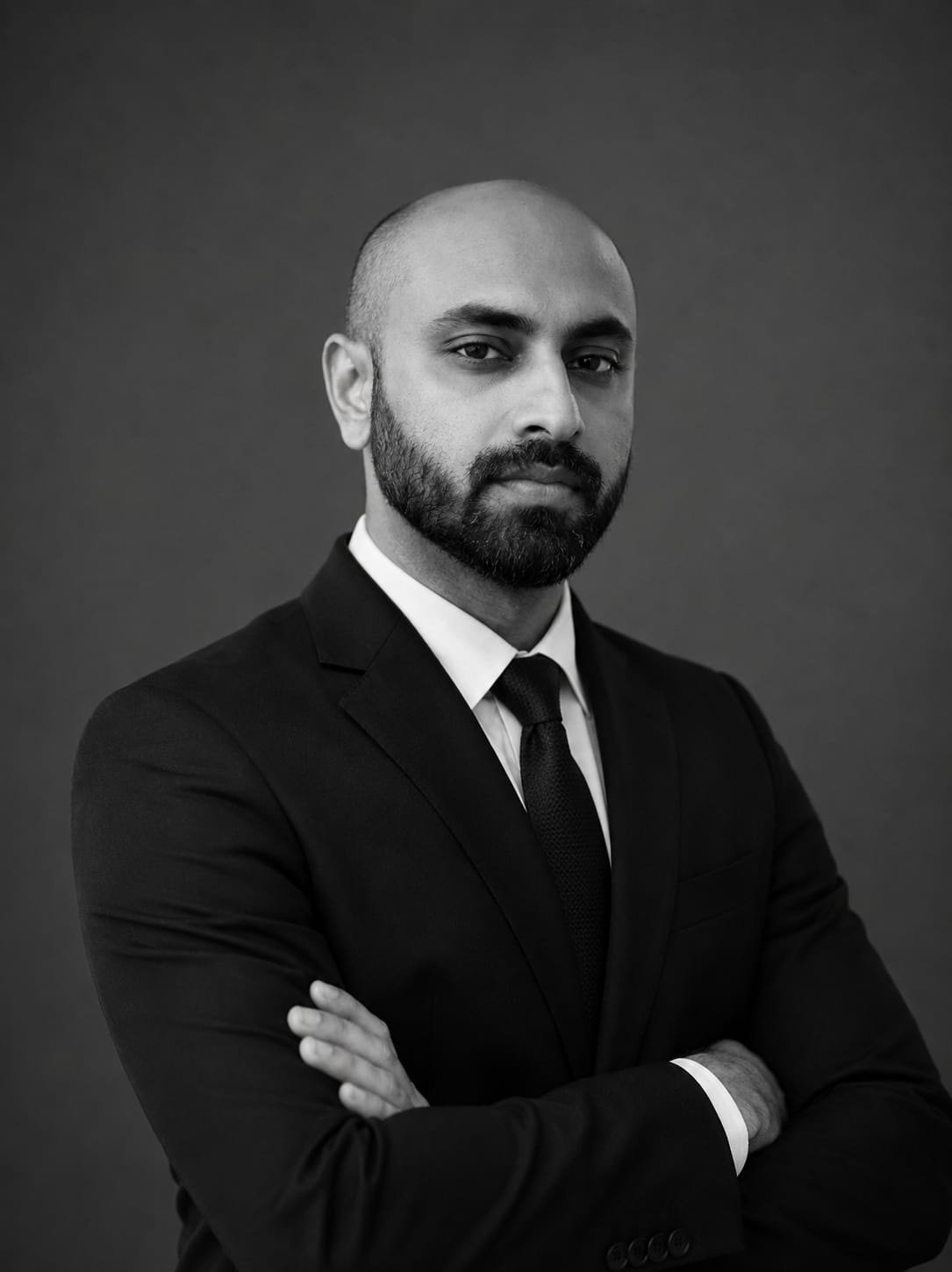
About the Author
Arfan Shariff is the Co-Founder and Head of Operations at Zawjaan, overseeing platform operations, public relations and strategic partnerships. Drawing on his experience in community engagement, Arfan helps shape Zawjaan's trusted, faith-centred and user-focused approach to Muslim matchmaking, promoting compatibility, authenticity and meaningful lifelong marriages.