

Serious Marriage Intent for Muslim Men in Angola
Understanding a man’s intention from the start is essential for a marriage-focused search.
Muslim men in Angola, like men anywhere, may seek marriage for a variety of reasons. Some are ready to settle down, while others may be less serious despite polite conversation. Your goal is to identify the former quickly and respectfully.
A serious man will speak about marriage in a practical way, discussing timelines, family involvement, and his vision for married life. He will not keep the relationship vague or indefinitely private.
In Angola, where Muslims are a minority, a man’s commitment to faith often becomes more visible. He may be involved in community activities, pray regularly, or demonstrate concern for Islamic values in daily decisions.
Aim to have open conversations about your expectations for marriage within the first few exchanges. Clarity prevents wasted time and protects both of you emotionally.
- Ask about his reasons for wanting to marry now.
- Notice whether he initiates practical marriage discussions.
- Check if he involves family members early in the conversation.
- Observe his consistency in communication over several weeks.
Understanding the Muslim Community in Angola for Muslim Men
The local Muslim community shapes the context in which Angolan men practise their faith and seek marriage.
The Muslim population in Angola is small, with estimates ranging from tens of thousands to over a hundred thousand, concentrated heavily in Luanda. Many Muslims are migrants from West Africa, Lebanon, and other countries, but there is also a growing number of indigenous Angolan Muslims.
Islam in Angola has a history that includes both peaceful trade and periods of persecution. Today, the community is emerging, with mosques, Islamic schools, and organisations working to strengthen faith.
Because the community is small, family reputations and connections matter. A man’s family’s involvement in the mosque or community can give you insight into his upbringing and values.
However, be cautious not to assume that community participation equals strong personal faith. Evaluate each individual on his own merits, asking direct questions about his beliefs and practice.
- Visit a local mosque in Luanda or Benguela to observe community dynamics.
- Ask your potential husband about his involvement in Islamic activities.
- Seek references from trusted community members if possible.
- Consider that cultural background influences practices; focus on Islamic core values.
Assessing Deen, Character, and Compatibility in Angolan Muslim Men
A man’s religious practice and personality are intertwined; evaluating both is vital for a lasting marriage.
The Prophet (peace be upon him) advised choosing a spouse based on deen and character. This guidance applies equally when considering a Muslim man from Angola. Look for consistent prayer, honesty in dealings, and kindness toward others.
Character reveals itself in how he speaks about his parents, colleagues, and even strangers. A man who respects his mother and treats others with justice is likely to be a good husband.
Compatibility extends beyond nationality or ethnicity. Share your understanding of Islam, your goals for marriage, and your daily routines. Disagreements are natural, but a shared commitment to Islamic values provides a strong foundation.
Be wary of a man who claims religiosity but shows signs of arrogance or controlling behaviour. True deen softens the heart; look for gentleness and humility.
- Ask about his daily prayers and religious knowledge.
- Observe how he treats waiters, drivers, and elders.
- Discuss your expectations for religious practice in the home.
- Consider how he handles conflict during your conversations.
Family Expectations and Involvement for Angolan Husbands and Wives
Both sides of the family play an important role in an Islamic marriage, and Angolan families are often closely knit.
In Angola, extended family is central to social life. A potential husband may rely on his parents’ opinions for major decisions, including marriage. This is not necessarily a negative trait but shows that he values family counsel.
You should evaluate how much independence he has in decision-making and how he balances family wishes with Islamic obligations. A man who blindly obeys his parents in matters that contradict Islam may be a concern.
Your own family involvement is equally important. Involve your wali early, and consider arranging a meeting between families within a respectful timeframe. This demonstrates seriousness and protects the process.
Discuss with the potential husband how you will handle differences in customs or expectations between your families. Open communication now prevents misunderstandings later.
- Ask how he would involve his parents in your marriage decisions.
- Clarify your expectations about living near or with extended family.
- Discuss financial responsibilities toward both families.
- Plan a meeting between your wali and his family early.
Halal Communication with Muslim Men in Angola
In Islam, communication between a man and woman before marriage must be respectful, purposeful, and according to Islamic guidelines.
Zawjaan is designed to facilitate halal, marriage-focused communication. You can interact with a potential husband in a structured way that keeps intentions clear and avoids casual talk.
Keep conversations purposeful, focusing on topics that help you assess compatibility. Avoid discussing past relationships, intimate questions, or spending excessive time without practical outcomes.
Incorporate a third party, such as your wali or a trusted relative, if you feel more comfortable. Some families prefer all communication to be in the presence of a guardian.
A serious Muslim man in Angola will appreciate your commitment to Islamic boundaries. If he repeatedly pushes for private or inappropriate conversation, take it as a warning sign.
- Use Zawjaan’s messaging feature to ask questions about deen and lifestyle.
- Set a clear timeline for involving families.
- Seek mutual consent to engage in conversation.
- Avoid late-night or secretive chats.
How Zawjaan Helps Muslim Men and Women in Angola Find Marriage
Online matchmaking on Zawjaan is designed for serious Muslims who want to marry in accordance with Islamic principles.
Zawjaan provides a platform where Muslim men in Angola and around the world can create profiles that reflect their marriage intentions. For you, as a sister, you can search for potential husbands using filters for age, profession, and religious practice.
The platform encourages the involvement of family from the start. You can share profiles with your wali, and when there is mutual interest, you can arrange halal communication that respects your family’s comfort.
Because the Muslim community in Angola is small, Zawjaan can connect you with men in Luanda or other cities who you might not meet otherwise. This expands your options while maintaining Islamic boundaries.
When using the platform, be transparent about your own expectations. A clear profile attracts serious individuals and deters those who are not prepared for marriage.
- Create a profile that emphasises your deen and marriage goals.
- Search for potential husbands from Angola or other countries.
- Review profiles and shortlist those who meet your criteria.
- Initiate communication through the platform’s built-in messaging.
- Involve your wali after initial conversations show mutual interest.
Preparing for Islamic Nikah and Mahr Talks with an Angolan Groom
Understanding the nikah process and mahr discussions helps you gauge a man’s seriousness and religious commitment.
When a potential husband in Angola proposes nikah, ask how he plans to conduct the ceremony. Many Muslim communities in Angola follow the Maliki school, which shapes local customs.
Mahr is a gift from the groom to the bride, agreed before the nikah. It can be monetary, gold, or anything of value, and may be prompt or deferred.
Discuss mahr openly with your wali. A man who approaches mahr with generosity and respect shows readiness for Islamic marriage.
Small Muslim communities in cities like Luanda often rely on visiting imams or online scholars for nikah. Confirm the presence of two male witnesses and a wali.
If the groom is new to Islam or recently converted, ask about his understanding of nikah obligations. His willingness to learn matters more than his current knowledge.
- Agree on the mahr amount and type (e.g., cash, gold) before the nikah contract.
- Determine if the mahr is prompt or deferred, and document it clearly.
- Ensure a qualified imam or scholar can perform the nikah in Angola or via video conference.
- Arrange for two male Muslim witnesses or one male and two female witnesses.
- Confirm that your wali is present or gives written permission for the marriage.
Practical Nikah Steps for Angolan Couples
Begin by completing an Islamic marriage application at the local mosque or Islamic centre. If no mosque exists near you, contact the Angolan Islamic Community for guidance.
Prepare documents such as passports, certificates of conversion if applicable, and proof of single status from your home country.
After the Islamic nikah, consider registering the marriage with Angolan civil authorities to ensure legal recognition, especially for residency and inheritance rights.
- Find the nearest mosque or Islamic centre and ask about marriage registration support.
- Collect all required documentation for both partners.
- Book a date for the nikah ceremony, ensuring all witnesses are available.
- Plan a small halal celebration or walimah afterwards.
Cultural Diversity and Family Traditions of Angolan Muslim Men
Angola’s Muslim community is small but diverse, comprising locals, converts, and expatriates. Avoid stereotypes and get to know the individual.
Islam is a minority faith in Angola, with Muslims estimated at fewer than one percent of the population. Many are converts, while others come from West African or Lebanese backgrounds.
An Angolan Muslim husband may have a mixed cultural heritage. Some grew up in Luanda, while others were raised in smaller towns like Huambo or Benguela.
Do not assume that being Angolan means a particular practice or dress. Instead, ask about his family’s ethnic background and how they observe Islam.
Respect that customs vary. Some families blend traditional Angolan elements with Islamic practices, such as naming ceremonies or funeral rites.
Focus on deen and character over cultural markers. A man’s commitment to prayer, honesty, and kindness transcends cultural variations.
- Ask about his ethnic background (e.g., Ovimbundu, Kimbundu, Bakongo) and how it shapes his family customs.
- Inquire about how his family celebrates Eid and other Islamic occasions.
- Learn whether he is a convert or born Muslim, and the path that led him to Islam.
- Be open to learning about Angolan hospitality norms, such as offering guests food and drink.
Respecting Cultural Nuances Without Stereotyping
Angola is a former Portuguese colony, and many Angolans speak Portuguese. Your husband might be more comfortable speaking Portuguese at home, while you may prefer English or Arabic.
Some families may hold traditional pre-wedding ceremonies, but these are not Islamic. Discuss with your husband which customs are acceptable within Islamic boundaries.
Honour his family’s traditions where they do not contradict Islam. This builds goodwill and shows respect.
Foods and Gatherings: Shared Meals with an Angolan Husband
Shared meals are a way to build connection. Learn about Angolan cuisine and halal adaptations.
Angolan food is rich and diverse. Staples include funge, a cassava porridge, and moamba de galinha, a chicken stew with palm oil.
Many stews can be made halal by using halal chicken or beef and avoiding alcohol in cooking. Ask your husband about his favourite dishes.
During Ramadan, iftar meals may include traditional Angolan dishes like calulu, a fish and vegetable stew, or mufete, grilled fish with beans.
Eid gatherings often feature sweets and fried pastries. You can prepare halal versions of local treats like cocada amarela, a coconut dessert.
Cooking together can strengthen your bond. Share recipes from your own culture and learn his family’s favourites.
- Try funge with moamba de galinha (halal chicken version).
- Prepare calulu with halal fish for iftar.
- Serve cocada amarela for Eid dessert.
- Host a potluck where both families bring a dish that reflects their heritage.
Halal Food Availability in Angola
Finding halal meat in Angola can be challenging, especially outside Luanda. Muslim communities sometimes have halal butcheries or receive meat from collaborating suppliers.
If you and your husband live in Luanda, explore the city’s halal restaurants and shops. In smaller towns, you may need to plan around availability.
Discuss how you will manage food preparation to ensure halal standards are met in your new household.
- Locate halal butcheries or markets in your area.
- Ask local Muslims for recommendations on halal food sources.
- Learn to read Portuguese food labels to avoid haram ingredients.
- Consider online halal food delivery options if available.
Eid Customs and Dress for Angolan Muslim Husbands
Eid in Angola is a family affair. Understand how an Angolan husband might celebrate and how to prepare as his wife.
Eid al-Fitr and Eid al-Adha are major celebrations for Muslim families in Angola. Many attend prayer at the mosque or in designated outdoor spaces.
Men often wear traditional Muslim clothing such as a thobe or a long shirt with trousers. Some may incorporate Angolan styles like a kente-patterned shirt.
Women typically wear modest dresses and hijab. For Eid, you may choose a colourful outfit and but expect to dress modestly in public.
After prayers, families visit each other, exchange gifts, and enjoy festive meals. As a wife, you may host or visit, depending on family dynamics.
Charity is integral to Eid. Many husbands give Zakat al-Fitr or arrange for communal meals.
- Plan Eid clothing for yourself and your husband, considering modest dress codes.
- Prepare traditional Angolan and Islamic sweets for visitors.
- Set aside time for family visits and hospitality.
- Give to charity regularly, especially before Eid prayers.
Dressing for Modesty and Comfort
In Angola’s tropical climate, light fabrics like cotton and linen are practical for hijab and modest clothing. You can choose breathable abayas or long skirts.
For your husband, encourage him to wear loose-fitting clothes that provide modesty and comfort. Discuss acceptable dress for prayer and family gatherings.
Remember that Islamic dress is a personal choice. Approach differences with gentleness and mutual respect.
How to Involve Your Family and Approach His Parents as a Muslim Bride in Angola
Family approval is vital. Learn how to approach both families respectfully and within Islamic guidelines.
When considering an Angolan husband, your wali should be involved early. If your family is not Muslim, seek their blessing while protecting your Islamic principles.
His parents may be Muslim or not. If they are not, approach them with kindness and explain the meaning of nikah in Islam.
Marriage is not just a union of two people but of two families. Show respect to his parents by visiting them and learning about their expectations.
In Angolan culture, elders are highly respected. Address them with proper titles and show humility.
Discuss with your potential husband how he plans to communicate with both families. A man who values family involvement often makes a better husband.
- Introduce your potential husband to your wali through a formal meeting.
- If your family is not Muslim, explain the concept of nikah and the rights of both spouses.
- Arrange a meeting with his parents, preferably in person or via video call.
- Exchange family contact details after mutual consent.
- Seek guidance from an imam or respected elder if families have concerns.
Overcoming Family Resistance
If either family objects to the marriage due to cultural or religious differences, take time to listen and address their concerns patiently.
Ask your potential husband to commit to supporting you emotionally while respecting his family’s values. This balance is key.
Consider involving a neutral mediator, such as an imam, to facilitate dialogue between families.
City Life and Relocation for an Angolan Husband and His Bride
Angola’s cities differ greatly. Consider practical aspects of living in Luanda, Benguela, Huambo, and other places before marriage.
Luanda, the capital, is a bustling port city with a growing expatriate community. Housing is expensive, but infrastructure is better than elsewhere.
Benguela is known for its beaches and more relaxed pace, while Huambo in the highlands offers a cooler climate and a smaller Muslim presence.
If relocation is needed, consider visa requirements. A foreign bride may need a residence permit to live in Angola.
Investigate the availability of Islamic schools or weekend programs if you plan to have children.
Long-distance marriages are possible when couples are apart for work, but plan for regular visits and clear communication.
- Luanda offers the most job opportunities but has a high cost of living.
- Benguela has a lower cost of living and a quieter lifestyle.
- Huambo is inland with a cooler climate and fewer Muslims.
- Check healthcare facilities, especially for pregnancy and paediatric care.
- Find a Sunni mosque or Islamic centre in your chosen city.
Long-Distance Marriage Considerations
If your husband works in Angola and you live abroad, maintain a schedule of daily communication and plan visits as often as possible.
Use video calls to bond and involve both families remotely. Regular interactions help build intimacy despite distance.
Discuss a timeline for reunification, whether you move to Angola or he joins you in your home country. Clarity reduces uncertainty.
- Set a communication routine that fits both time zones.
- Plan overlapping holidays to visit each other.
- Agree on a maximum duration for the separation period.
- Prepare legal documents for migration or residency.
How to Assess Angolan Muslim Men for Marriage
A marriage-focused process for Muslim women assessing a Angolan Muslim man in Angola for serious Islamic marriage.
- Confirm serious marriage intention: Clarify that the Angolan Muslim man is seeking marriage rather than a casual relationship, and establish clear halal communication boundaries from the beginning.
- Assess deen and character: Consider religious commitment, honesty, temperament, responsibility and consistency, rather than relying only on attraction or online conversation.
- Involve family or wali appropriately: Bring trusted family members or a wali into the process at a suitable stage so intentions, character and practical expectations can be assessed transparently.
- Discuss marriage expectations: Talk clearly about mahr, finances, work, housing, family roles, children, location and other responsibilities that could affect long-term compatibility.
- Agree the route towards Islamic nikah: If compatibility is strong, agree practical next steps for family discussions, any necessary civil requirements and preparation for an Islamic nikah.
Frequently Asked Questions
Is it acceptable for an Angolan Muslim man to give a small mahr?
Yes, mahr can be small as long as it has value and is agreed upon. The Prophet encouraged simple mahr. Focus on the man’s intention and generosity rather than the amount.
How do I know if an Angolan groom is serious about Islam?
Observe his daily prayers, his knowledge of Islamic basics, and his treatment of others. Ask about his journey to Islam and how he practices. A serious man will not avoid these discussions.
What should I do if my wali refuses to attend the nikah in Angola?
Discuss your wali’s concerns with him patiently. If he cannot attend in person, some scholars allow him to give written permission or appoint another wali. Consult a trusted imam for guidance.
Are there many Muslim women in Angola for social support?
The Muslim community is small but close-knit. In Luanda, you can connect with sisters through the mosque or Islamic centre. Social media groups can also help you build a network.
Can I marry an Angolan man who is not currently employed?
Islamic marriage requires that the husband is able to support a wife, but this includes current ability. If he is seeking work, evaluate his efforts and future plans. Discuss financial expectations openly.
How can Zawjaan help me find a serious Muslim husband in Angola?
Zawjaan provides a platform for marriage-focused matchmaking, allowing you to filter profiles by religious commitment and location. You can communicate halally with potential grooms and involve your wali early.
About the Author
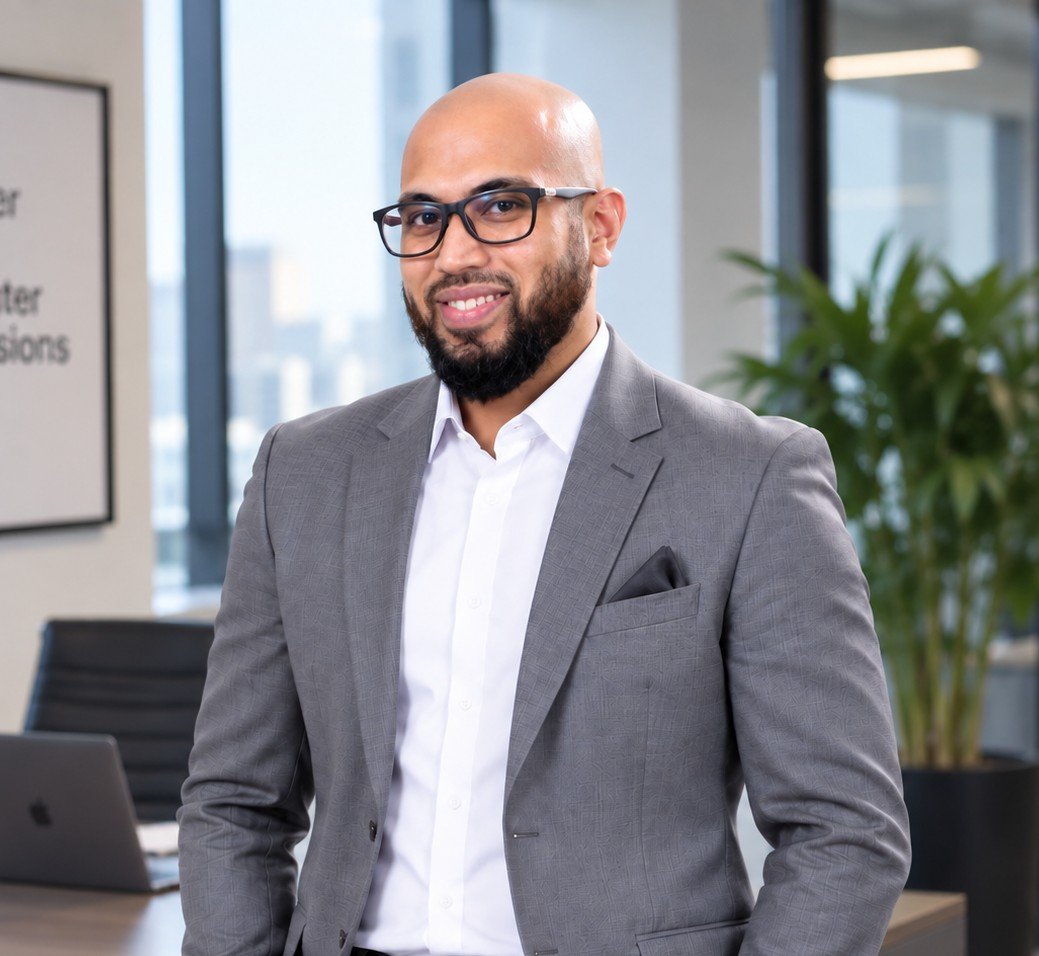
Nasehuddin Mohammed is the Co-Founder and Head of Technology at Zawjaan, where he leads product quality and the platform’s technological development. His work spans user experience and interface development, matchmaking strategies, and community-centred communication experiences designed to help Muslims build serious, marriage-minded connections.