

Meet Luanda Muslim Men Online
For Muslim singles in Luanda, online platforms offer a discreet and halal way to meet potential spouses. Many Luanda Muslim men are open to profiles that reflect religious commitment and family intentions. When creating a profile, be specific about your daily prayers, mosque attendance, and long-term goals. Use recent photographs that show you as you are, and avoid overly casual or misleading images. The city's internet connectivity is generally reliable, but be mindful of data costs when using video calls. Look for platforms that emphasise compatibility filters based on Islamic values. The key is to move from chatting to a meaningful conversation about marriage within a few weeks, always respecting Islamic boundaries.
Luanda Muslim Men for Marriage
In Luanda, marriage is viewed as a sacred bond that unites two families as much as two individuals. Muslim men here often seek wives who are practising, modest, and supportive of their faith journey. The presence of the Central Mosque of Luanda and other community centres means religious events are regular opportunities to meet families. Many Luanda Muslim men prefer a marriage process that involves both sets of parents early on, reflecting the communal nature of the city. While some couples meet independently, most ultimately seek approval from their families. Understanding this dynamic helps women approach marriage with realistic expectations, balancing romantic connection with the importance of wider family harmony.
Halal Dating with Luanda Muslim Men
Halal dating in Luanda means courtship that respects Islamic guidelines from the first meeting. Practise involving a chaperone, particularly in public places like the Ilha de Luanda's quieter cafes or the gardens of the Marginal. Keep conversations focused on marriage-related topics: career, family, religious practice, and future plans. Avoid prolonged private chats that could lead to emotional attachment without commitment. Luanda Muslim men appreciate women who are clear about their boundaries from the start. If a brother suggests a meeting, propose a venue that is comfortable for both families. The goal is to assess compatibility while keeping Allah at the centre of the interaction.
Islamic Nikah in Luanda
The nikah in Luanda is typically performed by an imam from a local mosque, with the Central Mosque being the most prominent venue. Both parties must consent, and a wali is required for the bride. The mahr, or dower, is negotiated beforehand and can range from a modest sum to gold or other valuables. It is customary to have two male witnesses, or one male and two female witnesses. After the religious ceremony, the legal registration at the civil registry office is essential for the marriage to be recognised in Angola. Many couples also hold a small walima, or wedding feast, to which relatives and friends are invited. Planning ahead with the mosque's administrative office can smooth the process.
Halal Chat with Luanda Muslim Men
Halal chat with Muslim men in Luanda should be purposeful and modest. Use language that reflects Islamic etiquette, avoiding flirtatious banter or excessive compliments. Ask questions about their practice of the five daily prayers, their relationship with the Quran, and their involvement in the local Muslim community. This helps build a spiritual connection before any formal meeting. Exchange messages only through secure platforms, and be cautious about sharing personal details too quickly. The goal is to establish whether the brother is serious about marriage and compatible with your values. If the conversation drifts towards topics that are inappropriate, gently steer it back to matters of faith and family.
Luanda Muslim Singles and Community Networks
The Muslim singles scene in Luanda is small but active. Events at mosques, such as the Central Mosque of Luanda and the Mosque of the Prophet Muhammad, often attract local families. Islamic centres occasionally organise talks and workshops that are excellent opportunities to meet Muslim men with similar intentions. Some community leaders also act as informal matchmakers, connecting families who are seeking suitable spouses. Women can also express their interest through trusted relatives who may know Luanda Muslim men from other provinces or abroad. While the pool may be limited, the advantage is that many brothers are serious about marriage and committed to staying in Luanda or moving within Angola.
Marriage Proposals and Khitbah in Luanda
When a Luanda Muslim man is ready to propose, he will typically involve his family. The process, known as khitbah, begins with a formal request to the woman's wali. This may happen after several chaperoned meetings. The proposal is usually verbal and accompanied by a gift, such as a ring or a traditional item. In Luanda, families often expect a modest engagement period during which the couple can plan the nikah. It is common for the man's family to visit the woman's home to ask for her hand, bringing dates and sweets. This formal step shows respect and a serious commitment to marriage, and it is the point at which the couple may begin discussing practical arrangements openly.
Physical Appearance of Luanda Muslim Men
Physical appearance is often the first thing that draws attention, but in Islamic marriage, it holds a balanced place. Luanda Muslim men may be attracted to natural beauty without heavy makeup, as modesty is highly valued. Remember that beauty is relative and depends on personal preferences. Focus on what you truly want in a partner rather than societal standards. A woman who appears neat, clean, and modest will always leave a positive impression.
Skin, Hair and Eye Colour
In Luanda, as elsewhere, hair and eye colour vary among Muslim men. You may meet brothers with dark hair and brown eyes common to the region, while others from West or North Africa may have lighter features. Skin tones range widely, from deep browns to lighter complexions. It is unhelpful to fixate on a specific colour. What matters more is how a man presents himself, his grooming, and whether his appearance reflects a sense of self-respect and care. Pay attention to his smile and his gaze, as these often reveal character.
Occupation and Profession
Luanda is the economic heart of Angola, so many Muslim men work in the oil and gas sector, which dominates the city's economy. Others work in banking, construction, or trade. Some brothers run small businesses, particularly in import-export, while others are professionals in healthcare or education. When considering a potential spouse, ask about his career stability and career aspirations. A man's occupation can indicate his responsibility and his ability to provide. However, avoid assuming a link between a specific job and a man's religiosity. Many successful men in Luanda are active in the Muslim community despite demanding jobs.
Height
Height preferences vary among women. Some may feel secure with a man who is taller than they are, while others simply want closeness in stature. The average height for men in Angola is around 5 feet 7 inches, so a brother who is 5 feet 9 inches or approximately 175 centimetres is considered slightly tall. Still, height alone should not be a deciding factor. A man's height has no connection to his character or his ability to be a good husband. Focus on the person rather than an arbitrary measure.
Ethnicity and Nationality
The Muslim community in Luanda is ethnically diverse. While many are native Angolans from the Bakongo or Ovimbundu groups, others come from Senegal, Mali, Nigeria, and the Middle East. Each group brings its own cultural traditions and languages. This diversity enriches the city's Islamic life but also means you should discuss cultural expectations openly. For instance, some families may prefer endogamous marriages, while others are open to cross-cultural unions. Understanding ethnic backgrounds helps you appreciate festivals, cuisine, and family customs. Mutual respect for each other's heritage is vital for a harmonious home.
Compatibility with Luanda Muslim Men
Compatibility in marriage goes beyond ethnicity or education. It is about shared values, communication styles, and practical goals. When considering a Luanda Muslim brother, reflect on whether your visions align. The following subsections offer a framework to evaluate key aspects of your potential life together.
Religious Alignment
Most Luanda Muslim men practise Islam but with varying degrees of devotion. Some attend the mosque for every prayer, while others struggle with consistency. Discuss his education in religion, his background, and his commitment to the five pillars. If you are a woman who never misses a prayer, marrying a man who only prays on Jumu'ah may create friction. Conversely, if you are still growing in your practice, a very observant man might be too strict. Look for a compatible level of religiosity that you can grow together.
Cultural Compatibility
Your cultural backgrounds will shape daily life after marriage. A man from a different ethnic group may have different food preferences, family obligations, or language uses. In Luanda, the dominant culture is Angolan, but Muslim communities often maintain their own traditions. Learn about his family's expectations regarding meals, holidays, and modesty. Ask how he plans to raise children in terms of language and religious education. Open conversations about these topics early can prevent misunderstandings later.
Local Muslim Culture
Luanda's Muslim culture blends Islamic practice with West African and Middle Eastern influences. The mosque is a central hub, but social life extends to halal restaurants and community centres. Be aware that the Muslim community is relatively small, so news travels quickly. Also, Islamic practice in Angola may differ from what you are used to, especially regarding attitudes towards women and family hierarchy. Spend time observing local customs and accept that your husband may have familiar but distinct ways of practising.
Ideological Viewpoints
Within the ummah, there are different ideological leanings, from Salafi to Sufi traditions. In Luanda, you may encounter brothers who follow various schools of thought. Discuss your understanding of issues like gender roles, interactions with non-Muslims, and the use of music in celebrations. Disagreements can be resolved if both parties are committed to the Quran and Sunnah. However, it is wise to ensure you are not marrying someone whose ideology would demand changes you are unwilling to make.
Lifestyle Compatibility
Daily routines and habits matter. Some Luanda Muslim men have demanding jobs that keep them away from home for long hours, especially in the oil sector. Others run businesses that allow more flexibility. Consider your own lifestyle: do you prefer a quiet evening at home or regular social gatherings? Discuss how you will manage household chores, leisure time, and relationship with friends. The goal is to create a partnership where both feel respected and fulfilled in their daily lives.
Family Expectations
In Luanda, family involvement in marriage is significant. Your husband's family may expect to be involved in decisions, from where you live to how you raise children. Your own family will also have expectations. It is crucial to discuss how you will handle visits, financial support for relatives, and holiday gatherings. If you are marrying a man from a different culture, negotiate these expectations early. Establish boundaries that protect your marriage but honour your families.
Marriage Goals
What do you both hope to achieve in marriage? For many, it is a partnership based on love and mutual support. For others, it is about building a family and raising righteous children. Look for a brother whose goals mirror yours. If you dream of pursuing a career, ensure he supports working women. If he expects you to be a homemaker, consider whether that aligns with your desires. Discuss your dreams for the future, including where you want to live, how you will manage finances, and your plans for hajj, so you can walk the same path together.
Relationship Expectations
Finally, consider what you expect from the relationship itself. Do you want daily expressions of love or more reserved respect? Some men are affectionate while others show love through provision and care. In Luanda, cultural norms may influence how couples interact in public. Talk about how you will handle conflict, how often you will communicate during the day, and how you will keep your romance alive within Islamic boundaries. A clear understanding of each other's expectations prevents disappointment.
How to Find Muslim Men in Luanda
To find Luanda Muslim men for marriage, begin by informing your network. Attend events at the Central Mosque of Luanda, join WhatsApp groups for local Muslims, and use reputable Muslim matchmaking websites. Be patient and rely on Allah's guidance. Always involve a wali or a trusted relative when communicating with a potential spouse.
1. Create a clear marriage profile
Phase 1: Profile CreationCreate a clear profile that highlights your faith, education, and family values. Use recent photos and specify your intention to seek marriage.
2. Search locally and realistically
Phase 2: Local DiscoveryUse search filters to narrow down to Luanda. Look for profiles that mention mosque attendance and community involvement.
3. Begin respectful halal chat
Phase 3: Compatibility ScreeningEngage in respectful conversation with Islamic etiquette. Discuss your daily routine, intentions for marriage, and important values.
4. Arrange a public meeting
Phase 4: Face-to-Face CourtshipWhen comfortable, suggest a public, chaperoned meeting at a halal venue like the Ilha de Luanda waterfront or a quiet cafe.
5. Introduce both families
Phase 5: Family MeetingIntroduce the potential spouse to your wali and family early. Allow both families to meet in an informal setting to build trust.
6. Prepare the legal documentation
Phase 6: Legal DocumentationAfter Nikah, complete the civil registration at Luanda's registry office to ensure legal recognition in Angola.
7. Complete the Islamic Nikah
Phase 7: Marriage ContractArrange the Nikah at a local mosque, such as the Central Mosque of Luanda, with an imam, two witnesses, and a mahr.
Frequently Asked Questions
How can Muslim women meet Luanda Muslim men who are serious about marriage?
Attend community functions at the Central Mosque, join local WhatsApp groups, and use trusted matchmaking platforms. Ensure that all communication is chaperoned and marriage-focused.
Are Luanda Muslim men open to marrying women from different cultural backgrounds?
Many are, but it depends on the individual and his family. Discuss cultural expectations openly early on. Look for brothers who value religious compatibility over ethnicity.
What should a Muslim woman look for in a Muslim man's profile on a matchmaking site?
Look for clear mentions of practising Islam, family aspirations, and stability. Avoid profiles that lack specifics about religious practice or seem vague about intentions.
How long should Muslim women chat with a Muslim man before meeting in person?
Generally, a few weeks is enough to establish basic compatibility. Move to a chaperoned public meeting once you feel comfortable and your wali is informed.
Do Luanda Muslim men expect a traditional wedding with a mahr and wali?
Yes, most insist on a Nikah with a wali, witnesses, and a mahr. The mahr is often modest, and the ceremony is held at a mosque or home.
About the Author
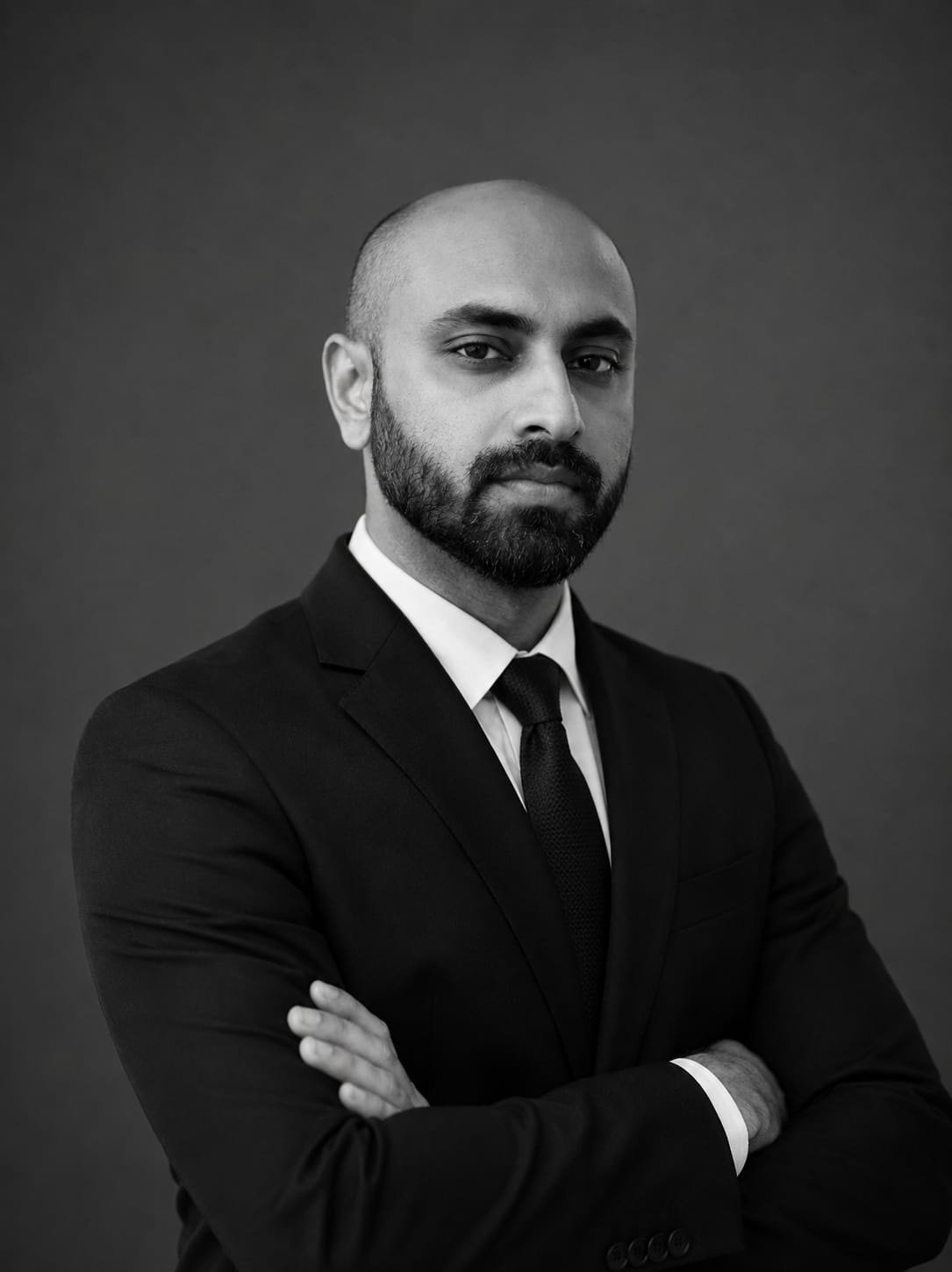
Arfan Shariff is the Co-Founder and Head of Operations at Zawjaan, overseeing platform operations, public relations and strategic partnerships. Drawing on his experience in community engagement, Arfan helps shape Zawjaan's trusted, faith-centred and user-focused approach to Muslim matchmaking, promoting compatibility, authenticity and meaningful lifelong marriages.