


Meet Hajjah Muslim Women Online
For Muslim men, meeting Hajjah Muslim women online can be a respectful way to start a serious relationship. Many local Muslima are open to using dedicated matrimonial platforms that prioritise modesty and family involvement. When creating a profile, be clear about your intentions for marriage and your religious commitment. This approach helps you connect with women who share your values, whether they live in Hajjah city or in nearby villages. Online interaction also allows you to learn about her family background and expectations before taking further steps towards Nikah.
Hajjah Muslim Women for Marriage
In Hajjah, marriage is seen as a sacred bond that unites two families, not just two individuals. For Muslim men, understanding the local perspective on marriage is crucial. Many Hajjah Muslim women value a husband who is devout, responsible, and able to provide for the family. The process often involves both families from the start, with the groom's family formally requesting the bride's hand. Being patient and showing respect for these traditions will help you build trust with a potential wife and her relatives.
Halal Dating with Hajjah Muslim Women
Halal dating in Hajjah means keeping interactions within Islamic boundaries. You might meet a Muslima through a family introduction, at a community event, or via an online platform, but the goal is always marriage. Chaperoned meetings, modest conversation, and avoiding physical intimacy before Nikah are expected. Many Hajjah Muslim women appreciate a man who takes the lead in keeping the relationship pure and respects her limits, which also demonstrates your seriousness about a proper Islamic marriage.
Islamic Nikah in Hajjah
The Islamic Nikah is the cornerstone of a valid marriage in Hajjah, as in the rest of Yemen. For Muslim men, you will need to arrange a Nikah ceremony that satisfies both Islamic requirements and local customs. This typically involves a wali (guardian) for the bride, two male witnesses, and a mahr (dowry) agreed upon in advance. Many couples in Hajjah choose to have the Nikah at a local mosque or at the bride's home, with an imam conducting the ceremony. It is essential to ensure the Nikah is properly documented for legal recognition in Yemen.
Halal Chat with Hajjah Muslim Women
Halal chat with Hajjah Muslim women should be purposeful and respectful. Use online messaging to explore compatibility regarding faith, family, and future goals, while avoiding frivolous or flirtatious conversation. Keep topics appropriate for a potential spouse, and if you sense a genuine connection, suggest involving families early. Many Muslima appreciate a man who uses chat to demonstrate his values, such as his commitment to daily prayers and his vision for a shared life. Remember, the ultimate aim is to move towards a formal engagement.
Hajjah Muslim Singles and Community Networks
As a Muslim man looking for a wife, you may wonder where to find eligible Muslim women in Hajjah. While the city does not have large-scale singles events, opportunities exist through family networks, community gatherings at mosques, and increasingly through online matrimonial services. Many Hajjah Muslim women are open to introductions through trusted relatives or friends. Patience and a genuine approach are key, as families in Hajjah are protective and want to ensure their daughters marry a man of good character and religious commitment.
Marriage Proposals and Khitbah in Hajjah
The proposal, or khitbah, in Hajjah follows a formal process. After you have expressed interest, the woman's family will usually investigate your background, character, and religious practice. If they agree, a formal proposal is made by your family to hers. In some cases, the woman is consulted privately. It is respectful to present the mahr and discuss future plans, such as where you will live and how you will support her. Being transparent about your intentions and financial situation is essential for a smooth proposal.
Physical Appearance of Hajjah Muslim Women
Physical appearance can matter when choosing a spouse, but it should not overshadow religious character and compatibility. In Hajjah, many Muslim women dress modestly, often wearing a hijab and abaya in public, which reflects their faith. Remember that beauty is relative and depends on personal preferences. Focus on what you truly want in a partner rather than societal standards.
Skin, Hair and Eye Colour
In Hajjah, as in Yemen generally, skin tone varies naturally, ranging from fair to deeper shades. Many Muslima have dark hair and eyes, which are often considered attractive. Cultural preferences do exist, but Islam teaches that piety is the best measure of a person. Rather than focusing on a specific colour, consider how a woman presents herself with modesty and grace.
Occupation and Profession
Many Hajjah Muslim women are educated and pursue careers in education, healthcare, or other fields that allow them to contribute to society. Some choose to work from home or in family-run businesses. In marriage, a woman may work outside the home or dedicate herself to the household, depending on mutual agreement. Discussing career plans early can help ensure you are aligned on finances and household responsibilities.
Height
Women in Hajjah come in all heights, and for some Muslim men, height is a consideration. The average height for Yemeni women is around 5 feet 4 inches or approximately 163 centimetres. You may prefer a woman who is shorter or taller, but height often matters less than a woman's overall demeanour and compatibility with you.
Ethnicity and Nationality
Hajjah Muslim women are primarily of Yemeni Arab heritage, with strong tribal and family ties. You may also encounter Muslima from other backgrounds who have settled in the city. While Yemeni culture is rich and diverse, many women place importance on preserving their family traditions. If you are from a different ethnic background, be open to learning about her customs and find common ground in Islam.
Compatibility with Hajjah Muslim Women
True compatibility goes beyond surface-level factors such as appearance or ethnicity. For a lasting marriage, you and your potential wife should share core values and visions for family life. Evaluate how you both view religious practice, finances, and relationships with extended family.
Religious Alignment
In Hajjah, religious practice is generally central to daily life. Most Muslim women follow the Sunni tradition. Discuss your level of religious observance, including prayer, fasting, and other practices. It is important to be on the same page about the role of Islam in your home and any differences in practice. Shared religious alignment helps build a strong spiritual bond.
Cultural Compatibility
Cultural expectations in Hajjah are deeply rooted in Yemeni traditions. You should understand local customs regarding hospitality, gender roles, and family obligations. If you are not Yemeni, be prepared to adapt and respect these traditions. A Muslima from Hajjah may expect you to support her relationship with her family and to participate in cultural celebrations. Openness to her culture is vital for harmony.
Local Muslim Culture
The Muslim community in Hajjah is closely connected, with social life often centred around mosques, family homes, and community events. There is a strong emphasis on communal support and mutual assistance. To be accepted as a suitor, you should show respect for local scholars and elders. Attending prayers at local mosques and getting to know community leaders can help you demonstrate your sincere intentions.
Ideological Viewpoints
While most Hajjah Muslims are Sunni, there are variations in interpretation and practice. Some may be more traditional, while others follow contemporary movements. You should discuss your own theological views and ensure they are not contrary to the mainstream. It is wise to avoid extreme positions and focus on common values to prevent conflict.
Lifestyle Compatibility
Lifestyle expectations in Hajjah involve daily routines, family visits, and financial management. Many households have a modest income, so you and your wife should agree on budgeting and spending. Discuss expectations about living arrangements, whether you will live independently or with extended family. Also consider leisure activities and how you will balance work, worship, and social obligations.
Family Expectations
In Hajjah, a husband is expected to be the provider and protector of his family. Your wife's family will want to see that you can take on this responsibility. You should also expect close relations with your in-laws and frequent family gatherings. Respect for elders is highly valued, so your interactions with her parents and relatives will be important to your marriage's success.
Marriage Goals
Discuss your short- and long-term goals for marriage, such as having children, travelling, or continuing studies. In Hajjah, having children is often seen as a blessing and a natural expectation. You should also plan for financial security, possibly including saving for a home. Aligning your goals helps prevent disappointment and ensures you work together as a team.
Relationship Expectations
You and your wife should agree on how you will communicate, resolve conflicts, and show affection. In many Hajjah marriages, the husband is the decision-maker, but wise couples consult each other. Discuss your expectations about privacy, social life, and the role of in-laws. Clear expectations on both sides contribute to a more peaceful and successful union.
How to Find Muslim Women in Hajjah
Start by telling your family, friends, and imams in your community that you are seeking a spouse. They may know suitable matches. You can also use respected online matrimonial platforms that cater to Muslims, and search specifically for women from Hajjah or Yemen. Be patient and trust in Allah's plan while making earnest efforts.
1. Create a clear marriage profile
Phase 1: Profile CreationCreate a profile that clearly states your faith, family background, and intention for marriage. Be honest about your look and lifestyle, and upload a decent photo of yourself.
2. Search locally and realistically
Phase 2: Local DiscoveryUse search filters to find women in Hajjah. Look for profiles that align with your values and indicate seriousness. Start with smiles and polite greetings.
3. Begin respectful halal chat
Phase 3: Compatibility ScreeningInitiate halal chat by asking about her day and daily life. Keep topics modest and respectful. Avoid private or suggestive questions. Mention your intention to involve families soon.
4. Arrange a public meeting
Phase 4: Face-to-Face CourtshipWhen mutual interest is clear, suggest a public meeting in a café or park, preferably with a relative or friend. Choose simple places like Al-Andalus Park, and always respect strict modesty.
5. Introduce both families
Phase 5: Family MeetingAfter a few positive meetings, request a formal introduction through your family. Her father or guardian will then take the dialogue forward.
6. Prepare the legal documentation
Phase 6: Legal DocumentationIn Yemen, civil marriage matters are managed by local courts. You will both need to appear with witnesses and provide necessary documents. Plan ahead for this step.
7. Complete the Islamic Nikah
Phase 7: Marriage ContractArrange the Nikah at a mosque or at the bride's home. An imam will officiate. Ensure the mahr is agreed on and that two male witnesses are present. Keep the ceremony simple and blessed.
Frequently Asked Questions
How can Muslim men meet Hajjah Muslim women for marriage?
Muslim men can meet Hajjah Muslim women through family networks, community events at local mosques, and online matrimonial platforms. Being sincere and involving your family early is important.
What should Muslim men know about the halal dating process with Muslima in Hajjah?
Halal dating with Muslima in Hajjah means respecting boundaries: you should always meet in public or with family, keep conversations modest, and involve the woman's family as soon as you are serious.
What is the role of a Muslim woman's wali in marriage to a Hajjah resident?
The wali is essential. Without her father or guardian's consent, the Nikah is not valid. The wali represents her interests and approves the potential husband, so gaining his respect is crucial.
How do Muslim women in Hajjah typically approach online matchmaking?
Many Muslima in Hajjah prefer online platforms where they can connect with men who are clear about their intentions. They value modesty and often involve a family member in the conversation early on.
What are the young Muslim girls in Hajjah looking for in a husband?
Young Muslim girls in Hajjah often seek a husband who is religious, responsible, and able to support a family. They value kindness, respect for family, and a serious attitude towards marriage.
About the Author
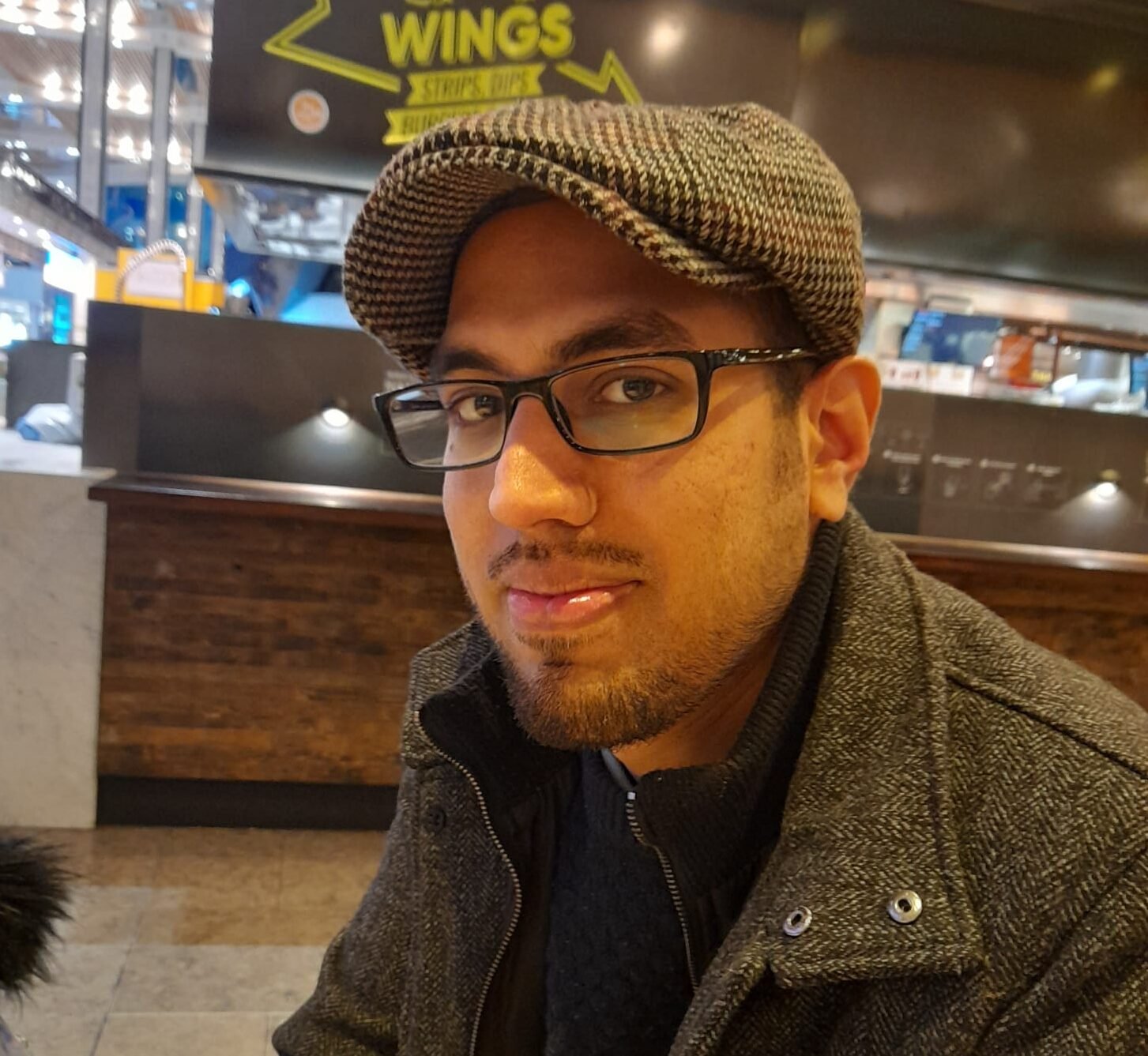
Majduddin Mohammed is the Co-Founder and Head of Marketing Analytics at Zawjaan, where he leads marketing campaigns, search strategy and data-driven growth initiatives for the platform. His work focuses on using data-driven analytics, community expertise, and digital insights to improve how Muslim singles discover and engage with Zawjaan while helping them connect with the shared goal of marriage.