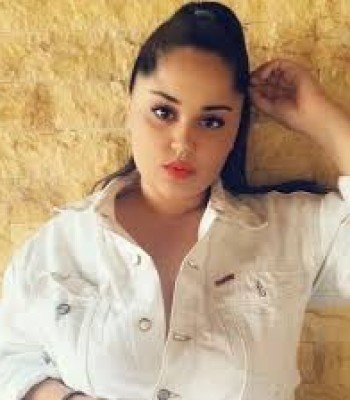



Why Ugandan Muslim Women Value Serious Marriage Intent
Ugandan Muslim women, like women everywhere, seek a husband who is serious about marriage and not casual dating. In a society where family and faith are intertwined, a clear intention is essential.
When approaching a potential wife, whether via Zawjaan or through family, be clear about your intention to marry. Ambiguity is often viewed with suspicion and can close doors that sincerity would keep open.
Many Ugandan Muslim women participate in matchmaking because they are ready for marriage. They appreciate a man who has done his homework, understands his responsibilities, and is prepared to lead a household with Islamic principles.
Your seriousness is reflected in your actions: taking the time to learn about her deen and character, involving your family early, and moving forward with a clear plan for the nikah. This is what sets apart a potential husband from a time-waster.
- Clearly state your intention to marry early in conversations.
- Involve your family or a trusted representative at the right time.
- Move the conversation towards practical steps, such as engagement and mahr.
- Show consistency between your words and actions.
The Ugandan Muslim Community: Diversity and Unity for a Muslim Man Seeking a Wife
Uganda’s Muslim community is diverse in ethnicity, language, and cultural practices, yet united in faith. Understanding this diversity is key to finding a compatible wife.
Uganda is home to indigenous Muslims and those of Asian, Arab, and Somali descent. Each community has its own customs regarding marriage, from courtship to celebration.
Most Ugandan Muslims are Sunni, following the Shafi’i school of jurisprudence, though other schools are present. This shared fiqh background can facilitate agreement on religious practices in the home.
As a man, you may find that some families are more traditional, expecting a formal approach through elders, while others may be open to more modern, yet halal, introductions. Respecting these differences is crucial.
- Learn about the specific cultural traditions of her community.
- Be prepared to adapt to local customs for engagement ceremonies and wedding celebrations.
- Understand that Islam unites, but culture varies; do not assume a one-size-fits-all approach.
- Seek guidance from local imams or respected community members if unsure.
Muslim Communities in Kampala and Beyond
Kampala has large Muslim populations in areas like Old Kampala, Nsambya, and Kisenyi. Beyond the capital, cities like Jinja, Mbale, and Mbarara also have significant Muslim communities.
Each city has its own social networks and matchmaking norms. For example, in some areas, the mosque is central to introductions, while in others, family ties are more important.
Assessing Deen, Character, and Compatibility in Ugandan Muslim Women
When evaluating a potential wife, her religiosity and character are of utmost importance, as they form the foundation of a successful Islamic marriage.
Seek a woman who prays regularly, fasts in Ramadan, and has knowledge of her religion. But beyond ritual, look for honesty, kindness, and patience, as these traits will foster a loving home.
In Uganda, many Muslim women are active in community activities, study circles, and charity, which can indicate strong character and a balanced life.
Compatibility is not about identical backgrounds, but shared values and life goals. Discuss your expectations about faith practice, family life, and finances openly.
- Observe how she speaks about her parents and elders.
- Ask questions about her daily routine, including salat and Quran reading.
- Note how she interacts with others, including service workers and the poor.
- Ensure her understanding of Islamic gender roles aligns with yours.
Navigating Family Expectations and Involvement with Ugandan Muslim Women
In Uganda, the family is deeply involved in marriage. As a potential groom, you must be prepared to respect and navigate these expectations with tact and Islamic etiquette.
In many Ugandan cultures, the groom’s family is expected to formally ask for the bride’s hand. This usually involves a visit to her parents, carrying gifts, and making a formal request.
Expect that her father or male guardian will have significant say. Gain his trust by showing your religious commitment and your ability to provide, as Islam requires.
Family expectations may also include a specific mahr, which can be in money, property, or other assets. Discuss these matters openly, but never disparage a request as ‘extortion’; instead, negotiate with respect as the Prophet ﷺ did.
- Request an official introduction through her family or representative.
- Prepare to present yourself to her father or male guardian.
- Decide on a mahr that is within your means but honours her family’s wishes.
- Involve your own father or an elder male relative in the negotiations.
Halal Communication: Approaching Ugandan Muslim Women Respectfully
Islam mandates that communication between unrelated men and women be conducted with propriety, safeguarding your own purity and hers.
When contacting a potential wife, ensure there is a valid Islamic reason. Your messages should be purposeful, respectful, and free from flirtation.
It is often better to have initial conversations in the presence of a family member or online through a platform like Zawjaan, which maintains Islamic guidelines.
Avoid lengthy private chats that lead nowhere. Keep the discussion focused on evaluating compatibility for marriage, and involve family as soon as possible.
- Speak with dignity, lowering your gaze and avoiding joking or sarcasm.
- Ask meaningful questions about her faith, education, and family.
- Set a timeline to involve her guardian after initial compatibility.
- If you sense incompatibility, end the contact respectfully and move on.
Finding Ugandan Muslim Women through Marriage-Focused Online Matchmaking
Online matchmaking portals like Zawjaan offer an efficient and halal way to connect with marriage-minded Muslim women in Uganda.
These platforms allow you to filter based on religious practice, education, and regional preferences, saving time and effort.
Women on such sites are often serious and appreciate men who are equally committed. Your profile should reflect your values and intentions clearly.
Remember that online interaction is a starting point; the ultimate goal is to meet her family and conduct the nikah in a traditional Islamic manner.
- Create an honest profile, highlighting your deen and family values.
- Use the platform’s messaging features to communicate within set boundaries.
- Attend local Islamic events or use the platform’s community features to expand your network.
- Always involve a mahram or brother in the process when meeting in person.
Preparing for Nikah and Mahr with a Ugandan Muslim Woman
When you have found a potential wife in Uganda, understanding the local nikah and mahr practices helps you approach the process with confidence and respect.
The nikah in Uganda is an Islamic marriage contract performed according to Sunni or Shia traditions, depending on the community. It requires the consent of the bride, the presence of two male witnesses, and a mahr agreed by both families.
The mahr is a mandatory gift from the groom to the bride, symbolising his commitment and respect. Its value is negotiated openly, and it can be cash, gold, or any mutually agreed asset.
In Uganda, the nikah is often followed by a walima, a feast hosted by the groom after consummation. This celebration is an expression of gratitude and a public declaration of the marriage.
Some families also hold a solemnisation ceremony at a mosque or an Islamic centre in Kampala. The imam may provide guidance on the Islamic requirements and the local customs.
You should clarify the mahr amount and the date of payment with the bride’s family before the nikah. Transparency at this stage prevents misunderstandings later.
- Discuss the mahr openly and agree on its form and timing.
- Arrange for the presence of the bride’s guardian (wali) and witnesses.
- Plan the walima and decide on the venue, budget, and guest list.
- Obtain all necessary documents, including identification and proof of divorce if applicable.
Role of the Imam and Mosque
In Uganda, imams at local mosques often officiate the nikah and provide pre-marital counselling. They can explain the rights and duties of both spouses.
If you are marrying a woman from a rural area, the imam may travel to her village for the ceremony. This is common in places like Jinja or Mbale, but it is still arranged respectfully.
Understanding Cultural Diversity Among Ugandan Muslim Women
Uganda’s Muslim community is diverse, with influences from various ethnic groups and historical connections to the Swahili coast and the Middle East. Avoid stereotypes and get to know each individual.
Ugandan Muslims belong to many ethnic communities, including the Baganda, Basoga, and the Swahili-speaking groups along the coast. Each has its own traditions, languages, and family customs.
While Islam unites them, cultural practices vary. For example, wedding celebrations may include traditional dance and dress alongside Islamic rituals.
A potential wife from Kampala may have a more urban lifestyle, while a woman from a rural area might have different expectations about daily life and family roles.
Respect cultural differences and learn about her family’s specific traditions. Ask questions and show genuine interest in her background.
Your deen and character matter more than ethnicity. Focus on the individual, not on generalisations.
- Learn about her ethnic background and how Islam is practised in her family.
- Be open to variations in customs, such as the role of the wali or the style of the walima.
- Avoid assuming that all Ugandan Muslim women share the same views on education, career, or family size.
Swahili Influence and Islamic Practice
The Swahili culture has a strong presence in Uganda’s Muslim community, especially in eastern regions. This influences language, dress, and food.
For instance, some families may speak Kiswahili at home and enjoy dishes like pilau and biryani, which have Arab and Indian origins.
Understanding these cultural nuances helps you build rapport and shows respect for her heritage.
Shared Meals and Eid Gatherings with a Ugandan Wife
Food and Eid celebrations are an important part of Ugandan Muslim life. Knowing what to expect helps you connect with her family and shows your appreciation for her culture.
Ugandan Muslim cuisine is diverse, with popular dishes like matoke (steamed plantains), luwombo (stew wrapped in banana leaves), and rolex (a chapati omelette) available on streets in Kampala.
During Ramadan, families break their fast with dates and water, then enjoy hearty meals such as rice, meat stew, and samosas. These shared meals are a time for bonding.
Eid al-Fitr and Eid al-Adha are celebrated with special prayers at the mosque, new clothes, and visits to relatives. Women often wear colourful dresses, while men wear kanzus or suits.
As a husband, you are expected to provide for the Eid feast and participate in the celebrations. This is a time to show generosity and hospitality.
Learning to enjoy local dishes and participating in Eid traditions will endear you to your wife and her family.
- Ask her about her favourite family recipes and try them.
- Offer to help with the Eid preparations, even if it is just shopping for groceries.
- Dress modestly and appropriately for the occasion, reflecting the local customs.
Eid Dress and Modesty
For Eid prayers, Ugandan Muslim men typically wear a kanzu (a long white robe) and a kofia (cap). Women wear hijabs and elegant dresses, often in bright colours.
When you attend Eid with your wife, match the level of modesty and formality expected by her family. This shows respect for their traditions.
Approaching a Ugandan Muslim Woman’s Family Respectfully
In Uganda, family approval is central to a successful Islamic marriage. Approaching her family with respect and sincerity is essential.
Before you approach the family, ensure you have met the woman in a halal manner and are serious about marriage. The family will appreciate your clear intention.
In Uganda, it is common for the man to first speak with the woman’s father or guardian in person. If you live abroad, you may need to arrange a visit or request a video call.
When you meet, present yourself confidently, dress modestly, and bring a small gift, such as dates or fruit. This shows goodwill.
Be prepared to discuss your employment, education, and family background. The family will want to ensure you can provide for their daughter.
Express your respect for the family’s role and your intention to follow Islamic principles in your marriage.
- Arrange a meeting through a mutual contact or the imam.
- Be honest about your circumstances and future plans.
- Understand that the family may ask about your deen, character, and long-term intentions.
- If her family is in a rural area, be prepared to travel to meet them, showing your commitment.
Role of the Wali in Uganda
In Uganda, the wali (guardian) is typically the father, but in his absence, a male relative or the imam may act as wali.
The wali is required for the nikah to be valid, so it is important to establish a respectful relationship with him.
City and Rural Differences for a Potential Wife in Uganda
Uganda has diverse living environments, from the capital Kampala to rural villages. Understand how location affects lifestyle and expectations.
Kampala is the largest city and home to many Muslims. Here, you will find busy markets, mosques, and a more cosmopolitan lifestyle. A Kampala-based woman may be accustomed to a higher standard of living and more career opportunities.
In contrast, a woman from a rural area, such as the eastern region, may have a simpler lifestyle, with a stronger emphasis on family and community. She may expect more traditional gender roles.
Consider the implications for your marriage. Will she move to your city or country? Is she willing to relocate? These discussions should happen early.
Living costs and amenities vary significantly. Kampala has international schools and good hospitals, while rural areas may lack such facilities.
Your decision should be based on mutual agreement and what is best for your future family.
- Discuss preferred place of residence and career aspirations.
- Visit her hometown, if possible, to understand her upbringing.
- Consider the climate and cultural differences if you plan to bring her abroad.
Living in Kampala as a Couple
Kampala offers many opportunities for a married couple, including mosques, Islamic schools, and community events. It is also a hub for business and employment.
If you plan to live in Kampala, you will need to find suitable housing, perhaps in areas like Ntinda or Old Kampala, which have significant Muslim populations.
Marriage Readiness and Practical Next Steps for a Husband in Uganda
Before you start your search or move forward, assess your readiness to be a husband to a Ugandan Muslim woman. Practical steps will help you succeed.
Marriage readiness involves more than just a desire to marry. It includes financial stability, emotional maturity, and a commitment to Islamic values.
You should be clear about your expectations for your wife’s role, family size, and living arrangements. Discuss these openly with potential partners.
If you are considering online matchmaking, Zawjaan allows you to communicate with intent. Use this platform to get to know a woman’s deen and character before involving families.
Plan your next steps: define your budget, timeline, and the support network you will rely on in Uganda.
Seek advice from married friends or an imam about navigating cross-cultural marriages and settling in Uganda or relocating her abroad.
- Assess your financial capacity for mahr, wedding, and ongoing support.
- Decide on the living arrangements, whether in Uganda or abroad.
- Learn about the legal requirements for marriage in Uganda, including registration.
- Prepare your documentation, such as passport, divorce papers if relevant, and income proof.
- Utilise Zawjaan to find serious, marriage-minded Muslim women in Uganda.
Long-Distance and Relocation
If you are living abroad, long-distance communication is common. Use video calls to build a connection and involve her family early.
Relocation planning is crucial. If you plan to bring her to your country, research visa requirements and ensure she has adequate support.
How to Approach Ugandan Muslim Women for Marriage
A marriage-focused process for Muslim men approaching a Ugandan Muslim woman in Uganda for serious Islamic marriage.
- Clarify serious marriage intention: Approach the Ugandan Muslim woman with a clear marriage purpose rather than casual dating, and keep early communication respectful and halal.
- Involve her family appropriately: Respect her preferred level of family or wali involvement and move the conversation towards a transparent, marriage-minded process at an appropriate stage.
- Assess deen and compatibility: Discuss religious practice, values, character, communication, family expectations and long-term goals without treating cultural customs as Islamic requirements.
- Discuss practical marriage expectations: Talk openly about mahr, finances, housing, work, children, family responsibilities, location and relocation where relevant.
- Agree the route towards Islamic nikah: If both sides are compatible, agree the next family, legal and practical steps needed to prepare responsibly for an Islamic nikah.
Frequently Asked Questions
What is the typical mahr in Uganda?
The mahr varies depending on the family’s economic status and the bride’s education. It can range from a few hundred thousand shillings to several million, or it may be non-monetary items like gold. It’s negotiated mutually.
How important is family involvement in a Ugandan Muslim marriage?
Family involvement is very important. The wali must consent, and the family’s blessing is often sought for long-term harmony. Many couples involve parents from the beginning.
Can a Ugandan Muslim woman wear Western clothing?
Yes, many Ugandan Muslim women wear modern modest clothing, while some prefer traditional African attire. It depends on her personal and cultural preferences.
Are there many eligible Muslim women in Uganda?
Uganda has a significant Muslim population, about 12-14% of the country. There are many marriage-minded women, and Zawjaan can help you connect with them.
What is the proper way to approach a family in Uganda?
You should first contact the woman in a halal way, then approach her father or guardian. Be polite, present your intentions clearly, and involve an imam if needed.
How does Zawjaan help me find a wife in Uganda?
Zawjaan allows you to create a profile, search for serious women, and communicate in a halal manner, with the intention of marriage. You can filter by location and religious practice.
About the Author
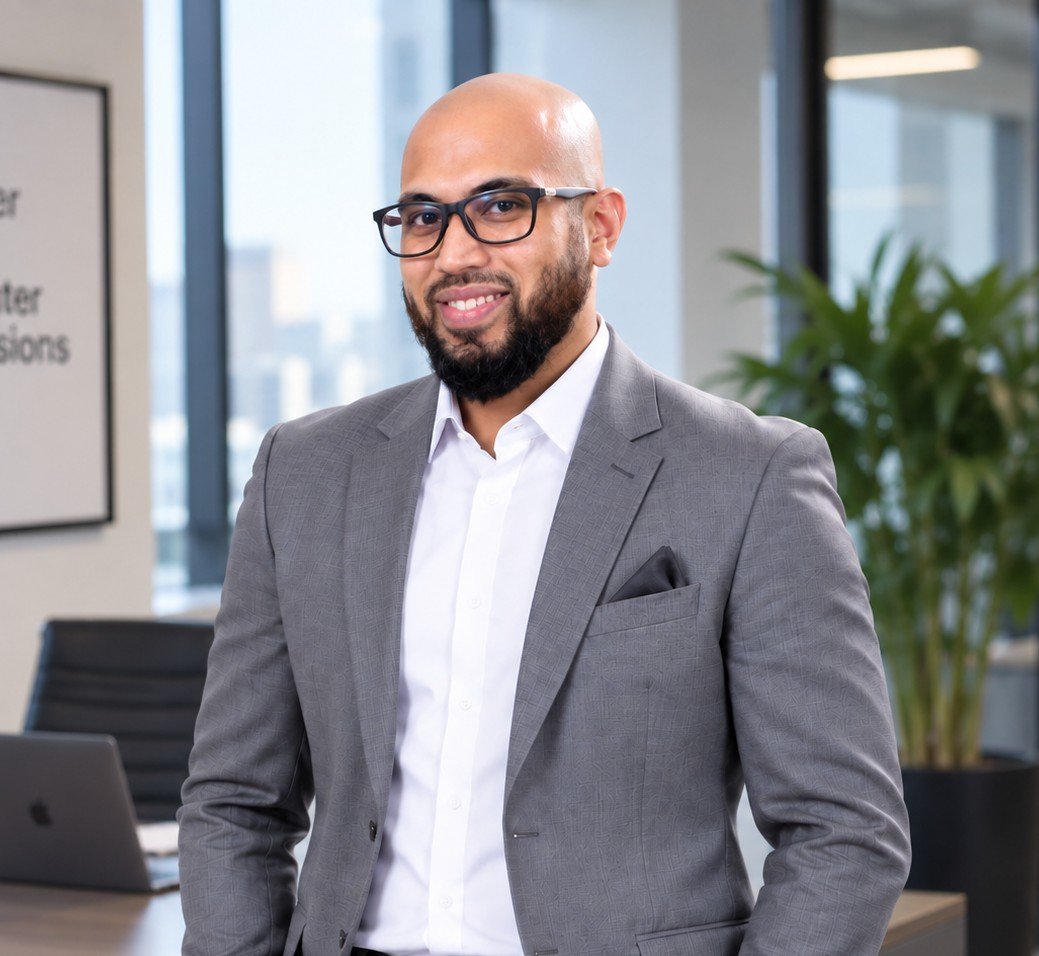
Nasehuddin Mohammed is the Co-Founder and Head of Technology at Zawjaan, where he leads product quality and the platform’s technological development. His work spans user experience and interface development, matchmaking strategies, and community-centred communication experiences designed to help Muslims build serious, marriage-minded connections.