

Meet Khartoum Muslim Women Online
Khartoum's online matchmaking scene grows steadily, with platforms like Zawjaan tailored for serious Muslim singles. Here you can find Khartoum Muslim women who share your values and marriage intentions. Beyond dedicated apps, Sudanese diaspora forums and Facebook groups offer informal yet respectful meeting grounds. Approach online interactions with the same etiquette you would in person: clear intentions, modesty, and honesty. Verify profiles through video chats and involve family early if interest is mutual, ensuring the digital path remains a halal bridge to nikah.
Khartoum Muslim Women for Marriage
In Khartoum, marriage represents a sacred covenant, uniting families and individuals in faith. Social expectations often prioritise religious devotion, familial respect, and shared cultural roots. Many couples meet through family introductions or at weddings, then engage in a supervised courtship, often with a mahram present. The city's warmth and strong community networks ease the search, yet the rising cost of housing and wedding celebrations weighs on many. Patience, openness to family guidance, and a sincere nikah intention are central to navigating Khartoum's path to marriage.
Halal Dating with Khartoum Muslim Women
Halal dating for Khartoum Muslim women centres on chaperoned, purposeful interactions. This may include family-facilitated meetings at home, coffee at a reputable venue, or attending religious events together. The principle of avoiding seclusion with an unrelated woman is upheld, so meetings often include a mahram or occur in public spaces. This framework does not diminish romance but directs it within boundaries set by Allah, allowing both parties to focus on character and compatibility while seeking a partnership grounded in faith.
Islamic Nikah in Khartoum
The Islamic nikah is the cornerstone of marriage in Khartoum, uniting the couple before Allah and their community. Typically performed at a mosque or home, it requires the presence of the bride's guardian (wali), two witnesses, and an agreed-upon mahr. Many couples obtain a civil marriage certificate alongside for legal recognition under Sudanese law. Local imams and family elders often guide the process, ensuring both religious and civic requirements are met, making the union complete and blessed.
Halal Chat with Khartoum Muslim Women
Halal chat for Khartoum Muslim women thrives on respectful, purposeful conversation. Platforms like Zawjaan provide chat features designed to keep intentions clear and boundaries intact. Discard idle small talk; instead, discuss values, aspirations, and your vision for a family. Share questions about faith, education, and daily life in Khartoum, easing into deeper topics as trust builds. Always maintain modesty and involve a guardian if conversation shifts towards seriousness, safeguarding your halal journey.
Khartoum Muslim Singles and Community Networks
Khartoum's Muslim singles, including educated professionals and students, are increasingly turning to structured platforms to find spouses. The city's youth often balance traditional family expectations with modern aspirations. Events at Islamic centres, university societies, and community gatherings offer organic opportunities. Yet, many appreciate the discretion and breadth of online matching, where filters can align on faith, education, and cultural background. For an intentional Sikh, focusing on character and shared goals, rather than superficiality, is key.
Marriage Proposals and Khitbah in Khartoum
When a proposal (khitbah) feels right in Khartoum, the next steps carry tradition. Typically, the man’s family approaches the woman’s family, sometimes with a mutual friend or imam as liaison. A formal meeting in her family’s home allows both sides to converse, and the woman’s opinion is highly respected. After agreement, an engagement may follow, often simple, meaning a ring and a smaller celebration. This period enables families to know each other, paving the way for the nikah.
Physical Appearance of Khartoum Muslim Women
While beauty is subjective, Khartoum Muslim women are often admired for their graceful presence and modest style. Beyond physical traits, a woman's grooming, the elegance of her hijab, and her confidence carry deep appeal. Many prefer natural features with minimal make-up, reflecting a modest demeanour. Remember that beauty is relative and depends on personal preferences. Focus on what you truly want in a partner rather than societal standards.
Skin, Hair and Eye Colour
In Khartoum, skin, hair, and eye colours vary beautifully, from deep brown to ebony, with hair textures ranging from tightly coiled to wavy, often worn under the hijab. Eye colours include rich browns and occasionally hazel. These features are part of a diverse genetic tapestry. In the search for a wife, these outward characteristics are secondary to the inner light of faith and character, which truly embellish a Muslima.
Occupation and Profession
Many Khartoum Muslim women pursue meaningful careers, contributing to fields like education, healthcare, and public service. Teaching and nursing are prominent, while others excel in engineering, finance, or entrepreneurship, often balancing work with family responsibilities. The city's universities, such as the University of Khartoum, produce many graduates. When considering a match, appreciate her professional ambitions and the respect she brings to her work, as a supportive partnership strengthens the home.
Height
Height is a minor consideration in marriage, yet some men have preferences. The average height for Khartoum Muslim women is around 5 feet 4 inches or approximately 163 centimetres, and this frames a petite yet poised stature. Such a height aligns beautifully between partners, but Islam reminds us that the best partners are chosen for their faith and character, not physical measurements.
Ethnicity and Nationality
Khartoum is historically diverse, being home to numerous ethnic groups including the Sudanese Arabs, Beja, Nubians, and various African communities. This diversity enriches the cultural fabric, and many women identify w ith a blend of these heritages. Respect for her specific ethnic background, customs, and language is crucial. A harmonious marriage often embraces these differences, celebrating shared Islamic values while honouring each family's unique traditions.
Compatibility with Khartoum Muslim Women
True compatibility for Khartoum Muslim women goes beyond surface traits, touching faith, worldview, lifestyle, and family values. This guide outlines key dimensions to consider together, helping you assess whether your life goals and daily habits align before proceeding.
Religious Alignment
Shared faith is the core of your union. In Khartoum, this means observing the five daily prayers, fasting in Ramadan, and seeking halal livelihoods. Discuss your understanding of Quran and Sunnah, and how you will nurture your home with Islamic teachings. Look for a woman who strives in her deen, as it ensures you grow together spiritually. Attend lectures at mosques like Grand Al-Fateh to deepen your shared foundation.
Cultural Compatibility
Cultural compatibility in Khartoum often involves rhythmic gatherings, shared meals of foul and kisra, and respect for elders. Discuss your expectations around family visits, holiday celebrations, and social customs. Both of you may come from different ethnic backgrounds, so be open to learning and adapting. Harmony arises when neither suppresses the other, but instead, you build a new culture together, blessed by Allah.
Local Muslim Culture
Khartoum's Muslim identity is intertwined with daily life. The call to prayer echoes across the city, and Friday sermons at the Grand Mosque draw large congregations. During Ramadan, the iftar cannon signals breaking the fast, and Eid prayers unite communities. A woman shaped by this culture brings a natural rhythm to your home. Respect these traditions, and you will find a receptive heart, particularly if you appreciate the peaceful essence of Sudan's Islamic heritage.
Ideological Viewpoints
While both adhere to Sunni Islam, Khartoum hosts various Sufi and Salafi influences. A woman may follow one tariqa (order) or another, and her family might strongly identify with a specific school of thought. Discuss theological leanings gently, ensuring neither sees the other as deviant. If you disagree on peripheral issues, focus on the core tenets. Tolerance here paves the way for a stable union, avoiding unnecessary disputes.
Lifestyle Compatibility
Daily life in Khartoum faces challenges like intermittent electricity and economic hardship. A compatible lifestyle balances professional ambitions with home management. Discuss your routines, from prayer times to meals and leisure. If she works, who manages household duties? Simple habits, like morning tea at Al-Salam or evening walks by the Nile, can strengthen your bond. Ensure your lifestyle expectations are realistic and mutually agreeable.
Family Expectations
In Khartoum, marriage joins families, not just individuals. Expect her family to be involved in decisions, and prepare to engage warmly with her relatives, attending visits and celebrations. Her family may expect the groom to provide a suitable mahr and support for the wedding. Discuss how often you'll visit each family, and set respectful boundaries that protect your marital privacy while honouring kin. Clear communication eases tensions.
Marriage Goals
Align your long-term aspirations with hers. Do you both desire children, and how many? What kind of upbringing, with emphasis on Qur'anic memorisation and Islamic education? Consider financial stability, perhaps saving to own a home in a neighbourhood like Riyadh or Arkawit. Discuss plans for further studies, entrepreneurship, or possibly migration abroad. Shared goals give your marriage direction and resilience.
Relationship Expectations
A healthy relationship with a Khartoum Muslim woman thrives on mutual respect, kindness, and clear communication. Expect her to be a devoted partner, supportive of your leadership as long as you consult her. Share household responsibilities and decisions. In conflict, avoid harshness; instead, resolve issues with calm, referencing Quranic guidance. Affection, when appropriate, strengthens your bond. Both must commit to patience and compromise.
How to Find Muslim Women in Khartoum
Finding a Khartoum Muslim woman starts with sincere intention and reliance on Allah. Avoid wasting time on casual, non-committal interactions. Utilise your community network: ask imams, attend gatherings, and let your family spread the word. Online platforms like Zawjaan broaden your reach while maintaining halal boundaries. Always involve a wali early in serious talks, ensuring your search remains respectful and blessed.
1. Create a clear marriage profile
Phase 1: Profile CreationCreate a profile on Zawjaan with clear intentions, honest details, and recent photos. Highlight your commitment to Islamic values and marriage. For Khartoum, mention your tribe, education, and living arrangements to attract compatible matches.
2. Search locally and realistically
Phase 2: Local DiscoveryUse search filters to narrow down to Khartoum and Sudan. Save favourites and note neighbourhoods like Burri or Amarat. Attend local community events advertised on the platform to increase face-to-face familiarity.
3. Begin respectful halal chat
Phase 3: Compatibility ScreeningInitiate chat with respectful greetings and a clear purpose. Ask meaningful questions about her faith practice and daily life in Khartoum. Avoid excessive social banter, and keep conversations within the platform until trust is built.
4. Arrange a public meeting
Phase 4: Face-to-Face CourtshipWhen both agree, plan a public meeting at a family-friendly cafe such as Al-Salam or Tugatheer. Some families may prefer a chaperoned gathering at her home or in a mosque courtyard. Always maintain modesty and dhikr in your interactions.
5. Introduce both families
Phase 5: Family MeetingSeek her family's permission formally, often through your family or an imam. Arrange a visit to her home to express your intentions. Honour the mahr and be prepared to discuss engagement traditions with her guardian.
6. Prepare the legal documentation
Phase 6: Legal DocumentationIn Sudan, civil marriage registration is vital for legal rights. Obtain a marriage certificate from the civil registry, which typically requires identification and witnesses. Some couples first complete the nikah ceremony, then register civilly.
7. Complete the Islamic Nikah
Phase 7: Marriage ContractArrange the nikah at a mosque, such as Grand Al-Fateh or Al-Sheikh, with an imam officiating. Ensure the presence of her wali and two witnesses. Decide on the mahr, and sign the marriage contract, sealing the blessed union.
Frequently Asked Questions
How can Muslim men meet Khartoum Muslim women for marriage?
Begin with family and community networks, and approach imams at places like the Grand Al-Fateh Mosque. Online platforms like Zawjaan are also popular, offering halal methods to connect with Khartoum Muslima.
What qualities do Khartoum Muslim women usually value in a partner?
They typically seek a man with strong Islamic character, stable income, and respect for cultural traditions. Education and family approval are also important in Sudan's capital.
Are there specific halal dating etiquette for Muslim men in Khartoum?
Meetings should be public or chaperoned, with modest dress and conversations. Avoid seclusion. Involve a wali early. This aligns with Islamic principles and Sudanese social norms.
What role do families play in arranging a marriage with a Muslima in Khartoum?
Families often initiate introductions and welcome meetings between parents. They provide guidance and approval, and their blessing is highly respected. It is advisable to keep families informed and involved.
How can Muslim men ensure a Khartoum Muslim woman's intentions are serious for marriage?
Engage in purposeful conversations about marriage goals and involve the families early. Online interactions should quickly move to video calls with a guardian presence, if possible, to verify sincerity.
About the Author
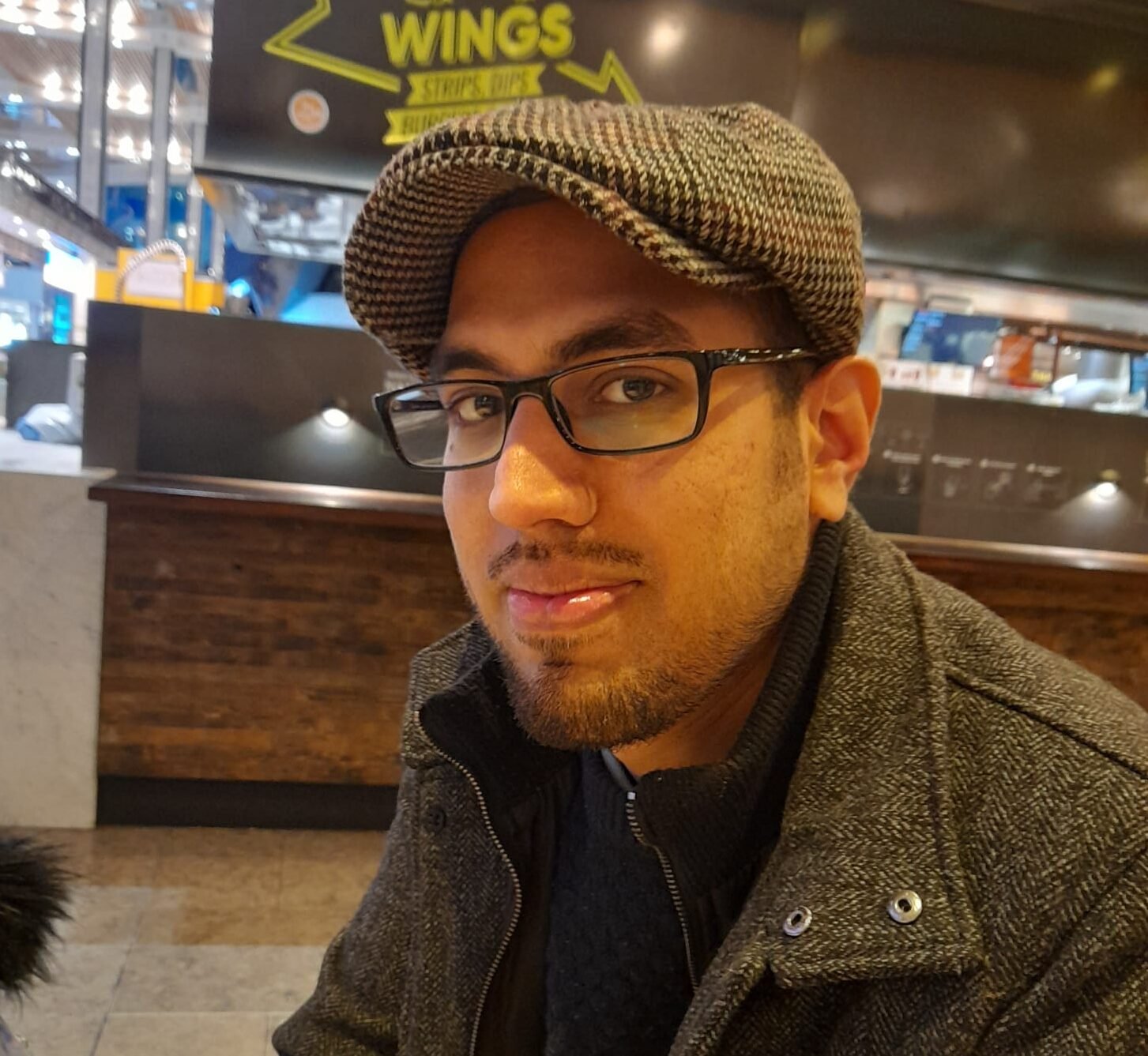
Majduddin Mohammed is the Co-Founder and Head of Marketing Analytics at Zawjaan, where he leads marketing campaigns, search strategy and data-driven growth initiatives for the platform. His work focuses on using data-driven analytics, community expertise, and digital insights to improve how Muslim singles discover and engage with Zawjaan while helping them connect with the shared goal of marriage.