



Serious Muslim Marriage Intent in South Sudan: What It Means for You
Approaching marriage in South Sudan requires clarity of purpose and a commitment to halal means.
Marriage in South Sudan is a significant life step, often involving extended family and community expectations. As a Muslim man, your seriousness is measured by your readiness to provide, protect, and lead a household.
Before initiating contact, ensure your intention is purely for Allah and the establishment of a righteous family. This clarity will guide your interactions and decisions.
The local Muslim community, though small, holds marriage in high regard. Elders and religious leaders play an important role in facilitating unions, and their involvement can add barakah to your search.
- Define your non-negotiables in faith and character before searching.
- Understand that marriage is a lifelong covenant requiring responsibility.
- Be prepared to involve your family and hers in the process.
- Focus on compatibility in deen, lifestyle, and future goals.
Understanding the South Sudanese Muslim Community for Grooms
Knowing the community context helps you navigate social norms and expectations respectfully.
Muslims in South Sudan are a minority, primarily concentrated in urban centres like Juba and some northern areas. This shapes a community that is interconnected, where reputation and family honour matter.
Religious practice varies; some families are devout, while others may be more culturally traditional. It is wise to ask about a family’s religious observance respectfully.
Many South Sudanese Muslims follow the Maliki school of fiqh, but differences exist. Approach such matters with tolerance and a focus on core Islamic principles.
- Respect local customs around greetings and modesty.
- Build trust by showing respect to elders and community leaders.
- Be aware that regional ethnicities have diverse cultural traditions that are not Islamic requirements.
- Seek out the local mosque for guidance and networking.
Religious and Cultural Landscape
Although Muslims are a minority, Islamic practice coexists with diverse ethnic customs. Do not assume all South Sudanese Muslims share identical cultural practices.
In larger towns, you may find Islamic schools and community centres that can introduce you to eligible families in a respectful manner.
Assessing Deen and Character in a Potential South Sudanese Wife
Compatibility in faith and character is the bedrock of a successful marriage.
When evaluating a potential wife, observe her commitment to prayer, modesty, and Islamic manners. Consistency in practice is more telling than occasional displays of religiosity.
Character is equally important; look for honesty, kindness, and respect for parents. These traits will shape your home’s atmosphere.
Do not overlook the family’s religious environment. A supportive family can strengthen her faith and your relationship.
- Ask about her daily prayers and Islamic knowledge.
- Notice how she treats her parents and elders.
- Discuss your expectations regarding hijab, modesty, and lifestyle.
- Involve your family and local imam for a balanced perspective.
Practical Steps to Gauge Compatibility
Arrange a chaperoned meeting where Islamic topics are discussed naturally. This reveals her understanding and interest.
Seek feedback from trustworthy relatives who know the family. Their insights can complement your own observations.
- Begin with istikhara and involve a trusted person to propose.
- Conduct a halal meeting with a wali present.
- Discuss key aspects of deen, career, and family plans.
- Make a decision based on faith and character, not financial status alone.
South Sudanese Family Expectations and Involvement in Marriage
Family involvement is central in South Sudanese marriages, and understanding this is key to a harmonious union.
In South Sudan, marriage is seen as a union of families, not just individuals. Her parents, uncles, and community leaders may all have a say in the proceedings.
Expect that her family will want to know your background, income, and religious practice. This is not distrust but a sign of responsibility.
Your own family’s involvement is equally important. Bring your parents or a senior relative early in the process to show seriousness and respect.
- Approach the family through a respected intermediary to propose respectfully.
- Be prepared to discuss your financial capability and housing plans.
- Show respect to her parents and extended family, especially elders.
- Understand that the dowry and celebration customs vary according to tribe and family.
- Maintain open communication with your family about expectations.
The Role of the Wali
For a Muslim marriage, the presence of the bride’s wali is essential. In South Sudan, the wali is often the father or a close male relative.
Confirm who will act as wali and ensure he agrees with the proposal. This is a matter that cannot be bypassed in Islamic nikah.
Halal Communication with a South Sudanese Bride-to-Be
Maintaining Islamic boundaries in communication is essential during the courtship period.
In today’s digital age, it is tempting to chat extensively with a potential wife. However, Islam sets clear rules: keep conversations purposeful, respectful, and chaperoned.
Always involve her wali in the initial contact. This protects everyone and ensures the process is honourable.
When you do communicate, focus on topics that matter for marriage: faith, values, lifestyle, and future plans. Avoid frivolous or emotional exchanges.
- Introduce yourself through a trusted intermediary or the family.
- Use text or video calls for serious discussions, not romantic banter.
- Keep a third party aware of your conversations.
- Avoid private one-on-one meetings without a chaperone.
- Conclude with a clear yes or no to avoid unnecessary attachment.
What to Discuss to Ensure Clarity
Discuss her expectations of a husband, living arrangements, and religious goals.
Clarify any issues regarding relocation or travel, especially if you live abroad.
Using Online Matchmaking to Find a South Sudanese Wife Respectfully
Online platforms like Zawjaan can help you connect with marriage-minded South Sudanese Muslim women while observing Islamic decorum.
Zawjaan is designed for serious Muslims seeking marriage. You can create a profile that reflects your intentions and search for South Sudanese women who meet your criteria.
When contacting a woman on such platforms, do so with professionalism and integrity. Avoid wasting her time if you are not serious.
Always transfer contact to her family or wali once initial interest is confirmed. The platform facilitates introduction, not courtship.
- Create a truthful profile detailing your religiosity, profession, and marital goals.
- Use search filters to find South Sudanese women who share your values.
- Initiate contact with a polite, respectful message introducing yourself and your intentions.
- Involve her wali early in the process to ensure halal progression.
- Do not engage in lengthy private chats without the family’s knowledge.
Nikah and Mahr for a South Sudanese Bride
Preparing for the Islamic marriage contract is a significant step. Understanding the nikah and mahr expectations for a South Sudanese bride ensures a respectful and blessed beginning.
The nikah is a solemn agreement between a man and a woman, witnessed by family and community. It is the foundation of a halal and purposeful marriage.
Mahr is a gift from the groom to the bride, symbolising his commitment and responsibility. The amount and form of mahr are matters of mutual agreement.
In South Sudanese communities, mahr may be modest and agreed upon by both families. It is often given in cash or gold, but any valuable agreed item is acceptable.
- Discuss mahr openly and respectfully, considering the bride’s preferences and the groom’s means.
- Ensure the marriage contract is performed by a qualified imam or Islamic authority.
- Involve both families in the nikah process to ensure transparency and blessings.
- Avoid extravagant mahr that may burden the couple; a manageable mahr is commendable.
Practical Nikah Arrangements
The nikah ceremony can be held in a mosque, at home, or in a community hall. It is often followed by a simple walima to celebrate the union.
Ensure two male witnesses or one male and two female witnesses are present, as required by Islamic law.
- Coordinate with the imam beforehand to confirm requirements.
- Prepare the marriage certificate and required documents early.
- Plan a simple yet meaningful walima if possible, respecting local customs.
Cultural Diversity Among South Sudanese Women
South Sudan is home to many ethnic groups, each with unique traditions. Recognising cultural diversity helps you understand your potential wife better.
South Sudanese women come from diverse backgrounds, including Dinka, Nuer, Bari, Zande, and Shilluk communities. Each group has its own customs and languages.
Islam is a unifying factor, but cultural practices often interweave with religious observance. It is important to separate religious duties from cultural traditions.
When engaging with a woman’s family, show respect for their specific cultural norms while upholding Islamic values.
- Learn about the bride’s ethnic background and language.
- Ask her family about meaningful customs for marriage celebrations.
- Avoid making assumptions based on ethnicity; focus on common Islamic practices.
- Celebrate the richness of diversity while staying rooted in Islamic principles.
Ethnic Traditions and Islam
Some ethnic groups have traditional wedding attire or rituals. These can be incorporated into the nikah if they do not conflict with Islamic teachings.
Discuss with the bride which cultural elements are important to her and how they can be Islamically integrated.
Cuisine and Eid Customs for a South Sudanese Wife
Sharing meals and Eid celebrations is a wonderful way to build bonds with your wife and her family. South Sudanese cuisine is diverse and delicious.
Common South Sudanese dishes include kisra (a thin fermented bread), asida (a porridge-like staple), and meat stews with okra or peanut sauce.
Preparing these dishes for your wife can show your appreciation for her culture and create a sense of home.
Eid al-Fitr and Eid al-Adha are marked by special prayers, festive meals, and giving of gifts. Women often wear elegant dresses and henna designs.
- Kisra and asida are staples; consider learning to cook them.
- For Eid, expect a communal meal with family and neighbours.
- Women may wear traditional Sudanese thobes or stylish abayas.
- Giving a thoughtful Eid gift to your wife and in-laws is highly appreciated.
Dress and Traditions on Eid
Eid attire for women often includes colourful dresses and headscarves. It is a time of joy and showing gratitude to Allah.
As a husband, encourage your wife to dress modestly yet beautifully, and join in the festivities with good spirit.
Approaching the Family of a South Sudanese Bride
In South Sudanese culture, family approval is crucial. Approaching the bride’s family with respect and sincerity is the proper way to pursue marriage.
The family’s blessing is essential for a harmonious marriage. Approach her guardian (wali) in a respectful and serious manner.
Understand that family involvement may be strong, and decision-making may be collective. Patience and clear communication are key.
Present yourself as a responsible Muslim man who can provide and care for their daughter in accordance with Islamic values.
- Communicate your intention clearly and respectfully to the wali.
- Provide an honest introduction of yourself, your faith, and your employment.
- Be prepared to discuss your financial status and marriage plans.
- Show respect for the family’s customs regarding negotiations and ceremonies.
- Seek guidance from a local imam if needed to facilitate the process.
Building Trust with the Family
Trust is built through reliable behaviour and consistent communication. Avoid hasty demands and show willingness to accommodate their concerns.
Involve your own family as well; their presence can reassure the bride’s family about your intentions.
City and Relocation Considerations for a South Sudanese Wife
Where you settle affects married life. South Sudan has diverse living conditions, from bustling Juba to quieter towns, each with unique opportunities and challenges.
Juba is the capital and largest city, with more amenities and job prospects, but also higher living costs. Smaller towns like Wau or Malakal may offer a closer-knit community.
Consider security, access to healthcare, and the availability of Islamic resources in different cities.
If relocation is needed, discuss it with your potential wife early. Understand her ties to her family and community.
- Juba: central hub, more services, higher cost of living.
- Wau: historically significant, relatively calm with a growing economy.
- Malakal: strategic location along the Nile, but check current conditions.
- Rumbek: traditional Dinka heartland, with simpler life.
Long-Distance and Relocation
If you live abroad or in a different city, maintaining regular halal communication is vital. Use video calls to stay connected with your fiancée and her family.
Relocation may require logistical planning for moving, securing housing, and possibly coordinating with local mosques or community for support.
- Plan the move after marriage, ensuring a stable income and safe environment.
- Secure a place that can accommodate both of you and future family needs.
- Familiarise yourself with the local Islamic community and resources.
- Consider the bride’s education or career aspirations in the new location.
Marriage Readiness and Practical Next Steps for a South Sudanese Husband
Becoming a husband is a major responsibility. Assessing your readiness ensures a strong foundation for a lifelong Islamic marriage.
Evaluate your emotional, financial, and spiritual readiness before proposing. A balanced approach helps build a stable household.
Learn about your future wife’s expectations regarding household responsibilities, family involvement, and religious practices.
Practical steps include completing your education or securing employment, saving for mahr and living expenses, and seeking marriage preparation resources.
- Assess your financial stability to support a family.
- Strengthen your Islamic knowledge and practice to lead effectively.
- Discuss division of responsibilities and expectations openly.
- If living abroad, outline a clear relocation plan.
- Consider attending pre-marital counselling or classes.
- Make dua and pray istikhara for guidance.
Engagement and Timeline
An engagement period allows you to know each other’s families and confirm mutual compatibility. Keep all interactions halal and chaperoned.
Set a realistic timeline for the nikah, considering logistical and family arrangements.
How to Approach South Sudanese Muslim Women for Marriage
A marriage-focused process for Muslim men approaching a South Sudanese Muslim woman in South Sudan for serious Islamic marriage.
- Clarify serious marriage intention: Approach the South Sudanese Muslim woman with a clear marriage purpose rather than casual dating, and keep early communication respectful and halal.
- Involve her family appropriately: Respect her preferred level of family or wali involvement and move the conversation towards a transparent, marriage-minded process at an appropriate stage.
- Assess deen and compatibility: Discuss religious practice, values, character, communication, family expectations and long-term goals without treating cultural customs as Islamic requirements.
- Discuss practical marriage expectations: Talk openly about mahr, finances, housing, work, children, family responsibilities, location and relocation where relevant.
- Agree the route towards Islamic nikah: If both sides are compatible, agree the next family, legal and practical steps needed to prepare responsibly for an Islamic nikah.
Frequently Asked Questions
What is the typical mahr for a South Sudanese bride?
Mahr is agreed between families; it can be cash, gold, or other valuables. The amount varies based on family expectations and the groom’s means. It should be manageable and agreed respectfully. Discuss it openly with the bride’s family.
How involved are South Sudanese families in the marriage process?
Families play a significant role in South Sudanese marriages. It is expected to approach the bride’s family formally, and their approval is highly valued. Building a good relationship with her family is crucial for a successful marriage.
Can I use Zawjaan to find a South Sudanese wife if I live outside the country?
Yes, Zawjaan allows you to connect with South Sudanese women in different locations. You can communicate halal and respectfully, with family involvement as needed. Ensure you discuss relocation plans early to avoid misunderstandings.
What cultural differences should I be aware of when marrying a South Sudanese woman?
Respect the diversity of ethnic groups and their unique traditions, but focus on Islamic principles. Learn about her specific community’s customs regarding marriage ceremony, food, and dress. Show interest and respect for her background.
What are the common challenges of relocating a South Sudanese wife to another country?
Logistics like visas and finances are key, but also emotional adjustments. She may face homesickness and cultural adaptation. Provide support, involve the community, and maintain open communication to help the transition.
How can I show my sincerity to her family?
Be honest about your intentions, employment, and religious practice. Bring a gift when visiting, dress modestly, and show genuine respect for their customs. Involve your own family to demonstrate seriousness and mutual commitment.
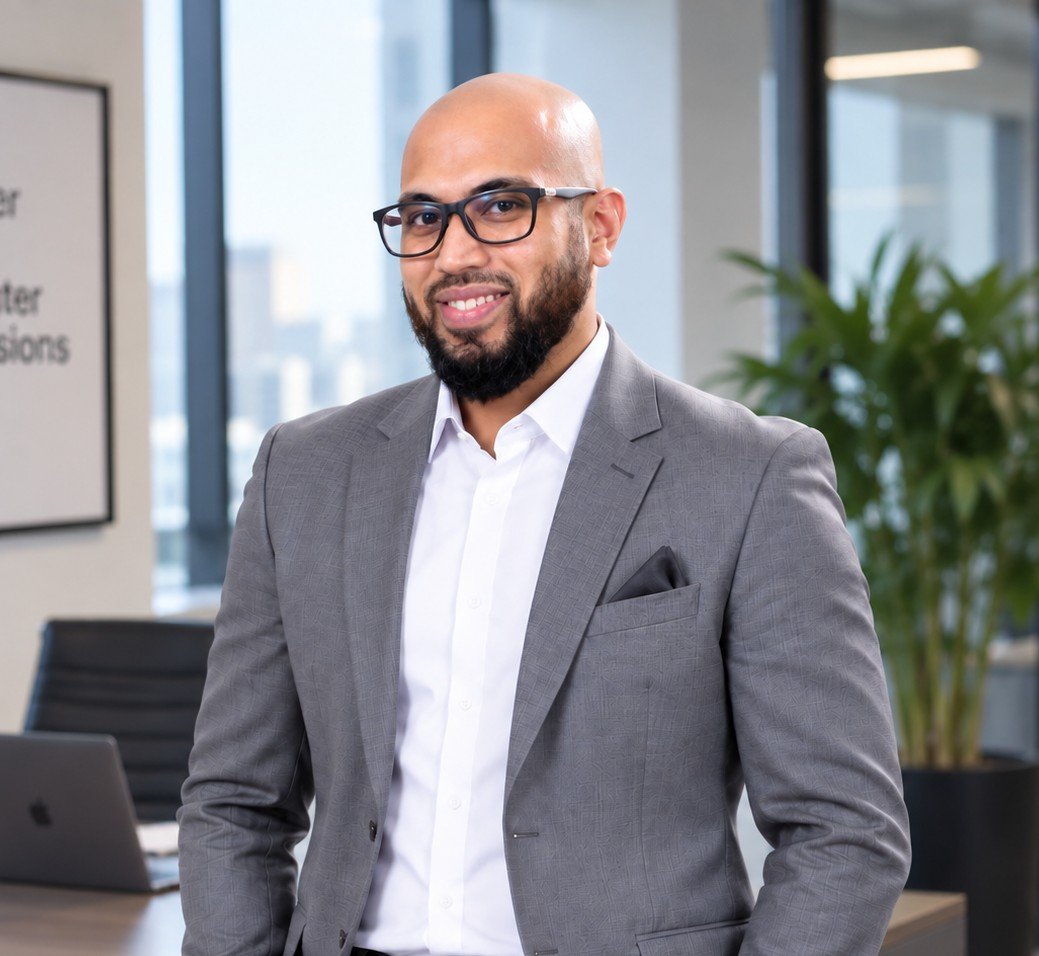
About the Author
Nasehuddin Mohammed is the Co-Founder and Head of Technology at Zawjaan, where he leads product quality and the platform’s technological development. His work spans user experience and interface development, matchmaking strategies, and community-centred communication experiences designed to help Muslims build serious, marriage-minded connections.