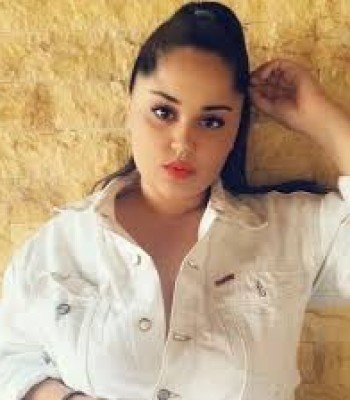


Meet Kohat Muslim Women Online
In Kohat, online platforms are increasingly used by Muslim men to meet Muslim women for marriage. These platforms allow you to create a profile that reflects your faith, values, and intentions. Many Kohat families are open to online introductions, especially when halal boundaries are observed. Use a reputable site like Zawjaan, which prioritises Islamic values. When searching, focus on profiles from Kohat and nearby areas like Peshawar. Be honest about your intentions and involve your family early in the process. Online discovery can complement traditional matchmaking, offering wider access to Kohat Muslim women who may not be in your immediate social circle.
Kohat Muslim Women for Marriage
Marriage in Kohat is a sacred bond, deeply rooted in Islamic traditions and local customs. For Muslim men, the goal is to find a wife who shares your commitment to faith and family. In Kohat, marriage often involves both families from the start, with elders playing a significant role. The Nikah is the legal and spiritual contract, but social expectations also emphasise compatibility in values, lifestyle, and cultural background. Be prepared to engage with your family and hers respectfully. Many Kohat Muslim women prioritise a spouse with a stable career and strong religious dedication. Marriage is not just a personal commitment but a union of two families, so approach it with sincerity and patience.
Halal Dating with Kohat Muslim Women
Halal dating in Kohat means meeting with the intention of marriage, while respecting Islamic guidelines. This involves chaperoned meetings, usually with a mahram present, and keeping interactions modest. For Muslim men, it is important to avoid casual relationships and focus on serious conversations about life goals, religion, and family. In Kohat, you might meet in public places like parks or halal cafes, always maintaining appropriate boundaries. Use the time to assess compatibility without compromising your faith. Halal dating is a structured process, and in Kohat, families often prefer that meetings happen after an initial introduction, ensuring that both parties and their families are comfortable with the process.
Islamic Nikah in Kohat
The Islamic Nikah is the core of a valid marriage in Kohat. It is a simple yet profound ceremony where both parties consent, and a mahr (dower) is agreed upon. In Kohat, Nikah ceremonies are often held at the bride's home or in a mosque, with a qazi or imam officiating. Muslim men should ensure that the Nikah complies with Islamic requirements and local legal regulations. In Pakistan, the Nikah is also registered with the government for legal recognition. It is advisable to prepare by discussing mahr, marriage contract, and responsibilities with your partner and her family. Local imams in Kohat can guide you through the process, ensuring the Nikah is both spiritually and legally sound.
Halal Chat with Kohat Muslim Women
Halal chat refers to text-based communication between Muslim men and women for the purpose of marriage, conducted in a respectful and modest manner. In Kohat, where conservative values prevail, it is essential to keep conversations formal and purposeful. Use chat to discuss your religious practices, career aspirations, and family expectations. Avoid idle talk or flirtation. Instead, focus on getting to know each other's character and compatibility. Many Kohat Muslim women appreciate a man who is clear about his intentions from the start. Remember to involve families at the appropriate stage, and consider having a trusted relative or friend read through conversations to ensure transparency. Halal chat can be a valuable tool in building a foundation for marriage.
Kohat Muslim Singles and Community Networks
Kohat's Muslim singles scene is traditional, with most introductions happening through family and friends. However, modern Muslim men are finding ways to meet Muslim women through community events, religious gatherings, and online platforms. The city has a modest population, so the pool of eligible Muslim women may seem limited, but expanding your search to nearby cities like Peshawar or even across Pakistan can increase your options. Local mosques and Islamic centres often host events where singles can meet in a halal environment. Additionally, some families now use online matchmaking services to find suitable matches for their daughters, recognising the convenience and wider reach. Patience and a genuine approach are key.
Marriage Proposals and Khitbah in Kohat
In Kohat, the proposal (khitbah) is a formal step after both parties express interest. A Muslim man typically sends his family to the bride's family to propose, carrying gifts and good intentions. This process shows respect and seriousness. Before proposing, ensure you have met and discussed important aspects of marriage with her and her family. In Kohat, it is customary for the proposal to be made after both families have investigated each other's background. The bride's family will consider your religiousity, character, and financial stability. Be prepared for a period where the proposal is discussed and prayed upon (istikhara). Once accepted, the engagement may be announced, leading to the Nikah. This formal approach aligns with Islamic principles and local traditions.
Physical Appearance of Kohat Muslim Women
Physical appearance is one factor in choosing a spouse, but in Kohat's Islamic context, it is balanced with faith and character. Muslim men may consider modesty, grooming, and overall presentation. Remember that beauty is relative and depends on personal preferences. Focus on what you truly want in a partner rather than societal standards. In Kohat, natural beauty is often appreciated, and modest dressing is a sign of piety.
Skin, Hair and Eye Colour
In Kohat, as in the rest of Pakistan, skin colour is not a criterion for a good match, though some families may have preferences. Islam teaches that all humans are equal. Focus on a prospective bride's faith and character rather than her complexion. Many Kohat Muslim women may have features typical of the region, including brown skin, dark hair, and eyes, which are widely considered beautiful.
Occupation and Profession
Occupation and profession are important for both partners. For Muslim men in Kohat, it is often expected that they are able to provide for a family, with professions such as government service, teaching, or business being common. Muslim women in Kohat may work as teachers, doctors, or in other roles, although many also choose to be homemakers. Discuss career aspirations and work-life balance early in marriage. A man who values his wife's education and career can be more attractive to modern Muslim women.
Height
Height is a personal preference. The average height for a Kohat Muslim woman is around 5 feet 4 inches or approximately 163 centimetres. If height matters to you, consider what is realistic. Ultimately, a loving relationship is more important than physical measurements.
Ethnicity and Nationality
Kohat is a diverse city with a mix of Pashtun, Hindko-speaking, and other ethnic groups. Muslim women from Kohat may identify with these communities. For Muslim men, it is important to respect ethnic diversity and focus on common Islamic values. Compatibility in ethnicity and nationality can be discussed, but it should not override faith and character. Many families in Kohat are open to matches from different backgrounds as long as both parties are compatible.
Compatibility with Kohat Muslim Women
Compatibility is crucial for a successful marriage. It involves alignment in religious practices, cultural values, lifestyle, and long-term goals. In Kohat, you and a potential bride should discuss these areas openly and honestly, with the guidance of your families.
Religious Alignment
Religious alignment is paramount. Both partners should share a similar level of religious commitment and understanding. In Kohat, Muslim women often attend mosques and Islamic lectures. Discuss your daily prayers, fasting, and views on Islamic jurisprudence. It is helpful to agree on the fiqh and the role of religion in your household.
Cultural Compatibility
Cultural compatibility can ease married life. In Kohat, Pashtunwali and Hindko traditions influence family customs. Understand her cultural expectations, such as living with extended family or celebrating certain festivals. Being respectful of each other's cultural practices can prevent misunderstandings, especially if you come from a different ethnic background.
Local Muslim Culture
Kohat's Muslim culture is conservative and family-oriented. Men are expected to be providers, while women often manage the home, though many work. Social norms encourage modesty and respect for elders. In your search for a wife, show respect for these customs, such as involving your family in decisions and observing purdah in interactions.
Ideological Viewpoints
Ideological viewpoints, such as political or theological leanings, can affect a marriage. In Kohat, some families follow Deobandi, Barelvi, or other schools of thought. Discuss your religious and social views openly. A couple should share core beliefs to build a unified household, but also respect minor differences.
Lifestyle Compatibility
Lifestyle compatibility involves daily habits and routines. Does she prefer a simple lifestyle or one with more comforts? Discuss spending habits, social activities, and household responsibilities. In Kohat, a woman may expect to live in a joint family system, while others prefer a nuclear setup. Clarify these expectations to avoid future conflict.
Family Expectations
Family expectations play a huge role in Kohat. Both families will have opinions about the match. Muslim men should be prepared to support their wife in managing relationships with in-laws. It is important to ensure that both families share similar expectations regarding finances, living arrangements, and support.
Marriage Goals
Marriage goals include building a family, raising children with Islamic values, and supporting each other's spiritual growth. In Kohat, many couples aim for a home filled with faith and harmony. Discuss your desire for children, education, and retirement plans. Having common goals strengthens your bond.
Relationship Expectations
Relationship expectations cover emotional support, trust, and mutual respect. In a Kohat marriage, you should be prepared to lead with kindness and patience, while your wife will expect you to be a caring and reliable partner. Regularly communicate and make time for each other despite extended family commitments.
How to Find Muslim Women in Kohat
To find Kohat Muslim women, start by asking local imams, attending mosque events, and using online platforms like Zawjaan. Network with family and friends. Be patient and trust Allah. Focus on women with strong faith and compatible goals. Always involve her family respectfully.
1. Create a clear marriage profile
Phase 1: Profile CreationCreate a detailed profile on Zawjaan, highlighting your faith, career, and family background. Use clear photos and specify Kohat as your preferred location. Be honest about your intentions to find a Muslim wife.
2. Search locally and realistically
Phase 2: Local DiscoveryUse search filters on Zawjaan to find Muslim women in Kohat. Look for profiles that mention their local neighbourhood, such as Cricket Ground or Kohat University area. Narrow results by religious practice and ethnicity.
3. Begin respectful halal chat
Phase 3: Compatibility ScreeningEngage in respectful, purpose-driven chat. Ask about her Islamic studies, family values, and daily routines. Avoid casual conversation and keep the tone modest. Use app features to keep communication within halal boundaries.
4. Arrange a public meeting
Phase 4: Face-to-Face CourtshipFor a first meeting, choose a public place like Kohat Hill Park or a family-friendly restaurant. Ensure a mahram is present for the woman. Keep conversations about serious matters like marriage goals and compatibility.
5. Introduce both families
Phase 5: Family MeetingAfter mutual interest, introduce her to your family and seek hers. In Kohat, family involvement is essential. Arrange a formal meeting at her home or a neutral venue. Respect her family's customs and expectations.
6. Prepare the legal documentation
Phase 6: Legal DocumentationIn Pakistan, you must legally register your marriage according to the Muslim Family Laws Ordinance. Contact the local union council in Kohat to obtain a marriage certificate. This legal step is separate from the Nikah.
7. Complete the Islamic Nikah
Phase 7: Marriage ContractPerform the Nikah with a qualified Qadi, ideally in a mosque like the Jamia Masjid Kohat. Agree on mahr and have two male witnesses. Ensure the Nikah is registered with both religious and civil authorities.
Frequently Asked Questions
How can Muslim men meet eligible Muslim women in Kohat for marriage?
Muslim men can meet Kohat Muslim women through family referrals, community events, and online platforms like Zawjaan. Local imams may also help. Always involve your families early on.
What qualities do Kohat Muslim women look for in a potential husband?
Kohat Muslima often value a man's religious devotion, character, financial stability, and respect for her family. A clear intention for marriage and a supportive nature are also important.
Are there any local halal venues in Kohat for Muslim women and men to meet?
Yes, public spots like Kohat Hill Park are common for chaperoned meetings. Some halal restaurants, like Chappal Kabab House, offer a modest environment. Ensure meetings are arranged properly.
What is the role of family in a marriage proposal for Kohat Muslim women?
Family is central. Muslim men should formally propose through their families, as is customary in Kohat. Both families will investigate each other and discuss terms. Respect this process.
How should Muslim men approach marriage preparation for a Kohat Muslima?
Focus on spiritual preparation, such as istikhara, and practical steps like financial planning. Discuss mahr and Nikah details with her family. Also, attend pre-marital counselling if available.
About the Author
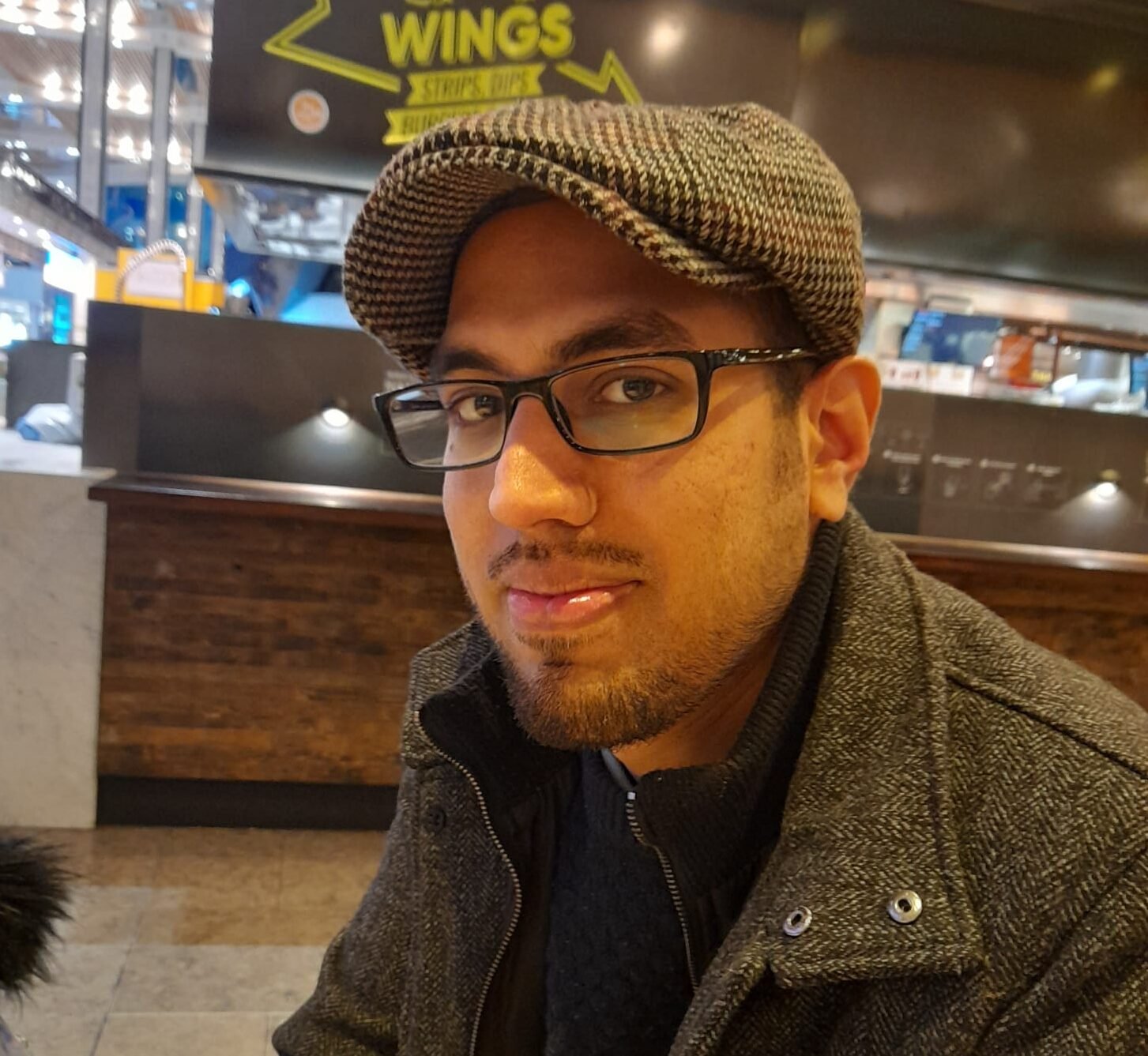
Majduddin Mohammed is the Co-Founder and Head of Marketing Analytics at Zawjaan, where he leads marketing campaigns, search strategy and data-driven growth initiatives for the platform. His work focuses on using data-driven analytics, community expertise, and digital insights to improve how Muslim singles discover and engage with Zawjaan while helping them connect with the shared goal of marriage.