



Meet Jigawa Muslim Women Online
Online platforms offer a discreet way to connect with Jigawa Muslim women who are serious about marriage. Many educated and career-focused Muslima use reputable matrimonial sites to find partners beyond their immediate social circles. When creating a profile, be honest about your intentions, religious practice, and family background. Use recent photographs and highlight your commitment to Islamic values. Take time to communicate via messaging before exchanging numbers, always maintaining respectful and halal interactions.
Jigawa Muslim Women for Marriage
In Jigawa, marriage is a sacred institution that unites families, not just individuals. It is customary for the groom to provide a dowry (mahr) and for both families to be involved in the process. The Nikah is a simple yet profound ceremony, often followed by a walima (reception) hosted by the groom. Respect for elders and adherence to Islamic principles are paramount. Expect that family approval is crucial, and be prepared to meet the bride’s family early in the courtship.
Halal Dating with Jigawa Muslim Women
Halal dating in Jigawa involves getting to know a potential spouse without any physical intimacy. It is recommended to have chaperoned meetings, often in the presence of a mahram (male relative) of the woman. These meetings are focused on discussing important topics such as religious devotion, family values, and life goals. Online chat can precede these meetings, but always uphold Islamic etiquette by avoiding private, unstructured conversations.
Islamic Nikah in Jigawa
The Islamic Nikah is the cornerstone of marriage in Jigawa. It requires the consent of the bride, the presence of two male witnesses, and a specified mahr. In Nigeria, Nikah is often conducted by an Imam or a recognized Islamic authority. Ensure that the Nikah is legally registered with the state, as civil marriage provides additional legal protections. The Nikah ceremony can be held at a mosque, the bride’s home, or a wedding hall, depending on family preferences.
Halal Chat with Jigawa Muslim Women
Halal chat with Jigawa Muslim women should be purposeful and modest. Use clear, respectful language and avoid flirtatious or ambiguous remarks. Keep conversations focused on getting to know each other’s character, interests, and views on marriage. It is advisable to use platforms that offer privacy features and to refrain from sharing personal photos beyond what is appropriate. Always remember that the intention is to find a spouse for the sake of Allah.
Jigawa Muslim Singles and Community Networks
Jigawa Muslim women are a diverse group, including professionals such as teachers, healthcare workers, and civil servants, as well as homemakers and entrepreneurs. Many are well-educated, with degrees from universities like Federal University Dutse or Sule Lamido University. They are often fluent in Hausa, and some are proficient in English and Arabic. While they value their cultural heritage, they are also open to modern approaches to finding a spouse, provided the process remains faithful to Islamic principles.
Marriage Proposals and Khitbah in Jigawa
In Jigawa, the proposal (khitbah) is a formal request for marriage. The prospective husband, often accompanied by family elders, visits the woman’s family to express his intention. It is important to present a clear picture of your financial situation, living arrangements, and willingness to provide for a wife. The family may ask about your religious practice and character. A positive response is usually followed by a period of dua (supplication) and further discussions before the Nikah.
Physical Appearance of Jigawa Muslim Women
When considering Jigawa Muslim women, you may notice a range of natural beauty, often with dark skin tones, expressive eyes, and graceful features. Modesty is reflected in their dress, typically wearing hijabs and flowing gowns. Remember that beauty is relative and depends on personal preferences. Focus on what you truly want in a partner rather than societal standards.
Skin, Hair and Eye Colour
Skin tones among Jigawa Muslim women vary from deep ebony to lighter brown, reflecting the diverse ethnic backgrounds in the region. Hair is often dark and naturally curly, sometimes covered with a hijab. Eye colours are predominantly brown, but you may find some with lighter shades. It is important to appreciate these features as part of the person’s unique identity, not as superficial attributes.
Occupation and Profession
Many Jigawa Muslim women are engaged in meaningful careers. Common occupations include teaching, nursing, civil service, and business. Agriculture also plays a significant role, with some women involved in farming. When assessing a match, consider her career ambitions and how she balances work with family responsibilities. A supportive attitude from you will be highly valued.
Height
Jigawa Muslim women vary in height, with many being of average stature. For reference, the average height is around 5 feet 4 inches or approximately 163 centimetres. Height is rarely a priority in marriage decisions; character and faith are far more important.
Ethnicity and Nationality
The majority of Jigawa Muslim women are ethnic Hausa or Fulani, with a rich cultural heritage. Some may identify as Kanuri or other minority groups. While ethnicity influences cultural practices, Islam unites all. When considering a match, focus on shared Islamic values and mutual respect rather than ethnic background alone.
Compatibility with Jigawa Muslim Women
Compatibility is based on shared values, goals, and lifestyle. It is essential to assess each other’s religious understanding, family expectations, and long-term plans. A compatible partner in Jigawa will often share your commitment to Islamic principles and be willing to navigate cultural nuances together.
Religious Alignment
Look for a Muslim woman who is committed to her faith, evidenced by regular prayer, fasting, and knowledge of Islam. Ask about her religious practices and how she incorporates them into daily life. In Jigawa, a strong religious foundation is a key indicator of a stable and harmonious marriage.
Cultural Compatibility
Given the strong Hausa-Fulani influence, cultural compatibility means understanding and respecting local customs. This includes celebrating Islamic festivals, observing modesty, and honouring family ties. If you come from a different cultural background, be open to learning and adapting to her traditions.
Local Muslim Culture
Jigawa’s Muslim culture is deeply rooted in the Sufi traditions, particularly the Tijaniyya and Qadiriyya orders. This influences daily life, with community prayers and religious scholarship highly regarded. Be aware of these practices and participate respectfully if invited. Understanding this cultural context will help you connect with her family and community.
Ideological Viewpoints
Muslim women in Jigawa may hold varied ideological perspectives, from traditional scholars to more progressive thinkers. It is crucial to discuss your views on matters such as education, women’s roles, and religious interpretation. Ensure that your ideologies are compatible to avoid future conflicts.
Lifestyle Compatibility
Consider lifestyle habits such as diet, daily routines, and social activities. In Jigawa, a typical day may include early prayers, work or family responsibilities, and evening gatherings. Discuss how you envision your shared life, including living arrangements and involvement in community events.
Family Expectations
Family plays a central role in Jigawa marriages. Expect that her family will be closely involved in the courtship and marriage process. They may expect you to provide for the bride financially and to maintain a respectful relationship with them. Be prepared to meet expectations regarding visits, contributions, and support.
Marriage Goals
Discuss your goals for marriage, such as having children, raising them with Islamic values, and building a home together. In Jigawa, many couples also aim to support extended family and contribute to the community. Ensure that your visions align, including financial planning and career aspirations.
Relationship Expectations
Clarify roles and responsibilities within the marriage. In Jigawa, traditional gender roles are often observed, with the husband as the provider and the wife as the homemaker. However, many couples now share responsibilities. Talk openly about your expectations for communication, conflict resolution, and decision-making.
How to Find Muslim Women in Jigawa
To find Jigawa Muslim women, start by attending mosque events, community gatherings, and Islamic lectures. Seek introductions through family and friends, or use a reputable Muslim matrimonial site. Be proactive but patient, and always involve a mahram when meeting in person.
1. Create a clear marriage profile
Phase 1: Profile CreationCreate a profile that reflects your sincere intention for marriage. Highlight your faith, profession, and family values. Include clear photos and be respectful in your bio. Specify your preference for a Jigawa Muslimah if that is your wish.
2. Search locally and realistically
Phase 2: Local DiscoveryUse the search filters to narrow down to Jigawa, Nigeria. Look for women who are actively seeking a serious relationship. Respect their privacy and only connect with those who meet your criteria.
3. Begin respectful halal chat
Phase 3: Compatibility ScreeningEngage in halal chat by keeping conversations meaningful. Use the platform’s messaging system to discuss compatibility, family, and religious matters. Avoid inappropriate topics and maintain a modest tone.
4. Arrange a public meeting
Phase 4: Face-to-Face CourtshipSuggest a public meeting, such as a cafe or park, and involve a mahram. This is a chance to meet face-to-face in a respectful environment. Keep the meeting brief and focused on getting to know each other.
5. Introduce both families
Phase 5: Family MeetingIf you are interested, ask for her family’s contact and arrange a formal visit. Present yourself as a serious suitor, and bring gifts that are customary in Jigawa culture, such as kola nuts or fruits.
6. Prepare the legal documentation
Phase 6: Legal DocumentationIn Nigeria, it is important to meet the legal requirements for marriage. This includes registering the Nikah with the state. Consult with local authorities to ensure all documents are in order.
7. Complete the Islamic Nikah
Phase 7: Marriage ContractArrange the Nikah with an Imam at a local mosque or Islamic centre. Ensure all conditions are met, including the mahr and witnesses. Celebrate with a small walima to announce the marriage.
Frequently Asked Questions
How can Muslim men meet Jigawa Muslim women for serious marriage?
You can meet Jigawa Muslim women through family connections, mosque events, or reputable matrimonial sites. Always involve family and maintain Islamic etiquette throughout the process.
What qualities do Muslim women in Jigawa typically look for in a husband?
They often seek a man of strong faith, good character, and financial stability. A respectful attitude towards her family and a clear commitment to marriage are also highly valued.
How important is family involvement when marrying a Muslima from Jigawa?
Family involvement is crucial. Expect her parents to be part of the decision-making process, and be prepared to honour traditions such as paying a dowry and seeking family approval.
Are Jigawa Muslim women open to marriages with men from other ethnicities?
Yes, many are open, provided the man is a practicing Muslim and respects their culture. However, be prepared to adapt to local customs and possibly learn the Hausa language.
What is the typical process for a Nikah with a Muslim woman in Jigawa?
The Nikah involves consent from both parties, two male witnesses, and a mahr. It is usually performed by an Imam and should be registered with the state for legal validity.
About the Author
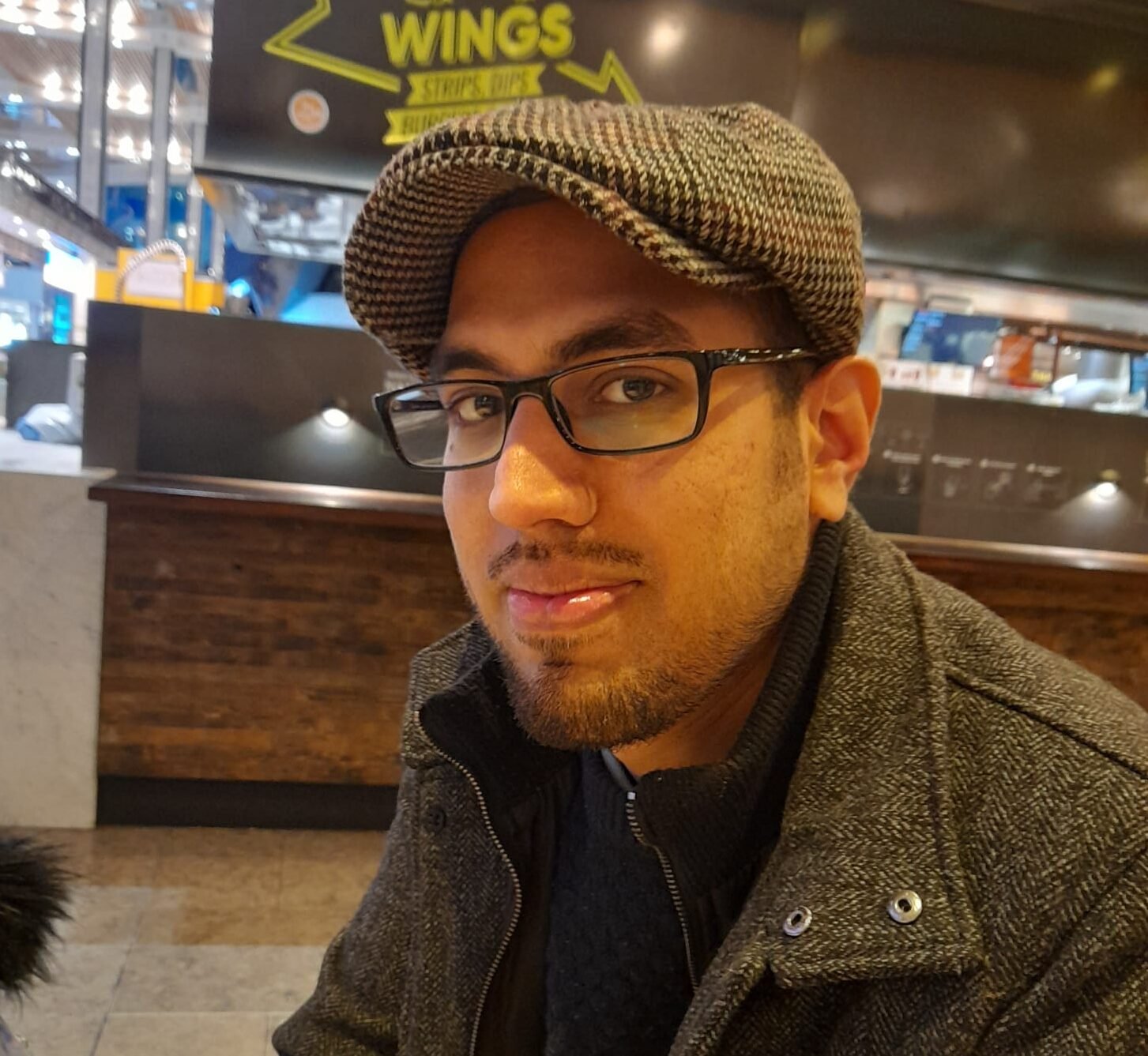
Majduddin Mohammed is the Co-Founder and Head of Marketing Analytics at Zawjaan, where he leads marketing campaigns, search strategy and data-driven growth initiatives for the platform. His work focuses on using data-driven analytics, community expertise, and digital insights to improve how Muslim singles discover and engage with Zawjaan while helping them connect with the shared goal of marriage.