



Meet Bamako Muslim Women Online
For Muslim men in Bamako, online platforms like Zawjaan provide a respectful starting point to meet Muslim women for marriage. Creating a detailed profile that reflects your faith and intentions is key. Many local Muslim women, including professionals from the University of Bamako and young entrepreneurs in Hamdallaye, are turning to online matchmaking to find serious suitors. These platforms allow you to search by religious practice, ethnicity, and lifestyle, making it easier to identify women who share your commitment to a halal relationship, while maintaining appropriate boundaries until both families are involved.
Bamako Muslim Women for Marriage
Marriage in Bamako is a sacred union, deeply respected within the Malian Muslim community. For Muslim men, the goal is to find a Muslim woman who is pious, compatible, and ready to build a life together. The city’s diverse ethnic groups, including Bambara, Malinke, Fulani, and Soninke, each bring unique traditions to marriage, but the Islamic principles of mutual respect and kindness unite them. In Bamako, marriage extends beyond the couple, involving the wider family in every step, from proposal to Nikah. Understanding these expectations helps men approach the search with the seriousness it deserves.
Halal Dating with Bamako Muslim Women
Halal dating in Bamako revolves around supervised meetings and clear intentions. Muslim men seeking Muslim women should involve a family member or trusted chaperone, particularly in the early stages. In cafes like Café de la Savane in ACI 2000 or the terrace at Hotel Laïco, conversations can be conducted respectfully, avoiding any seclusion that conflicts with Islamic teachings. The focus is on discussing marriage goals, daily life, and religious values, not casual dating. By adhering to these boundaries, men demonstrate their sincerity and build trust with the woman and her family.
Islamic Nikah in Bamako
The Islamic Nikah is the cornerstone of marriage in Bamako. For Muslim men, arranging the Nikah involves working with the bride’s wali (guardian) and often a local imam, such as those at the Grand Mosque of Bamako or the Djoliba Islamic Centre. The ceremony itself is straightforward but profound, with the recitation of the marriage contract and duas. Many couples in Bamako also attend pre-marital counselling sessions offered by Islamic organisations to prepare for their responsibilities as husbands and wives. Ensuring the Nikah is valid under Malian civil law requires registration with the civil registry, which is an additional step.
Halal Chat with Bamako Muslim Women
Halal chat on platforms like Zawjaan allows Muslim men to communicate with Muslim women in Bamako while maintaining Islamic etiquette. Conversations should stay focused on getting to know each other’s character, religious commitment, and family aspirations. Avoiding flirtatious or overly personal topics is essential to keep the interaction halal. Given the city’s busy pace, using chat to establish a basic rapport before involving families is practical. Muslim women in Bamako appreciate men who are articulate and respectful in their messages, showing patience and a genuine interest in marriage, not just casual contact.
Bamako Muslim Singles and Community Networks
Bamako is home to a significant number of single Muslim women, many of whom are educated and career-driven. They work in sectors such as telecom, banking with institutions like the Central Bank, and NGOs active in the city. Others are students at institutions like the University of Social Sciences and Management of Bamako (USSGB). For Muslim men, engaging with these communities through local Islamic events, charity work, or mutual connections can open doors. Online platforms also help bridge the gap, allowing men to find women who might otherwise remain outside their social circle, making the search for a compatible spouse more accessible.
Marriage Proposals and Khitbah in Bamako
The proposal in Bamako is a family-centred process. When a Muslim man finds a suitable Muslim woman, he typically approaches his family first, who then contact the woman’s family. This often involves a visit to the family home in neighbourhoods like Badalabougou or N’Tomikorobougou. Gently, the man’s family will express their interest, and if she agrees, a formal proposal (khitbah) is made. Offering a thoughtful gift, such as kola nuts or tea, is customary. This respectful approach signals to the woman’s family that the man is serious about marriage and honours the traditions that keep communities strong.
Physical Appearance of Bamako Muslim Women
In Bamako, Muslim women take pride in their appearance, often wearing elegant bazin or colourful pagne wraps with matching veils. When considering appearance, Muslim men should look beyond the external and reflect on the character it reflects. Remember that beauty is relative and depends on personal preferences. Focus on what you truly want in a partner rather than societal standards.
Skin, Hair and Eye Colour
Skin tone in Bamako varies beautifully, from deep ebony to lighter hues, influenced by Mali’s many ethnicities. Hair is often naturally curly and worn neatly, sometimes adorned with a hijab. Eye colours are typically dark brown. Rather than tying preferences to specific colours, consider that these features are part of a person’s identity and heritage. What matters more is how a woman carries herself and whether her presentation aligns with your expectations for a modest and supportive spouse.
Occupation and Profession
Many Bamako Muslim women are accomplished professionals. They work as doctors, teachers, engineers, and civil servants, and some run their own businesses in markets like the Grand Marché. Their careers are often second to their faith and family, but a working wife can bring financial and intellectual companionship to the marriage. Muslim men should appreciate a a prospective woman’s ambitions and discuss how you will manage household responsibilities and careers together, ensuring that your marriage thrives in Bamako’s evolving economic landscape.
Height
If height is a consideration, the average height of a Bamako Muslim woman is around 5 feet 4 inches or approximately 163 centimetres. This is a comfortable height for many Muslim men in Mali, but it should not be a determining factor. In a society where character and faith are prized, being overly focused on physical stature may overlook a woman whose virtues far outweigh her measurements. Focus on the whole person.
Ethnicity and Nationality
Bamako is a melting pot of Mali’s ethnic groups, with Bambara the most prominent, followed by Malinke, Fulani, Soninke, and Songhai. Each group has its own language and customs, but Islam provides a common thread. When considering a Muslim woman’s ethnicity, Muslim men should be aware of family expectations and cultural practices that may influence the marriage. Interethnic marriages are common and accepted, but it is wise to discuss these matters openly with the family to ensure a harmonious start, particularly when it comes to language and celebrations.
Compatibility with Bamako Muslim Women
Compatibility goes beyond romantic feelings; it is about aligning on the fundamentals. In Bamako, this means shared religious devotion, understanding of cultural roots, and practical life goals. Muslim men should assess whether a Muslim woman’s vision for marriage matches their own, including where to live, how to raise children, and how to handle finances. These conversations, though sometimes challenging, build a foundation that can weather the pressures of urban life in Bamako.
Religious Alignment
Religious alignment is crucial. In Bamako, Muslim women generally practise Islam, but the level of observance varies. Some are highly dedicated, praying daily and fasting regularly, while others may be less strict. Muslim men should honestly assess their own religious practice and seek a woman who matches or complements it. Discussing mosque attendance, such as at the Badalabougou Mosque, and views on religious education for children will help avoid future conflicts. Similarly, agreeing on financial priorities, such as saving for a home versus supporting relatives, is essential in a community where family obligations are strong.
Cultural Compatibility
Cultural compatibility in Bamako involves understanding the specific traditions of a woman’s family. For example, a Muslim woman from a Fulani background might have different expectations around hospitality than a Bambara woman. Embracing these differences as enriching, rather than divisive, can strengthen your bond. Muslim men should attend family gatherings and observe the role of elders. Showing respect for these cultural nuances is a sign of earnest commitment and helps ease the integration into a new family.
Local Muslim Culture
Bamako’s Muslim culture is characterised by Sufi brotherhoods and a deep sense of community. Annual festivals, such as the Mawlid in N’Tomikorobougou, bring the faithful together. Muslim men who participate in these communal activities, both with their family and their fiancée, demonstrate that they value the social fabric of Islam. This local context shapes how Muslim women perceive a man’s sincerity. A man who is engaged in the community is seen as more trustworthy and likely to be a devoted husband, one who will uphold Islamic values in the home.
Ideological Viewpoints
Mali has seen diverse Islamic influences, from Sufi traditions to more reformed interpretations, which can shape a person’s worldview. Muslim women in Bamako may hold varying opinions on issues like educating girls or polygamy. It is important for Muslim men to discuss these viewpoints respectfully, ensuring that they are not incompatible with your own. A willingness to listen and find common ground, while upholding core Islamic principles, is crucial for a harmonious marriage.
Lifestyle Compatibility
Daily life in Bamako can be lively, with a mix of African and modern influences. Some Muslim women enjoy the bustling nightlife, while others prefer a quiet home life. Muslim men should consider their own lifestyle and whether they want a partner who is social in the community or more private. Simple habits, such as the preference for home-cooked food or dining out, can also affect harmony. Aligning on these practicalities in the early stages can prevent unnecessary tension later.
Family Expectations
Family plays a pivotal role in Bamako’s marriages. A Muslim woman will likely expect her husband to support her family, both emotionally and sometimes financially. In turn, Muslim men should be ready to welcome her into their own extended family. These expectations are not burdens, but responsibilities that reinforce the communal spirit of Islam. Discussing openly with the woman’s family, whether in Badalabougou or a village, will clarify roles and ensure that everyone is sincere in their support for the union.
Marriage Goals
Marriage goals for Bamako Muslim women often include raising children in a loving, Islamic environment and achieving financial stability together. Many hope to own a home, perhaps in developing areas like Sotuba or Falajè. Some women also aspire to continue their careers, whether in a public hospital or a private business. Muslim men should share their ambitions and be prepared to support their wife’s dreams as they build a future. A common vision, blessed by Allah, is the surest path to a contented marriage.
Relationship Expectations
In a Muslim marriage, expectations are guided by the Qur’an and Sunnah. Muslim men and women in Bamako expect mutual respect, kindness, and companionship. The husband is seen as the provider, but the wife’s opinion is highly valued in family decisions. Muslim men should expect regular communication and emotional support, and they should reciprocate. Trust is woven into the fabric of the relationship, allowing both partners to feel secure in their commitment.
How to Find Muslim Women in Bamako
To find Muslim women in Bamako, start by widening your social networks within the community. Attend events at local mosques, like the Friday prayers at the Bamako Grand Mosque, or participate in charity drives with Islamic NGOs. Consider asking relatives and friends to introduce you to potential matches, as word-of-mouth remains powerful. Supplementing this with online platforms like Zawjaan can be effective, giving you access to profiles of women who are serious about marriage.
1. Create a clear marriage profile
Phase 1: Profile CreationCreate a profile that honestly reflects your faith, profession, and marriage intentions. Include recent photos and specify your criteria, such as neighbourhood or ethnicity, to attract like-minded women.
2. Search locally and realistically
Phase 2: Local DiscoveryUse Zawjaan’s search filters to focus on Bamako. Set your location to the city and your preferences to match your religious and cultural priorities, then browse profiles of Muslim women in your desired areas.
3. Begin respectful halal chat
Phase 3: Compatibility ScreeningInitiate halal chat by greeting with ‘Assalamu Alaikum’ and asking about her day from an Islamic perspective. Keep conversations respectful and purposeful, gradually discussing family and values.
4. Arrange a public meeting
Phase 4: Face-to-Face CourtshipWhen meeting in person, choose a public, family-friendly venue like Café de la Savane or the terrace at the Monument of African Renaissance, and bring a chaperone to ensure no seclusion (khalwa).
5. Introduce both families
Phase 5: Family MeetingOnce interest is mutual, involve your families. Arrange for your father or an elder to formally visit the woman’s family, expressing your intention to seek her hand in marriage.
6. Prepare the legal documentation
Phase 6: Legal DocumentationRegister your intention with the civil registry in Bamako, as required by Malian law. Prepare necessary documents, such as birth certificates and proof of residence, with your fiancée.
7. Complete the Islamic Nikah
Phase 7: Marriage ContractSchedule the Nikah at a local mosque, such as the Grand Mosque, and invite a qualified imam. Ensure the bride’s wali is present, and complete the marriage contract with two witnesses.
Frequently Asked Questions
How can Muslim men meet serious Bamako Muslim women for marriage?
Muslim men can meet serious Bamako Muslim women by using respectful online platforms like Zawjaan, and also by attending mosque events, such as those at the Bamako Grand Mosque, and family gatherings. Networking through trusted relatives remains a common and effective way in Mali.
What qualities do Bamako Muslim women value most in a potential husband?
Bamako Muslim women typically value a man who is devout, kind, and financially responsible. A good sense of humour and respect for her family are also important. Showing these qualities, both online and in person, will leave a positive impression.
Is it acceptable for Muslim men to meet Muslim women in Bamako before marriage?
Yes, it is acceptable if done in a halal manner, meaning supervised and with the intention of marriage. Public places like cafes or family homes are suitable, and always involve a chaperone to keep interactions honourable and Islamic.
What role does a Muslima’s family play in the decision to marry in Bamako?
The family’s role is central. In Bamako, a Muslima’s father or guardian must approve the marriage for the Nikah to be valid. Her mother and other relatives also influence her decision, so winning the family’s trust is essential for a suitor.
What steps do Muslim men need to take for a Nikah with a Bamako Muslim woman?
Formalise the courtship, get family approval, and arrange the Nikah with an imam. You must also register the marriage with the Bamako civil registry to ensure legal recognition in Mali. Imams can guide you through these steps.
About the Author
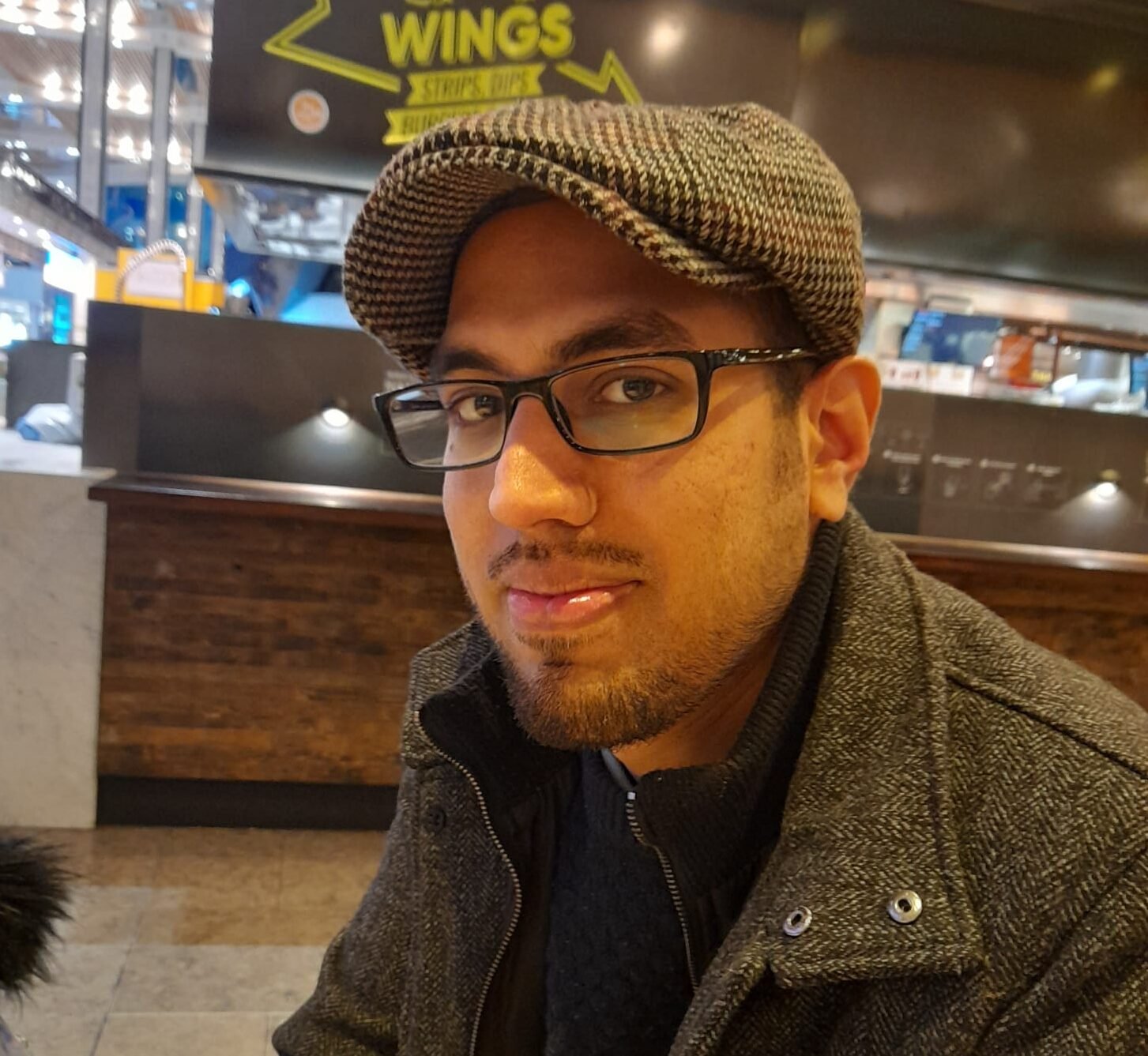
Majduddin Mohammed is the Co-Founder and Head of Marketing Analytics at Zawjaan, where he leads marketing campaigns, search strategy and data-driven growth initiatives for the platform. His work focuses on using data-driven analytics, community expertise, and digital insights to improve how Muslim singles discover and engage with Zawjaan while helping them connect with the shared goal of marriage.