


Meet Yaoundé Muslim Women Online
For Muslim men in Yaoundé, meeting potential wives online has become increasingly common. Platforms like Zawjaan provide a respectful space where you can create a profile highlighting your faith, profession, and intentions. Many Yaoundé Muslim women are active on such platforms, seeking serious marriage. When engaging online, ensure your communication is respectful and aligns with Islamic etiquette, avoiding prolonged private conversations without a mahram. Use the search filters to focus on women in Yaoundé, and take your time to know her values and family background before proposing a meeting.
Yaoundé Muslim Women for Marriage
Marriage in Yaoundé is a sacred bond, deeply intertwined with Islamic teachings and local traditions. For Muslim men, it is a means to complete half of their faith, as the Prophet (peace be upon him) said. In Yaoundé, marriage often involves the involvement of both families, with the groom's family formally asking for the bride's hand. The process may include a dowry (mahr) and a celebration that respects Islamic guidelines. It is important to approach marriage with sincerity, seeking a partner who is compatible in faith, character, and life goals.
Halal Dating with Yaoundé Muslim Women
Halal dating in Yaoundé is possible when both parties adhere to Islamic guidelines. This means meeting in public places, with a chaperone if needed, and maintaining modesty in speech and interaction. For Muslim men, it is essential to keep the intention of marriage in mind and avoid casual relationships. In Yaoundé, popular public venues like the Mvog-Betsi Zoo or the botanical gardens can serve as neutral meeting spots. The goal is to get to know the woman's personality, values, and family expectations while respecting Islamic boundaries.
Islamic Nikah in Yaoundé
The Islamic Nikah in Yaoundé is conducted by a local imam, often at a mosque or the bride's home. It requires the presence of the bride's guardian (wali), two male witnesses, and the payment of mahr. In Yaoundé, mosques like the Central Mosque in the Bonanjo area frequently host Nikah ceremonies. The ceremony is simple and solemn, focusing on the marriage contract. After the Nikah, families may hold a walima (wedding feast) to celebrate. It is advisable to coordinate with the imam well in advance to ensure all requirements are met.
Halal Chat with Yaoundé Muslim Women
Halal chat with Yaoundé Muslim women should be conducted with professionalism and respect. Use platforms that prioritise privacy and Islamic values, like Zawjaan, which may offer moderated chat features. Keep conversations focused on getting to know each other's beliefs, lifestyle, and family background. Avoid sharing intimate details or engaging in flirtatious talk. It is recommended to involve a family member or trusted friend in the conversation after initial contacts to maintain transparency and accountability.
Yaoundé Muslim Singles and Community Networks
Yaoundé has a growing population of Muslim singles, many of whom are educated professionals. Muslim men can meet them through community events, university Islamic societies, and mosque study circles. The neighbourhoods of Briqueterie and Mokolo have vibrant Muslim communities where social gatherings are common. Additionally, online platforms provide access to a wider pool of Yaoundé Muslim women who are serious about marriage. Engaging with the community serves as a way to meet potential partners while building a network of like-minded brothers and sisters.
Marriage Proposals and Khitbah in Yaoundé
In Yaoundé, making a proposal (Khitbah) is a formal step that involves the families. A Muslim man interested in a Muslim woman should first approach her guardian, often through a family representative. It is customary to present the proposal with sincerity, highlighting your religious commitment and ability to support a family. The woman's family may take time to investigate your background, employment, and reputation. If accepted, the engagement is announced, and the couple can interact within Islamic guidelines, with wedding preparations often involving both families and the local community.
Physical Appearance of Yaoundé Muslim Women
When considering a bride, physical appearance matters, but it should not override character and faith. In Yaoundé, Muslim women may dress in various styles, from hijab to more traditional attire, reflecting their personal and cultural preferences. Remember that beauty is relative and depends on personal preferences. Focus on what you truly want in a partner rather than societal standards.
Skin, Hair and Eye Colour
Yaoundé Muslim women have a diverse range of skin tones, hair colours, and eye colours, reflecting Cameroon's rich diversity. You may meet women with deep brown skin and dark eyes, while others may have lighter complexions due to mixed heritage. Hair may be natural, straightened, or often covered by a hijab. Eye colours are predominantly brown, but you may also encounter hazel or amber tones. Appreciating this diversity can help you focus on qualities that matter more than superficial features.
Occupation and Profession
Many Yaoundé Muslim women are educated and employed in various sectors, including education, healthcare, and business. It is common to find Muslim women working as teachers, nurses, or entrepreneurs, contributing to the household income. When considering a potential bride, her career is an asset, but it is important to discuss how she balances work and family life. Respecting her professional ambitions while ensuring mutual understanding of domestic responsibilities is key to a harmonious marriage.
Height
Muslim women in Yaoundé vary in height, with many being relatively petite. The average height for women is around 5 feet 4 inches or approximately 163 centimetres, which is a common reference point. However, you will find some women who are taller or shorter. Height is usually not a major consideration in marriage, as character and compatibility take precedence. A modest height difference is often natural and accepted.
Ethnicity and Nationality
Yaoundé is home to Muslim women from various ethnic backgrounds, including the Fulani, Hausa, and Bamoun, among others. Some are descendants of long-standing Muslim communities in the northern regions, while others come from families that migrated to the capital for work or education. This diversity means you may meet women who speak French, Fulfulde, or other local languages, and who follow different cultural traditions. Embracing this diversity can enrich your marriage and broaden your family's cultural horizon.
Compatibility with Yaoundé Muslim Women
Compatibility in marriage goes beyond physical attraction, encompassing shared values, life goals, and daily habits. In Yaoundé, where communities are close-knit, finding a woman who aligns with your religious practice and family expectations is vital. Assess compatibility through meaningful conversations and by observing how she interacts with her family and community. A strong foundation of mutual respect and understanding will help you navigate the challenges of married life.
Religious Alignment
In Yaoundé, the level of religious practice among Muslim women varies. Some are devoted to daily prayers and Quran study, while others may be more liberal in their observance. It is important to discuss your expectations regarding religious duties, such as daily prayers, fasting, and hijab. Visiting the mosque together for events can help you gauge her comfort with communal worship. Finding a woman who shares your level of commitment to Islamic principles is crucial for a harmonious marriage.
Cultural Compatibility
Beyond religion, cultural compatibility is significant in Yaoundé. A woman's ethnic background may influence her values, cuisine, and family dynamics. For example, a Fulani woman may have different customs compared to a Bamoun or Hausa woman. Discuss how each of you envisions blending your cultural practices, especially if you plan to live in Yaoundé or relocate. Respecting each other's traditions while creating new ones as a couple is essential.
Local Muslim Culture
The local Muslim culture in Yaoundé is a blend of Islamic teachings and Cameroonian traditions. Mosques and Islamic centres play a central role in community life, offering lectures and social events. Women often participate in women-only gatherings, where they discuss religious and family matters. As a Muslim man, showing familiarity with and respect for these local practices will be viewed positively. Engaging with the community can help you find a wife who values her faith and cultural roots.
Ideological Viewpoints
Muslim women in Yaoundé may hold a range of ideological viewpoints, from traditional Sufi-influenced practices to more reformist interpretations. It is essential to discuss your views on topics like gender roles, education, and community involvement. Avoid making assumptions based on ethnicity or family background. Open and honest dialogue about your religious and ideological perspectives will help you find a partner who complements your beliefs and avoids future conflicts.
Lifestyle Compatibility
Lifestyle compatibility involves daily routines, financial habits, and social preferences. In Yaoundé, some Muslim women enjoy a busy social life, while others prefer a quieter home-centred existence. Consider your work schedule and social aspirations. For instance, if you work in the CBD and she works in healthcare, you may need to coordinate schedules. Discuss expectations about household chores, leisure activities, and saving for the future to ensure you both lead a fulfilling life together.
Family Expectations
Family expectations are paramount in Yaoundé. Your potential wife's family will likely be involved in the marriage process, from vetting your character to contributing to wedding plans. Understand that she may have duties towards her parents and siblings, and she may expect you to support her in these relationships. Conversely, your family may have expectations of her as a daughter-in-law. Mediating these expectations with kindness and respect is crucial for a successful union.
Marriage Goals
Discuss your marriage goals openly with Yaoundé Muslim women. Do you want a large family, or are you planning to delay children? What are your financial goals, and how do you envision living in Yaoundé or potentially moving abroad? Many women value a husband who is a provider and a partner in decision-making. Aligning your goals on children, career, and residence will help you build a shared vision for your future together.
Relationship Expectations
Clear relationship expectations prevent misunderstandings. In Yaoundé, a wife may expect her husband to be the leader of the household, but she also expects to be consulted on major decisions. Discuss communication styles, conflict resolution, and your roles in parenting. Expressing affection and appreciation is important, as is maintaining respect in public. By setting these expectations early, you can build a strong and loving marriage.
How to Find Muslim Women in Yaoundé
To find Muslim women in Yaoundé, start by attending Friday prayers at major mosques like the Central Mosque and engaging in community activities. Connect with university Islamic societies at the University of Yaoundé I and II. Online platforms like Zawjaan allow you to filter by city and religious observance. Networking through family and friends is also common, as many marriages in Yaoundé are facilitated by trusted intermediaries.
1. Create a clear marriage profile
Phase 1: Profile CreationCreate a profile on Zawjaan, highlighting your faith, profession, and intention to marry. Use clear photos and write a truthful bio that reflects your character.
2. Search locally and realistically
Phase 2: Local DiscoveryUse the search function to filter for Muslim women in Yaoundé, specifying your preferred neighbourhood, age, and level of religiosity. Review profiles carefully.
3. Begin respectful halal chat
Phase 3: Compatibility ScreeningInitiate halal chat by sending a polite message, asking about her interests and family. Keep conversations respectful and avoid trivial topics.
4. Arrange a public meeting
Phase 4: Face-to-Face CourtshipAfter building trust, suggest meeting in a public place like a café or a park, and arrange for a chaperone if needed.
5. Introduce both families
Phase 5: Family MeetingIf compatibility is established, inform your family and arrange a formal meeting. The groom's family should visit the bride's family to propose the marriage.
6. Prepare the legal documentation
Phase 6: Legal DocumentationComplete the civil marriage registration at the Yaoundé civil registry office. You will need both partners' documents, witnesses, and a notarised declaration.
7. Complete the Islamic Nikah
Phase 7: Marriage ContractContact a local imam to schedule the Nikah ceremony. Prepare the mahr and ensure the bride's wali is present. The ceremony can take place at a mosque or the bride's home.
Frequently Asked Questions
How can Muslim men find Yaoundé Muslim women who are serious about marriage?
Muslim men can find Yaoundé Muslim women through community events at mosques like the Central Mosque and through online platforms such as Zawjaan, which cater to those seeking Islamic marriage.
What is the role of a wali in marrying a Muslim woman in Yaoundé?
A wali is required for the Nikah. In Yaoundé, the woman's father or a male guardian acts as wali. The groom should contact the family to arrange the wali's presence and discuss the mahr.
Are there halal dating spots in Yaoundé where Muslim men can meet Muslim women?
Yes, public venues like the Mvog-Betsi Zoo and certain cafés are suitable for chaperoned meetings. Always ensure the interaction adheres to Islamic guidelines.
What should Muslim men know about the cost of marrying a Muslim woman in Yaoundé?
A modest mahr and wedding expenses can range from 500,000 to 2 million CFA, depending on family expectations. Discuss finances openly to avoid disputes.
Can Muslim men marry a Muslim woman from Yaoundé if they live abroad?
Yes, but ensure the Nikah is performed with the bride's wali present, possibly via video call. Consult a local imam for guidance and ensure legal recognition in Cameroon.
About the Author
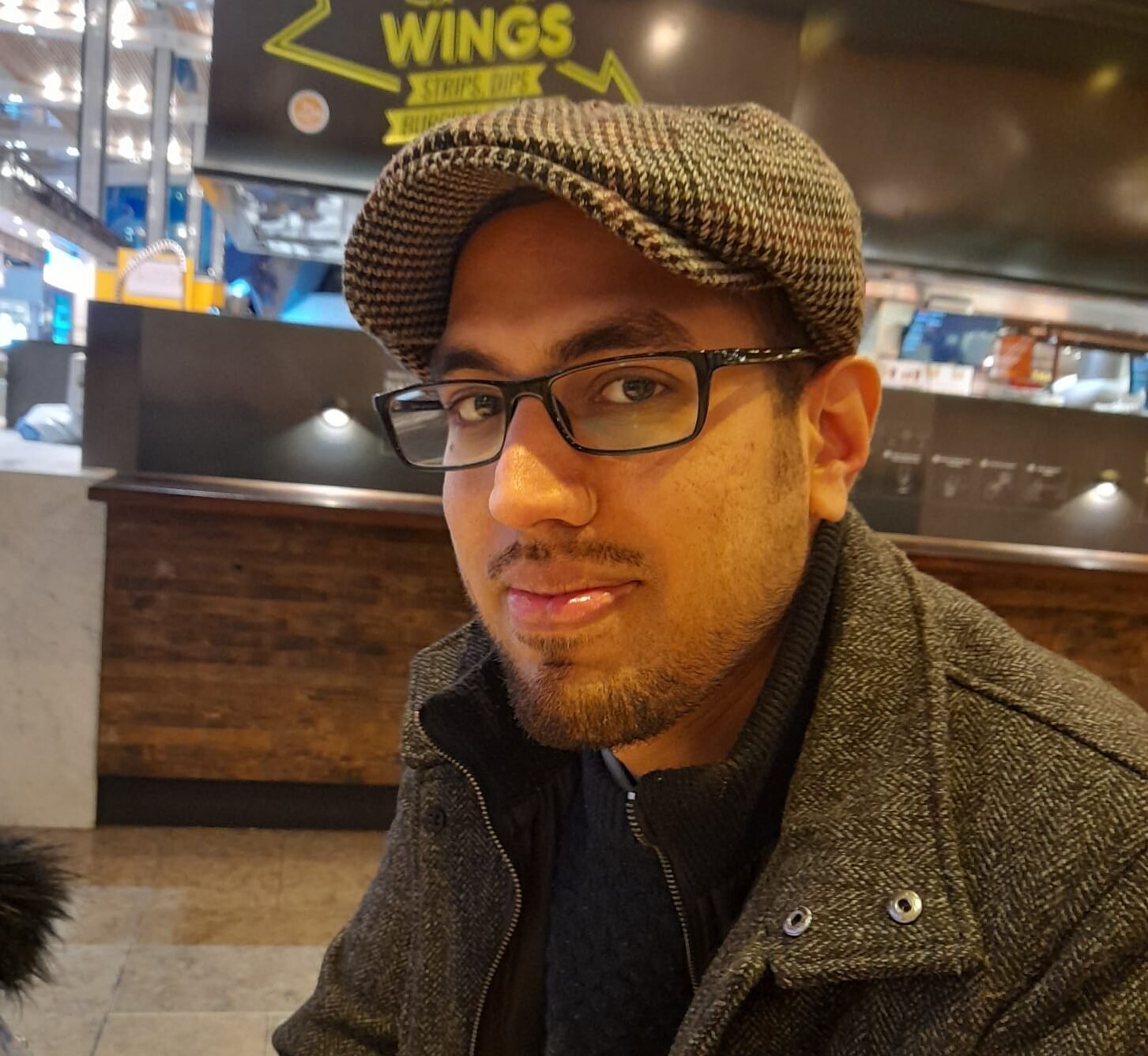
Majduddin Mohammed is the Co-Founder and Head of Marketing Analytics at Zawjaan, where he leads marketing campaigns, search strategy and data-driven growth initiatives for the platform. His work focuses on using data-driven analytics, community expertise, and digital insights to improve how Muslim singles discover and engage with Zawjaan while helping them connect with the shared goal of marriage.