

Meet Namangan Muslim Men Online
For Muslim women in Namangan, online matchmaking provides a discreet and efficient way to connect with potential spouses. Platforms like Zawjaan allow you to filter profiles based on religious practice, education, and family background, aligning with the values of serious Muslim men. Many Namangan Muslim men also use these services to meet women beyond their immediate social circles, respecting the boundaries of halal interaction. Creating a detailed profile with clear expectations increases the likelihood of finding a compatible match, while maintaining modesty and involving family early in the process is encouraged.
Namangan Muslim Men for Marriage
Marriage in Namangan is deeply rooted in Islamic and Uzbek traditions. It is seen as a sacred bond that unites two families, not just individuals. Muslim men often seek wives who are pious, family-oriented, and respectful of cultural norms. The process typically begins with a formal proposal (khitbah) and involves both families negotiating the mahr and wedding arrangements. Community support from elders and religious leaders plays a significant role, and the Nikah ceremony is conducted by a qualified imam, often at a mosque or home. For Muslim women, understanding these expectations is vital.
Halal Dating with Namangan Muslim Men
Halal dating in Namangan focuses on getting to know a potential spouse within Islamic guidelines. This means avoiding physical intimacy and private meetings without a chaperone. Public spaces like parks or halal cafes are acceptable for supervised conversations, often with family members present. The goal is to assess compatibility in values, religious commitment, and life goals while maintaining respect and modesty. Muslim men in Namangan appreciate women who are clear about their boundaries and intentions, as this reflects sincerity and seriousness about marriage.
Islamic Nikah in Namangan
The Islamic Nikah is the core of marriage in Namangan. It requires the consent of both parties, two male witnesses (or one male and two female), and a mahr (dowry) agreed upon by the bride. Local imams, often from central mosques, can officiate the ceremony. In Uzbekistan, the Nikah is usually performed after civil registration, but religious significance is paramount. Muslim men ensure that the Nikah is conducted correctly in accordance with Hanafi fiqh, which is predominant in the region. The ceremony is followed by a walima, a feast hosted by the groom.
Halal Chat with Namangan Muslim Men
Halal chat within online platforms like Zawjaan allows Muslim women to interact with Muslim men while adhering to Islamic etiquette. Conversations should be respectful, purposeful, and avoid flirtation or trivial talk. Both parties can discuss family, career, religious practices, and marriage expectations, ensuring that the interaction is serious and goal-oriented. In Namangan, where conservatism is prevalent, moving from online chat to family involvement is done carefully. It is recommended to involve a wali early in the process to maintain accountability and trust.
Namangan Muslim Singles and Community Networks
For Muslim singles in Namangan, finding a spouse often relies on community networks. Mosques, Islamic events, and family gatherings are common avenues. However, these can be limited, leading many to use online services. The city’s Muslim men are diverse, with backgrounds ranging from traditional farmers to urban professionals. They seek wives who can balance modernity with Islamic values. Events like halaqas and charity drives at local mosques provide opportunities for respectful introductions, though direct interaction between unrelated men and women is minimal due to cultural norms.
Marriage Proposals and Khitbah in Namangan
The proposal (khitbah) in Namangan is a formal affair. The groom’s family visits the bride’s home with the proposal, often bringing gifts. For Muslim women, it is customary to involve a wali, usually a father or brother, who gives the final consent. The proposal is a time to discuss mahr, living arrangements, and future plans. Muslim men are expected to be sincere and transparent, and families often seek information about the prospective groom’s character and religious standing. A positive response leads to an engagement period before the Nikah.
Physical Appearance of Namangan Muslim Men
When it comes to physical appearance, Namangan Muslim men appreciate modesty and naturalness in their potential wives. They value a neat, clean appearance and modest dress that reflects Islamic teachings. While physical attraction is acknowledged, it is secondary to character and faith. Remember that beauty is relative and depends on personal preferences. Focus on what you truly want in a partner rather than societal standards.
Skin, Hair and Eye Colour
Skin, hair, and eye colour are matters of personal preference and often reflect the diverse ethnic backgrounds in Namangan. The region has a mix of Uzbek, Tajik, and Kyrgyz influences, resulting in a variety of features. Muslim men typically do not prioritise a specific colour, instead focusing on overall health and grooming. It is essential to look beyond physical traits and consider the person’s personality and religious commitment.
Occupation and Profession
Occupation is an important consideration for Muslim women seeking Muslim men in Namangan. Many men work in agriculture, education, and local small businesses. With the region’s growing economy, some are employed in emerging industries such as textiles and logistics. A stable income is valued for supporting a family, but equally important is the individual’s work ethic and integrity. Women often seek men who are financially responsible yet not overly focused on material wealth.
Height
Height preferences vary among Namangan Muslim men. A common reference is 5 feet 9 inches or approximately 175 centimetres. While some women may prefer taller men, others find height less important than character and compatibility. It is advisable to keep an open mind and not let height dominate the search for a spouse.
Ethnicity and Nationality
Namangan is predominantly Uzbek, but the city also has significant Tajik and Kyrgyz populations, influenced by its location in the Fergana Valley. Muslim men from these communities may have distinct cultural traditions, though they share common Islamic values. For Muslim women, ethnicity can be a consideration, but inter-ethnic marriages are common and accepted. Understanding the nuances of your prospective partner’s ethnic background can aid in family harmony.
Compatibility with Namangan Muslim Men
Compatibility is crucial for a successful marriage. In Namangan, Muslim women and men assess each other on mutual respect, shared goals, and the ability to communicate. Beyond surface-level attraction, long-term success depends on alignment in major life decisions and emotional connection.
Religious Alignment
Religious alignment involves a shared commitment to Islamic practice. Namangan Muslim men often seek women who pray regularly, fast, and strive to improve their faith. The level of religiosity, whether conservative or moderate, should be discussed openly. Both partners should agree on how they will practice Islam, including praying together, supporting each other’s religious education, and raising children in the faith.
Cultural Compatibility
Cultural compatibility extends beyond ethnicity to include customs, family traditions, and language. In Namangan, the Uzbek language is dominant, and familiarity with local customs is advantageous. Muslim men appreciate women who are respectful of their cultural heritage, including food, dress, and social etiquette. These shared cultural touchpoints can ease the transition into marriage.
Local Muslim Culture
Namangan’s local Muslim culture is characterised by strong family bonds and community cohesion. Islamic holidays like Eid are celebrated with communal prayers and feasts. Mosques play a central role in religious life, with many men attending Friday prayers regularly. Women who understand and participate in these cultural expressions will find it easier to integrate into the community and build relationships.
Ideological Viewpoints
Ideological differences in Islamic interpretation can emerge, but in Namangan, the Hanafi school dominates and is widely accepted. Most Muslim men adhere to traditional views, though some may be influenced by contemporary reform movements. It is important to discuss theological leanings, such as views on the role of women, education, and religious leadership, to ensure mutual respect and avoid future conflict.
Lifestyle Compatibility
Lifestyle compatibility involves daily routines, hobbies, and social habits. Namangan Muslim men may have varying preferences, from simple, home-centred lives to more socially active ones. Consider factors like dietary practices, attendance at social events, and approaches to recreation. A couple should agree on how much time to spend with extended family and how to balance work and leisure.
Family Expectations
Family plays a central role in Namangan society, and expectations from both sides can be high. Muslim women should understand that their partner may have obligations to his parents and siblings. It is essential to discuss living arrangements, whether with extended family or independently, and the level of involvement from each family. Mutual respect between the bride and the groom’s family is crucial for harmony.
Marriage Goals
Marriage goals include financial planning, children, and personal development. Namangan Muslim men often aspire to build a stable home, provide for their family, and raise children with proper Islamic values. Couples should discuss timelines for having children, career aspirations, and financial responsibilities. Open communication about these goals can prevent future misunderstandings.
Relationship Expectations
Relationship expectations define the dynamics of the marriage. Muslim women and men in Namangan typically expect a partnership based on kindness, patience, and mutual support. The husband is seen as the provider and protector, while the wife is the homemaker and caregiver, though roles are evolving. Both should negotiate responsibilities and communication styles to ensure a harmonious relationship.
How to Find Muslim Men in Namangan
To find Namangan Muslim men, utilise a mix of online platforms, family networks, and community events. Attend Islamic lectures, participate in mosque activities, and seek referrals from trusted relatives. When using services like Zawjaan, be clear about your intentions and involve a wali early to ensure the process remains respectful.
1. Create a clear marriage profile
Phase 1: Profile CreationCreate a profile that highlights your faith, values, and intention for marriage. Include clear photos and describe your ideal partner based on religious commitment and family orientation.
2. Search locally and realistically
Phase 2: Local DiscoveryUse Zawjaan’s search filter to find Muslim men in Namangan. Look for profiles that mention regular prayer, community involvement, and halal lifestyle choices.
3. Begin respectful halal chat
Phase 3: Compatibility ScreeningEngage in respectful conversations, focusing on deen, career, and family expectations. Avoid prolonged private chats; suggest involving a wali once mutual interest is established.
4. Arrange a public meeting
Phase 4: Face-to-Face CourtshipWhen ready, arrange a meeting in a public place like a park or halal café, with a chaperone present. Keep the conversation halal and purposeful.
5. Introduce both families
Phase 5: Family MeetingIntroduce your potential spouse to your family formally. This is a significant step in Namangan, so prepare both sides by discussing family values and expectations.
6. Prepare the legal documentation
Phase 6: Legal DocumentationBefore the Nikah, complete civil registration in Uzbekistan to ensure your marriage is legally recognised. This can be done at the local registry office before the religious ceremony.
7. Complete the Islamic Nikah
Phase 7: Marriage ContractContact a local imam to arrange the Nikah. Ensure all Islamic requirements are met, including mahr and witnesses, and plan a walima to celebrate with family and friends.
Frequently Asked Questions
How can Muslim women meet Namangan Muslim men for marriage?
Use online platforms like Zawjaan, which allow you to filter for religious practice and family orientation. Also attend community events at local mosques and seek referrals from trusted relatives.
What do Namangan Muslim men look for in a potential wife?
Muslim men in Namangan value piety, modesty, and family loyalty. They appreciate women who are respectful of traditional norms and are willing to build a home centred on Islamic values.
Are Namangan Muslim men open to online matchmaking?
Yes, many Namangan Muslim men use platforms like Zawjaan for serious marriage. They appreciate the discretion and efficiency, but prefer that conversations become family-involved early.
What is the typical proposal process for Namangan Muslim grooms?
The groom’s family visits the bride’s home with the proposal, often with gifts. The bride’s wali gives consent, and discussions about mahr and wedding details follow.
How can Muslim women ensure a halal courtship with Namangan Muslim men?
Keep interactions purposeful and avoid private meetings. Use public venues for supervised dates, involve a wali in early stages, and maintain respectful communication.
About the Author
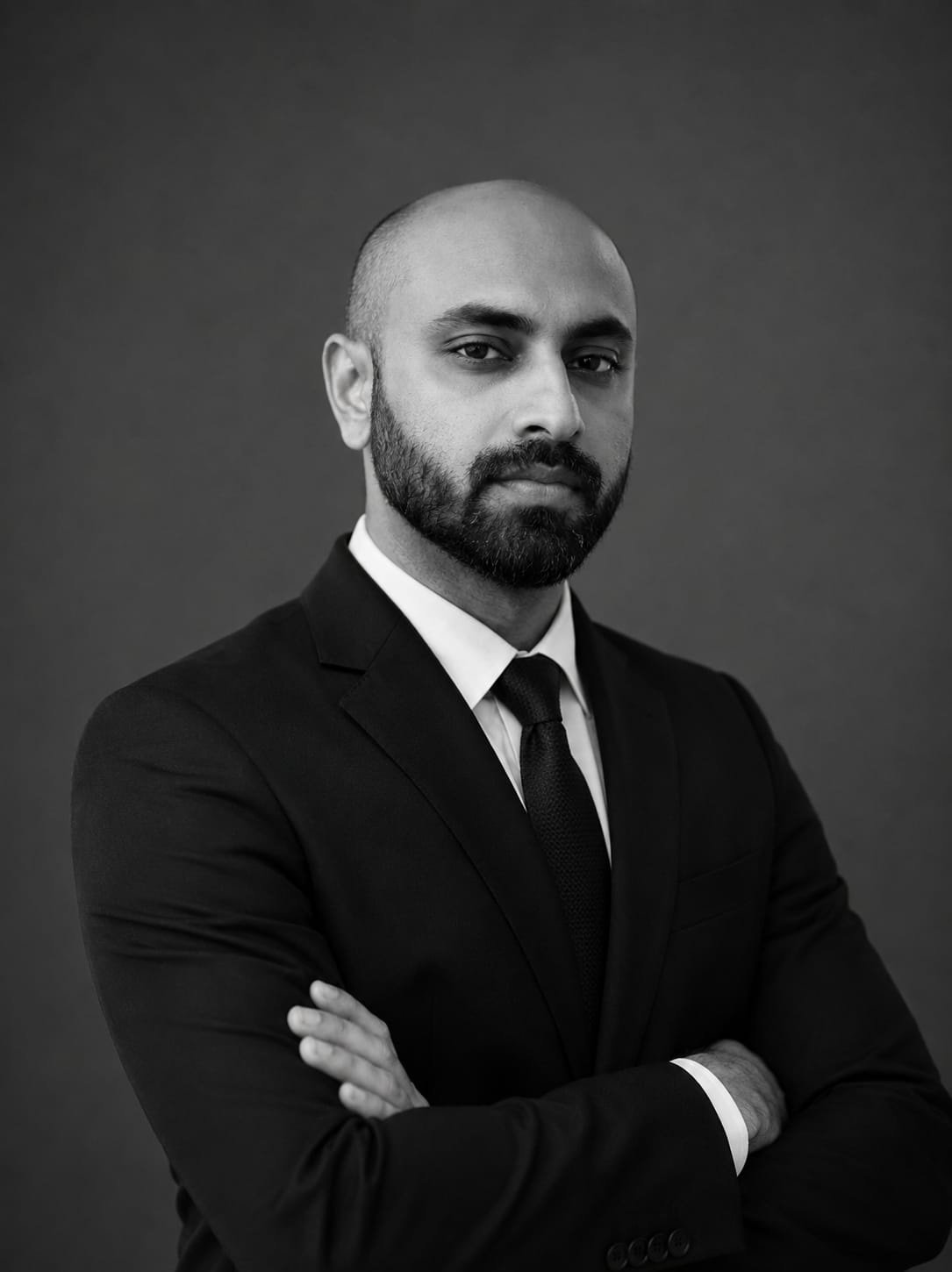
Arfan Shariff is the Co-Founder and Head of Operations at Zawjaan, overseeing platform operations, public relations and strategic partnerships. Drawing on his experience in community engagement, Arfan helps shape Zawjaan's trusted, faith-centred and user-focused approach to Muslim matchmaking, promoting compatibility, authenticity and meaningful lifelong marriages.