



Meet Jinja Muslim Men Online
Online matchmaking is increasingly popular among Muslim singles in Jinja, offering a discreet way to connect with potential partners while upholding Islamic principles. Dedicated platforms and social media groups cater to the local Muslim community, allowing individuals to create profiles that highlight their faith, values, and family background. For Muslim women in Jinja, these platforms can be a starting point to meet serious men who are also seeking marriage, with the intention of involving families early in the process.
Jinja Muslim Men for Marriage
Marriage in Jinja's Muslim community is a significant life event, deeply rooted in Islamic teachings and local customs. For a Muslim woman, finding a husband means seeking a partner who shares her commitment to faith and family. The city's diverse Muslim population includes people of various ethnicities, including indigenous Ugandans, Asians, and Arabs, each bringing their own traditions. A successful match often requires patience, prayer, and the support of family and respected community elders.
Halal Dating with Jinja Muslim Men
Halal dating in Jinja involves meeting with the intention of marriage, always in the presence of a chaperone or in public settings. This respectful approach ensures that both parties maintain Islamic boundaries while getting to know each other. For a Muslim woman, such meetings might occur at a local cafe or during community events, where conversations focus on faith, life goals, and family expectations. It's a balanced process, avoiding unnecessary intimacy while allowing genuine compatibility to surface.
Islamic Nikah in Jinja
The Islamic Nikah is the heart of a Muslim marriage in Jinja, a sacred contract that formalises the union before Allah. For Muslim couples, having the Nikah ceremony is essential, often held at a mosque or at home with an imam officiating. In Jinja, as elsewhere in Uganda, the Nikah is recognised under law, and couples may also complete civil registration. This dual process ensures that the marriage is both religiously valid and legally protected.
Halal Chat with Jinja Muslim Men
Halal chat is a crucial part of getting to know a prospective husband, conducted with respect and modesty. In Jinja, Muslim men and women may communicate via messaging apps, but always keeping the conversation topic-appropriate and avoiding secrecy. This form of chat allows a Muslim woman to assess a man's character, religiosity, and intentions, while setting the stage for family involvement. It's a step that bridges initial online discovery and face-to-face meetings.
Jinja Muslim Singles and Community Networks
For Muslim singles in Jinja, the search for a spouse is often guided by community networks and family connections. The city's population includes many devout Muslims, and events such as Eid gatherings, mosque study circles, and marriage bureaus provide opportunities to meet potential partners. For a Muslim woman, expressing interest in a man through family or community is common, ensuring that the process remains honourable and supported.
Marriage Proposals and Khitbah in Jinja
In Jinja's Muslim culture, a proposal, or khitbah, is a formal step that involves both families. For a Muslim woman, receiving a proposal from a Muslim man means that his family will typically approach her family, either through a mutual acquaintance or directly. This formal declaration of intent is made after initial conversations have established potential compatibility. The khitbah period allows both sides to pray and reflect, seeking Allah's guidance before committing to marriage.
Physical Appearance of Jinja Muslim Men
Physical attraction is one factor in choosing a partner, but in a serious Muslim marriage, character and faith matter more. In Jinja, Muslim men come in diverse appearances, with varying skin tones, hair textures, and features. Remember that beauty is relative and depends on personal preferences. Focus on what you truly want in a partner rather than societal standards.
Skin, Hair and Eye Colour
Skin, hair, and eye colour vary widely among Muslim men in Jinja, reflecting the city's rich diversity. You may meet men with dark skin, light brown complexions, or South Asian and Middle Eastern backgrounds. Hair can range from curly to straight, and eyes might be brown, black, or even green. These physical traits are secondary to a man's character and his commitment to Islamic values.
Occupation and Profession
Muslim men in Jinja pursue a range of professions, often balancing work with family and community obligations. Common sectors include trade, fishing, education, healthcare, and civil service. Many run businesses, while others work in the growing industrial sector or in tourism. A man's occupation can reflect his stability and ambition, but more important is his willingness to provide for a family in a halal manner.
Height
Height is often a consideration, and Muslim men in Jinja vary in stature. The average height for a man is around 5 feet 9 inches or approximately 175 centimetres, though many are taller or shorter. Some women prefer a taller partner, but a man's height is just one physical trait. In the context of marriage, his ability to be a supportive and loving husband outweighs such external features.
Ethnicity and Nationality
Jinja's Muslim community is ethnically diverse, including Baganda, Basoga, and other Ugandan tribes, as well as people of Asian and Arab descent. Each group carries its own customs, foods, and family expectations, which can enrich a marriage. For a Muslim woman, understanding a man's ethnic background is important, as it will influence family dynamics and celebrations, but it should not overshadow shared faith and values.
Compatibility with Jinja Muslim Men
Compatibility is the foundation of a lasting marriage, encompassing religious, cultural, and personal dimensions. For Muslim men and women in Jinja, finding a compatible partner involves honest conversations about faith, family, and future plans. This section examines key aspects of compatibility that help ensure a harmonious union.
Religious Alignment
Religious alignment is crucial. Both partners should share a commitment to practicing Islam, including daily prayers, fasting, and other pillars. In Jinja, many Muslim men are devout, but levels of observance vary. A Muslim woman should seek a man who respects her faith and is willing to grow together in deen, making Islamic principles the centre of the marriage.
Cultural Compatibility
Cultural compatibility goes beyond religion, touching on traditions and everyday life. For instance, a man from the Basoga tribe may have different customs than one from an Asian background. In Jinja, these differences can be bridged if both partners respect each other's heritage. A Muslim woman should consider how her own cultural practices align with those of a potential husband, especially regarding family roles and celebrations.
Local Muslim Culture
The local Muslim culture in Jinja is shaped by the broader Ugandan context, with a strong emphasis on community and hospitality. Mosques play a central role, and events like Mawlid are celebrated collectively. For a Muslim woman, being familiar with these local practices helps in assessing a man's involvement in the community, an indicator of his social values and network.
Ideological Viewpoints
Ideological viewpoints can vary among Muslim men, from those who follow traditional scholarship to those influenced by modern reformist thought. In Jinja, some men may be affiliated with Sufi orders, while others are more Salafi. A Muslim woman should engage in dialogue to understand a man's perspective on Islamic issues, ensuring that their religious outlooks are compatible for a peaceful household.
Lifestyle Compatibility
Lifestyle compatibility involves daily habits, finances, and social activities. A Muslim man in Jinja might have a simple lifestyle, spending time with family or engaging in sports. A woman should consider whether her future husband's career and leisure activities align with her own, and whether he maintains a balance between worldly matters and religious duties.
Family Expectations
In Jinja, family expectations often shape a marriage. A Muslim man may expect his wife to be actively involved in his extended family, or he might prioritise a nuclear household. A woman should clarify these expectations early, including how often to visit in-laws and who makes major decisions. Honest conversations prevent future conflicts and promote mutual respect.
Marriage Goals
Marriage goals should align, including plans for children, education, and financial security. Many Muslim couples in Jinja hope to have children and raise them with Islamic values. A Muslim woman should discuss her desire for a large or small family, and her career aspirations, ensuring that both partners look forward to a shared future.
Relationship Expectations
Within the marriage, each partner has expectations about roles and responsibilities. In Jinja, traditional gender roles are common, but many couples now share duties. A Muslim woman should talk about how she envisions the relationship dynamic, from managing finances to handling chores, and find a man who is willing to be an equal partner in building a home.
How to Find Muslim Men in Jinja
To find Muslim men in Jinja for marriage, start by engaging with the community through mosques and Islamic events. Seek introductions from family and friends, and consider using reputable online platforms. Be clear about your intentions, and involve a wali early to ensure the process remains respectful.
1. Create a clear marriage profile
Phase 1: Profile CreationCreate a profile that highlights your faith, values, and what you seek in a husband, being honest about your intentions for marriage.
2. Search locally and realistically
Phase 2: Local DiscoveryUse local mosques and community centres in Jinja to connect with Muslim brothers, or extend your search to nearby areas.
3. Begin respectful halal chat
Phase 3: Compatibility ScreeningEngage in respectful conversations with a Muslim brother, keeping the chat modest and topic-focused, avoiding any secrecy.
4. Arrange a public meeting
Phase 4: Face-to-Face CourtshipArrange a public meeting in a halal setting, such as a cafe or park in Jinja, with a chaperone present if possible.
5. Introduce both families
Phase 5: Family MeetingIntroduce the brother to your family in a formal setting, ensuring that both sides have time to interact and give their input.
6. Prepare the legal documentation
Phase 6: Legal DocumentationComplete the legal marriage registration in Jinja, ensuring you have all necessary documents from Uganda's authorities.
7. Complete the Islamic Nikah
Phase 7: Marriage ContractHold your Nikah ceremony with a recognised imam in Jinja, involving family and witnesses to make the union official.
Frequently Asked Questions
How can Muslim women meet serious Muslim men for marriage in Jinja?
Seek introductions through family and community leaders, attend events at local mosques, and use reputable platforms like Zawjaan to connect with Muslim brothers who share your intentions.
What qualities should a Muslim man in Jinja have to be a good husband?
A good husband in Jinja is devout in his faith, respectful of his family, and responsible in his work. He should be willing to grow together and uphold Islamic values in daily life.
Are there specific halal venues in Jinja where Muslim men and women can meet?
Yes, many halal restaurants and cafes in Jinja, such as some along Main Street, offer neutral ground for meetings with a chaperone, ensuring respectful interaction.
What role does the family play in the marriage process for Muslim men in Jinja?
Family approval is essential. The groom's family usually formally proposes, and both families support the couple, ensuring that the marriage is accepted within the community.
How can a Muslim woman verify the intentions of a Muslim groom in Jinja?
Involve your wali and speak at length about religion, goals, and daily life. Ask for recommendations from community leaders, and consider background checks through shared networks.
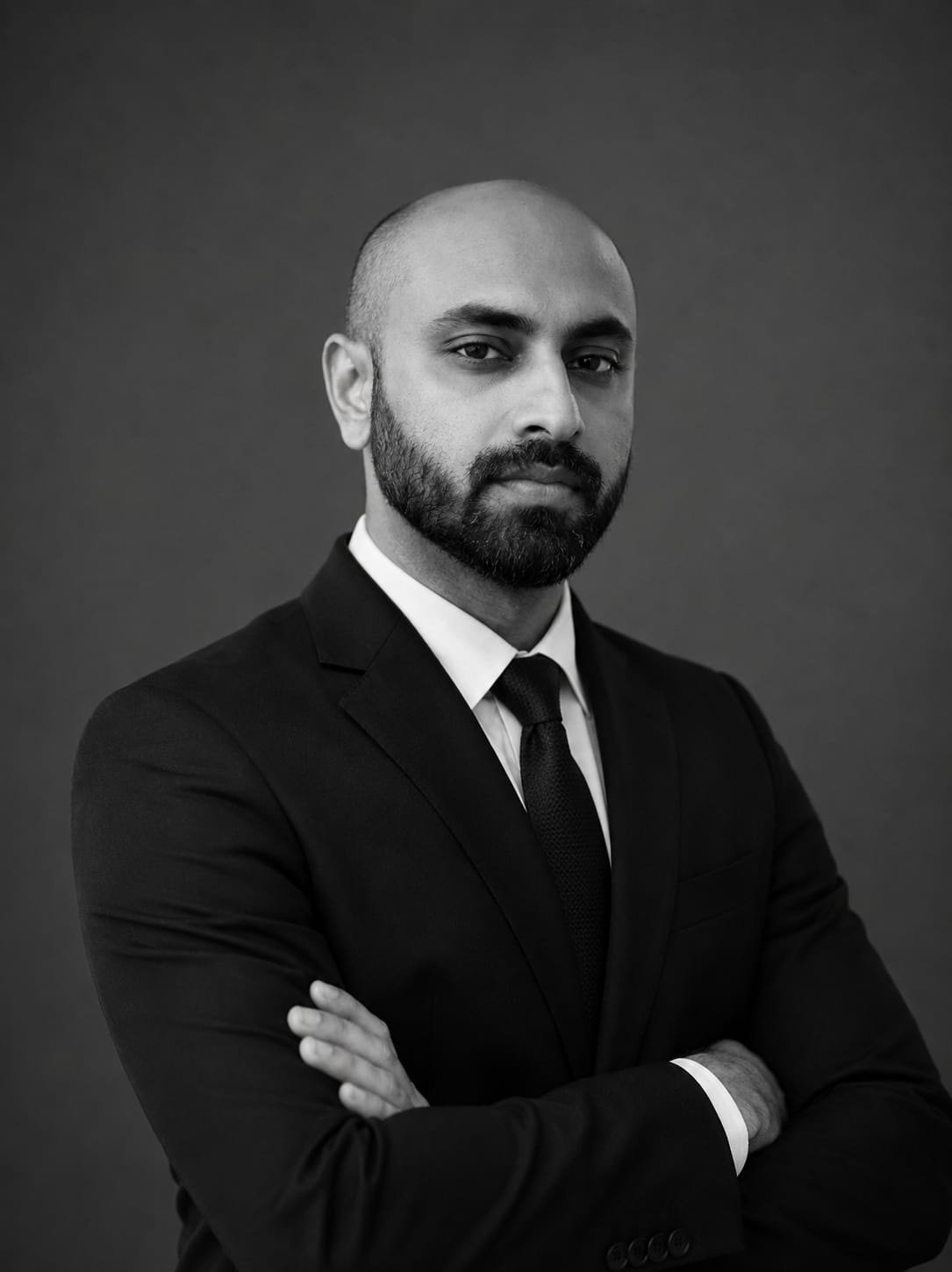
About the Author
Arfan Shariff is the Co-Founder and Head of Operations at Zawjaan, overseeing platform operations, public relations and strategic partnerships. Drawing on his experience in community engagement, Arfan helps shape Zawjaan's trusted, faith-centred and user-focused approach to Muslim matchmaking, promoting compatibility, authenticity and meaningful lifelong marriages.