


Assessing Serious Marriage Intent in UAE for Muslim Men
Before investing your time and emotions, you must gauge whether a potential husband in the UAE is truly serious about marriage or merely passing time.
In the UAE, marriage is considered a major life milestone, deeply rooted in Islamic and cultural values. Many Muslim men, especially those in their late twenties and beyond, actively seek a wife to build a family.
A serious man will discuss marriage early and respectfully, asking about your intentions and family expectations. He will not waste your time with casual chats or indefinite delays.
Look for consistency: his words, actions, and long-term plans should align. A serious matchmaker or family member can also vouch for his sincerity.
Be cautious of men who avoid introducing you to their family or fail to set a timeline for the nikah. True intention is demonstrated through responsible planning.
- He asks about your marriage goals and timeline within the first few conversations.
- He willingly discusses mahr and wedding logistics without hesitation.
- He brings his family or a trusted representative into the process early.
- He avoids ambiguous language like ‘let’s see’ or ‘maybe later’.
- He shows respect for your wali and your need for family involvement.
Signs Your Potential Husband is Truly Serious
A serious man will often initiate conversations about marriage-readiness, such as financial planning and future residence. He will also respect your boundaries and ensure all communication is halal and purposeful.
Pay attention to how he speaks about his previous relationships. A serious man will have learned from the past and be clear about what he wants in a wife.
Understanding UAE’s Muslim Community for Emirati Husbands
The UAE is home to a rich mosaic of Muslim communities, each with its own cultural norms while united under Islamic principles. This diversity offers you a wide pool of potential spouses.
Local Emirati men are proud of their heritage and often uphold strong family ties. Many are open to marrying from other nationalities, but they will also consider cultural compatibility.
Expat Muslims from South Asia, the Arab world, Africa, and beyond also reside here, bringing diverse customs. This can be an advantage if you seek a husband with a specific cultural background.
However, culture should not override deen. A man’s character and practice of Islam matter more than his passport or ethnicity.
Attend community events, Islamic lectures, and halal gatherings to meet like-minded men and families. Mosques often offer matrimonial services or know of trusted matchmakers.
- Community centres in Dubai and Abu Dhabi host singles events and speed-dating with a halal twist.
- University alumni groups and professional networks can introduce you to marriage-minded Muslim men.
- Engage with Islamic centres that offer matrimonial services, such as the Zawjaan platform.
- Volunteer in charitable causes; it helps you meet men of good character.
Cultural Diversity Without Stereotypes
While it is natural to prefer a certain cultural background, avoid stereotyping a whole nationality. Each individual is unique, and his upbringing and personal values are more telling.
Discuss your cultural expectations early, but also remain open to learning about his traditions. A successful marriage often blends the best of both worlds.
Emirati Grooms: Evaluating Deen and Character
Compatibility in faith and morals is the foundation of a blessed marriage. When assessing a potential husband, his deen and akhlaq should be your primary filters.
Observe how he practices his daily prayers, treats his parents, and interacts with others. A man who prays on time and maintains good manners is often a sign of strong iman.
Look for someone whose character mirrors the teachings of the Prophet (peace be upon him): honesty, kindness, and responsibility.
Ask about his Islamic knowledge and his views on shared religious goals in marriage. Does he want a wife who encourages him in deen, and will he support your religious commitments?
Do not be impressed by outward displays of piety alone; check his consistency and humility.
- Ask him about his daily routines, including prayer and recitation of Quran.
- Notice how he speaks about women, his mother, and his sisters.
- Inquire about his involvement in religious study circles or community service.
- See if he avoids gossiping and engaging in unislamic behaviour even among friends.
- Gauge whether he is willing to learn and grow in deen alongside you.
Compatibility Beyond the Checklist
While shared interests are important, spiritual compatibility is paramount. A man who values the same level of religious commitment will likely be a supportive husband.
Discuss your expectations regarding hijab, children’s upbringing, and religious holidays to ensure you are on the same page.
Emirati Family Expectations and Involvement in Matrimony
In the UAE, family is central to marriage. Understanding how a man’s family will participate in your relationship is crucial for a harmonious start.
Many Emirati men consider their parents’ approval essential before proposing. A potential husband who involves his mother and father early on is demonstrating his respect for family tradition.
Expect that your wali will interact with his family, and both sides may negotiate the mahr and wedding arrangements. This is a normal part of the Islamic marriage process.
Be prepared for family gatherings where you might be introduced to his relatives. First impressions matter, so dress modestly and warmly engage with them.
Clarify how involved his family will be in your daily life after marriage. Some prefer extended family living, while others prefer a separate household.
- Ask him about his family’s expectations of a daughter-in-law.
- Discuss where you will live: with parents, alone, or near relatives.
- Find out how decisions are typically made in his family.
- Understand the role of his mother in his decision-making.
- See if he is willing to stand up for you when necessary.
Approaching the Family Respectfully
When you meet his family, show genuine respect for their customs. Bring a small gift, offer polite greetings, and avoid controversial topics.
Let your wali lead any formal discussions. This maintains Islamic etiquette and shows that you value your own family’s involvement.
Halal Communication with UAE Muslim Men
Purposeful and halal communication is the backbone of an Islamic courtship. In the UAE, there are structured ways to get to know a potential husband without falling into haram.
Always involve a third party, such as a wali or trusted companion, in your conversations. This protects your dignity and keeps the interaction on track.
Use language that is respectful and focused on marriage-related topics: deen, life goals, family, and expectations. Avoid flirtatious talk or prolonged emotional attachment before nikah.
Online matchmaking platforms like Zawjaan facilitate halal communication by providing a safe space for getting to know each other without crossing boundaries.
In person, meet in public places, and consider having a family member accompany you, especially during the early stages.
- Keep conversations purposeful and solution-oriented.
- Do not share explicit photos or engage in inappropriate banter.
- Set clear boundaries about frequency and depth of communication.
- Use structured Q&A sheets to cover important topics without awkwardness.
- Remember that you are trying to decide if he is a suitable husband, not a friend.
Guided Questions for the first few meetings
Ask about his understanding of the roles and responsibilities of a husband in Islam. This reveals his mindset about marriage.
Discuss how you both plan to handle financial matters, including whether the wife’s wealth is her own and his responsibility to provide.
- What are your long-term career and family goals?
- How do you perceive the role of a wife in your household?
- What is your stance on the husband’s financial duties?
- How would you handle disagreements with your parents?
- What are your expectations about the wife’s education or career?
- How do you plan to maintain Islamic values in your home?
Marriage-Focused Online Matchmaking for Muslim Men in UAE
Online matrimonial platforms offer a modern, halal way to find a husband in the UAE, especially for busy professionals or those who prefer privacy.
Zawjaan is designed for serious Muslim marriage, requiring both parties to create detailed profiles and communicate with intention. Our platform discourages casual dating and encourages family involvement.
Other Islamic matrimonial apps are also popular, but they vary in their commitment to halal practices. Choose one that makes it clear that you are seeking a spouse, not a casual date.
Create a profile that honestly reflects your deen, interests, and what you seek in a husband. This attracts compatible matches and saves time.
When you find a potential match, involve your wali early. Share the profile and any conversations you have had.
- Set up your profile with clear intentions and a recent, modest photo.
- Use the platform’s messaging features, which allow you to chat in a controlled, safe environment.
- Request video calls once a basic compatibility is established.
- Transition to family involvement as soon as you both feel comfortable.
- Plan a face-to-face meeting in a public place with a mahram present.
Why Zawjaan is Different
Zawjaan emphasizes halal communication and marriage-focused matching, with features like wali access and verified profiles.
We encourage users to keep the nikah as the ultimate goal, and thus we provide resources and support for that journey.
- All profiles are manually reviewed to ensure serious intent.
- We offer a ‘wali dashboard’ for your guardian to participate in the search.
- Our matching algorithm considers deen, character, and family values.
- We provide a safe space with no place for casual dating.
Preparing for Nikah and Mahr in the UAE
Understanding the practical steps of an Islamic marriage in the UAE helps you approach the process with confidence.
In the UAE, the nikah is a formal Islamic contract conducted under the supervision of the judiciary or a licensed registrar. Both parties, along with the bride’s wali and two male witnesses, are required.
The mahr is a mandatory gift from the groom to the bride, specified in the marriage contract. It can be monetary, assets, or an agreed service, and it is a symbol of the husband’s commitment.
Sisters often discuss mahr preferences with their families before the nikah. It is permissible to agree on a reasonable amount that reflects both families’ expectations without causing financial strain.
- Ensure the groom agrees to a written mahr before the nikah, as it is a legally binding part of the contract.
- Plan for the marriage registration process, usually requiring both partners to present valid IDs and medical certificates.
- Consider attending a pre-marital course if offered by local Islamic centres, as many cover rights and responsibilities.
Financial Readiness for Nikah
Before discussing mahr, assess whether the groom has a stable income to support a new family. This includes housing, daily expenses, and future children.
A wise approach is to have a transparent conversation about finances, not as a test, but to ensure both partners are on the same page regarding lifestyle expectations.
- Housing costs vary greatly between Dubai and Sharjah, so understand what a proposed mahr means in real terms.
- Some families prefer a modest mahr to avoid burdening the groom, while others see it as a form of security for the bride.
Cultural Diversity Among Emirati Men
The UAE is home to a rich mix of Emiratis and Muslims from around the world, each with unique traditions. Culture should not be confused with religion.
Emirati Muslim men come from varied tribal, ethnic, and regional backgrounds, and their practices may differ slightly in family customs or dialect, but their faith remains central.
A potential husband from Dubai may have different social customs than one from Ras Al Khaimah. It is essential to ask about his family’s specific traditions rather than assume based on nationality.
At Zawjaan, we encourage sisters to look beyond stereotypes and focus on a man’s character and commitment to Islam.
- Ask about his family’s cultural practices regarding weddings and gender interaction.
- Learn about his region’s cuisine and hospitality norms to understand his background.
- Respect that some families may have strong local customs that you should observe.
Regional Influences on Dress and Etiquette
Traditional Emirati men wear the kandura, a white robe, and the ghutra head covering. However, attire can vary by occasion and personal style.
During family visits, it is common to greet with a handshake and exchange pleasantries, but a sister should be cautious and not initiate physical contact unless the man is her mahram.
- Observe how he dresses when meeting your family – modesty and neatness reflect his respect.
- Ask about his family’s expectations for your dress code during formal gatherings.
Emirati Cuisine and Family Gatherings
Food is a window into a family’s traditions. Understanding local dishes helps you engage warmly with his relatives.
Emirati cuisine is rich in rice, fish, and meat dishes like machboos and harees. Dates and Arabic coffee are central to hospitality during visits.
When invited to his family’s home, it is polite to compliment the host and try the food. These gestures build bridges between families.
A potential husband may expect his wife to cook traditional dishes, so enthusiasm for learning can be an asset.
- Learn a few Emirati recipes to show interest in his culture.
- Be prepared for large gatherings during Eid, where food reflects communal warmth.
- Ask about dietary preferences, as some families may have specific halal practices.
The Role of Family Dinners in Courtship
In the UAE, family dinners are often used as a halal setting for a prospective couple to meet under supervision. A man who invites you to such an event shows serious intention.
These gatherings allow you to observe how he treats elders and children, which is a good indicator of his character.
- Accept invitations to family meals only when a chaperone is present.
- Use these opportunities to ask about his family’s expectations of a wife.
Eid Customs and Dress Traditions
Eid is a significant time for families in the UAE, and a groom’s observance of customs can reveal his values.
During Eid, Emirati families exchange visits, give gifts, and share special meals. Men often wear new kanduras, and women wear embellished abayas.
A prospective husband who prioritises family gatherings during Eid demonstrates his commitment to family ties, which is important in Islam.
Understanding these customs helps you feel prepared when you become part of his family.
- Learn about the practice of giving Eidiya, a gift to children and relatives.
- Observe if he includes you in Eid greetings within halal boundaries.
- Ask about his family’s tradition of praying Eid prayer at a particular mosque.
Dressing Modestly for Eid Occasions
When meeting his family during Eid, wearing modest, elegant attire shows respect. In the UAE, abayas are common for women, but styles vary.
A sensible sister will ask her future husband about his family’s expectations to avoid embarrassment.
- Choose loose-fitting clothes and longer sleeves.
- Carry a pashmina or shawl to cover when needed.
Approaching Emirati Families and Gaining Approval
Family approval is central in Emirati culture. A man who is serious about marriage will involve his family early.
In the UAE, it is customary for a man to seek his family’s blessing before proceeding with a proposal. A groom who introduces you to his parents early signals his seriousness.
Your own wali should be involved from the beginning. This ensures that all communication is respectful and Islamic.
When meeting his family, be mindful of their expectations. Emirati families often value hospitality and respect for elders.
- Ask the groom if his parents are aware of his intention to marry.
- Request a meeting with him and your wali to discuss the proposal formally.
- Prepare to answer questions about your background, education, and career.
Navigating Different Family Dynamics
Some families are more progressive, while others prefer very traditional approaches. Only you can decide if you are comfortable with his family’s style.
A useful step is to speak with his married sisters or cousins if appropriate, as they can provide insight into family dynamics.
- Notice how he speaks about his mother and sisters – respect for women is key.
- Be honest about your own family expectations to avoid future conflicts.
City Differences and Relocation for Emirati Husbands
The UAE’s cities differ in lifestyle, cost, and family presence. Where your future husband lives will shape your daily life.
Dubai is cosmopolitan with a fast-paced lifestyle, while Abu Dhabi offers a more serene, family-oriented environment. Sharjah is more traditional and affordable.
If you are moving to the UAE from abroad, consider the logistics of visa sponsorship, housing, and proximity to his extended family.
A husband who is willing to live near your family or provide you with a separate home shows consideration for your needs.
- Visit the city before marriage and see if you feel comfortable with its pace.
- Discuss whether he expects a joint or separate household from his parents.
- Clarify your own preferences regarding employment and social life.
Long-Distance and Relocation Considerations
If you are not already in the UAE, plan for a period of long-distance engagement while visas are processed. Regular halal communication via phone or video is essential.
Be aware that the climate and cultural norms may be different from your home country. Prepare for the summer heat and the more conservative dress codes in certain emirates.
- Ensure the groom is financially stable to support your relocation and initial setup.
- Discuss how you will maintain your own social and religious connections.
Signs a Man is Ready for Marriage in the UAE
When evaluating a potential husband, focus on his actions and mindset rather than his words alone.
A marriage-ready man takes initiative: he approaches your wali, involves his family, and discusses practical matters like mahr and housing without hesitation.
He is emotionally mature, communicates openly, and respects your boundaries. He avoids ambiguous ‘just talking’ phases without commitment.
In the UAE, some men may delay marriage due to career pressures, but a serious one will prioritise marriage even while building his future.
- He mentions specific plans for after nikah, such as where you will live and how he will provide.
- He is happy to involve your wali and meet with your family.
- He asks about your expectations and shares his own without being confrontational.
Red Flags to Avoid
Be wary of men who avoid family involvement or refuse to specify the mahr amount. This can indicate a lack of seriousness.
Also, caution against those who speak only about their needs and not about building a life together.
- He pressures you to keep the relationship secret from his family.
- He downplays the importance of a wali or insists on unconventional arrangements.
- He is unwilling to discuss finances or future plans.
How to Assess Emirati Muslim Men for Marriage
A marriage-focused process for Muslim women assessing a Emirati Muslim man in UAE for serious Islamic marriage.
- Confirm serious marriage intention: Clarify that the Emirati Muslim man is seeking marriage rather than a casual relationship, and establish clear halal communication boundaries from the beginning.
- Assess deen and character: Consider religious commitment, honesty, temperament, responsibility and consistency, rather than relying only on attraction or online conversation.
- Involve family or wali appropriately: Bring trusted family members or a wali into the process at a suitable stage so intentions, character and practical expectations can be assessed transparently.
- Discuss marriage expectations: Talk clearly about mahr, finances, work, housing, family roles, children, location and other responsibilities that could affect long-term compatibility.
- Agree the route towards Islamic nikah: If compatibility is strong, agree practical next steps for family discussions, any necessary civil requirements and preparation for an Islamic nikah.
Frequently Asked Questions
What is a typical mahr amount in the UAE?
Mahr amounts vary widely based on family background, city, and personal means. In the UAE, it can range from a few thousand dirhams to substantial sums. It’s best to agree on an amount that is acceptable to both sides without financial hardship.
How can I approach the topic of mahr with a potential Emirati husband?
Discuss mahr politely through your wali or during a supervised meeting. State your preference clearly but be reasonable. A serious man will appreciate your practicality.
Is it common for Emirati men to involve their families early in marriage discussions?
Yes, family involvement is a cultural norm in the UAE. A man who is serious about marriage will introduce you to his family early and seek their approval. This is a positive sign.
What should I know about relocating to the UAE from another country?
You will need a marriage visa and likely a residency visa sponsored by your husband. Housing and cultural adjustments are important considerations. Tour the city and discuss these details before marriage.
Can I continue to work after marriage?
Yes, many Emirati wives work, and there is no legal prohibition. However, it is a personal decision to be discussed with your husband. Some families may prefer a traditional home life, but you can negotiate.
How does Zawjaan help me find a serious Emirati husband?
Zawjaan allows you to create a profile and communicate with marriage-minded men through halal channels. It supports your search by keeping the focus on compatibility and family involvement.

About the Author
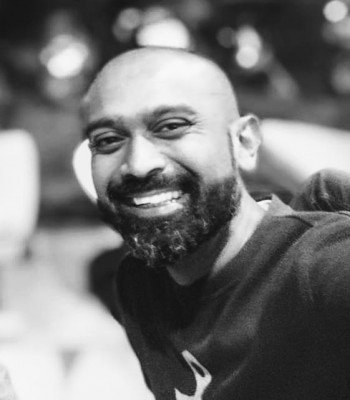
Nasehuddin Mohammed is the Co-Founder and Head of Technology at Zawjaan, where he leads product quality and the platform’s technological development. His work spans user experience and interface development, matchmaking strategies, and community-centred communication experiences designed to help Muslims build serious, marriage-minded connections.