



Understanding Serious Marriage Intent Among Thai Muslim Men
Knowing whether a man truly wants marriage is the first step. In Thailand, cultural and religious expectations shape how men approach matrimony.
Thai Muslim men who are serious about marriage usually involve their families early and speak clearly about wanting a wife.
You should notice consistency between his words and actions. A man who avoids answering questions about the future may not be ready.
In Thai Muslim culture, marriage is often seen as a communal event, so a serious suitor will bring his family into the conversation naturally.
Observe how he speaks about previous relationships. Respectful and private language indicates maturity.
Ask direct questions about his timeline for marriage, children, and living arrangements. Serious men welcome such clarity.
- Listen for explicit statements about wanting to marry soon.
- Notice if he includes family in discussions about the future.
- Check whether his daily routine reflects Islamic values.
- Ask about his understanding of marital responsibilities.
Signs He Is Serious Versus Casual
A serious man will ask about your wali and your preferences regarding religious practice.
He will invest time in getting to know you through halal channels only, respecting boundaries.
Casual men often delay commitment and avoid discussing mahr or wedding logistics.
- He introduces you to family members in a respectful manner.
- He asks about your deal-breakers and shares his own.
- He brings up the topic of nikah within a reasonable time.
The Thai Muslim Community: Cultural Context for a Future Husband
Thailand’s Muslim community is diverse, and understanding its local character helps you gauge what kind of upbringing a potential husband might have.
Thailand has a significant Muslim minority, with communities in Bangkok, the southern provinces, and other regions.
Thai Muslims practice a blend of Islamic faith and local customs, which varies between families.
You may find that some Thai Muslim men are more culturally Thai than religiously observant, so assess his personal practice.
Communities often centre around mosques and Islamic schools, which can be a good sign of an active faith life.
- Learn about the local mosque culture and religious gatherings.
- Consider whether his family values align with your expectations.
- Understand that Thai culture may influence everyday behaviours and dress.
Diverse Muslim Communities in Thailand
Thai Muslims include ethnic Malay, Thai converts, and cosmopolitan Muslims in cities.
This diversity means you should not make assumptions based solely on nationality.
Ask about his family’s ethnic background and religious upbringing to understand his worldview.
Deen, Character, and Compatibility: What to Look for in a Thai Groom
The Prophet (peace be upon him) advised choosing a spouse for deen and character. This applies to any potential husband from Thailand.
Observe his prayer habits, knowledge of Islam, and how he treats others, especially waiters and elders.
Compatibility goes beyond shared culture; it includes religious values, communication styles, and life goals.
A man who is honest about his religious level and strives to improve is a sign of faith.
Ask about his views on raising children Islamically and how he plans to lead the household.
- Note his commitment to the five daily prayers.
- Inquire about his understanding of Islamic marriage roles.
- See how he deals with anger and stress.
- Discuss your expectations for religious observance and future growth.
Assessing Character Through Daily Interactions
Pay attention to how he treats his parents and siblings; this often reflects future behaviour.
Check whether he is honest in small matters, as lying is a red flag regardless of piety.
Spend time talking through hypothetical scenarios to gauge his problem-solving approach.
- Does he keep promises, even small ones?
- Does he speak respectfully about women and marriage?
- Does he take responsibility for his actions?
Thai Family Expectations and Involvement in a Serious Marriage
In Thailand, family plays a central role in marriage. Understanding his family’s expectations helps you prepare for a harmonious relationship.
Many Thai Muslim men seek their parents’ approval before proposing, and they may expect you to do the same.
Your potential husband may need to care for his parents in old age, which is a common cultural value.
Open conversations about family duties, living arrangements, and financial support are essential.
Respect his family’s customs, even if they differ from your own, as long as they do not violate Islamic principles.
- Discuss how often you will visit extended family and where you will live.
- Clarify expectations about supporting parents financially.
- Understand your future role in his family celebrations and obligations.
Involving Your Wali and His Family
For a serious marriage, your wali should be involved early, and his family should be introduced respectfully.
He should be willing to communicate with your wali directly, showing his seriousness.
Family meetings may be arranged over meals or video calls if long-distance.
Halal Communication with a Thai Muslim Man: Boundaries and Purpose
Islamic guidelines require communication to be respectful and purposeful. This is especially important when considering a husband from Thailand.
Keep conversations focused on marriage-related topics and avoid being alone without a mahram or using private chats excessively.
Use language that is modest and free from flirtation, even if the man uses informal speech.
Involve your wali early; he can help maintain boundaries and protect your reputation.
Video calls can be useful but ensure they are conducted properly, with a mahram present if possible.
- Use family group chats to include both sides.
- Avoid secret conversations that would upset a marriage-minded man.
- Share your expectations for communication frequency and content.
Encouraging a Purposeful Tone
A serious suitor will steer the conversation toward understanding your values and visions.
He will not waste time with idle gossip or unnecessary personal questions.
You can gently steer discussions back to important topics if they drift.
Marriage-Focused Online Matchmaking for Thai Muslim Men and Sisters
Zawjaan provides a halal platform for serious marriage. Using online tools wisely helps you find a compatible Thai Muslim husband without compromising faith.
Create a profile that clearly states your intention is serious marriage within Islamic guidelines.
Use verified members’ information to filter potential matches and avoid time-wasters.
When you connect with a Thai Muslim man, transition to wali involvement before deep emotional attachment.
Online matchmaking should support, not replace, the traditional family involvement.
- Set your preference for location and religious practice.
- Communicate through Zawjaan’s structured chat until trust is built.
- Arrange a virtual meeting with your wali and his family early on.
- Move to a face-to-face meeting only when both families agree.
Making the Most of Zawjaan
Zawjaan’s purpose is to facilitate nikah, so keep your focus on assessing a potential husband for marriage.
Be clear about your deal-breakers and non-negotiables from the beginning.
Use the platform’s features to keep records of important conversations.
Nikah and Mahr: What Thai Husbands and Brides Should Know
Understanding the Islamic marriage contract is essential for any serious union in Thailand. Here is what you need to know.
The nikah is the blessed foundation of a Muslim marriage. In Thailand, the ceremony is often held at a mosque or at the bride’s home, with a qualified imam officiating.
The mahr is a gift from the groom to the bride, symbolising his commitment. It can be money, jewellery, or something of value, agreed upon before the nikah.
Thai Muslim marriage practices blend Islamic requirements with local customs. Both families usually attend, and the wali gives formal consent on behalf of the bride.
Couples should discuss the mahr openly. This is not a transaction but a sign of respect and a reminder of the husband’s responsibility to provide.
Ensure that the nikah is registered with local Thai authorities if needed. This provides legal recognition and protects both partners’ rights.
- Discuss the mahr and agree on a fair and meaningful amount.
- Confirm that the imam is qualified and the nikah follows Islamic guidelines.
- Involve the bride’s wali personally in all preparations.
- Register the marriage under Thai law after the religious ceremony.
- Ask about premarital counselling offered by the local mosque.
Preparing for the Nikah
Begin with sincere intention and duas. Attend premarital classes if your mosque offers them, many do in Thailand.
Choose a date and venue together. Many families prefer a weekend for extended family gatherings.
Plan the walimah, the wedding feast, as a separate celebration. This follows the sunnah and is a joyful way to announce the marriage.
Thai Muslim Men and Cultural Diversity: Beyond Stereotypes
Thailand’s Muslim community is beautifully diverse. Avoid assumptions and learn about the unique backgrounds that shape potential husbands.
Muslims in Thailand include Malay, Thai, Pakistani, Indian, and Chinese heritage. Each group brings distinct customs, languages, and food traditions.
Southern Thailand has a strong Malay Muslim identity, while Bangkok and other cities host diverse communities from around the world.
A Muslim man in Thailand may speak Thai, Yawi, English, or other languages. Judge his character and deen, not his ethnicity.
Understanding local cultural norms helps both partners navigate extended family relationships. Respectful curiosity goes a long way.
Sisters should ask about his family background, but avoid stereotyping. Every family practises Islam differently, so focus on his personal commitment.
- Explore Thai Muslim food together: massaman curry, satay, and mango with sticky rice.
- Attend a community iftar during Ramadan to experience local customs.
- Ask about his family’s traditions for Eid and other celebrations.
- Learn about the mosque culture in his hometown to understand his environment.
Food and Gatherings
Halal food is widely available in Muslim areas. Sharing meals is a key way Thai Muslims bond.
During Ramadan, iftar gatherings are common and open to the community. They are a great place to observe a man’s social behaviour.
Eid Traditions and Dress Code for Thai Muslim Men and Their Families
Eid is a time of joy and togetherness. Knowing the customs and dress expectations helps you connect with his family respectfully.
Thai Muslims celebrate Eid al-Fitr and Eid al-Adha with prayers, family visits, and special meals. Men often wear new clothes, sometimes a baju melayu or a Western suit.
Many Thai Muslim men wear a songkok, a traditional cap, during prayers and Eid. Others prefer modern attire.
As a potential wife, modest dress is expected in family settings. A hijab is common, but not mandatory for all Thai Muslim women.
During Eid al-Adha, families may perform qurbani and distribute meat to the needy. Participating shows your understanding of Islamic values.
Visiting relatives on Eid is important. Prepare to meet many extended family members and greet them warmly.
- Wear modest, festive clothing that respects local customs.
- Learn a few Thai phrases like ‘Eid Mubarak’ and ‘Selamat Hari Raya’.
- Offer to help with Eid preparations, such as cooking or hosting.
- During Eid al-Adha, understand the significance of the sacrifice and share in the distribution.
- Ask his family about their specific Eid customs to show genuine interest.
Dress Etiquette for Women Visiting Family
Opt for long loose clothing that covers the arms and legs. A headscarf is appreciated in deeply religious households.
Observe what other women in the family wear and follow their lead. Comfort and modesty are key.
Approaching the Family of a Thai Muslim Man
When you are ready to involve families, the way you approach them matters greatly in Thai Muslim culture.
Thai Muslim families often value respect, politeness, and clear intentions. Your potential husband should lead the conversation with his parents, presenting himself as a serious suitor.
Before any meeting, discuss with him how his family perceives marriage, religious practice, and cultural expectations. This helps you prepare respectfully.
If you have a wali or a respected male relative, his involvement can signal sincerity and honour to the Thai family.
- Ask the man to speak with his parents first about his intention to marry.
- Request a formal meeting where both families can greet each other in a respectful setting.
- Present a clear plan for the nikah and married life, including accommodation and financial responsibilities.
- Be patient; Thai families may take time to give their blessing, especially if you are from abroad.
Showing Respect in Thai Muslim Culture
Small gestures like modest dress, polite speech, and offering a small gift can leave a positive impression. Avoid public displays of affection, which are generally discouraged.
Learning a few phrases in Thai, such as greetings, shows genuine effort and respect for his culture.
- Dress modestly and conservatively for family meetings.
- Bring a gift such as dates or fruits as a token of appreciation.
- Use the wai greeting (palms together) when appropriate.
- Let the man do most of the talking to demonstrate his leadership.
City and Location Differences for a Thai Muslim Husband
Where a Thai Muslim man lives can influence your marriage transition, family dynamics, and community support.
Bangkok offers diverse Muslim communities, major mosques, and international schools, but living costs are higher.
Southern provinces like Pattani or Songkhla have a strong Malay-Muslim cultural presence, with a more traditional lifestyle.
Chiang Mai has a smaller but active Muslim community, providing a quieter environment suitable for family life.
- Bangkok: busiest, more job opportunities, halal food widely available.
- Pattani/Songkhla: deeply traditional, strong Islamic identity, community-centric.
- Chiang Mai: relaxed pace, smaller Muslim circles, cooler climate.
Which City Suits Your Marriage Goals?
If you both plan to live together after nikah, consider his employment stability and the presence of a supportive mosque community.
If he lives in a rural area, ask about access to healthcare, education, and halal grocery stores. Your comfort and safety matter.
Relocation and Long-Distance Marriage with a Thai Muslim Man
Long-distance is common for cross-border Muslim marriages, but planning makes all the difference.
Before agreeing to relocate to Thailand, clarify visa procedures, your right to work, and housing plans.
A temporary long-distance period after nikah is acceptable if both families support it and you have a clear timeline.
Discuss how you will maintain Islamic values and regular communication while apart.
- Agree on a realistic timeline for closing the distance, whether 6 months or 2 years.
- Consult the Thai embassy or consulate about spousal visas and residency requirements.
- Arrange a video-call schedule that respects prayers and time zones.
- Plan visits to Thailand before the wedding to meet his family and observe the community firsthand.
Marriage Readiness and Practical Next Steps
Ensure you both have a clear understanding of financial responsibilities, living arrangements, and how you will practice Islam together.
Seek guidance from a local imam or Zawjaan’s counselling resources to prepare for the transition.
- Save money for travel and legal fees early.
- Learn basic Thai to ease daily life and family interactions.
- Have a written agreement on mahr, housing, and support.
- Set a date for the nikah and complete all paperwork.
How to Assess Thai Muslim Men for Marriage
A marriage-focused process for Muslim women assessing a Thai Muslim man in Thailand for serious Islamic marriage.
- Confirm serious marriage intention: Clarify that the Thai Muslim man is seeking marriage rather than a casual relationship, and establish clear halal communication boundaries from the beginning.
- Assess deen and character: Consider religious commitment, honesty, temperament, responsibility and consistency, rather than relying only on attraction or online conversation.
- Involve family or wali appropriately: Bring trusted family members or a wali into the process at a suitable stage so intentions, character and practical expectations can be assessed transparently.
- Discuss marriage expectations: Talk clearly about mahr, finances, work, housing, family roles, children, location and other responsibilities that could affect long-term compatibility.
- Agree the route towards Islamic nikah: If compatibility is strong, agree practical next steps for family discussions, any necessary civil requirements and preparation for an Islamic nikah.
Frequently Asked Questions
How should I approach my potential Thai husband’s parents respectfully?
Ask him to speak with his parents first, then arrange a formal meeting. Dress modestly, offer a small gift, and let him lead the conversation. Patience is key.
Is it okay to have a long-distance marriage with a Thai Muslim man?
Yes, if you have a clear timeline and mutual commitment. Many couples maintain a halal long-distance relationship after nikah while preparing relocation. Discuss communication and future plans openly.
What should I know about living in Bangkok compared to southern Thailand?
Bangkok offers more amenities and a larger expat community, while southern provinces have a stronger traditional Muslim culture. Consider your lifestyle preferences and his family ties.
How can I verify a Thai Muslim man’s seriousness about marriage?
Observe his willingness to involve his family, ask about his plans for mahr and housing, and see if he follows through on commitments. Zawjaan’s matchmaking process also verifies profiles.
What legal steps are needed for a Muslim marriage in Thailand?
You may need a certificate of no impediment from your own embassy, and then register the marriage with the Thai district office. An imam can conduct the nikah ceremony afterward.
What role does a wali play in a marriage with a Thai Muslim man?
Your wali’s approval is essential. His presence and negotiation of mahr show seriousness. Thai Muslim families respect a groom who honours the wali’s role.
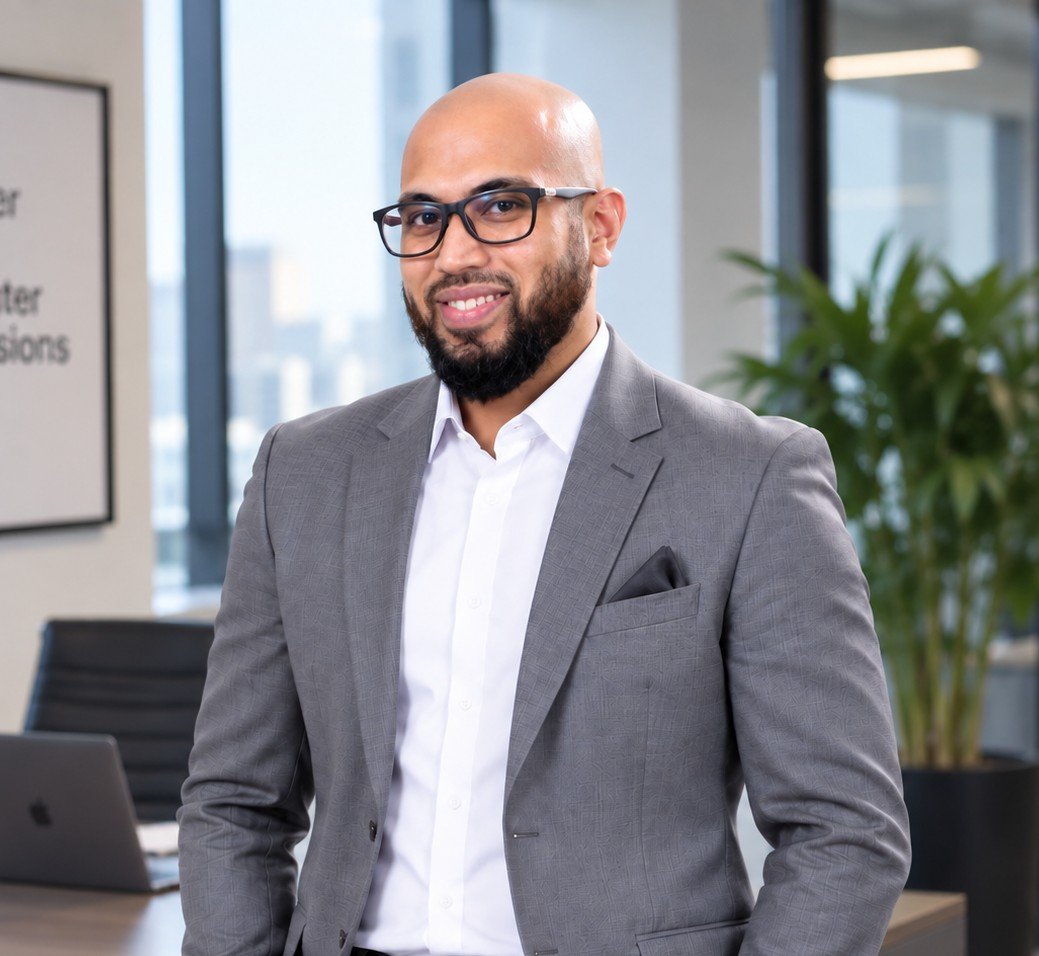
About the Author
Nasehuddin Mohammed is the Co-Founder and Head of Technology at Zawjaan, where he leads product quality and the platform’s technological development. His work spans user experience and interface development, matchmaking strategies, and community-centred communication experiences designed to help Muslims build serious, marriage-minded connections.