


How to assess serious marriage intent in Taiwanese Muslim men
Determining a man’s seriousness about marriage is the first step. In Taiwan, where the Muslim community is a minority, intentions can vary. Look for signs of commitment.
In Taiwan, Muslim men may express interest in marriage through formal channels, but not all are ready. A serious man will bring up marriage early, often before deep emotional involvement.
He will be transparent about his work, living situation, and family ties. Hesitation or vagueness about these may indicate he is not ready for the responsibilities of a husband.
A marriage-minded man will involve his family or a trusted elder early in the process. This is a strong indicator that he sees you as a potential life partner, not just a casual interest.
- He proposes a halal method of communication and introduces you to a mahram or a trusted friend.
- He discusses future plans, such as where to live or how to raise children, within the first few conversations.
- He willingly shares his financial situation and asks about your expectations regarding mahr and provisions.
- He is respectful of your time and does not pressure you for private meetings or immediate decisions.
Signs he may not be serious
Be cautious if he avoids introducing you to his family or community. A man who is serious will want to protect his reputation and yours.
If he postpones discussions about engagement or nikah, or only contacts you irregularly, his intentions may be casual.
- He talks about marriage in abstract terms but fails to make concrete plans.
- He insists on secrecy or avoids public acknowledgment of your relationship.
- He raises financial or legal obstacles only after you have invested time, suggesting he was not prepared for a real commitment.
Understanding the Muslim community landscape in Taiwan for marriage-minded men
Taiwan’s Muslim community is diverse, including ethnic Chinese Muslims, foreign professionals, and students. This diversity shapes marriage expectations.
Taiwan has around 60,000 Muslims, with mosques in Taipei, Taoyuan, and Kaohsiung. Many are active in the Taiwan Halal Association, which certifies halal restaurants and businesses.
The community includes Chinese-speaking Muslims who have lived in Taiwan for generations, as well as newcomers from Southeast Asia, the Middle East, and Africa. Each brings distinct customs.
For marriage-minded men, this diversity means they may look for a wife who shares their cultural background or is open to learning. Respect for your own culture is crucial in negotiations.
- Visit the Taipei Grand Mosque on Friday to meet elders who can vouch for a man’s character.
- Join halal dining events or Muslim student association meetings to observe him among his peers.
- Ask mutual acquaintances about his reputation in the community, as Muslims in Taiwan often know each other.
Legal and social considerations
Taiwan’s legal system allows civil marriage, but Islamic nikah is not officially registered. A man may insist on a civil ceremony for residency or legal protection.
If he is a foreign Muslim, understand his visa or residency status. A serious man will have a stable plan to remain in Taiwan, which affects your future together.
- Ask about his long-term residency plans and whether he intends to retire in Taiwan or move abroad.
- Discuss how you will handle official marriage registration versus religious nikah, and who will be involved.
- Inquire about his ties to local mosques, as this shows his commitment to the community.
Evaluating deen and character in Taiwanese Muslim potential husbands
Above all, his practice of Islam and personal character determine his suitability as a husband. In Taiwan, religious observance varies, so ask meaningful questions.
Observe whether he prays regularly and attends Jumu’ah. Many Muslim men in Taiwan may be less strict than those in majority-Muslim countries, but a sincere desire to grow is key.
Character is best assessed through his honesty, kindness, and treatment of others. Notice how he speaks about his parents, colleagues, and strangers.
Compatibility depends on shared values, not just culture. Discuss your views on modesty, family roles, and how you want to raise children before you become attached.
- Ask about his daily religious routines, such as prayer and fasting, to gauge consistency.
- Discuss his ambitions and how Islam fits into his career or education plans.
- See how he reacts when you correct him or differ on a religious opinion; respect is essential.
- Seek a man who is open to learning from a scholar or imam if he lacks knowledge, showing humility.
Questions to ask about his faith
One useful question is: ‘What does Islam mean to you in daily life?’ A deep, personal answer indicates a man who thinks seriously about his religion.
Another is: ‘How do you handle missed prayers or fasts on travel?’ This reveals whether he is disciplined or makes excuses.
Also ask about his views on major issues like polygamy or divorce. His answers will show his respect for your rights and Islamic principles.
- What is your routine for Fajr and Isha when you are busy or travelling?
- How do you approach learning about Islam, and who influences you most?
- What are your expectations of a wife in terms of hijab, education, and work outside the home?
- How would you handle a disagreement with your wife about a religious matter?
Taiwanese family expectations and their role in your marriage to a Muslim man
In Taiwan, family bonds often remain strong even in urban areas. A man’s family will likely be involved in his marriage decisions, so know what to expect.
Traditional Taiwanese families may expect filial piety and closeness. A Muslim man of Taiwanese heritage might still feel obligated to care for aging parents, which can affect where you live.
If his family is not Muslim, be prepared for potential misunderstandings about your faith. A serious man will stand by you and help his family accept your practices.
Discuss boundaries early: how often you will visit extended family, how you will celebrate Islamic holidays, and what role your in-laws will play in child-rearing.
- He introduces you to his parents and close relatives in a respectful manner.
- He explains your religious practices to his family and defends your need to pray and wear hijab.
- He discusses how you will both handle cultural traditions like Chinese New Year or ancestor worship, ensuring you are comfortable.
When his family is Muslim
If his family is Muslim, they may have specific expectations regarding food, modesty, or celebrations. Ask about their background and how strictly they practice.
A family that embraces you as a daughter, not just a daughter-in-law, will make your life easier. Observe how they treat female guests during gatherings.
- They invite you to Eid prayers and family meals, showing you are part of their world.
- They respect your dietary needs and avoid alcohol in your presence, even if they are not observant.
- They offer to adjust their home or habits to accommodate your modesty, showing genuine care.
Halal communication strategies for getting to know a Taiwanese Muslim man
Islam sets clear guidelines for communication between non-mahram men and women. In Taiwan, where you may meet in professional or social settings, you must take charge.
Agree from the outset to keep conversations purposeful and in the presence of a mahram or via written channels. A man who respects these boundaries shows seriousness.
Use video calls with your wali involved in broader conversations. For everyday chatting, keep topics centered on marriage compatibility, values, and logistics.
If he tries to shift to flirtatious or emotional talk outside Islamic guidelines, that is a caution sign. A conscious man will redirect to fruitful discussion.
- Set a clear agreement that all communication will be via written messages or calls with a wali on the line for major discussions.
- Schedule short, structured calls to discuss background, lifestyle, and expectations, avoiding late-night chats.
- Invite your wali or a trusted married relative to join initial meetings, especially if meeting in person.
- End any conversation that becomes inappropriate politely but firmly, reinforcing your boundaries.
Meeting in public places
If you meet face-to-face, choose a busy café or restaurant. Never go to his residence or secluded areas.
Wear hijab modestly and carry a sense of dignity. A man who appreciates your modesty is more likely to have pure intentions.
Keep the meeting short and focused, with clear next steps to involve families.
- Meet at a halal café or in a public park where you can talk undisturbed but still feel safe.
- Inform a friend or family member of your whereabouts and check in before and after.
- Bring a mahram if possible; this is the strongest way to maintain halal conduct and protect both of you.
Using online matchmaking to find a serious Taiwanese Muslim husband
Online platforms like Zawjaan are effective for meeting serious Muslims in Taiwan, where the community is small. Use them with intention.
When you create a profile, state explicitly that you are seeking a husband for marriage, not companionship. This filters out casual daters.
Zawjaan offers a structured environment where profiles are reviewed, and communication tools support serious dialogue. Use them to ask in-depth questions.
Cross-check his profile details with his words. A serious man will have consistent information and will not hesitate to video call with your wali present.
- Complete your profile fully, including your family background, religious level, and future goals, to attract serious matches.
- Use the search filters to narrow by country, city, and religious observancy, such as those who pray five times a day.
- In your first messages, ask clear questions about his timeline for marriage and whether his family is aware of his pursuit.
- After a few exchanges, progress to a video call with your wali or a trusted advisor to verify he is serious.
Red flags in online profiles
Avoid men who refuse to show their face on video or who have inconsistent job details. These are red flags in any culture.
Beware of those who propose marriage immediately or who insist on mailing gifts or money. Scammers target marriage-minded women.
- He has a vague or changing explanation of his work or residence.
- He never has time for video calls with your wali.
- He asks for financial help within weeks of contact.
- He pressures you to make a decision before meeting your family.
Islamic Nikah and Mahr for Taiwanese Muslim Men
Understanding the nikah process and mahr expectations is essential when evaluating a Taiwanese Muslim groom.
In Taiwan, the nikah is a sacred contract that formalises your marriage before Allah. It must follow Islamic principles, with the bride’s consent and the presence of her wali.
Mahr is a gift from the groom to the bride, symbolising his commitment and responsibility. It can be money, gold, or any valuable agreed upon by both parties.
For a Taiwanese groom, mahr discussions are often straightforward. Many prefer a modest yet meaningful mahr, reflecting sincerity rather than extravagance.
Ensure the nikah is conducted by a recognised imam or Islamic scholar. Some mosques in Taipei and other cities offer nikah services for the local Muslim community.
Discuss the mahr openly and early in your conversations. This helps gauge the groom’s seriousness and respect for Islamic obligations.
- Confirm the groom’s intention to fulfil the mahr as agreed.
- Discuss the mahr amount and form, whether cash or gold.
- Ensure the nikah will be performed correctly with a valid wali.
- Consider having a written marriage contract to document the mahr.
Preparing for the Nikah in Taiwan
Before the nikah, you may need to complete administrative steps, such as registering the marriage with local authorities. This is separate from the Islamic ceremony.
Some mosques in Taiwan offer pre-marital counselling or classes. These can help both of you understand your rights and responsibilities as spouses.
- Check the legal requirements for marriage registration in Taiwan.
- Arrange for a qualified imam to officiate the nikah.
- Plan the ceremony schedule, considering family attendance.
Beyond Stereotypes: Understanding Taiwanese Men as Potential Husbands
Culture and faith are distinct. Evaluate each Taiwanese Muslim man as an individual, not as a cultural cliché.
Taiwanese Muslim men come from diverse backgrounds. Some are locals who converted, while others are descendants of early Chinese Muslim immigrants.
Avoid assuming that all Taiwanese men share the same values. Their practice of Islam and family traditions can vary greatly.
Focus on the man’s character, his commitment to deen, and his ability to be a responsible husband. These matter more than cultural background.
Ask about his upbringing, his relationship with his family, and how he plans to incorporate Islamic values into your married life.
- Inquire about his journey to Islam and level of religious commitment.
- Understand his family’s attitude towards Islam and marriage.
- Assess his willingness to prioritise Islamic practices in your home.
- Look for signs of respect for your own cultural background.
Evaluating Character and Deen
Character and deen are the foundation of a successful marriage. Observe how he treats others, handles stress, and fulfils his prayers.
A man who consistently demonstrates honesty, kindness, and patience is more likely to be a caring husband and father.
- Note his punctuality in prayers and mosque attendance.
- Seek references from his community or mutual acquaintances.
- Discuss his views on gender roles, finances, and family life.
Taiwanese Foods and Eid Customs for Muslim Families
Food and Eid celebrations are important aspects of family life. Understanding these can enrich your marriage and help you connect with your husband’s culture.
Taiwanese cuisine offers a variety of halal options, especially in cities like Taipei and Kaohsiung. Look for restaurants with halal certification or Muslim-owned eateries.
During Ramadan, iftar gatherings often feature local dishes like beef noodle soup, scallion pancakes, and rice-based meals. These can be adapted to be halal.
Eid al-Fitr and Eid al-Adha are celebrated with prayer, communal meals, and giving gifts. Your husband may take you to the mosque and family gatherings.
For Eid, modest dress is expected. Many Muslim women in Taiwan wear elegant abayas or long dresses with a hijab, blending traditional Islamic attire with modern style.
- Learn to prepare simple halal Taiwanese dishes like lu rou fan (braised pork rice) using halal meat.
- Explore halal night market options in Taipei, such as those near the Taipei Grand Mosque.
- Discuss how you will celebrate Eid together, balancing both cultural traditions.
Eid Traditions and Dress
For Eid prayers, women may gather in a separate area. Modest clothing, such as long dresses and hijabs, is customary.
Some Taiwanese Muslim families exchange greeting cards and gifts. Others prepare special meals at home with relatives.
- Ask your husband about his family’s Eid traditions.
- Prepare a modest Eid outfit in advance to feel comfortable.
Approaching Family and Parents of Taiwanese Muslim Men
Building a positive relationship with your husband’s parents is vital for a harmonious marriage. Approach them with respect and understanding.
In Taiwan, family ties are strong, and parental approval is often sought before marriage. Even if your husband is independent, his parents’ opinions matter.
Show genuine interest in their culture and traditions. Learning a few phrases in Mandarin or Taiwanese Hokkien can go a long way.
During meetings, be respectful, modest, and courteous. Offer to help with meals or chores to demonstrate your sincerity.
If there are cultural or religious differences, discuss them calmly. Emphasise shared values like family respect and responsibility.
- Arrange a formal meeting with his parents through your husband.
- Bring a small gift, such as halal sweets or fruit, as a gesture of goodwill.
- Dress modestly and be polite, addressing elders with proper respect.
- Avoid discussing sensitive topics like finances or religious differences on the first visit.
Building a Relationship with In-Laws
Regular communication is key. Ask your husband to help translate or explain family expectations.
Respect their customs, but gently share your own traditions when appropriate.
- Learn about Taiwanese family hierarchy and etiquette.
- Seek your husband’s guidance on navigating family dynamics.
City and Location Differences for Marriage in Taiwan
Where you live in Taiwan affects your access to mosques, halal food, and community support. Consider these factors together.
Taipei has the largest Muslim community, with the Taipei Grand Mosque and numerous halal restaurants. It offers the most resources for practising Muslims.
Kaohsiung also has a mosque and a growing halal food scene, which is convenient for southern Taiwan. It may be more affordable than Taipei.
Smaller cities may have fewer Muslim facilities, so you might need to travel for Jumu’ah prayers or halal groceries.
Discuss your daily needs and lifestyle preferences with your husband. Jointly decide on a location that works for both.
- Consider proximity to your husband’s workplace and family.
- Assess the availability of halal food and prayer spaces.
- Check local Muslim community groups for support and networking.
Relocation and Long-Distance Considerations
If you are moving to Taiwan from abroad, consider visa requirements and your own career prospects. Your husband should be prepared to support your transition.
Long-distance relationships require clear communication and a realistic timeline. Set milestones for visits and eventual marriage.
- Research visa and residency options for spouses.
- Plan a trial visit to Taiwan to experience the culture and community.
- Discuss living arrangements and financial support during the transition.
Marriage Readiness and Practical Next Steps for Taiwanese Husbands
Before you say yes, ensure he is truly ready for the responsibilities of marriage. Assess his emotional, financial, and religious readiness.
A marriage-ready man demonstrates stability in his life, whether through employment, savings, or a clear plan for the future.
He should be able to provide for the family’s basic needs, as is his Islamic responsibility. Discuss his income, debts, and financial goals openly.
Emotional readiness means he is mature, patient, and willing to compromise. He should not be overly attached to his parents to the point of neglecting your needs.
His deen should be his priority. A man who prays, fasts, and seeks Islamic knowledge is more likely to be a supportive religious leader of the household.
- Discuss his career and financial goals in detail.
- Ask how he plans to handle conflicts in marriage.
- Involve a trusted third party, such as an imam, for guidance if needed.
- Make du’a and pray istikhara for clarity.
Practical Next Steps with Zawjaan
Zawjaan provides a platform to continue serious conversations with Taiwanese Muslim men. Use the purposeful chat feature to discuss important topics before marriage.
After meaningful discussions, consider moving to the next step: involving families and arranging a formal meeting. Take your time to make an informed decision.
- Use Zawjaan to ask deeper questions about his life and expectations.
- Arrange a video call with his family to build rapport.
- Plan an in-person meeting in a public, halal setting, with a chaperone if possible.
How to Assess Taiwanese Muslim Men for Marriage
A marriage-focused process for Muslim women assessing a Taiwanese Muslim man in Taiwan for serious Islamic marriage.
- Confirm serious marriage intention: Clarify that the Taiwanese Muslim man is seeking marriage rather than a casual relationship, and establish clear halal communication boundaries from the beginning.
- Assess deen and character: Consider religious commitment, honesty, temperament, responsibility and consistency, rather than relying only on attraction or online conversation.
- Involve family or wali appropriately: Bring trusted family members or a wali into the process at a suitable stage so intentions, character and practical expectations can be assessed transparently.
- Discuss marriage expectations: Talk clearly about mahr, finances, work, housing, family roles, children, location and other responsibilities that could affect long-term compatibility.
- Agree the route towards Islamic nikah: If compatibility is strong, agree practical next steps for family discussions, any necessary civil requirements and preparation for an Islamic nikah.
Frequently Asked Questions
What is the typical mahr for a Taiwanese Muslim groom?
There is no fixed amount; it is negotiated based on the bride’s wishes and the groom’s means. Many choose a modest mahr, such as a sum of money or gold, to reflect Islamic principles of simplicity.
How can I ensure the nikah is valid in Taiwan?
The nikah should be performed by a qualified imam, with the bride’s consent and a wali present. It is also advisable to register the marriage legally with the Taiwanese authorities to protect your rights.
Is it acceptable for my future husband to have a close relationship with his parents?
Yes, filial piety is important in Taiwanese culture. However, it is crucial to establish boundaries so that his parents do not interfere in your married life. Open communication is key.
Can I find halal food easily in Taiwan?
Yes, especially in Taipei and Kaohsiung, where there are many halal-certified restaurants and Muslim-friendly night markets. In smaller cities, you may need to order online or prepare your own meals.
How do Taiwanese Muslim families typically celebrate Eid?
They attend communal prayers, visit family, and share festive meals. Gifts may be exchanged, and children often receive money or sweets. Some also participate in community events.
What should I do if my family is concerned about me marrying a Taiwanese man?
Introduce him to your family gradually, emphasising his good character and religious commitment. Share his positive qualities and involve an imam or respected elder to vouch for him if needed.
About the Author
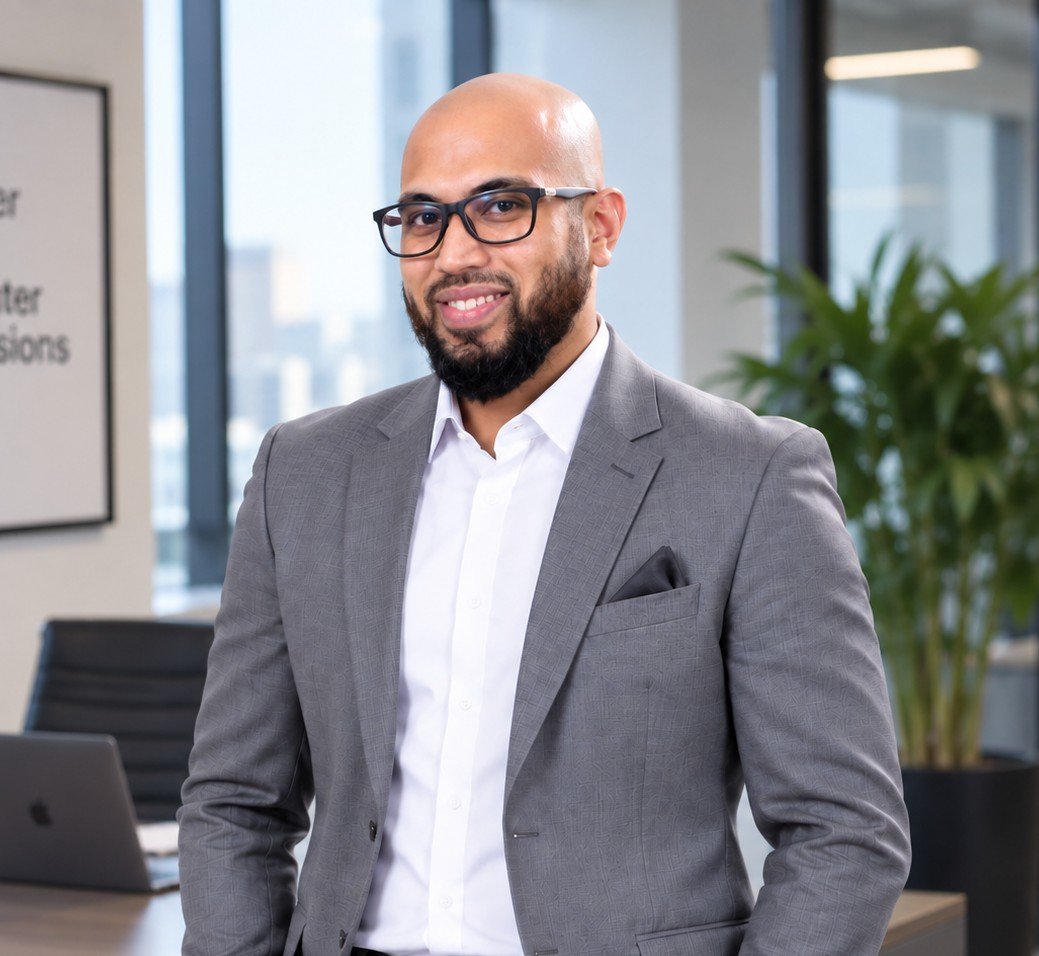
Nasehuddin Mohammed is the Co-Founder and Head of Technology at Zawjaan, where he leads product quality and the platform’s technological development. His work spans user experience and interface development, matchmaking strategies, and community-centred communication experiences designed to help Muslims build serious, marriage-minded connections.