



Serious Marriage Intent Among Muslim Men in South Korea
Understanding the seriousness of a potential groom is your first step. In South Korea, Muslim men may come from various backgrounds, and their intentions can differ.
When you meet a Muslim man in South Korea, assess whether he views marriage as a life goal or a casual thought. A serious husband will discuss future plans, family roles, and religious commitment openly.
Some men may be students or professionals temporarily in South Korea, so consider their long-term stability and intentions to settle. Ask about their work plans, study duration, and willingness to relocate if needed.
Marriage in Islam is a covenant, and a South Korean-based groom should demonstrate that he understands this responsibility. Look for signs that he is seeking a wife, not merely a companion.
It is wise to involve a trusted third party early on to help verify his sincerity and character. This aligns with Islamic recommendations for chaperoned meetings.
- Clearly expresses a desire for Islamic nikah within a reasonable timeframe
- Willing to discuss his life goals and how marriage fits into them
- Shows respect for your religious and cultural values
- Has a stable source of income or a clear career plan
- Involves his family when appropriate, showing seriousness
Muslim Community Context for Muslim Men in South Korea
Though a minority, the Muslim community in South Korea is active and welcoming. Knowing where men gather can help you understand his social circle.
Seoul’s central mosque in Itaewon is a focal point for Friday prayers, and you will find community events and halal restaurants nearby. Other cities such as Busan, Incheon, and Daegu also have smaller mosque communities.
International students from countries like Uzbekistan, Kazakhstan, and Indonesia often form part of the male Muslim population. They may be enrolled in Korean language programs or universities.
Convert Korean Muslims also exist, and their understanding of deen may differ from those born into Muslim families. Be open to learning about his journey to Islam.
Community events, Ramadan gatherings, and Eid prayers offer natural opportunities to observe a man’s character and how he interacts with others.
- Attendance at local mosque events and lectures
- Participation in Islamic youth groups or student associations
- Familiarity with halal food outlets and Islamic centres
- Respectful behaviour towards women in community settings
Evaluating Deen and Character of a South Korean Muslim Husband
Your potential husband’s faith and character are the foundation of a successful Islamic marriage. Look beyond his external claims.
Observe how he prays regularly, treats service workers, and handles stress. A man who is consistent in his deen will likely be a responsible partner.
Discuss your understanding of key Islamic teachings, such as the rights of spouses, and see if his views align. This can reveal his maturity and commitment to Allah.
Be cautious if he claims to be religious but rarely attends mosque or avoids discussing religious topics. Actions speak louder than words.
Compatibility goes beyond culture; shared values and life goals are essential. Even if your ethnic backgrounds differ, a common commitment to Islam can unite you.
- Consistency in daily prayers and fasting
- Honesty in financial and personal matters
- Respect for his parents and elders
- Control of temper and good conduct in disagreements
- Interest in learning and applying Islamic knowledge
Signs of Strong Character
A man who keeps his promises and is truthful in small matters will likely be truthful in big ones. Listen to how he speaks about past relationships; he should show respect.
Kindness to animals and those less fortunate is a prophetic trait. Notice how he treats waiters and taxi drivers.
- He asks about your welfare and that of your family
- He is willing to seek advice from scholars or elders
- He avoids gossip and backbiting
- He is punctual and responsible
Family Expectations and Involvement for Muslim Grooms in South Korea
In Islamic marriage, family involvement is not only cultural but often essential. Understand how a prospective groom views his family’s role.
Many Muslim men in South Korea come from cultures where family approval is critical. A groom who respects his parents and seeks their counsel is likely to be a good husband.
For South Korean converts, family might initially be less familiar with Islamic customs. He will need to manage expectations about the nikah and marital roles with care.
Discuss how you will handle family priorities, such as caring for elderly parents. This is important for planning, especially if you are considering relocation.
Your wali must be involved early to ensure the marriage process follows Islamic guidelines. He can also help verify the groom’s character.
- He introduces you to his family within a reasonable time
- He supports a meeting with your wali
- He discusses mahr and other marriage conditions respectfully
- He plans for potential family responsibilities
Halal Communication with a South Korean Muslim Man
Communication is the channel for knowing a potential husband, but it must remain within Islamic boundaries.
Keep interactions purposeful and directed toward marriage. Avoid unnecessary private joking or emotional topics that can lead to attachment before commitment.
Use a third party, such as a family member or a chaperone, during in-person meetings. This reduces temptation and keeps the process clear.
Your prospective husband should respect your boundaries and not pressure you for privacy. His willingness to involve your wali is a positive sign.
Online messaging can be halal if it is respectful and focused on getting to know each other’s values and intentions. Avoid late-night chats.
- Set clear boundaries for when and how you communicate
- Include your wali or a trusted person in early discussions
- Focus topics on deen, values, and future goals
- Avoid discussing previous relationships in detail
- Meet in public, respectful settings if you do meet in person
Marriage-Focused Online Matchmaking for Muslim Men in South Korea
Online platforms like Zawjaan are designed to help you find serious, marriage-minded Muslim men in South Korea. They allow for halal communication while keeping intentions clear.
Zawjaan’s registration is simple, and the platform focuses on those who genuinely want nikah. This filters out unserious individuals.
You can search for South Korean-based Muslim men and filter by location, ethnicity, and other preferences. This broadens your reach beyond your immediate social circles.
Set your profile to clearly state your intention to find a husband. This attracts like-minded men who are ready for commitment.
Use the platform’s features to learn about a man’s deen, habits, and family background. Do not rush into private conversations; keep the process structured.
- Create a truthful and detailed profile with your preferences
- Use the filters to find South Korean Muslim men who meet your criteria
- Initiate contact with a polite, respectful message
- Move to private chats only after initial compatibility is established
- Involve your wali as soon as you feel the connection is promising
Preparing for the Nikah and Mahr with a South Korean Husband
The nikah is the foundation of a serious Islamic marriage. Understanding how it will take place in South Korea helps you plan rightly.
South Korea has a small but active Muslim community. Mosques in Seoul, Busan, and other cities can assist with nikah ceremonies.
The imam will need to confirm both parties are Muslim and that the wali’s consent is obtained. This aligns with Islamic requirements.
Mahr is your exclusive right. Discuss it openly before the nikah so there are no misunderstandings later.
- Agree on the mahr amount or type before the ceremony; it can be prompt or deferred
- Confirm the presence of your wali or a trusted representative if he cannot attend
- Request two male Muslim witnesses, or one male and two female witnesses
- Check if the mosque requires pre-marital counselling or certificates of conversion
Documentation and Practicalities
You may need to provide your passport, ID, and proof of Islamic faith. The mosque will guide you through any legal requirements.
In South Korea, Islamic marriage is recognised religiously, but legal registration must follow Korean civil law. Complete both steps to protect both parties.
- Check if the Korean Marriage Certificate is required for visa or residency
- Ensure the nikah contract is written in Arabic and translated for legal purposes
Respecting Cultural Diversity in Your South Korean Muslim Marriage
South Korea’s Muslim community includes Koreans, expats, and converts. Avoid assuming a stereotype about ‘Korean Muslim men’.
A South Korean husband may be a native convert, a second-generation Muslim, or a professional from another country. His practice of Islam can vary.
His family’s culture may not be Islamic. Some Korean families are unfamiliar with Islamic customs such as the nikah or modest dress.
Focus on his character and deen, not on ethnic or national expectations.
- Ask how he practises daily prayers, fasting, and zakat
- Learn how his family views his Muslim identity and marriage
- Appreciate that Korean culture is distinct from Islam; avoid conflating the two
- Respect his journey whether he was born Muslim or converted later
Building a Culturally Harmonious Home
You can blend Korean family traditions with Islamic values. For example, sharing meals is central to Korean culture and can be done halal.
Communicate clearly with his parents about your boundaries and religious practices from the start.
Halal Food and Cuisine for a South Korean Muslim Household
Food is a practical bridge between your Islamic lifestyle and his Korean background. Knowing how to eat halal in South Korea is essential.
South Korea has many halal-certified restaurants in Seoul, Busan, and Itaewon. However, home cooking remains the safest option.
Korean cuisine is rich in soups, rice, and meat. Replace non-halal ingredients with halal beef, chicken, or seafood that is permissible.
When visiting his family, explain that you only eat halal meat and avoid pork. Many families respect this if communicated kindly.
- Shop at halal markets or use online halal delivery services
- Learn to cook Korean dishes like bulgogi, bibimbap, and kimchi jjigae using halal substitutions
- Check for seafood, as most sea creatures are halal
- Bring your own food to family gatherings if necessary
Eid Feasts with a Korean Flavour
On Eid, you can combine traditional Korean dishes with your own cultural foods. Share a halal Korean barbecue or sweet rice cake with relatives.
This is an opportunity to introduce your husband’s family to Islamic hospitality without overwhelming them.
Eid Customs and Modest Dress for a Husband in South Korea
Eid in South Korea may be quiet compared to Muslim-majority countries. Still, you can create meaningful celebrations with your husband.
For Eid prayers, you can attend mosques in Seoul or gather with a Muslim community outdoors if weather permits.
Your husband may wear modest traditional clothing or a simple dress shirt. Korean men often prefer minimal but neat attire.
Help him understand the importance of modest dress during religious gatherings.
- Plan Eid meals with friends or other Muslim families
- Give charity on behalf of the family during Eid
- Encourage your husband to buy new or clean modest clothes for the day
- If he is a convert, he may balance his Korean family’s expectations with Islamic practices
Handling Family Expectations
Your husband may feel pressure to follow Korean traditions like bowing or specific food customs. Discuss in advance what is acceptable Islamically.
You can politely decline practices that conflict with Islam while showing respect for his parents.
How a South Korean Husband Can Approach Your Family Respectfully
When your future husband requests your hand in marriage, his approach to your parents matters greatly. Good manners open doors.
He should contact your wali or father directly, either in person or via video call if he cannot travel. Shows seriousness.
Read letters or call to ask for your hand, as is customary. He should present his religious commitment and ability to support a family.
If language differs, you or a trusted translator can help. Never let communication barriers cause wrong impressions.
- Learn a few phrases in your parents’ language to show respect
- Bring a small, modest gift that is not extravagant
- Explain his financial situation honestly without making promises he cannot keep
- Emphasise that he is Muslim and will uphold Islamic values
- Be patient if your parents have questions about life in South Korea
Involving His Own Family
If his parents are non-Muslim, they may have concerns. A respectful meeting with your family can help build trust.
Your husband should prepare them for the nikah process and the role your wali will play.
City Living, Relocation, and Long-Distance Marriage with a South Korean Groom
South Korea offers varied lifestyles from bustling Seoul to quieter cities. Relocation decisions affect your marriage.
Seoul is the most multicultural, with mosques and halal shops. Busan and Incheon also have Muslim facilities.
In smaller cities, you may need to travel for jumu’ah or halal groceries. Discuss whether you are comfortable with that.
If you are moving from abroad, understand visa rules. A marriage visa (F-6) is common for foreign spouses of Korean residents.
- Discuss whether you will live in a city with an established Muslim community
- Research the cost of housing and halal food availability
- Plan for your own residence permit or visa application
- If you are apart initially, set a clear timeline for relocation
- Use video calls and regular communication to build trust before you are together
Long-Distance Considerations
Long-distance engagement can test your patience. Both of you should set boundaries and verify each other’s seriousness.
Use Zawjaan’s safe platform for halal communication before marriage, and always involve your wali in conversations.
- Share daily schedules and pray together virtually
- Meet each other’s families through video calls
- Openly discuss financial arrangements for relocation
How to Assess South Korean Muslim Men for Marriage
A marriage-focused process for Muslim women assessing a South Korean Muslim man in South Korea for serious Islamic marriage.
- Confirm serious marriage intention: Clarify that the South Korean Muslim man is seeking marriage rather than a casual relationship, and establish clear halal communication boundaries from the beginning.
- Assess deen and character: Consider religious commitment, honesty, temperament, responsibility and consistency, rather than relying only on attraction or online conversation.
- Involve family or wali appropriately: Bring trusted family members or a wali into the process at a suitable stage so intentions, character and practical expectations can be assessed transparently.
- Discuss marriage expectations: Talk clearly about mahr, finances, work, housing, family roles, children, location and other responsibilities that could affect long-term compatibility.
- Agree the route towards Islamic nikah: If compatibility is strong, agree practical next steps for family discussions, any necessary civil requirements and preparation for an Islamic nikah.
Frequently Asked Questions
Is there a mosque in South Korea where we can perform the nikah?
Yes, the Seoul Central Mosque in Itaewon is the main mosque, and there are others in Busan and Incheon. Contact them in advance to arrange a nikah ceremony with an imam who can guide you through the process.
What should I know about mahr expectations in South Korea?
Mahr is a right of the wife, not an obligation set by Korean custom. Expect a husband to offer a reasonable mahr, and you can negotiate the type and timing. Discuss this openly before the nikah, and it can be as simple as a cash gift or something symbolic.
How can a South Korean husband introduce me to his non-Muslim family?
He should explain your Islamic practices in a gentle manner and prepare them for modest dress, dietary restrictions, and the nikah ceremony. A calm expression of your values often helps build mutual respect.
What if he cannot travel to meet my family in person?
It is acceptable for your wali to meet him via video call, provided that the interaction is conducted with proper boundaries and seriousness. Ultimately, your wali must consent even if the meeting is virtual.
Is it difficult to find halal food in South Korea?
In major cities like Seoul, Busan, and Incheon, you can find halal-certified restaurants and shops. In smaller towns, you may need to order online or cook from home. Learning to prepare Korean dishes using halal ingredients is a practical solution.
How does Zawjaan help me find a serious South Korean groom?
Zawjaan focuses on marriage-minded Muslims, allowing you to create a detailed profile, search for compatible partners in South Korea, and communicate halal with the involvement of both families. This reduces the risk of casual dating.
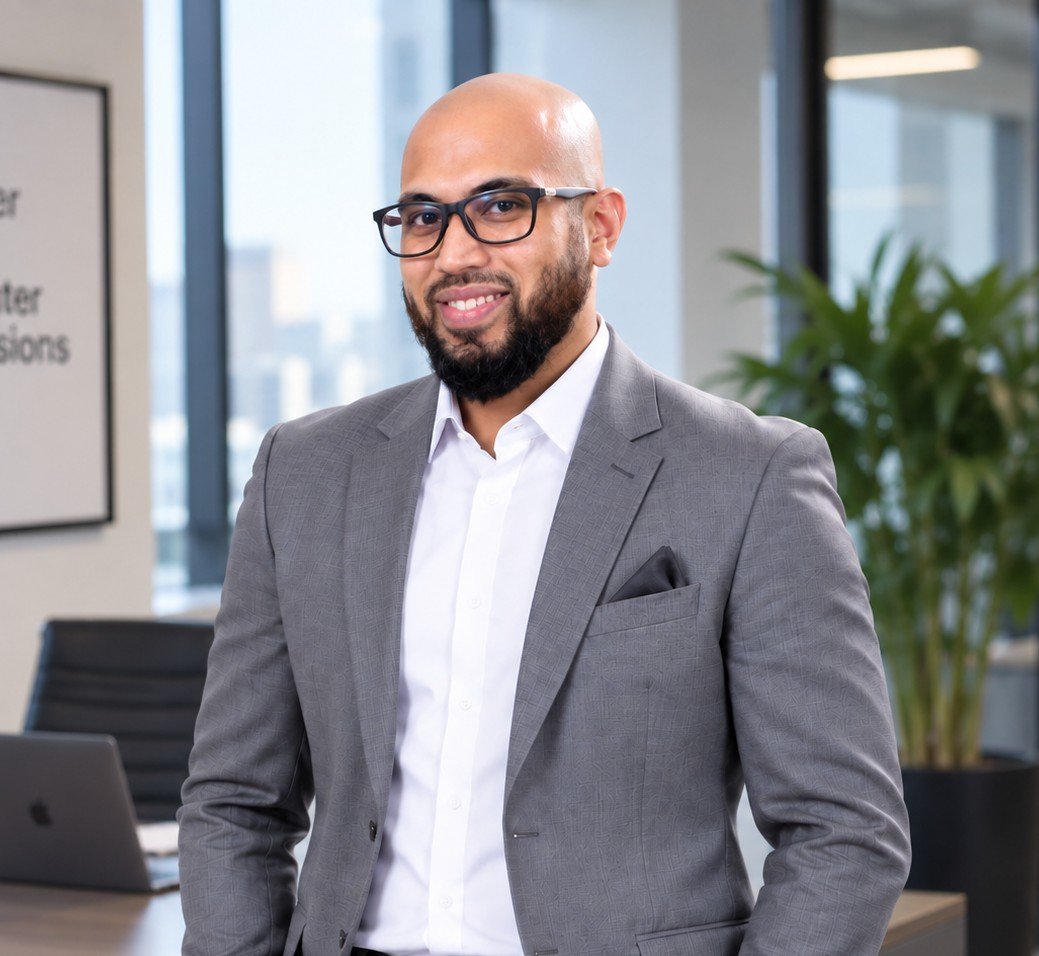
About the Author
Nasehuddin Mohammed is the Co-Founder and Head of Technology at Zawjaan, where he leads product quality and the platform’s technological development. His work spans user experience and interface development, matchmaking strategies, and community-centred communication experiences designed to help Muslims build serious, marriage-minded connections.