

Meet Makeni Muslim Men Online
For Muslim women in Makeni, online matchmaking through Zawjaan offers a discreet and practical way to connect with Makeni Muslim men. While traditional family networks remain strong, the digital space expands possibilities beyond immediate circles. Platforms like this allow you to create a profile that reflects your faith and intentions, and to communicate with potential partners respectfully. Many Makeni Muslims, from professionals to students, are turning to online avenues to find compatible spouses, especially when families are involved. This approach complements, rather than replaces, the cherished local traditions of seeking a spouse.
Makeni Muslim Men for Marriage
Marriage in Makeni is a sacred bond, deeply rooted in Islamic teachings and community values. For a Muslim woman, it signifies a commitment to a partner who will be a source of tranquility and support. In Sierra Leone, marriage often unites not just two individuals but their families, bringing shared responsibilities and joys. The goal is a halal partnership built on mutual respect, love, and a shared devotion to Allah. Local Muslim men understand the importance of this covenant, and many actively seek wives who are pious, educated, and family-oriented, ready to build a life together in this vibrant city.
Halal Dating with Makeni Muslim Men
Halal dating in the context of Makeni means adhering to Islamic guidelines for courtship. This involves avoiding physical intimacy before marriage and keeping interactions respectful and chaperoned. For Muslim women, this often means meeting a potential partner in the company of a mahram or in public spaces like the grounds of the Central Mosque in Makeni, or at approved cafes. The focus is on getting to know a person's character, faith, and life goals through conversation, without compromising religious boundaries. This intentional approach helps build a solid foundation for a lasting marriage.
Islamic Nikah in Makeni
The Islamic Nikah is the formal marriage contract that validates a union in the eyes of Allah. In Makeni, Nikah ceremonies are conducted by knowledgeable imams at local mosques, such as the Makeni Central Mosque or the imposing new mosque at the Mena Hills. The ceremony involves the consent of both parties, a mahr (dowry) given by the groom to the bride, and the signatures of witnesses. For Muslim women, understanding the Nikah process is essential, as it defines their rights and responsibilities. Many families in Sierra Leone ensure the Nikah is performed early, sometimes even before the wedding celebration, to uphold Islamic principles.
Halal Chat with Makeni Muslim Men
Halal chat, facilitated by platforms like Zawjaan, allows Muslim women to communicate with Makeni Muslim men in a safe and respectful environment. These conversations are intended to assess compatibility, discuss values, and learn about each other's lives, all without violating Islamic etiquette. Chatting online can help break the ice and allows both parties to contemplate their responses. It is important to keep discussions purposeful and modest, avoiding idle talk. Many successful matches in Sierra Leone have begun with thoughtful online exchanges that eventually led to family involvement and, ultimately, Nikah.
Makeni Muslim Singles and Community Networks
Makeni is home to a significant number of Muslim singles seeking marriage. The Muslim community here is diverse, including Temne, Mandingo, Fula, and other ethnic groups, all united by their faith. Many are young professionals, graduates from the University of Makeni, or entrepreneurs in the local markets. For Muslim women, finding a suitable spouse among Makeni Muslim men involves tapping into community networks, attending Islamic gatherings, and now, using online platforms. The city's growing population means there are many opportunities to meet like-minded Muslims who are ready for the commitment of marriage.
Marriage Proposals and Khitbah in Makeni
In Makeni, khitbah, or the proposal process, is a significant step. When a Muslim man is interested in marriage, the proposal is often communicated through his family to the woman's family. This respects cultural norms and ensures both families are involved from the outset. For Muslim women, receiving a proposal is an honour, and they have the right to accept or decline without pressure. It is advisable for the woman to pray istikhara for guidance. In Sierra Leone, proposals often happen after a period of halal conversation and mutual family approval, leading to the Nikah contract.
Physical Appearance of Makeni Muslim Men
Physical attraction is a natural part of finding a spouse, but in Islamic marriage, inner qualities take precedence. Muslim women may have their own preferences for appearance, but it is essential to look beyond the surface. Remember that beauty is relative and depends on personal preferences. Focus on what you truly want in a partner rather than societal standards. In Makeni, a man's deen and character often shine through his manners and how he treats others, which is more enduring than physical looks.
Skin, Hair and Eye Colour
Skin, hair, and eye colour vary widely among Makeni Muslim men, reflecting the rich ethnic diversity of Sierra Leone. You will find men with deep ebony skin, warm brown tones, and various hair textures. Eye colours range from dark brown to black. In Islam, these physical traits are not a measure of a person's worth; rather, piety is what matters. When considering a potential partner, focus on the man's commitment to his faith and his treatment of you, rather than superficial attributes. Allah has created diversity as a sign of His greatness.
Occupation and Profession
Makeni Muslim men have diverse occupations, serving as doctors at the Makeni Government Hospital, teachers in secondary schools, traders in the bustling Lorry Park market, and entrepreneurs in mining and agriculture. Many are also employed by NGOs and development agencies operating in the region. A man's profession is often a reflection of his responsibility and ambition. For Muslim women, it is wise to consider his employment stability, as it impacts the household, but also to appreciate his dedication to his work. A man who works with integrity, even in modest jobs, can be a strong and reliable provider.
Height
The height of Makeni Muslim men varies, with many being of average height. You may have a preference for a taller partner, perhaps around 5 feet 9 inches or approximately 175 centimetres, which is considered a reasonable height. However, remember that height is only one physical attribute and holds no weight in the sight of Allah. What matters more is the man's inner stature: his faith, character, and ability to lead the family with wisdom. Compatibility goes beyond physical measurements.
Ethnicity and Nationality
Makeni's Muslim community is ethnically diverse, primarily comprising the Temne people, who are the largest ethnic group in the north, along with Mandingo, Fula, Limba, and other smaller groups. Each ethnicity has its own cultural traditions and languages, but all are united by Islam. When considering a Makeni Muslim man, his ethnicity is one factor among many. Some families prefer to marry within their own ethnicity, but many are open to cross-ethnic marriages. Respecting each other's cultural backgrounds can enrich the marital bond.
Compatibility with Makeni Muslim Men
Compatibility is the cornerstone of a successful Islamic marriage. It goes beyond shared interests to encompass faith, values, and life goals. For Muslim women, finding a partner who is compatible in these core areas is essential for a harmonious life together. In Makeni, where community ties are strong, compatibility also involves how well families will interact. A couple who are spiritually and practically compatible can build a resilient marriage that pleases Allah.
Religious Alignment
Religious alignment is crucial for any Muslim marriage. In Makeni, men vary in their level of religious observance, from those who strictly follow all five daily prayers and fasting to those who are more relaxed. As a Muslim woman, consider a partner who shares your commitment to Islamic practice and who will encourage you in your faith. Discuss his knowledge of the Qur'an and his attitudes towards religious obligations. A man who leads his family in prayer is often a great blessing.
Cultural Compatibility
Cultural compatibility involves agreement on aspects like language, family customs, and gender roles. In Makeni, some Muslim men adhere closely to traditional Temne customs, while others, especially those educated in urban centres, may adopt a more modern outlook. It is important to discuss your expectations regarding household responsibilities, interaction with in-laws, and raising children. Finding a man whose cultural expectations align with yours will reduce potential conflicts and foster understanding.
Local Muslim Culture
The local Muslim culture in Makeni is vibrant, with daily prayers at neighbourhood mosques and community celebrations during Eid. Respect for elders and communal support are highly valued. For a Muslim woman, knowing how a Makeni Muslim man participates in this culture, such as his involvement in Islamic events or his relationship with the local imam, gives insight into his character. A balanced man will be active in his community while also prioritising his family.
Ideological Viewpoints
Muslim men in Makeni may hold various ideological viewpoints within Sunni Islam, and some may be influenced by Sufi brotherhoods like the Tijaniyyah. These differences are usually not a barrier, but it is wise to discuss matters of religious practice, such as the celebration of Mawlid or the method of prayer, to ensure mutual respect. A compatible partner will be tolerant and willing to focus on the fundamental teachings of Islam rather than divisive minutiae.
Lifestyle Compatibility
Lifestyle compatibility pertains to daily habits, social preferences, and financial management. In Makeni, a man's lifestyle may be influenced by his urban or rural background. Consider his views on education, his spending habits, his social circle, and his dietary choices. A shared lifestyle vision helps in making daily decisions together. Discuss topics like career goals, homemaking, and leisure activities to see if your expectations align for a smooth married life.
Family Expectations
Family expectations play a significant role in Makeni marriages. A Muslim man may expect his wife to live with or near his parents, or he may support a more independent arrangement. Communication about these expectations before marriage is vital. Many Makeni Muslim brothers are family-oriented and want their wives to maintain a close bond with their own families. It is important to clarify the level of family involvement in decision-making to ensure both partners are comfortable.
Marriage Goals
Muslim men in Makeni typically look towards marriage as a means of completing half of their faith and building a family. Their goals may include having children, providing for them a solid education, and raising them as good Muslims. They also seek a partner who will be their friend and confidante. Discuss your mutual aspirations, such as where to live, how to save for the future, and how to keep Allah at the centre of your union.
Relationship Expectations
Relationship expectations address the day-to-day dynamics between husband and wife. In Makeni, many Muslim men expect to have the final say in major decisions, based on Islamic teachings, but they also value a wife's input. It is essential to agree on the balance of power, communication styles, and how to handle disagreements. A healthy relationship in line with Islam is built on mutual respect, kindness, and the understanding that the husband has a responsibility of leadership, but not dictatorship.
How to Find Muslim Men in Makeni
To find Makeni Muslim men for marriage, Muslim women can combine online platforms like Zawjaan with community engagement. Attend local Islamic study circles, Eid prayers, and charity events where you might meet families with eligible sons. Also, enlist the help of respected elders and matchmakers in Makeni who know the community well. A direct approach through halal channels is often the most effective.
1. Create a clear marriage profile
Phase 1: Profile CreationCreate a profile on Zawjaan that clearly states your intention for marriage and your values. Include accurate details about your education, occupation, and religious practice to attract suitable matches.
2. Search locally and realistically
Phase 2: Local DiscoveryUse the search filters to focus on Makeni Muslim men. Look for profiles that align with your criteria, and review their descriptions carefully to assess compatibility before making contact.
3. Begin respectful halal chat
Phase 3: Compatibility ScreeningWhen engaging in halal chat, keep conversations respectful and purposeful. Ask about his deen, his family, and his goals, and always maintain appropriate boundaries in your exchanges.
4. Arrange a public meeting
Phase 4: Face-to-Face CourtshipWhen you feel comfortable, suggest a public meeting in a safe, halal environment, such as a reputable cafe in Makeni, and involve a mahram if appropriate to ensure propriety.
5. Introduce both families
Phase 5: Family MeetingIf the relationship progresses, arrange for your families to meet, either in person or virtually, to discuss the potential engagement and ensure mutual approval and support.
6. Prepare the legal documentation
Phase 6: Legal DocumentationBefore the Nikah, complete any required civil marriage preparations in Sierra Leone, such as obtaining a marriage certificate from the appropriate government authorities.
7. Complete the Islamic Nikah
Phase 7: Marriage ContractArrange for the Islamic Nikah ceremony at a local mosque, such as the Makeni Central Mosque, with a qualified imam, witnesses, and the agreed mahr to solemnise your union.
Frequently Asked Questions
How can Muslim women meet Makeni Muslim men for marriage in a respectful way?
Muslim women can meet Makeni Muslim men through family introductions, community events, and online platforms like Zawjaan. Always engage in halal communication, keeping interactions modest and involving family when appropriate.
What qualities should Muslim women look for in a Makeni Muslim man?
Look for a Makeni Muslim man who is honest, responsible, and committed to Islamic values. Consider his character, how he treats others, and his willingness to take on the responsibilities of marriage. Trust your intuition and involve your family in the process.
Are there many Makeni Muslim grooms who are also professionals?
Yes, many Makeni Muslim grooms are professionals, including doctors, educators, and business owners. The city has a growing educated class. You can find such profiles on Zawjaan and through professional networks in the community.
How can Muslim women ensure a Makeni Muslim man is serious about marriage?
Sincerity is shown when a man involves his family early and is willing to meet yours. A serious Makeni Muslim man will demonstrate commitment through consistent communication, discussing the future, and making plans for the Nikah. Istikhara helps you seek guidance.
What local venues in Makeni are suitable for a first meeting with a Muslim brother?
Choose public and modest settings like reputable cafes in town or the grounds of the Makeni Central Mosque. It's wise to have a companion or meet during daytime to maintain safety and Islamic propriety.
About the Author
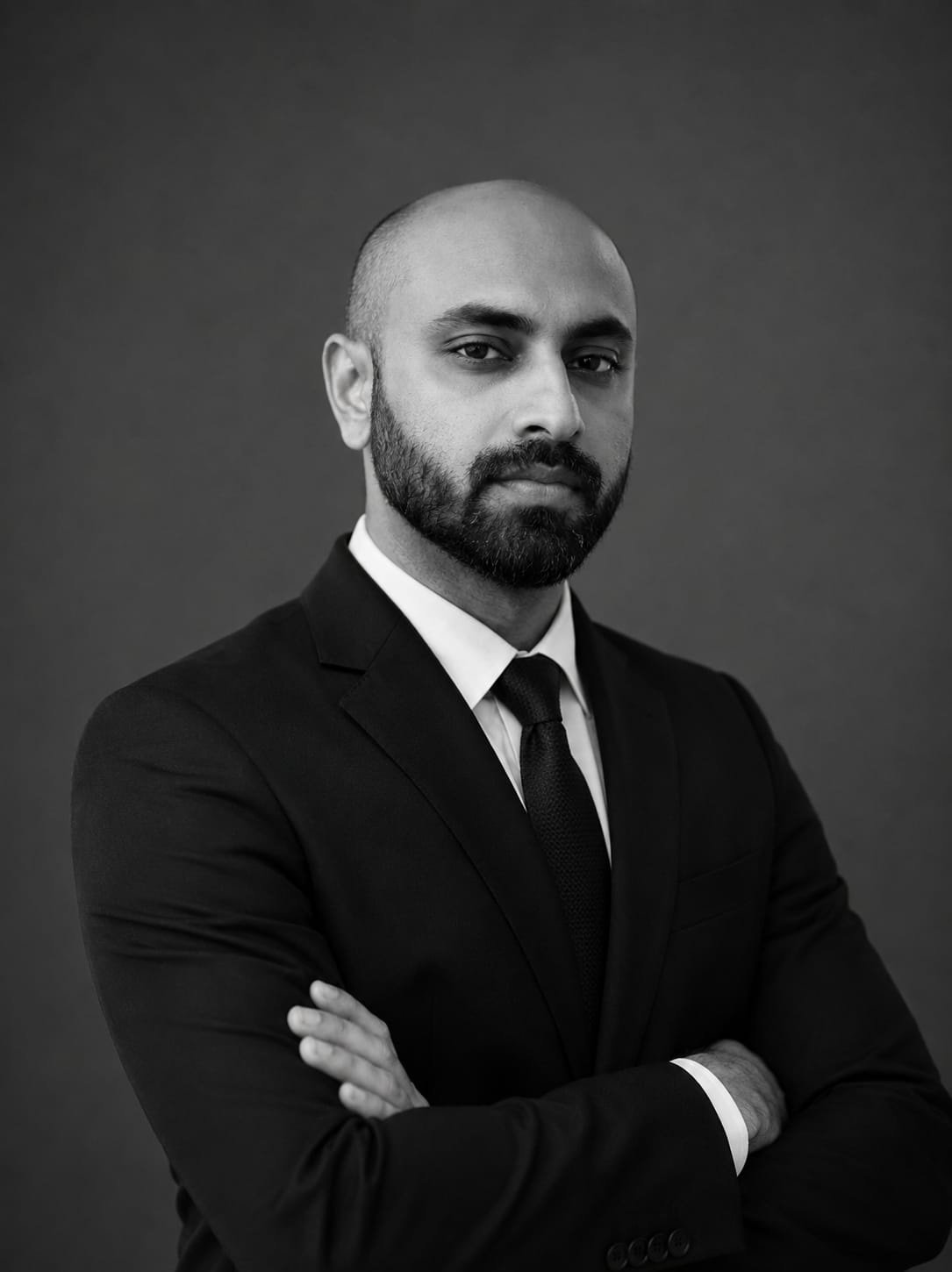
Arfan Shariff is the Co-Founder and Head of Operations at Zawjaan, overseeing platform operations, public relations and strategic partnerships. Drawing on his experience in community engagement, Arfan helps shape Zawjaan's trusted, faith-centred and user-focused approach to Muslim matchmaking, promoting compatibility, authenticity and meaningful lifelong marriages.