


How Serious Are Senegalese Men About Nikah and Marriage?
Understanding a man’s genuine intention for halal marriage is the first step. In Senegal, marriage is often viewed as a communal milestone, not just a personal choice.
Senegalese Muslim men typically regard marriage as a key life goal, often encouraged by family and community from a young age. Unlike casual dating, the focus is on finding a compatible wife for life.
Many men in Senegal are actively seeking marriage but may not know how to approach it properly. They value a wife who is modest, deen-conscious, and ready to embrace family life.
Serious marriage intent often shows in how a man talks about his future. He will mention wanting children, involve his parents early, and express a clear desire to establish a halal household.
However, not every man is equally ready. Some may be financially unstable or still dependent on family. You must look for consistency between his words and his actions.
- He openly discusses nikah, not just ‘dating’ or ‘hanging out’. A serious man frames the relationship around marriage.
- He involves his family early: a Senegalese man who wants marriage often introduces you to his mother or father within a reasonable time.
- He has a plan for the future: where you will live, how he will provide, and how he will handle your wali’s expectations.
- He respects Islamic boundaries: he does not pressure you to meet privately or delay the wali process unnecessarily.
- He is willing to discuss mahr honestly. In Senegal, mahr can be modest, but the discussion itself shows seriousness.
Signs a Senegalese Man Is Ready for Marriage
A man ready for nikah will not waste years without progress. He will seek your family’s approval and set a timeline.
He will also show balance between his religious duties and daily responsibilities. A man who prays regularly and treats others with respect often makes a stable husband.
- He has stable employment or a clear career path, even if not wealthy.
- He speaks positively about his parents and siblings, which often reflects family harmony.
- He asks about your deen and character, not just your appearance or nationality.
- He is willing to meet your wali and follow proper Islamic etiquette.
Understanding Senegal’s Muslim Community for a Marriage-Minded Woman
Senegal is a predominantly Muslim country, with about 95% of the population practicing Islam. This shapes social norms, family structures, and marriage expectations.
The majority of Senegalese Muslims follow Sunni Islam, often influenced by Sufi brotherhoods like the Tijaniyyah and Mouridiyyah. This spiritual diversity affects family customs and community life.
Community ties are strong, and a man’s reputation often precedes him. Local mosques, family networks, and religious leaders play a role in matchmaking and verifying character.
Marriage in Senegal is not just between two individuals; it unites families. This can be beautiful but also means your compatibility with his extended family matters as much as with him.
While Islam is central, local customs blend with the faith. You may encounter practices like the ‘dotale’ (dowry paid to the bride by the groom’s family), which is a cultural tradition, not a religious requirement.
- Senegal’s Muslim community is predominantly Sunni, with strong Sufi influences that emphasise spirituality and communal prayer.
- Family reputation and respect from elders are highly valued; a man’s character is often known through community networks.
- Religious festivals like Eid al-Fitr and Eid al-Adha are celebrated with family gatherings, new clothes, and feasts.
- In some regions, traditional ceremonies accompany the Islamic nikah, but the nikah itself remains the religious core.
Religious and Cultural Plurality
It is vital to remember that culture is distinct from Islam. Not every Senegalese custom is required by faith, and a man’s family may follow practices you find foreign.
Ask your potential husband how he distinguishes between Islamic obligations and cultural traditions. This shows his knowledge and priorities.
Some families expect gifts, additional payments, or lavish celebrations. Clarify these expectations early to avoid misunderstandings.
- In the Casamance region, some communities have different ethnic traditions, but Islam remains the foundation.
- In urban areas like Dakar, families may be more liberal, while rural families often hold conservative views.
- The Mouridiyyah brotherhood is influential in Touba, while the Tijaniyyah has strong roots in Tivaouane. These loyalties can affect a family’s social circle.
- Understanding ethnic diversity, such as Wolof, Pulaar, Serer, and others, helps you appreciate the cultural richness without stereotyping.
Assessing Deen and Character in Senegalese Muslim Grooms
For a marriage to succeed, you need a man who fears Allah and has a noble character. These traits are often more important than wealth or status.
Look for a Senegalese man who prays regularly, fasts, and seeks Islamic knowledge. His relationship with Allah will reflect in how he treats you.
Character evaluation involves observing how he speaks to his parents, service staff, and strangers. Kindness and patience are strong indicators.
Ask him about his religious upbringing and current practices. A man who strives to improve his deen is more likely to be a committed husband.
In Senegal, many men attend Quranic school in childhood. This foundation often instils discipline and respect.
- Observe him in everyday situations: Does he treat his mother with respect? How does he speak to elders?
- Ask about his daily prayers: Does he pray on time? Does he attend the mosque for Jumu’ah?
- Discuss important Islamic principles like treating a wife with fairness, avoiding oppression, and fulfilling obligations.
- Inquire about his peers: A man’s friends often indicate his own character.
- Consider his practice of charity and community service: In Senegal, giving to the needy is common, especially during Ramadan.
Compatibility Beyond the Surface
While a shared faith is fundamental, you also need compatibility in values, lifestyle, and goals. Discuss how he envisions your household’s religious environment.
Ask about his views on female education, work, and social participation. Many Senegalese men are supportive, but you need to confirm.
Understand his level of Islamic knowledge: Whether he follows a particular madhhab or scholarly opinion can affect daily life.
- He is open to learning about your Islamic practices and may share similar ones.
- His view on family planning aligns with yours, within Islamic guidelines.
- He respects that you may have career or educational aspirations.
- He is willing to live in a way that maintains your religious observance, including if you relocate.
Navigating Family Expectations for a Senegalese Husband
In Senegal, the family is the bedrock of society. A Senegalese man’s family will likely be deeply involved in your courtship and marriage.
Expect the process to involve not just his parents but sometimes extended relatives like uncles and grandparents. Their approval can be important, though the final decision rests with the individual.
Your potential husband may ask you to meet his mother, who often plays a central role in the family. This meeting is a sign of serious intention.
Families may have expectations about your background: ethnicity, social status, education, and even your own family’s reputation. Be prepared to address these respectfully.
It is also common for the groom’s family to formally visit your family to request your hand. This visit is a significant step in the marriage process.
- Family reputation matters: A man’s family may appreciate your family’s standing in the community.
- His mother’s opinion may carry weight, so approach her with humility and respect.
- The groom’s family may present gifts to your family as a sign of goodwill and appreciation.
- The wali (your guardian) will be central; his approval is required for a valid nikah.
- In Senegal, the negotiation of mahr and other financial matters often involves both families’ guidance.
Handling Family Pressure
You may feel pressure to conform to family expectations that conflict with your own preferences. Communicate honestly with your potential husband about your boundaries.
Remember that Islam gives a wife the right to consent and set conditions. You do not have to accept any custom that violates your rights.
It is helpful to have your wali or a trusted older relative advocate on your behalf if cultural practices become overbearing.
- Clearly express which traditions you are comfortable with and which you are not.
- Ask your potential husband to support you in communicating with his family.
- Involve your wali early to ensure he can protect your interests.
- Seek guidance from a knowledgeable imam if there are disputes.
Halal Communication Between You and a Senegalese Suitor
Once a serious proposal is considered, communication between you and the prospective groom must remain within Islamic guidelines. In Senegal, this is generally respected.
Halal communication means involving your wali and avoiding private, unchaperoned interactions. This preserves your honour and intention.
Initial conversations may happen through your wali or with his family present. You can exchange messages through secure platforms like Zawjaan, designed to keep you safe.
Focus your discussions on concrete topics: his deen, work, family expectations, living arrangements, and your own requirements.
Avoid romantic or flirtatious language during the courtship period. The goal is to assess compatibility, not to become emotionally attached prematurely.
- Start with a formal introduction preferably through your wali or a trusted mutual connection.
- Use a chaperoned setting for initial meetings: perhaps in your home with family or in a public place with a mahram.
- Keep conversations purposeful: ask about his daily routine, his relationship with his parents, and his views on marriage.
- Respect boundaries: do not share intimate feelings or engage in lengthy private chats without the proper framework.
- Involve your wali as a resource: have him present in crucial meetings.
What to Talk About Before Nikah
The topics you discuss should build a clear picture of your life together. This is not a time for casual small talk alone.
Talk about where you will live after marriage. Many Senegalese couples begin in an extended family household, which can be challenging for some.
Discuss each other’s expectations for household duties, financial contributions, and how you will share responsibilities.
- Daily life routines: prayer times, meals, and family visits.
- Careers: Will you work? Does he support it?
- Children: How many? What kind of Islamic upbringing?
- Extended family roles: How often to visit his parents?
- Financial management: Who handles the budget? What are his spending habits?
Using Zawjaan to Find a Serious Senegalese Muslim Man
Modern matchmaking platforms like Zawjaan offer a structured way to meet marriage-minded Senegalese men while keeping halal boundaries intact. This is especially valuable for sisters living abroad or in Senegal itself.
Zawjaan is designed specifically for Muslims seeking nikah, not casual dating. Every profile is reviewed for authenticity, and you can filter by country and other criteria.
You can search for Senegalese men who are serious about marriage. Many men on the platform have clearly stated intentions and are willing to involve their families.
The platform encourages family involvement. You can share your profile with your wali, and you can request that the potential groom brings his family into the conversation early.
Communication is purpose-oriented: you can ask questions directly related to compatibility, and the platform’s tools help you assess a man’s sincerity.
- Create a profile that honestly reflects your deen and life goals. This attracts like-minded men.
- Use filters to find men in Senegal or Senegalese diaspora communities.
- Ask a potential groom directly: ‘Is your family aware that you are seeking a wife?’ His answer reveals his seriousness.
- Take your time to get to know him through structured conversations arranged via Zawjaan.
- If he avoids discussing family or wali involvement, that is a red flag.
How to Use Zawjaan Effectively
Begin with a detailed profile that mentions your religious practices, preferred lifestyle, and family expectations. This helps filter unserious men.
When you receive interest, respond politely and ask targeted questions. Avoid long personal conversations until you have established that he is truly seeking marriage.
If you feel comfortable, involve your wali after a few exchanges. A genuine man will welcome this.
- Create a profile with clear photos and a truthful bio.
- Use the search filters to narrow down to Senegalese men if that is your preference.
- Exchange initial messages within the platform, keeping content halal and objective.
- Request a video call (through the platform) with a chaperone (e.g., a mahram) to see each other and ask questions.
- Move towards family involvement once both parties feel compatible.
Understanding Nikah and Mahr for Senegalese Grooms
For sisters evaluating a potential husband in Senegal, understanding the local approach to nikah and mahr helps assess seriousness and financial responsibility.
In Senegal, the Islamic nikah is the essential foundation for a valid marriage. Many Senegalese couples also complete a civil ceremony to satisfy national legal requirements.
The mahr is a mandatory gift from the groom to the bride, and its amount and form vary by family and region. Discussing mahr respectfully shows a man’s willingness to honour Islamic obligations.
Some Senegalese families combine the nikah with a smaller walima or reception. A man who proposes a clear, dignified plan for the nikah demonstrates maturity and readiness.
A serious Senegalese man will not rush the nikah. He will ensure both families are comfortable and timelines are agreed, especially when meetings take place through Zawjaan.
- Discuss mahr openly and agree on a fair amount that respects both families.
- Confirm whether a civil marriage will follow the nikah for legal recognition.
- Plan the nikah venue and witnesses early, involving both families.
- Clarify any post-nikah expectations about housing and financial support.
Mahr Discussions with a Senegalese Groom
When a Senegalese man initiates mahr discussions, he shows he understands his Islamic duty. Sisters should view this as a positive sign of commitment.
Mahr can be cash, gold, or a meaningful item. In Senegal, the amount is often influenced by the region, with urban areas sometimes seeing larger monetary sums.
Senegalese Cultural Diversity and What It Means for Your Marriage
Senegal is culturally rich, but culture is not Islam. Sisters should look past ethnic background to assess a man’s character and deen.
Senegal is home to Wolof, Pulaar, Serer, Jola, and other ethnic groups. Each has its own customs, but shared Islamic values often unite families.
Avoid assuming a man’s religious practice based on his ethnicity. Instead, observe his prayer life, dealings, and family connections.
The Tijaniyya Sufi order is prominent in Senegal, but many Senegalese Muslims follow other Sunni traditions. Respectful questions about religious practice can clarify compatibility.
A potential husband who values Islam over cultural expectation will prioritise your rights and a halal marriage process.
- Learn about the main ethnic groups without stereotyping individuals.
- Ask about his family’s religious background and daily practice.
- Consider whether his cultural traditions conflict with Islamic principles.
- Look for openness to discuss differences in background and expectations.
Navigating Family Traditions
Many Senegalese families place importance on family introductions and communal approval. A serious groom will naturally involve his parents or guardians.
Sisters can also involve their own wali to ensure mutual respect and halal communication.
Senegalese Cuisine and Family Gatherings for a Potential Husband
Food is central to Senegalese hospitality. Understanding local cuisine can help sisters appreciate a potential husband’s family culture.
A Senegalese man may invite you for mee within a respectful, supervised setting. Expect generous dishes like thieboudienne or yassa, often shared communally.
Sharing a meal provides a chance to observe his family’s manners and generosity. A serious man will ensure you are comfortable and appropriately hosted.
He may also ask about your dietary preferences, showing consideration for your needs.
- Thieboudienne is a spiced fish and rice dish, a national favourite.
- Yassa is a tangy onion sauce that can be served with chicken or fish.
- Mafe is a rich peanut stew often enjoyed at family gatherings.
- Dates and fresh fruit are commonly offered after meals.
Hosting and Hospitality Etiquette
If he invites you to meet his family, expect warm welcomes and possibly a large extended family presence.
Accepting offered food is seen as courteous, and washing hands before and after meals is standard.
Eid Customs and Modest Dress for Senegalese Men
Eid in Senegal is both spiritual and social. Observing a man’s conduct during Eid can reveal his community ties and personal discipline.
Senegalese men often wear a boubou, an embroidered flowing robe, for Eid prayers. This reflects cultural pride while maintaining modest dress.
Eid includes visiting family, sharing meals, and giving to the needy. A serious-minded groom will be involved in these acts of worship.
When you converse with a potential husband, ask how he spends Eid. His answer may show his priorities.
- Eid al-Fitr is celebrated with special prayers and feasting.
- Eid al-Adha involves animal sacrifice and distribution to the poor.
- New or clean attire is customary, often including a kufi or taqiyah.
- Community gatherings after prayer are important for family bonding.
Observing Modesty in Communication
A God-fearing man will avoid inappropriate talk and maintain respectful distance until marriage.
He will not pressure you into private meetings before the halal process is complete.
Approaching Family and Understanding Senegalese City Differences
Family approval is often essential in Senegal. Sisters should assess how a man handles the introduction process and how his location affects daily life.
A serious Senegalese man will seek his family’s blessing. He will also respect your family’s involvement, especially your wali’s role.
Dakar, the capital, is busy and international, while Touba is a religious hub where Sufi traditions are strong. This can affect lifestyle.
If he lives in Dakar, expect a fast-paced environment with more career opportunities. In other towns, family and community ties may be closer.
Ask about his daily routine and whether he lives with extended family. This clarifies expectations for living arrangements after marriage.
- Request a formal introduction with his family when both sides are ready.
- Arrange a meeting with your wali to discuss the marriage proposal.
- Involve your family early to prevent misunderstandings.
- Discuss the living arrangements in his city of residence.
Urban vs. Religious City Life
In Touba, religious adherence is often visibly practised, and social life revolves around the mosque and family.
In Dakar, there is more diversity, and professional life may be a bigger factor.
Senegalese Marriage Readiness and Relocation for Your Future Husband
Marriage readiness goes beyond words. Sisters must evaluate a man’s financial stability, emotional maturity, and his commitment to building a home together.
A marriage-ready Senegalese man will have a clear plan for housing, work, and supporting a wife. He will also be honest about his current circumstances.
If you are planning to relocate to Senegal or from Senegal, discuss visa requirements, language, and cultural adjustment.
Ask how he intends to travel or communicate while you are separate. A genuine intention will include consistent, halal communication.
On Zawjaan, many Senegalese men seek serious marriage with the hope of involving families early.
- Confirm his employment status and financial plans.
- Discuss his views on living with extended family.
- Plan for language learning if you need French or Wolof.
- Research visa procedures if relocation is international.
- Agree on a timeline for marriage after the nikah.
Practical Next Steps with Zawjaan
When you find a potential husband on Zawjaan, request family involvement early and set clear terms for engagement.
Use purposeful chat to ask about his deen, career, and family expectations before sharing too much personal detail.
How to Assess Senegalese Muslim Men for Marriage
A marriage-focused process for Muslim women assessing a Senegalese Muslim man in Senegal for serious Islamic marriage.
- Confirm serious marriage intention: Clarify that the Senegalese Muslim man is seeking marriage rather than a casual relationship, and establish clear halal communication boundaries from the beginning.
- Assess deen and character: Consider religious commitment, honesty, temperament, responsibility and consistency, rather than relying only on attraction or online conversation.
- Involve family or wali appropriately: Bring trusted family members or a wali into the process at a suitable stage so intentions, character and practical expectations can be assessed transparently.
- Discuss marriage expectations: Talk clearly about mahr, finances, work, housing, family roles, children, location and other responsibilities that could affect long-term compatibility.
- Agree the route towards Islamic nikah: If compatibility is strong, agree practical next steps for family discussions, any necessary civil requirements and preparation for an Islamic nikah.
Frequently Asked Questions
How do I initiate nikah discussions with a Senegalese man on Zawjaan?
Once you match with a serious Senegalese man, politely ask about his views on mahr and when he envisions involving families. This shows your intention is marriage-focused.
What should I wear when meeting a Senegalese family for the first time?
Modest dress is essential. A long dress or skirt with sleeves is appropriate, and women may also wear a headscarf if they wish. Ask your host about local customs.
Are Senegalese men typically open to living abroad after marriage?
Some are, but many prefer to remain in Senegal. Discuss career opportunities and family ties openly to avoid misunderstandings.
How important is the wali’s involvement in Senegal?
Very important. Both families will likely expect wali participation from the start. Serious men will respect this process.
What are common concerns for sisters marrying Senegalese men?
Concerns often include polygamy, living with extended family, and financial stability. Address these early through honest conversation.
How quickly should we involve parents after meeting on Zawjaan?
Once you are both comfortable and have had several purposeful chats, involve parents or a guardian before any personal meetings.
About the Author
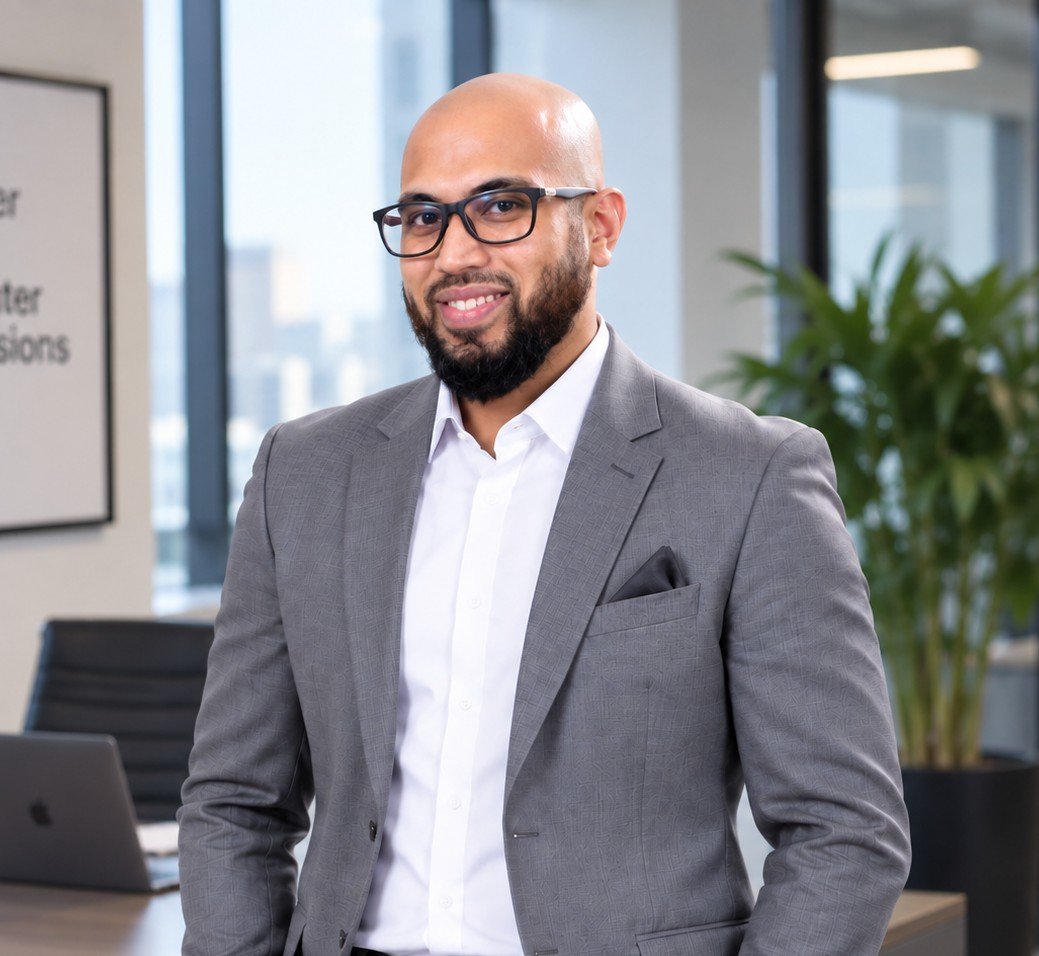
Nasehuddin Mohammed is the Co-Founder and Head of Technology at Zawjaan, where he leads product quality and the platform’s technological development. His work spans user experience and interface development, matchmaking strategies, and community-centred communication experiences designed to help Muslims build serious, marriage-minded connections.