

Meet Derbent Muslim Men Online
Online platforms have become a practical way for Muslim women to meet Derbent Muslim men for marriage. These spaces allow you to filter by religious observance, ethnic background, and lifestyle preferences. Many local men are open to online introductions, especially if they work in sectors like oil, trade, or transport and have limited time for traditional courtship. When using any platform, prioritise video calls and involve a wali early. Ensure the site maintains halal boundaries and offers privacy controls. A thoughtful profile that mentions your Deen and family values will attract serious interest.
Derbent Muslim Men for Marriage
Marriage in Derbent is a deeply religious and communal affair. Muslim men here typically seek a wife who shares their commitment to Islamic values, and they often involve their families from the very beginning. The process usually starts with a formal proposal and depends on mutual respect and compatibility. Local customs place a strong emphasis on modesty, dowry (mahr), and the couple's ability to build a stable home together. Understanding these expectations helps avoid misunderstandings, and approaching marriage with sincerity and patience is highly valued across the community.
Halal Dating with Derbent Muslim Men
Halal dating for Muslim women seeking Derbent Muslim men involves supervised meetings and clear boundaries. It is acceptable to spend time together in a chaperoned setting, such as a cafe or a family home, where conversation focuses on compatibility and future plans. Avoid private or overly casual encounters, as these can create unnecessary risk. Instead, use each meeting to discuss faith, children, finances, and living arrangements. Derbent's community is observant, so maintaining discretion is appreciated by both families and the wider social circle.
Islamic Nikah in Derbent
The Nikah is the central Islamic marriage contract and is performed by an imam, usually at a mosque or in the bride's home. In Derbent, several mosques, such as the Juma Mosque, host Nikah ceremonies. The bride must have her wali present, and two male witnesses are required. The mahr is agreed upon beforehand and can be monetary or in kind. After the civil registration at the ZAGS office, the religious ceremony finalises the union. Many couples also arrange a festive meal, reflecting local Dagestani hospitality.
Halal Chat with Derbent Muslim Men
Halal chat with Derbent Muslim men should be purposeful and within Islamic guidelines. Use chat to learn about his religious practice, daily routine, and views on family roles. Keep conversations respectful, ideally at reasonable times and on platforms that allow text or voice calls with modest etiquette. It is wise to avoid private social media messaging until both families are aware. This approach helps maintain boundaries and ensures that communication serves the goal of finding a suitable spouse, not merely casual interaction.
Derbent Muslim Singles and Community Networks
Derbent hosts a significant population of unmarried Muslim men, many from Lezgin, Tabasaran, and other Dagestani ethnic groups. They often attend local mosques and community events. For Muslim women, meeting these men can happen through family networks, wedding gatherings, or women-led circles. Some men work in agriculture, trade, or the military and may have limited exposure to outside communities. Approaching with a respectful introduction through relatives or respected elders increases your chances of finding a compatible match who values tradition.
Marriage Proposals and Khitbah in Derbent
In Derbent, the proposal, or khitbah, is a formal process. The man's family sends respected elders to the woman's home to ask for her hand. This is a sign of honour and sincerity. Muslim women should be prepared for this tradition and may accept or decline respectfully. If she agrees, the families discuss the mahr, wedding timing, and living arrangements. Often, several visits occur before a final agreement. The groom may present a gift, and the engagement is announced in the community. This ritual reinforces family involvement and collective support for the marriage.
Physical Appearance of Derbent Muslim Men
When considering physical appearance, Muslim women may notice that Derbent men often have dark hair, olive skin, and expressive eyes, reflecting their Caucasus heritage. Personal grooming is generally important, and many men dress smartly for formal occasions. Remember that beauty is relative and depends on personal preferences. Focus on what you truly want in a partner rather than societal standards. Look for someone whose care of his appearance reflects self-respect, but prioritise character and faith above all.
Skin, Hair and Eye Colour
Skin and hair colour vary widely among Derbent Muslim men due to the city's diverse ethnic mix. Common hues include warm olive tones, brown or black hair, and dark eyes, though lighter shades occur as well. These features are a source of pride and often linked to family heritage. When considering a partner, colour should not be a determining factor. Instead, appreciate the unique combination of features that appeals to you personally and remember that inner beauty is far more lasting.
Occupation and Profession
Derbent's economy includes agriculture, fishing, and a growing tourism sector, with many men employed in trade, construction, or municipal services. Some work in the oil and gas industry, commuting to other regions, while others run small businesses in the old town. When evaluating a potential husband, consider job stability and his career ambitions. A man who takes pride in his work and provides for his family is highly respected. Discuss his working hours and potential relocations, as these factors affect married life.
Height
The average height for a Derbent Muslim man is around 5 feet 9 inches or approximately 175 centimetres. This statistic is a general guide, as there is considerable variation. What matters more is how you feel about his physical presence and confidence. A couple's height difference is a personal preference, not a measure of compatibility. Focus on the strength of his character and his ability to lead the family with wisdom.
Ethnicity and Nationality
Derbent is home to numerous ethnic groups, including Lezgins, Tabasarans, Azeris, and Russians who have converted to Islam. Muslim men from these backgrounds may have distinct cultural traditions and languages. This diversity offers Muslim women a range of options, from those who follow strict mountain customs to those with a more cosmopolitan outlook. In a marriage, ethnic differences can be managed with mutual respect, but be aware that family expectations and traditions may vary.
Compatibility with Derbent Muslim Men
Compatibility in marriage goes beyond shared interests. It involves aligning on faith, values, and daily habits. For a successful union with a Derbent Muslim man, consider how your personalities complement each other and how you handle conflict. Practical assessments, such as financial habits and living preferences, are essential. This groundwork helps build a resilient partnership.
Religious Alignment
Most Derbent Muslim men are Sunni, adhering to the Shafi'i school. They practise daily prayers, fasting, and Islamic etiquette. For Muslim women, especially those from different backgrounds, ensure that you both share a similar commitment to practising Islam. Discuss how you will maintain your religious observances together, such as attending Friday prayers or celebrating Eid. Mutual understanding here is the cornerstone of a harmonious marriage.
Cultural Compatibility
Dagestani culture places a premium on honour, hospitality, and respect for elders. Although Derbent is more urban, these values remain strong. A Muslim woman should appreciate that her husband's family may be closely involved in his life. Cultural compatibility means being comfortable with traditions like large family meals, respect for parents, and communal celebrations. Adapting to these customs, while also introducing your own family's traditions, creates a balanced and loving environment.
Local Muslim Culture
Derbent's Muslim community is deeply rooted in history, and its culture is shaped by Sufi traditions and mountain customs. Women often find that men are protective and family-oriented, and they may expect a certain level of modesty. Community gatherings, mosque events, and religious holidays are central to social life. Being part of this culture enriches your marriage with a strong support network, but also requires a willingness to engage with its social expectations.
Ideological Viewpoints
Within Derbent's Muslim community, there are differing interpretations of Islam, from traditional Sufism to more conservative Salafi influences. Muslim women should discuss religious matters openly to understand their potential husband's ideological perspective. Some men may hold stricter views on topics like music or women's work, while others are more relaxed. Finding a man whose viewpoint aligns with yours on key issues will prevent future friction and promote spiritual harmony.
Lifestyle Compatibility
Lifestyle compatibility involves daily routines, spending habits, and social activities. Derbent men often enjoy tea with friends, visiting the Caspian seafront, or hiking in the nearby Caucasus foothills. Whether you prefer a quiet home life or an active social one, ensure your habits mesh. Also, discuss how you will manage holidays, such as visiting both families during Eid. A shared approach to time, money, and leisure is vital for long-term happiness.
Family Expectations
Family is the centre of life in Derbent. A Muslim man will likely expect his wife to maintain close ties with his parents and siblings. In return, he will support you in your family obligations. It is common for extended family to live nearby or together. Discuss expectations regarding family visits, decision-making, and financial support for parents. Open dialogue about these matters early helps avoid misunderstandings and demonstrates your respect for his family's role.
Marriage Goals
Marriage goals in Derbent typically include raising children with a strong Islamic identity and extending the family lineage. Many Muslim men aim to own a home and provide a stable life for their spouse. They also value the opportunity to perform Hajj together. When discussing goals, ensure you both share a vision for your children's education, whether in Islamic schools or secular institutions with religious instruction. Long-term plans, such as starting a business or relocating, should be discussed thoroughly.
Relationship Expectations
In a halal marriage, the relationship is built on mutual respect, love, and mercy, as described in the Quran. Muslim women should expect kindness, often demonstrated through small gestures, and a husband who takes his role as protector seriously. He may expect his wife to manage the household and nurture the family, aligning with traditional roles. However, every man is different. Honest conversations about chores, decision-making, and emotional support will set the stage for a balanced and fulfilling union.
How to Find Muslim Men in Derbent
To find Derbent Muslim men, begin by expressing your intention to family and close friends, who may know eligible suitors. Attend events at local mosques, such as Juma Mosque, and participate in community charity activities. Online platforms that cater to Russian Muslims can widen your search. Always involve your wali in introductions and take time to verify a man's background through references.
1. Create a clear marriage profile
Phase 1: Profile CreationCreate a profile that highlights your Islamic practice, family values, and genuine interest in marriage. Use recent photos and be honest about your background.
2. Search locally and realistically
Phase 2: Local DiscoveryUse search filters for Derbent and nearby regions. Note that many local men may not be active online, so combine your search with community contacts.
3. Begin respectful halal chat
Phase 3: Compatibility ScreeningStart with text-based chat that stays respectful and purpose-driven. Ask about his daily prayers, work, and family. Avoid provocative discussions.
4. Arrange a public meeting
Phase 4: Face-to-Face CourtshipArrange a first meeting in a public place such as a family-friendly cafe or the seafront. Bring a chaperone if possible, as is customary.
5. Introduce both families
Phase 5: Family MeetingAfter mutual interest, invite his family to visit your family. This formal step shows respect and allows both sides to evaluate compatibility.
6. Prepare the legal documentation
Phase 6: Legal DocumentationComplete civil marriage registration at the ZAGS office, which is required in Russia. Prepare passports and necessary documents in advance.
7. Complete the Islamic Nikah
Phase 7: Marriage ContractSchedule the Nikah at a mosque like Juma Mosque. Discuss the mahr and witnesses with your imam, and ensure all requirements are met before the ceremony.
Frequently Asked Questions
How can Muslim women find Derbent Muslim men who are serious about marriage?
Focus on community connections and reliable online platforms. Attend events at Juma Mosque and involve your family in the search. Be clear about your intentions and take time to assess his character.
What qualities do Derbent Muslim men typically look for in a wife?
Most seek a practising Muslim woman who is family-oriented, modest, and supportive. They value someone who respects their culture and can build a harmonious home. Religious commitment and good character are top priorities.
Are Derbent Muslim men open to marrying women from outside their ethnic group?
Many are open, provided that both share Islamic values and have compatible family expectations. Discuss ethnic traditions early to understand potential differences and find common ground.
What should Muslim women know about the Nikah process in Derbent for Muslim brothers?
The Nikah requires the bride's wali, two witnesses, and an agreed mahr. It often follows the civil ceremony. Contact the imam at Juma Mosque to arrange a time and confirm all necessities.
How do Muslim women handle family expectations when marrying a Derbent Muslim man?
Maintain open communication with both families. Show respect for his parents and traditions, and discuss living arrangements and family involvement early. Mutual respect is key to a smooth relationship.
About the Author
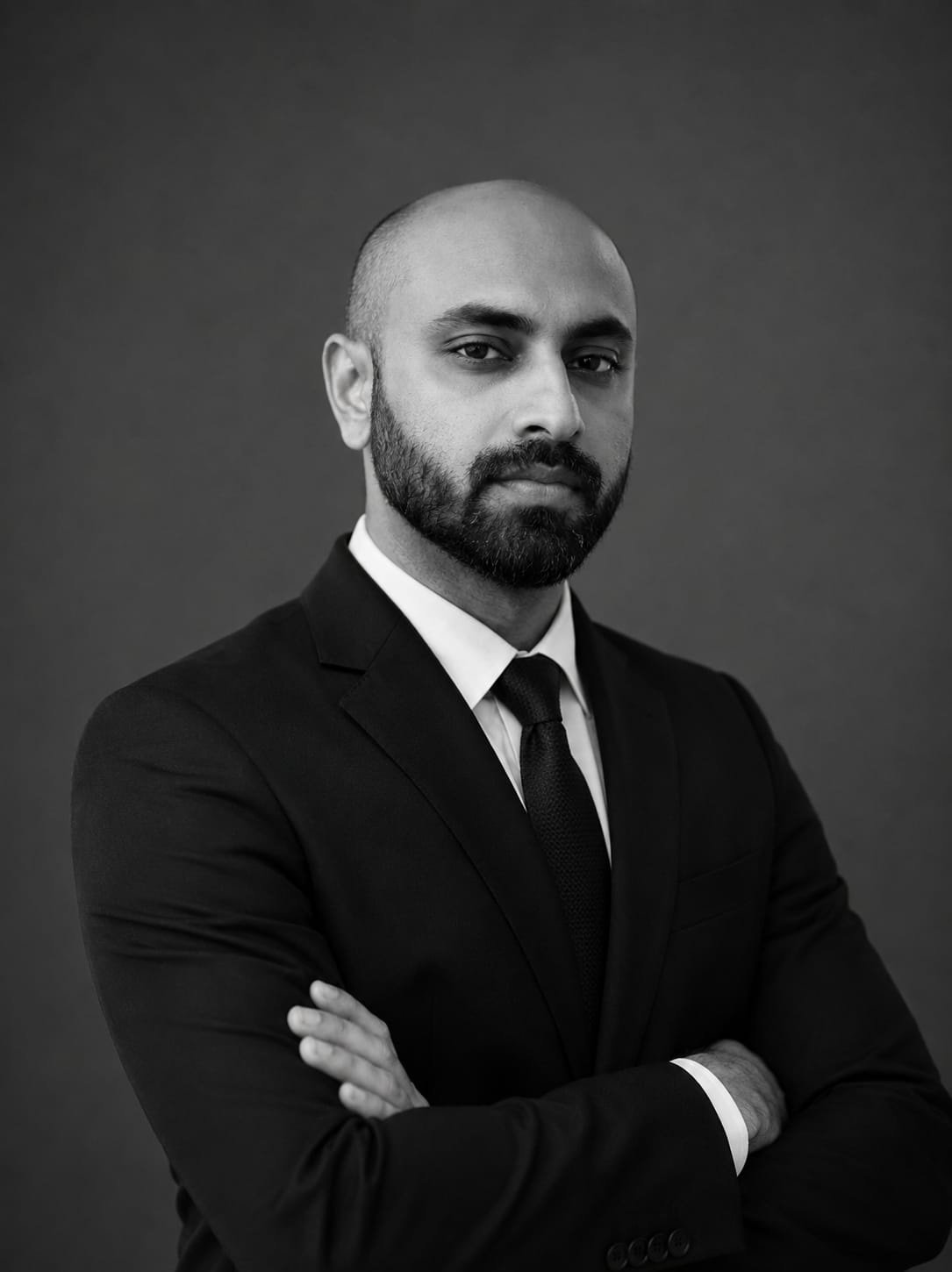
Arfan Shariff is the Co-Founder and Head of Operations at Zawjaan, overseeing platform operations, public relations and strategic partnerships. Drawing on his experience in community engagement, Arfan helps shape Zawjaan's trusted, faith-centred and user-focused approach to Muslim matchmaking, promoting compatibility, authenticity and meaningful lifelong marriages.