

Understanding Serious Marriage Intent in Republic of the Congo for Muslim Men
When evaluating a potential husband from Republic of the Congo, discerning his genuine intention for marriage is the first and most crucial step.
A serious Congolese Muslim man will speak about marriage with clarity and purpose, not vague promises. He will involve family early and discuss practical matters like living arrangements.
In a society where many marriages are community-led, watch for signs that he prioritises Islamic values over cultural pressure. His approach to courtship should reflect a desire for a lifelong commitment.
Ask direct questions about his timeline for marriage, his vision for family life, and his understanding of Islamic responsibilities. His answers reveal his readiness and seriousness.
Remember that cultural norms in Republic of the Congo may differ from your own, but the Islamic principles of consent, respect, and responsibility are universal.
- He initiates conversation about marriage in a structured, purposeful manner.
- He introduces you to his family early, showing long-term intentions.
- He is open about his financial situation and practical plans for the future.
- He seeks guidance from Islamic scholars or elders in his community.
- He avoids casual dating and prefers halal, supervised communication.
The Muslim Community in Republic of the Congo: What Sisters Should Expect
Understanding the local Muslim community helps you contextualise a Congolese suitor’s background and values.
Muslims make up a small percentage of the population in Republic of the Congo, with most residing in urban centres. This minority status can influence how Muslim men practice their faith and approach marriage.
In Brazzaville and Pointe-Noire, you will find mosques and Islamic centres that serve as gathering points. These communities often blend African cultural traditions with Islamic practices.
Expect that a Congolese Muslim man may have grown up in a mixed religious environment. His commitment to Islam is a personal choice that deserves respectful conversation.
Be prepared to navigate cultural diversity, as Congolese Muslims include various ethnic groups such as Bateke, Mbochi, and Lari. Avoid stereotypes and focus on his individual character.
- The Muslim community is small but active, with mosques in major cities.
- Islamic education may vary, so assess his knowledge of core practices.
- Communal events often revolve around Eid and Friday prayers.
- Family ties are strong, so marriage involves broader kinship networks.
- Learn about local customs to distinguish cultural habits from Islamic requirements.
Deen, Character, and Compatibility: Evaluating a Congolese Muslim Man
For a serious marriage, his relationship with Allah and his treatment of others are more important than any other factor.
A Congolese Muslim husband should demonstrate consistent practice of daily prayers, fasting, and seeking knowledge. Observe how he conducts himself in daily interactions and within his community.
Character traits like honesty, kindness, and patience are essential. Discuss topics like anger management, financial responsibility, and how he handles disagreements.
Compatibility extends beyond shared faith to lifestyle, goals, and family expectations. Talk about your visions for home life, children’s upbringing, and career aspirations.
Remember that culture is not Islam; some Congolese traditions may conflict with Islamic teachings. A discerning man will prioritise the Quran and Sunnah over cultural norms.
- Ask about his daily routine and how he incorporates Islamic practices.
- Inquire about his past relationships or any engagements.
- Discuss your expectations regarding his role as a husband and father.
- Observe his interaction with his own family and neighbours.
- Consider his views on polygamy and how they align with yours.
- Seek to understand his religious education and who teaches him.
Practical Steps to Assess Character
Arrange meetings in halal settings with a mahram or trusted family member present.
Pay attention to how he treats waitstaff, shopkeepers, and family members.
Ask for references from his imam or respected elders in his community.
Congolese Family Expectations and Involvement in a Muslim Man’s Marriage
In Republic of the Congo, family involvement in marriage is deeply rooted. Understanding his family’s expectations is vital.
A Congolese groom’s family will likely play a significant role in the marriage process, from seeking a compatible bride to negotiating the mahr. This is a cultural norm, but Islamic principles should guide the process.
His parents’ approval is often a prerequisite for the nikah. Expect that his family may want to meet you and your family, and they may have particular preferences about your background.
Communicate openly about roles and responsibilities after marriage. Clarify where you will live, how you will manage finances, and the extent of extended family involvement.
Involvement can be a blessing for support, but it requires boundaries. Ensure that his family respects your privacy and that your rights as a wife are upheld.
- Meet his family to observe their dynamics and values.
- Discuss the mahr and what is culturally vs Islamically customary.
- Clarify expectations about living with in-laws.
- Seek clarity on how family duties will be divided.
- Agree on how often you will visit extended family.
- Establish how disagreements with in-laws will be resolved.
Halal Communication with a Congolese Muslim Man: Boundaries and Purpose
Communication before marriage must be purposeful and within Islamic guidelines, especially when crossing cultures.
Engage in conversations that are respectful and focused on marriage-relevant topics. Avoid casual chat or idle talk that could lead to inappropriate attachment.
Keep a third person involved, such as a mahram or trusted family member, particularly in the early stages. This maintains boundaries and ensures purity of intention.
Be mindful of cultural differences in communication styles. Some Congolese men may be more direct or reserved; adapt without compromising Islamic etiquette.
Use video calls and written correspondence to learn about each other, but limit it to essential topics. Remember, the goal is to assess compatibility for marriage, not to form a romantic relationship prematurely.
- Set a clear agenda for each conversation.
- Avoid discussing past relationships or intimate details.
- Involve your wali in major discussions about the future.
- Keep conversations during daytime and in public settings.
- Pray istikhara for guidance as you communicate.
Marriage-Focused Online Matchmaking: Finding a Congolese Groom on Zawjaan
Zawjaan provides a halal platform for Muslim singles to connect with marriage intentions. Here’s how sisters can use it effectively to find a serious Congolese husband.
Create a profile that is honest and reflects your deen and character. Clearly state your preferences for a spouse, including desired qualities and location.
Use the search filters to narrow down to Republic of the Congo or Congolese men abroad. Review profiles thoroughly, looking for men who show seriousness through their answers and photos.
Engage in respectful, purposeful chat on the platform. Use the video call feature only after you have established mutual interest and included a mahram.
Always involve your wali early in the process. Share the potential matches with him and seek his advice before proceeding to talk about marriage details.
Remember that Zawjaan is a tool; the real evaluation happens through prayer, research, and family input. Never compromise your Islamic principles for the sake of convenience.
- Complete your profile with detailed information about your faith and lifestyle.
- Use filters to find Congolese men, whether in-country or diaspora.
- Send a short, respectful message introducing yourself and your intention to marry.
- Once you connect, arrange a supervised video call.
- Involve your wali to verify his credentials and intentions.
- Continue istikhara and seek counsel from trusted elders.
Congolese Muslim Men: Nikah and Mahr Considerations for a Wife
Understanding the nikah process in the Republic of the Congo helps you prepare for a marriage that is both Islamic and legally sound.
In the Republic of the Congo, Muslim marriages are conducted according to Islamic rites. A local imam or an Islamic centre in Brazzaville can officiate, but civil registration is also required for legal recognition.
Mahr is a mandatory gift from the groom to the bride. In Congolese Muslim communities, mahr can range from symbolic amounts to more substantial sums, depending on families and backgrounds.
You should discuss mahr openly and respectfully. It is not a purchase price but a token of honour and commitment from your future husband.
Ensure that the wedding contract is clear and witnessed by two male Muslims or one male and two female Muslims, as per standard Islamic practice.
- Agree on the mahr amount and form (cash, gold, property) before the nikah, and document it in the contract.
- Decide whether nikah will take place at a mosque, an Islamic centre, or a family home, and coordinate with the imam.
- Verify that the civil marriage is registered with the Congolese authorities to avoid legal issues later.
- Ask about any cultural customs that may accompany the nikah, such as gift-giving or feasting, and agree on what you are both comfortable with.
Marriage Preparation in the Congolese Context
Preparing for nikah involves both spiritual and practical steps. A serious Congolese Muslim man will ensure his finances, accommodation, and family relationships are in order before proposing.
Discuss your living arrangements after marriage. Will you stay in the Republic of the Congo or move abroad? This affects your long-term planning and the nikah logistics.
Families in the Congo often play a significant role in wedding preparations. Expect involvement from your in-laws to be, from planning the celebration to advising on the couple’s future.
- Set a realistic timeline for the nikah, allowing for family coordination and any paperwork.
- If you live abroad, consider a proxy marriage (wakalah) if you cannot travel, but ensure the contract is valid in the Congo.
- Learn about the Congo’s marriage registration process to avoid administrative delays.
Congolese Muslim Families: Culture, Not Stereotypes, in Marriage
Every Congolese Muslim family is unique. A wise wife learns about her husband’s specific background rather than relying on assumptions.
The Republic of the Congo is ethnically diverse, with groups like the Kongo, Teke, and Mbochi. Muslim communities include both locals and descendants of West African immigrants.
Culture is not Islam. Practices vary, and some traditions may conflict with Islamic principles. A discerning sister evaluates what is Islamic and what is cultural.
You and your husband will navigate which customs to keep and which to leave. Mutual respect is key when merging family expectations.
- Ask your potential husband about his family’s ethnic traditions and how they observe Islam.
- Respect his mother’s role, but establish healthy boundaries for your own household.
- Learn a few phrases in Lingala or Kituba to connect with family members who may not speak French.
- Attend family gatherings early to observe how your potential husband interacts with his relatives.
Approaching Parents and Seeking Blessings
In Congolese culture, family approval is highly valued. A serious Muslim man will seek his parents’ consent before moving forward with a proposal.
If you are a sister, when you meet his parents, dress modestly and greet them with respect. Show interest in their lives and appreciate their hospitality.
Avoid pressuring your husband to break family ties. Instead, support him in maintaining good relations while you both build your own family unit.
- Ask your potential husband about his parents’ expectations regarding marriage.
- If you are in the Congo, visit his family’s home with his sister or a female relative if possible.
- Prepare a small gift, such as dates or sweets, when meeting his parents for the first time.
- Be patient; building trust with his family may take time, especially if you come from a different cultural background.
Congolese Muslim Men: Sharing Cuisine and Eid Traditions with a Wife
Food and celebrations are central to Congolese family life. Knowing what to expect helps you prepare for special occasions with your future husband.
Congolese cuisine features dishes like saka-saka (cassava leaves), fufu, and grilled fish. In Muslim households, halal meat is essential, and pork is avoided.
During Eid, families gather for communal prayers and feasts. A wife may be expected to prepare traditional dishes or contribute to the meal.
Dress on Eid is modest and often colorful. Women may wear a hijab and a flowing gown, while men wear a dashiki or a smart suit.
- Learn to cook a few Congolese dishes, such as saka-saka or pondu, to share with his family.
- Ask your husband about his family’s Eid customs, such as giving money to children or visiting neighbours.
- For Eid, choose modest clothing that is both comfortable and appropriate, perhaps with matching styles for the family.
Food Prep and Hospitality
Hospitality is important. When you host his family, serve generous portions and ensure all meat is halal.
If you are not familiar with Congolese cooking, ask your future husband or his family for recipes. This effort shows your commitment.
Remember that Eid al-Fitr and Eid al-Adha are times of joy. Plan for communal prayers and family visits.
- Ensure your kitchen has halal-certified ingredients and separate utensils for halal cooking if needed.
- Prepare simple dishes like fried plantains or rice with beans that are commonly enjoyed.
- During Eid, exchange gifts with his family, such as clothing or perfume, as is customary in many Muslim cultures.
Congolese Grooms: City Choices and Practical Living for a Wife
Where you live after marriage greatly affects your daily life. Comparing Congolese cities helps you make an informed decision with your husband.
Brazzaville, the capital, has a large Muslim community and offers better infrastructure. However, the cost of living is higher than elsewhere.
Pointe-Noire, the economic hub, is another option. It is a coastal city with many job opportunities, but also a fast-paced lifestyle.
Smaller towns may offer a quieter life but with fewer amenities and less diversity among Muslims.
- Brazzaville: good access to mosques, Islamic schools, and halal food markets.
- Pointe-Noire: employment prospects in the oil and port industries, but housing can be expensive.
- Dolisie: a smaller city with a slower pace, suitable for families seeking simplicity.
- Consider proximity to your families and your husband’s work location when choosing a residence.
Long-Distance Marriage and Relocation
If you meet your husband while he is abroad or you are overseas, long-distance engagement is common. Set clear expectations for communication and visits.
A serious man will prioritise the relocations process, whether that means you moving to the Congo or he moving to your country.
Relocating to the Congo involves cultural adaptation, such as learning French or local languages. A supportive husband helps you settle.
- Discuss visa requirements for moving to the Congo if you are foreign-born.
- Plan for initial housing and daily necessities before the move.
- Arrange for a local support system, such as his family or the Muslim community, to assist you.
- Decide on a timeline for closing the distance and set milestones to revisit.
Serious Muslim Men in the Republic of the Congo: Signs of Marriage Readiness
For a wife, assessing a man’s readiness goes beyond words. Observe his actions and consistency.
A marriage-ready Congolese Muslim man will have a stable income or a clear career plan. He will also demonstrate religious commitment, such as praying regularly and treating others with kindness.
He should be emotionally mature, able to discuss conflicts calmly, and willing to compromise. Listen to how he talks about his previous relationships, if any.
Family readiness is equally important. Has he prepared his family for the marriage? Do they support his choice? These are practical signs.
- He asks meaningful questions about your deen, future goals, and daily habits.
- He involves his family early and seeks their blessing without undue pressure.
- He discusses finances openly, including salary, debts, and savings plans.
- He respects your boundaries in halal communication and does not rush physical or emotional intimacy.
- He shows consistency in his words and actions over several months.
Finding a Serious Husband: Zawjaan’s Approach
On Zawjaan, you can connect with marriage-minded Congolese Muslim men who are transparent about their intentions. Use the platform to ask specific questions about marriage readiness.
Halal communication is facilitated through structured conversations, helping you avoid casual dating and focus on nikah.
Remember that a serious man will not shy away from discussing mahr, living arrangements, and family expectations.
- Set your profile to indicate your preference for a husband in the Republic of the Congo.
- Ask a potential match about his plans for marriage and fatherhood.
- Involve your own wali early in the process to ensure family support.
Congolese Muslim Husbands: Answers to Your Most Pressing Questions
These frequently asked questions address common concerns when considering a Congolese Muslim man for marriage.
Each question reflects real considerations from sisters seeking a serious husband in the Republic of the Congo.
- How do I know if he is serious?
- What if his family does not accept me?
- How is mahr typically given?
- Can I marry a Congolese man if I live abroad?
- What should I pack if relocating to the Congo?
- How can Zawjaan help me find a Congolese husband?
How to Assess Congolese Muslim Men for Marriage
A marriage-focused process for Muslim women assessing a Congolese Muslim man in Republic of the Congo for serious Islamic marriage.
- Confirm serious marriage intention: Clarify that the Congolese Muslim man is seeking marriage rather than a casual relationship, and establish clear halal communication boundaries from the beginning.
- Assess deen and character: Consider religious commitment, honesty, temperament, responsibility and consistency, rather than relying only on attraction or online conversation.
- Involve family or wali appropriately: Bring trusted family members or a wali into the process at a suitable stage so intentions, character and practical expectations can be assessed transparently.
- Discuss marriage expectations: Talk clearly about mahr, finances, work, housing, family roles, children, location and other responsibilities that could affect long-term compatibility.
- Agree the route towards Islamic nikah: If compatibility is strong, agree practical next steps for family discussions, any necessary civil requirements and preparation for an Islamic nikah.
Frequently Asked Questions
How can I tell if a Congolese Muslim man is serious about marriage?
Look for consistency in his communication and actions. A serious man will involve his family, discuss mahr and living arrangements, and make plans for the future. On Zawjaan, you can also check his profile details and ask direct questions about his readiness.
What if his family does not accept me because I am from a different cultural background?
Patience and respect are key. Encourage your potential husband to explain your qualities to his family. Offer to meet them and learn about their traditions. Over time, many families soften when they see your commitment and character.
How is mahr typically given in the Republic of the Congo?
Mahr can be cash, gold, or property. The amount is agreed upon between the couple and families. In Congolese Muslim communities, it is often given at the time of the nikah and fully owned by the bride.
Can I marry a Congolese Muslim man if I live abroad?
Yes, long-distance marriage is common. You can complete the nikah via proxy with a wali, or you may travel to the Congo for the ceremony. Ensure all legal paperwork is in place for your marriage registration.
What should I pack if relocating to the Congo?
Bring modest clothing suitable for the tropical climate, including lightweight hijabs and long dresses. Also pack any personal religious items, prescribed medications, and copies of important documents. Your husband can help you get halal food locally.
How can Zawjaan help me find a Congolese husband?
Zawjaan offers a focused platform where you can specify your preference for a husband in the Republic of the Congo. Our tools for halal communication and family involvement help you assess marriage-readiness before committing.
About the Author
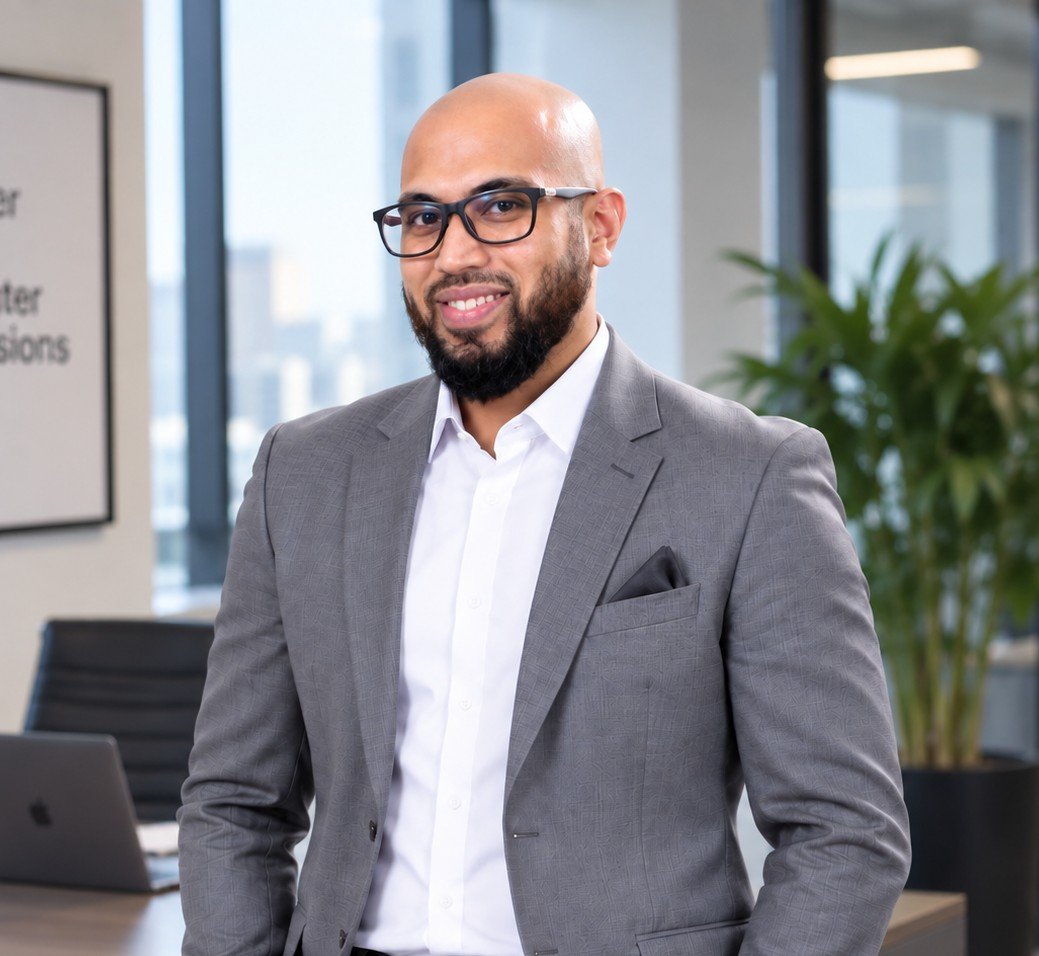
Nasehuddin Mohammed is the Co-Founder and Head of Technology at Zawjaan, where he leads product quality and the platform’s technological development. His work spans user experience and interface development, matchmaking strategies, and community-centred communication experiences designed to help Muslims build serious, marriage-minded connections.