



Meet Kidapawan Muslim Men Online
For Muslim women seeking Kidapawan Muslim men, reputable Muslim marriage websites offer a controlled environment to connect with brothers who share your intention for nikah. These platforms allow you to filter by location, religious practice, and family values, which is essential in a city where the Muslim community is close-knit and word travels fast. Create a profile that reflects your deen and your desire for a serious commitment, and use the site’s messaging features to get to know a potential spouse before involving your families.
Kidapawan Muslim Men for Marriage
In Kidapawan, marriage for Muslim men is both a personal commitment and a family affair. The community values religious compatibility, mutual respect, and the ability to provide for a household. For a Muslim woman, understanding that marriage here often involves close ties with extended family is key. Discussions about mahr, living arrangements, and future goals are typically approached openly, and both partners are expected to support each other’s spiritual growth while building a life together in this region of the Philippines.
Halal Dating with Kidapawan Muslim Men
Halal dating in Kidapawan means interacting with Muslim men within the boundaries set by Islam. This involves involving a mahram or a trusted guardian, keeping conversations purposeful and modest, and avoiding physical intimacy before nikah. Meeting in public spaces, such as halal cafes or during community events, is acceptable when done with the intention of assessing compatibility. The goal is not casual dating but a serious exploration of marriage, done with the knowledge and support of both families.
Islamic Nikah in Kidapawan
The Islamic nikah is the cornerstone of a Muslim marriage in Kidapawan. Local imams and Islamic scholars are available to conduct the ceremony, which requires the consent of the bride, the presence of witnesses, and the agreement on mahr. Many couples choose to have their nikah at a mosque or an Islamic centre, with a walima held afterwards to celebrate with family and friends. The process is straightforward but must be done with the proper intentions and in accordance with Shariah.
Halal Chat with Kidapawan Muslim Men
Halal chat with Kidapawan Muslim men should be conducted with respect and modesty. Use the chat features on the matchmaking platform to discuss topics like deen, lifestyle, and marriage expectations. Avoid private or flirtatious conversations, and keep the tone formal and purposeful. This is your opportunity to gauge his commitment to Islam and his readiness for marriage. Remember that everything you say can be shared, so choose your words wisely and seek to build trust through honesty.
Kidapawan Muslim Singles and Community Networks
Kidapawan Muslim singles gather at the city’s mosques, Islamic centres, and community events, making these venues natural places to meet potential partners. The Muslim community in Kidapawan is diverse, with Maranao, Maguindanao, and Tausug families, among others, each with their own customs. For a Muslim woman, family networks often play a significant role in introductions, but online platforms also connect you to brothers you might not meet otherwise. Be open to learning about different cultural backgrounds while remaining committed to your own values.
Marriage Proposals and Khitbah in Kidapawan
The proposal, or khitbah, in Kidapawan is a formal engagement that involves both families. After a brother expresses interest, his family will approach yours, often with a representative or an imam, to discuss the potential union. This is a time to clarify expectations, including mahr and future plans. For a Muslim woman, this is your opportunity to ask questions and state your conditions before agreeing. The proposal is a serious step, and it is wise to involve your parents and seek istikhara before accepting.
Physical Appearance of Kidapawan Muslim Men
When considering Muslim men from Kidapawan, take note of how they present themselves in terms of grooming and modesty. A man who takes care of his appearance, dresses neatly, and practices proper hygiene often reflects self-respect and a respect for others. His style may range from traditional to modern, but the key is that he looks presentable and adheres to Islamic guidelines of covering the aurah. Remember that beauty is relative and depends on personal preferences. Focus on what you truly want in a partner rather than societal standards.
Skin, Hair and Eye Colour
Skin, hair, and eye colour are physical traits that vary widely among Kidapawan Muslim men due to the diverse ethnic groups in the region. You may meet brothers with darker skin and brown eyes, common among the Lumad and Moro communities, or those with Arab or Chinese heritage. Hair texture also varies from straight to curly. These features are part of a person’s identity, but they should not be the basis for your decision. Instead, look for signs of good character and faith, which are more enduring than physical appearance.
Occupation and Profession
Occupation is an important consideration, as it affects a man’s ability to provide for a family. In Kidapawan, Muslim men work in diverse sectors, including agriculture, trade, government service, and education. Some are involved in the local banana and corn industries, while others run small businesses or work in the city’s growing services sector. When learning about a man’s profession, ask about his job stability, work hours, and how he balances career with religious obligations. His income should be sufficient to meet basic needs and pay mahr, but avoid measuring his worth solely by his salary.
Height
Height is often a matter of personal preference. The average height for Filipino men is about 5 feet 1 inch, but you may find Kidapawan Muslim men who are taller or shorter. If you prefer a man who is 5 feet 9 inches or approximately 175 centimetres, you may find such brothers, but be flexible. Remember that height does not determine a man’s ability to be a good husband or father. Focus on his character and faith rather than physical stature.
Ethnicity and Nationality
Ethnicity is a key aspect of identity for Kidapawan Muslim men. The city is home to Maranao, Maguindanao, Tausug, and other Moro people, each with their own language and customs. Some men may also have mixed heritage, reflecting the region’s history of trade and migration. When considering a potential spouse, learn about his ethnic background and how it shapes his family values and traditions. This will help you understand his expectations and ensure cultural compatibility, while remembering that faith is the most important bond.
Compatibility with Kidapawan Muslim Men
Marriage compatibility goes beyond physical attraction. It is about shared faith, goals, and a mutual understanding of what a marriage should look like. In Kidapawan, this means being on the same page regarding religious practice, family involvement, and your vision for the future. Use the questions in this guide to assess whether you and a potential partner are truly compatible in the ways that matter most.
Religious Alignment
Religious alignment is crucial when marrying a Muslim man. In Kidapawan, you may encounter men who are highly practicing, attending prayers regularly and fasting, as well as those who are more casual. Discuss how you both approach your faith, including your views on daily prayers, Ramadan, and the importance of Islamic education. Choose someone whose commitment level matches your own, and who will support your spiritual growth rather than hinder it.
Cultural Compatibility
Cultural compatibility involves understanding each other’s family traditions and expectations. Kidapawan Muslim men come from diverse backgrounds, with Maranao customs differing from Maguindanao or Tausug ones. Ask about his family’s traditions for weddings, celebrations, and daily life. Be open to learning about his culture, but also ensure that his practices do not conflict with your own values. A willingness to compromise and respect each other’s heritage is essential for a harmonious marriage.
Local Muslim Culture
The local Muslim culture in Kidapawan is influenced by the city’s position in Mindanao, where Islam has a long history. The community is tightly knit, with family honour and reputation playing a significant role. When you marry a Kidapawan man, you become part of his extended family and community. Respect for elders and hospitality are important values. Understanding these cultural nuances will help you navigate social expectations and build strong relationships with your new family.
Ideological Viewpoints
Within the Muslim community, there are varying ideological viewpoints about fiqh, politics, and social issues. Some Kidapawan Muslim men may follow traditional practices, while others may be more progressive or influenced by modern thought. Discuss your stances on key matters, such as gender roles, education, and involvement in the broader society. Find a man whose views align with yours, and who is open to respectful dialogue when you differ. This will help prevent conflicts later in your marriage.
Lifestyle Compatibility
Lifestyle compatibility means sharing similar habits and daily routines. This includes how you spend your leisure time, your cleanliness standards, and your approach to finances. In Kidapawan, many families enjoy outdoor activities, such as visiting parks or going to the public market, and rural communities may have a slower pace of life. Consider whether you prefer a city lifestyle or a more provincial one, and whether your dietary and social habits are aligned. These details affect your day-to-day happiness together.
Family Expectations
Family expectations play a significant role in Kidapawan marriages. Your future in-laws may expect you to live with them, especially if he is the eldest son, or they may be more independent. It is important to clarify these expectations early on. Discuss how you will divide responsibilities, support your parents in their old age, and raise children. Understanding what his family expects of you will help you adjust or negotiate respectfully, ensuring that you enter the marriage with your eyes open.
Marriage Goals
When you marry, you both commit to building a life together. Share your goals for the future, including where you want to live, what kind of family you hope to have, and how you want to grow spiritually. Some Kidapawan Muslim men may plan to stay in the city, while others may consider moving for work or education. Align your aspirations and work as a team. A marriage with common goals is more likely to succeed and bring you both contentment.
Relationship Expectations
Set clear expectations for your relationship before marriage. Discuss how you will communicate, handle disagreements, and show affection within Islamic boundaries. In Kidapawan, social norms dictate that couples are discreet, so even after marriage, you may be expected to maintain a certain public decorum. Agree on how you will balance your roles as partners, friends, and family members. This clarity will help you build a strong foundation for a loving and respectful marriage.
How to Find Muslim Men in Kidapawan
To find Kidapawan Muslim men for marriage, combine online efforts with offline networking. Use the matchmaking platform with location filters, but also ask your elders, attend community events, and visit the mosque. Be clear about your search and involve your wali. Patience is key, as finding the right person takes time.
1. Create a clear marriage profile
Phase 1: Profile CreationCreate a profile that highlights your faith and marriage intention. Add clear photos and describe your lifestyle. Be honest to attract sincere men.
2. Search locally and realistically
Phase 2: Local DiscoveryUse filters to focus on Kidapawan. Join specific groups or attend local events to meet men who are serious about marriage, not casual dating.
3. Begin respectful halal chat
Phase 3: Compatibility ScreeningStart with text messages. Keep them modest and purposeful, discussing religious and personal compatibility. Use the platform’s chat, not social media.
4. Arrange a public meeting
Phase 4: Face-to-Face CourtshipWhen ready, meet in a public place with a mahram. Choose a halal cafe or park in Kidapawan. Keep the meeting brief and focused on key questions.
5. Introduce both families
Phase 5: Family MeetingAfter mutual interest, arrange for your families to meet. Ask your parents to speak with his family. This is a formal step towards khitbah.
6. Prepare the legal documentation
Phase 6: Legal DocumentationBegin the legal process by obtaining a marriage license from the local civil registrar in Kidapawan. Some cities require pre-marriage seminars. Allow time for processing.
7. Complete the Islamic Nikah
Phase 7: Marriage ContractThe nikah ceremony is performed by an imam or an authorized religious leader. Ensure all requirements are met and the marriage is registered with the Muslim authorities.
Frequently Asked Questions
What do Muslim women need to know about the dating expectations of Kidapawan Muslim men?
Expect a serious, family-involved approach. Kidapawan men respect modesty and often involve their parents early. Communicate your expectations for halal dating and ask about his intentions from the start.
Where can Muslim women find Kidapawan Muslim men who are ready for marriage?
Beyond the matchmaking platform, check local mosques like the Kidapawan Mosque or Islamic centres. Attend Eid events or community gatherings. Family networks are also essential, as many brothers are introduced through relatives.
How do Muslim women evaluate a Kidapawan Muslim man's religious commitment?
Ask about his prayer habits, fasting, and community involvement. In Kidapawan, attending Jumu'ah regularly and being involved in Islamic events are good indicators. You can also ask his references or imam if appropriate.
What are the challenges Muslim women face when dating Kidapawan Muslim men?
Challenges include cultural differences, the influence of extended family, and limited public spaces for halal dating. Weather can also be an issue. Be patient and flexible, and maintain constant, respectful communication.
How can Muslim women ensure a halal courtship with a Kidapawan Muslim man?
Involve your wali from the beginning. Keep all meetings in public, with a mahram present. Avoid private chats or gatherings that might lead to temptation. Focus on useful conversations about deen and marriage.
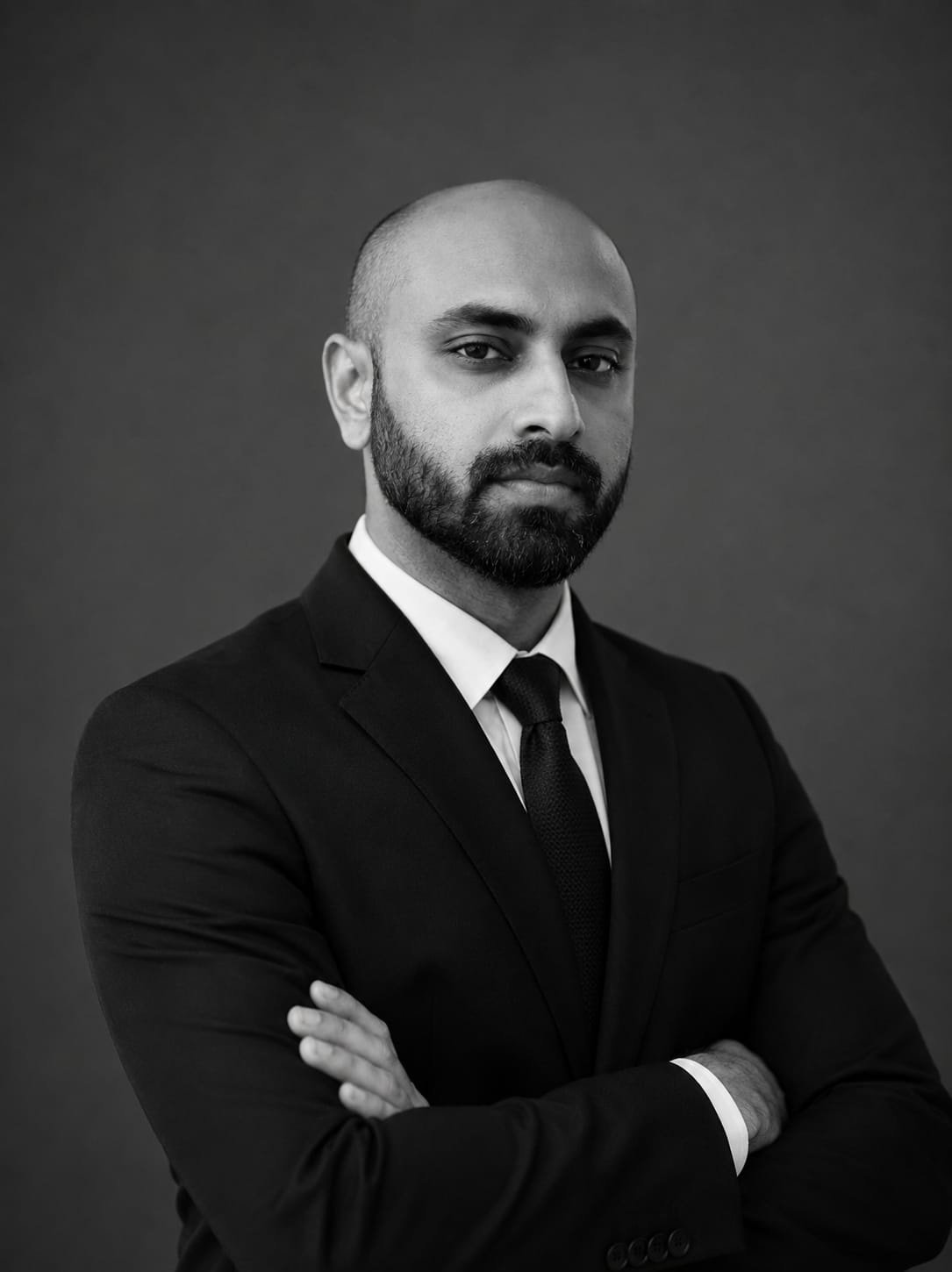
About the Author
Arfan Shariff is the Co-Founder and Head of Operations at Zawjaan, overseeing platform operations, public relations and strategic partnerships. Drawing on his experience in community engagement, Arfan helps shape Zawjaan's trusted, faith-centred and user-focused approach to Muslim matchmaking, promoting compatibility, authenticity and meaningful lifelong marriages.