


Serious Marriage Intent for Muslim Men in Palestine
Understanding the mindset of Palestinian Muslim men is essential. Many seek marriage as a serious commitment aligned with Islamic values.
In Palestine, marriage is often seen as a cornerstone of adult life, deeply rooted in faith and community. Men who approach marriage seriously are likely to involve their families early.
The challenging circumstances in Palestine often heighten a man’s sense of responsibility. He may be more intentional about finding a wife who shares his values and resilience.
Look for signals of seriousness, such as clear communication about intentions, willingness to involve families, and readiness to discuss the practicalities of married life.
A serious Palestinian man will not waste time. He will seek to move the relationship forward respectfully, with the goal of nikah in mind.
- Initiates conversations about marriage goals and timelines
- Involves his family early to show commitment
- Discusses financial readiness and living arrangements openly
- Shows patience and respect during halal communication
- Prioritizes deen and character in his search
How to Gauge His Seriousness
A man who is serious about marriage will be clear about his intentions from the start. He will avoid ambiguous relationships and seek to involve his wali appropriately.
Ask about his vision for married life, including family roles, religious practice, and future plans. His answers will reveal his maturity and commitment.
- Evaluate his consistency: Does he follow through on his words?
- Notice if he brings up marriage within a few conversations
- See if he is willing to discuss mahr and living arrangements
- Check if he introduces the idea of family involvement early
Palestinian Muslim Community Context for Men Seeking Marriage
The Palestinian Muslim community is diverse, with strong family ties and a shared history. These factors shape how men approach marriage.
Palestinian society values family unity and community support, which often extends to matchmaking. Knowing this helps you understand the environment a potential husband comes from.
Cities like Ramallah, Nablus, and Hebron each have distinct social dynamics. A man’s upbringing in a specific area may influence his expectations of married life.
Community events, mosque gatherings, and family networks are common ways marriages are initiated in Palestine. Online platforms have become additional avenues for serious matchmaking.
Understanding these community norms can help you assess whether a man is likely to be family-oriented and community-connected, as many Palestinian men are.
- Family reputation and community standing often matter
- Religious practice and Islamic knowledge vary by region
- Extended family involvement is the norm, not the exception
- Men may have strong ties to their hometown and family networks
Regional Differences in Palestine
In Ramallah, a more urban lifestyle may mean greater exposure to modern ideas, but religious values remain strong. Men from there might be open to a variety of living arrangements.
In contrast, Hebron is known for its deeply traditional culture. A man from Hebron may place a high premium on family approval and conservative norms.
Deen, Character, and Compatibility: What Palestinian Husbands Bring
A successful marriage hinges on shared faith and strong character. This section helps you evaluate a Palestinian man’s deen and compatibility.
Islam teaches that the best spouse is one with strong character and religious commitment. When assessing a potential Palestinian husband, look beyond surface appearances to his daily practice and values.
Compatibility means aligning on core beliefs, lifestyle choices, and family priorities. A man who prays regularly and seeks Islamic knowledge is likely to be more committed to his role as a husband.
His character is revealed in how he treats others, especially family and strangers. The Prophet ﷺ said the best of you are those who are best to their families.
Consider how he handles disagreements, manages stress, and shows kindness in challenging situations. These traits are crucial for a lasting marriage.
- Consistency in prayer and Islamic practice
- Honesty and transparency in communication
- Respect toward his parents and siblings
- Responsibility in his work and finances
- Patience and gentleness in daily interactions
Assessing Compatibility
Compatibility goes beyond nationality or cultural background. It is about shared Islamic principles, life goals, and emotional needs.
Discuss topics like religious practice, family planning, and career ambitions early on. This helps uncover potential conflicts before marriage.
Do not ignore red flags. If a man is dismissive of your deen or character concerns, consider that a warning.
- Identify your own non-negotiable values and deal-breakers
- Ask about his daily religious routine and how he manages Islamic obligations
- Talk about how you both handle stress and conflict
- Seek a man whose character is praised by those who know him
Family Expectations and Involvement for Palestinian Grooms
In Palestinian culture, family plays a pivotal role in marriage. Understanding these expectations helps you navigate the process with wisdom.
A Palestinian groom likely expects his family to be involved in the marriage process. This involvement is not disrespectful but a reflection of collective family life.
By Islamic teachings, a man needs his wali for the nikah, but in Palestine, the wider family often participates in negotiations and celebrations.
You may encounter expectations about roles, living arrangements, or even geography. Discuss these openly to avoid misunderstandings later.
Approach family meetings with respect and patience. Show that you value their input, while also communicating your own boundaries clearly.
- Family approval is often a prerequisite for marriage
- Mahr discussions are typically handled with the bride’s family
- Traditional values may influence gender roles and responsibilities
- Some families expect the husband to provide a separate home; others live as a joint family
Navigating Family Dynamics
If you are a Muslim woman, you are not alone; your own family will also be involved. Be prepared for ongoing interactions between both families.
Seek to understand the groom’s family values, as they will impact your married life. A respectful, honest relationship with your in-laws can ease the transition.
It is wise to discuss boundaries with your future husband before marriage. Agree on how much family involvement is healthy for your marriage.
- Establish clear communication with your own family about your preferences
- Meet the groom’s family in a halal, supervised setting
- Discuss expectations regarding living arrangements and support
- Agree on how to handle family disagreements that may arise
Halal Communication with a Palestinian Muslim Man
Communication between potential spouses must adhere to Islamic principles. This ensures the process is both productive and pleasing to Allah.
Halal communication involves respecting boundaries: no private meetings, no unnecessary physical contact, and no flirting. The goal is to assess compatibility for marriage, not to engage in casual relationship.
In Palestine, families often prefer that initial conversations are conducted with a third party present or through careful online platforms. Maintaining modesty is vital.
Men who are serious will respect these boundaries. If a man pushes for inappropriate communication, it is a clear sign he is not serious about a halal marriage.
Use this time to ask meaningful questions, but keep the interaction purposeful and within Islamic guidelines.
- Keep conversations respectful and focused on marriage
- Avoid sharing intimate details or being alone together
- Involve a mahram or trusted third party when appropriate
- Use platforms that emphasize halal matchmaking
Practical Tips for Sisters
As a woman, you might feel eager to learn about a potential husband. Yet, remember that maintaining your modesty is a form of worship and self-respect.
You can ask questions about his religious practice, his family, his career, and his views on gender roles. These are all legitimate topics for serious consideration.
If you sense that the conversation is drifting toward irrelevant or inappropriate topics, steer it back to the purpose of marriage. A true believer will appreciate that.
- Prepare a set of questions that matter to you for marriage
- Identify a third party who can join conversations if needed
- Limit online messaging to essential topics only
- Watch how he reacts when you set boundaries
Marriage-Focused Online Matchmaking for Palestinian Men
Online platforms like Zawjaan offer a halal way to connect with marriage-minded Palestinian men. This section explains how to use them effectively.
Dedicated Muslim marriage sites help you filter for seriousness and compatibility from the start. Zawjaan, for instance, is designed for purposeful matchmaking only.
When creating a profile, be honest about your intentions and preferences. This attracts men who are aligned with your values.
Do not share personal contact details until a respectful level of trust is established. Use the platform’s messaging until you are comfortable involving your families.
Online matchmaking should complement, not replace, traditional family involvement. Successful matches usually transition to family involvement quickly.
- Create a profile that clearly states your deen and family values
- Use search filters to narrow down to Palestinian men who are serious
- Communicate within the platform’s secure messaging system
- Arrange virtual or supervised meetings once there is mutual interest
- Involve your wali or family as soon as you feel ready
How Zawjaan Helps You Find a Palestinian Husband
Zawjaan understands the needs of Muslim women looking for a serious spouse. Its features support halal communication and family integration.
By using Zawjaan, you can connect with Palestinian men who share your commitment to Islam and marriage.
The platform encourages respectful behavior and discourages casual dating, aligning with Islamic principles.
Nikah Preparation for Palestinian Grooms: What Sisters Should Expect
Preparing for an Islamic nikah in Palestine involves clear conversations and practical steps.
A serious Palestinian husband will have thought about the nikah process. He will know the requirements in his area.
Mahr is a gift from the groom to the bride. It is a right that belongs to you, whatever amount is agreed.
Discuss the mahr openly and respectfully. A man who avoids this conversation may not be ready for marriage.
Your wali should be involved from an early stage. His role is to protect your interests and confirm the groom’s suitability.
- The Islamic marriage contract is a clear set of rights and responsibilities.
- Nikah can be performed in a mosque or at a family home with an imam.
- Keep documentation and religious obligations transparent.
- Preparation also includes planning the walima, the celebratory meal after the nikah.
Mahr Conversations with a Potential Husband
Mahr discussions can feel delicate. A sister should state her expectations calmly without embarrassment.
Palestinian families may have customary practices around mahr. Keep them separate from the religious right.
A reasonable mahr reflects the family’s means and the bride’s wishes. There is no fixed Islamic amount.
- Discuss mahr before the nikah, never leave it vague.
- Ask about prompt mahr versus deferred mahr if you prefer.
- Seek a fair amount that shows sincerity without causing hardship.
Walima and Family Gatherings
The walima is a sunnah meal hosted by the groom after the nikah. It celebrates the marriage publicly.
In Palestine, walima gatherings may range from simple home meals to larger events. The size often depends on family tradition.
Talk about what kind of celebration feels comfortable for both sides. Respect each other’s boundaries.
Palestinian Cultural Diversity and Family Traditions: Insights for a Wife
Palestinian society is diverse across regions, cities, and family histories.
Palestinians include Muslim families from cities, villages, and refugee communities. Customs and dialects vary.
Culture is not Islam. A husband’s family traditions may differ from your own without contradicting the deen.
Ask about his family’s regional customs. This shows you respect the background he comes from.
- Family ties are strong; expect regular visits and shared meals.
- Elders often play a key role in family decisions.
- Hospitality is valued; neighbours and relatives may call unexpectedly.
Respecting Regional Differences
Families from the West Bank, Gaza, and the diaspora may have different outlooks. Do not assume one tradition applies everywhere.
An urban husband from Ramallah may have different habits than one from a rural village. Learn about his world before judging.
Ask about his approach to community expectations. This reveals how independent or family-led his life choices are.
Palestinian Cuisine and Eid Customs: What a New Wife Should Know
Food and festivals are central to Palestinian family life.
Palestinian cuisine is rich and varied. Maqluba, musakhan, and knafeh are common dishes served at family occasions.
As a wife, you may be expected to share meals with his family. Showing interest in their food traditions builds bridges.
Eid in Palestine includes morning prayers, gifts for children, and visits to relatives. Dress is modest and often includes new clothes.
For men, Eid attire may include a thobe or smart shirt and trousers. Women often wear embroidered dresses or elegant modest wear.
- Learn a few staple dishes from his family if you can.
- Ask about his mother’s signature recipe; it opens conversation.
- At Eid, greetings endure: ‘Eid Mubarak’ from the heart.
Food Traditions in Palestinian Homes
Meals in Palestinian families are often large. Expect sharing from a central platter during casual gatherings.
Breakfast may be simple with za’atar and olive oil. Friday lunches are usually more elaborate for family gatherings.
Offer to help in the kitchen when appropriate. It signals respect for his mother and willingness to adapt.
Approaching Family and the Wali in Palestine: A Sister’s Guide
Involving the wali is not just a formality; it protects the marriage from future conflicts.
When a Palestinian man is serious, he will ask about your wali. This is a sign of respect and responsibility.
You can discuss religious compatibility before involving parents. But for the nikah, your wali must agree.
Palestinian families often expect the potential husband to meet the family formally. Be honest about expectations from both sides.
If a man resists meeting your family, view it as a caution sign.
- Choose a wali who is mature, responsible, and trusted by you.
- Arrange a first meeting in a public, dignified setting.
- Encourage your wali to ask about employment, deen, and character.
- Allow quiet time for your family to reflect before a decision.
What a Wali Looks For in a Potential Husband
Your wali will look for a man who prays, supports himself, and treats you with respect.
He may ask about his family background, education, and future plans. Answer honestly and calmly.
A good wali protects you from rushed decisions. Do not bypass him.
City and Location Differences in Palestine: Where Will You Live?
Where you live as a wife affects daily life, community, and access to services.
Ramallah is a busy urban centre with more cafés, shops, and NGOs. Many Palestinians work there in offices.
Hebron is more traditional and conservative. Family and community oversight is stronger.
Jerusalem has a unique importance and its own residency complexities. Legal status matters for living in the city.
Nablus is known for strong family networks and a vibrant old city.
- Ask about his daily commute and work routine.
- Check whether you will live with his family or separately.
- Understand the practicalities of water, electricity, and internet.
- Visit the area if possible before deciding.
Relocation and Long-Distance Planning
If he lives abroad or in another region, agree on the timeline and logistics of your move.
Long-distance marriage requires patience and clear communication. Set visible goals.
Regulation matters. Understand residency and travel pathways before nikah.
- Discuss where you will live after marriage.
- Set a mutually agreed timeline for relocation.
- Plan finances for the move together.
- Prepare for paperwork and legal requirements early.
Marriage Readiness and Practical Next Steps for Palestinian Men
Assessing readiness protects you from disappointment.
A marriage-ready man communicates clearly about his job, housing, and family plans.
He does not hide open debts or depend entirely on relatives for income.
Ask about his daily prayer and religious practice. Consistency matters more than perfection.
Together, you should agree on how children will be raised. Disagreements later break hearts.
- Check if he has taken time to know you as a person beyond looks.
- Discuss his views on household responsibilities and shared decisions.
- Trust your instincts; if something feels rushed, take a step back.
- Use platforms like Zawjaan to keep the search halal and structured.
Questions Sisters Should Ask Palestinian Grooms
Good questions reveal a man’s values. Ask about his long-term goals, not only his job title.
Ask how he deals with conflict in his family. His answer shows emotional maturity.
Ask about his relationship with his mother and sisters; it often predicts how he will treat you.
- What does your typical day look like from prayer to work?
- How do you plan to spend your free time after marriage?
- Where do you see yourself in five years as a husband?
- How do you handle disagreements with your spouse?
- Who will make major household decisions and how?
How to Assess Palestinian Muslim Men for Marriage
A marriage-focused process for Muslim women assessing a Palestinian Muslim man in Palestine for serious Islamic marriage.
- Confirm serious marriage intention: Clarify that the Palestinian Muslim man is seeking marriage rather than a casual relationship, and establish clear halal communication boundaries from the beginning.
- Assess deen and character: Consider religious commitment, honesty, temperament, responsibility and consistency, rather than relying only on attraction or online conversation.
- Involve family or wali appropriately: Bring trusted family members or a wali into the process at a suitable stage so intentions, character and practical expectations can be assessed transparently.
- Discuss marriage expectations: Talk clearly about mahr, finances, work, housing, family roles, children, location and other responsibilities that could affect long-term compatibility.
- Agree the route towards Islamic nikah: If compatibility is strong, agree practical next steps for family discussions, any necessary civil requirements and preparation for an Islamic nikah.
Frequently Asked Questions
What mahr is customary for Palestinian brides?
Palestinian customs around mahr vary by family and region. Gold jewellery or cash are both accepted. The mahr is your Islamic right, so agree on a clear amount and record it in the marriage contract.
How involved are Palestinian families in marriage decisions?
Family involvement is generally high. Palestinian men often seek parental approval before proceeding. A serious husband will involve his family early and respect your wali’s involvement.
Is it acceptable for a sister to meet a Palestinian man over video calls first?
Yes, halal communication for serious marriage is permitted. Keep conversations purposeful and centred on compatibility, with a third party present if you prefer. Zawjaan encourages structured video calls.
What are the main challenges of living in Palestine after marriage?
Access to healthcare, checkpoints, and limited infrastructure can be difficult. The cost of living and employment prospects vary by city. Discuss these realities openly with your potential husband.
How can I tell if a Palestinian man is marriage-minded?
He will ask about your future, involve his family, and speak about marriage directly. He respects your wali and proposes a clear timeline for nikah. Zawjaan’s profile indicators for ‘Serious Marriage’ help filter intentions.
What should I do if his family expects me to live with them?
Clarify living arrangements before the nikah. If you need privacy, express it respectfully. Compromise is possible, but both spouses must agree willingly.
About the Author
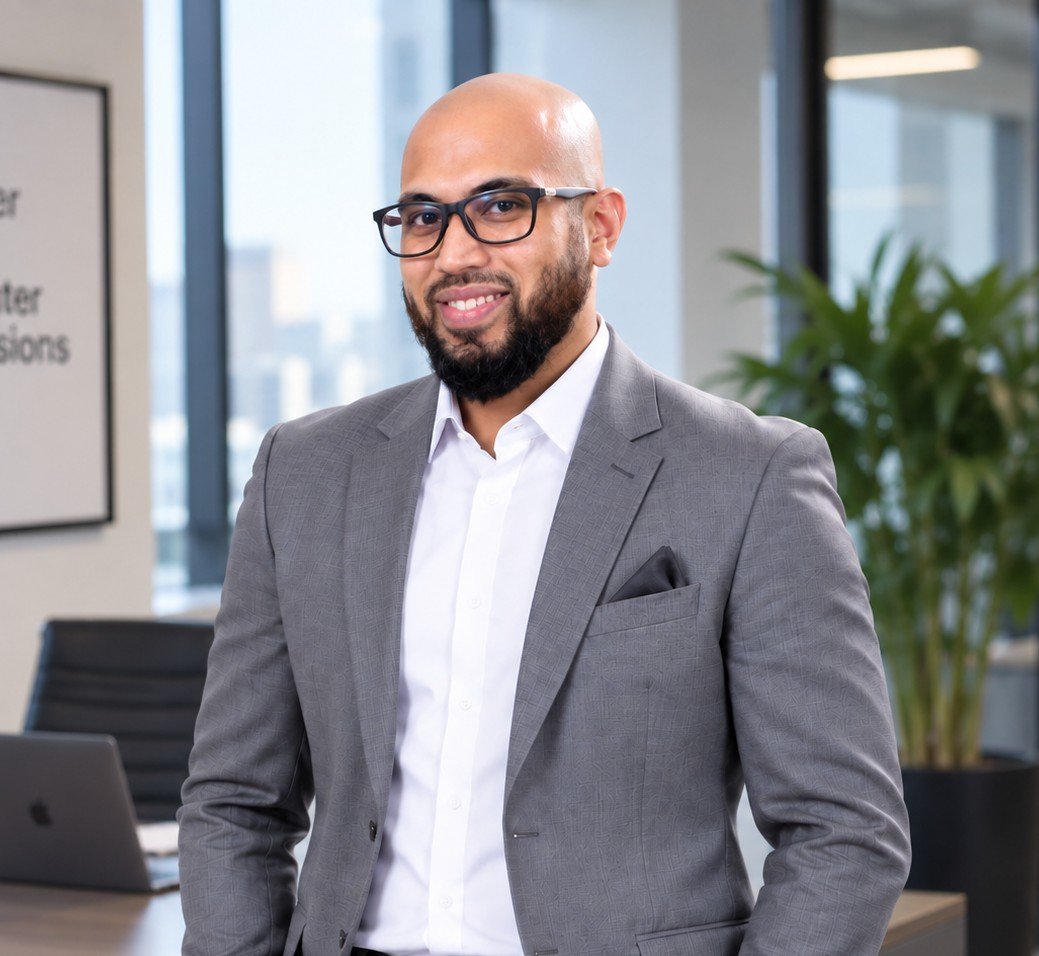
Nasehuddin Mohammed is the Co-Founder and Head of Technology at Zawjaan, where he leads product quality and the platform’s technological development. His work spans user experience and interface development, matchmaking strategies, and community-centred communication experiences designed to help Muslims build serious, marriage-minded connections.