

Meet Khasab Muslim Men Online
For Muslim women in Khasab, meeting Muslim men online has become a practical way to find a serious partner. Platforms like Zawjaan allow you to filter profiles based on faith, profession, and family values. Many Khasab Muslim men are open to online introductions, especially those working in the shipping or fishing industries who value efficient communication. When connecting online, always maintain modesty and involve a mahram if possible. Focus on meaningful conversations about marriage intentions, lifestyle goals, and religious practice before arranging a meeting.
Khasab Muslim Men for Marriage
Marriage holds deep significance in Khasab's Muslim community. For Muslim women, marrying a Khasab Muslim man often means embracing a life connected to the sea and local traditions. Families play a central role in the process, with marriage seen as a union of two families. Local imams at mosques like the Grand Mosque of Khasab offer premarital counselling and guidance on Islamic marriage. Understanding each other's expectations regarding residence, finances, and family involvement is essential before making a commitment.
Halal Dating with Khasab Muslim Men
Halal dating in Khasab focuses on getting to know a potential spouse within Islamic boundaries. Muslim women can meet Khasab Muslim men in public settings, such as cafes or parks, often with a chaperone. The key is to keep interactions respectful and goal-oriented, discussing topics like religious practice, career aspirations, and family plans. Avoid physical intimacy and maintain modesty in speech and dress. Halal dating is not about casual romance but about evaluating compatibility for a lifelong Nikah.
Islamic Nikah in Khasab
The Nikah ceremony in Khasab is a sacred and joyous occasion. For Muslim women, understanding the process is vital. The Nikah is typically conducted by a Qadi or an imam at a mosque, such as the Al Buraimi Mosque, which serves the Sunni community. The marriage contract requires the consent of the bride, two male witnesses, and a mahr (dower) agreed upon by both parties. In Oman, the Nikah is legally recognised, but couples must also register the marriage with the civil authorities. Many families in Khasab celebrate with a simple gathering, followed by a walima hosted by the groom.
Halal Chat with Khasab Muslim Men
Halal chat with Khasab Muslim men should be purposeful and respectful. Use platforms that offer video calls and text messaging while maintaining Islamic etiquette. Discuss topics like religious values, family expectations, and daily life in Khasab. Avoid lengthy private conversations without involving a wali. Many couples benefit from using group chats with family members to build trust. Remember that the goal of halal chat is to determine whether you are compatible for marriage, not to develop an emotional attachment outside of Nikah.
Khasab Muslim Singles and Community Networks
Khasab offers several ways for Muslim women to meet eligible Muslim men. The local Muslim community is close-knit, and introductions often happen through family networks, friends, or community events. Mosques like the Grand Mosque of Khasab host religious classes and gatherings where singles can meet in a respectful environment. Additionally, online platforms like Zawjaan cater specifically to Muslim singles, allowing you to search for Khasab Muslim men who share your values and aspirations. Participating in community iftars during Ramadan can also provide opportunities for halal introductions.
Marriage Proposals and Khitbah in Khasab
In Khasab, the proposal, or khitbah, is a formal step governed by tradition and faith. When a Muslim man expresses interest, he typically approaches the woman's family or sends a representative. For Muslim women, it is important to involve your wali in this process. The proposal should clearly state intentions, discuss the mahr, and outline future plans. Families often exchange gifts, such as dates and sweets, as a sign of goodwill. Khitbah is not a binding contract, but it is a serious commitment to pursue marriage. Take time to pray istikhara and seek counsel before accepting.
Physical Appearance of Khasab Muslim Men
Physical attraction is considered in marriage, but it is not the sole criterion. In Khasab, Muslim men often look for a partner who presents herself with modesty and dignity. Appearance includes grooming, dressing modestly, and carrying oneself with confidence. Remember that beauty is relative and depends on personal preferences. Focus on what you truly want in a partner rather than societal standards.
Skin, Hair and Eye Colour
Skin, hair, and eye colour can vary greatly among Khasab Muslim men due to diverse ethnic backgrounds. Some have fair complexions, while others are darker. Hair colours range from black to brown, and eye colours may include brown, hazel, or even green. These physical traits are secondary to character and faith. When considering a potential spouse, focus on their inner beauty and religious devotion, not superficial attributes.
Occupation and Profession
Khasab's economy is driven by fishing, shipping, and increasingly tourism and trade. Many Muslim men work as fishermen, port workers, or in maritime industries. Others are employed in government services, healthcare, or education. Some run small businesses or work in the growing tourism sector. When evaluating a potential match, consider his career stability and how his occupation aligns with your lifestyle goals. A man who values hard work and provides for his family is highly regarded in the community.
Height
Height preferences vary among Muslim women. While some women prefer taller men, others value other qualities. The average height of Khasab Muslim men is around 5 feet 9 inches or approximately 175 centimetres. This height is considered average in Oman. Remember that height is not an indicator of a good husband; compatibility in faith and character matters more. Keep an open mind and focus on the man's overall qualities.
Ethnicity and Nationality
Khasab is home to a diverse Muslim community, including ethnic Omanis, Baluchis, and people of South Asian descent. Many families have lived in the region for generations, while others are newer arrivals. Ethnicity can influence cultural practices, but in Islam, all believers are equal. When considering a Khasab Muslim man, respect his cultural background and understand how it may shape his family traditions. Unity in faith is the foundation of a strong marriage, so focus on shared Islamic values rather than ethnic differences.
Compatibility with Khasab Muslim Men
Compatibility is crucial for a successful marriage. In Khasab, Muslim women should look for men who share their core values and life vision. This includes alignment in religious practice, cultural expectations, and personal goals. Assessing compatibility early can prevent conflicts later. Use the early stages of communication to discuss important topics openly and honestly.
Religious Alignment
Religious alignment is the most important factor in a Muslim marriage. Khasab Muslim men who practice their faith regularly, pray five times a day, and observe Islamic etiquette are often preferred. Discuss your level of religiosity, including adherence to sunnah and involvement in the mosque community. Compatibility in religious practice reduces misunderstandings and strengthens the bond between spouses. Ask about his religious goals and how he envisions raising children in Islam.
Cultural Compatibility
Cultural compatibility involves aligning values, traditions, and family expectations. Khasab's culture is influenced by Omani customs and Islamic principles. A man who values respect for elders, hospitality, and community ties will likely have similar expectations. Discuss how you will navigate cultural practices, such as festivals, dress codes, and family gatherings. Being open to each other's cultural nuances fosters harmony and mutual respect.
Local Muslim Culture
The local Muslim culture in Khasab is deeply rooted in the sea and tribal heritage. Men often participate in communal activities like fishing and traditional dhow races. They place great importance on family honour and community reputation. Understanding these cultural aspects helps Muslim women appreciate their partner's background. Engaging with local customs, such as attending weddings and religious events, can strengthen your bond. Respect for local traditions is essential for a harmonious relationship.
Ideological Viewpoints
While most Khasab Muslim men follow Sunni Islam, there can be differences in ideological viewpoints regarding jurisprudence or social issues. It is important to discuss your religious approach, such as adherence to a particular madhab. Respectful dialogue on topics like music, dress, and gender roles can reveal compatibility. Remember that the Quran and Sunnah are the ultimate guides. Seek a man who is open-minded and willing to learn.
Lifestyle Compatibility
Lifestyle compatibility involves daily habits, leisure activities, and health practices. Khasab offers outdoor activities like hiking in the mountains or swimming in the fjords, which some men enjoy. Others prefer quiet evenings with family. Consider whether your lifestyles align, such as socializing habits, dietary preferences, and financial management. A simple lifestyle based on Islamic principles often leads to a contented marriage. Discuss your expectations for daily routines and weekend activities.
Family Expectations
In Khasab, family plays a central role in marriage. Muslim men often expect their wives to maintain close ties with their in-laws and participate in family events. Discuss how often you will visit relatives and how involved they will be in your daily life. Some couples prefer to live independently, while others value joint family living. Clear communication about these expectations prevents misunderstandings later. Respect for your future husband's family is crucial.
Marriage Goals
Marriage goals encompass your shared vision for the future, including finances, children, and spiritual growth. Khasab Muslim men often aspire to own a home, raise children with Islamic values, and maintain a strong family unit. Discuss your career aspirations, whether you wish to work after marriage, and how you will manage household responsibilities. Setting shared goals helps you work as a team. Regularly revisit these goals to ensure you remain aligned.
Relationship Expectations
Relationship expectations include communication styles, emotional support, and conflict resolution. In Khasab, Muslim men often value a wife who is supportive and understanding. They may expect a traditional division of roles, but many are open to modern sharing of responsibilities. Discuss how you will handle disagreements and how much alone time you need. Mutual respect and patience are key. Maintaining a strong connection with Allah strengthens your bond.
How to Find Muslim Men in Khasab
Finding Khasab Muslim men for marriage can be done through community connections, family referrals, and online platforms like Zawjaan. Attend local mosque events or weddings to expand your network. Use Zawjaan's search filters to narrow down profiles based on your criteria. Always involve your family in the process and prioritise trust and transparency.
1. Create a clear marriage profile
Phase 1: Profile CreationCreate a profile that highlights your faith, family values, and marriage intentions. Include clear photos and be honest about your background.
2. Search locally and realistically
Phase 2: Local DiscoveryUse search filters on Zawjaan to find Khasab Muslim men. Specify your preferences for age, profession, and religiosity.
3. Begin respectful halal chat
Phase 3: Compatibility ScreeningEngage in halal chat by discussing Islamic values, lifestyle, and marriage expectations. Keep conversations respectful and involve your wali.
4. Arrange a public meeting
Phase 4: Face-to-Face CourtshipPlan public meetings in safe venues like cafes or parks. Bring a chaperone and avoid private or secluded settings.
5. Introduce both families
Phase 5: Family MeetingIntroduce your families early. Arrange a meeting where both families can get to know each other in a respectful environment.
6. Prepare the legal documentation
Phase 6: Legal DocumentationIn Oman, after Nikah, register your marriage with the civil authorities. Prepare required documents like passports and birth certificates.
7. Complete the Islamic Nikah
Phase 7: Marriage ContractArrange the Nikah with an imam or Qadi at a mosque. Ensure the contract includes mahr and witnesses, and celebrate with a walima.
Frequently Asked Questions
How can Muslim women meet Khasab Muslim men for serious marriage?
You can join Zawjaan and use filters to connect with Khasab Muslim men. Also, attend events at the Grand Mosque of Khasab or ask family and friends for introductions.
What qualities do Khasab Muslim men typically look for in a wife?
They usually seek a wife who is devout, modest, family-oriented, and respectful of Omani culture. Many value a supportive partner who shares similar marriage goals and understands the importance of community.
Is it acceptable for Muslim women to use online platforms to find Khasab Muslim grooms?
Yes, online matchmaking is permissible when done with proper intentions and boundaries. Use halal chat, involve a wali, and transition to family involvement once compatibility is established.
What should Muslim women know about the Nikah process for Khasab Muslim men?
The Nikah is a simple contract requiring consent, witnesses, and mahr. It is recommended to involve an imam from local mosques like Al Buraimi Mosque and register the marriage civilly in Oman.
How can family involvement help Muslim women when marrying a Khasab Muslim man?
Family involvement ensures that both families are comfortable and provides a support system. Early introductions and open communication help align expectations and prevent future conflicts.
About the Author
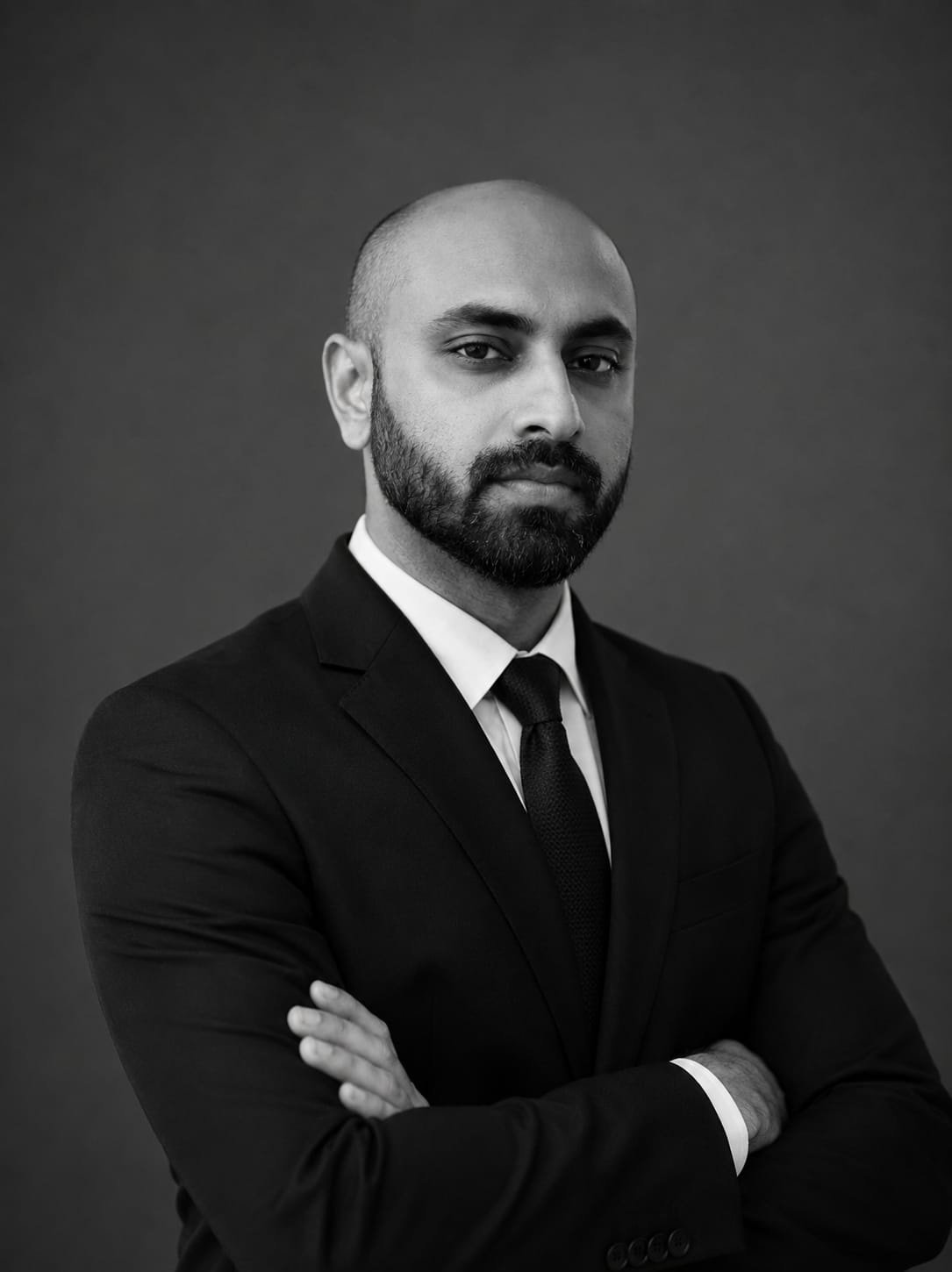
Arfan Shariff is the Co-Founder and Head of Operations at Zawjaan, overseeing platform operations, public relations and strategic partnerships. Drawing on his experience in community engagement, Arfan helps shape Zawjaan's trusted, faith-centred and user-focused approach to Muslim matchmaking, promoting compatibility, authenticity and meaningful lifelong marriages.