

Serious Marriage Intent Among Norwegian Muslim Men
Marriage in Norway is a deliberate step for most Muslim men, often taken after education and financial stability are in place. Sisters can expect a direct and respectful approach.
Norwegian Muslim men typically view marriage as a lifelong commitment rooted in Islamic values. Many seek a partner who shares their deen and understands the cultural diversity within Norway’s Muslim community.
The process is often formal and involves family from the start. A man serious about nikah will introduce the topic early and involve his parents or a trusted elder.
In Oslo and larger cities, men may be career-focused but still prioritise marriage. In smaller towns, a more traditional approach is common, with family networks playing a bigger role.
Look for consistency between his words and actions. A serious man will make time for you within halal boundaries and will not delay the process unnecessarily.
- Express clear intention for marriage within the first few conversations
- Invite you to meet his family or a wali early in the process
- Discuss practical matters like housing, work and future plans
- Avoid prolonged secrecy or reluctance to involve family
Signs of a serious potential husband
A serious man will be transparent about his job, education and religious practice. He will ask about your expectations and share his own without hesitation.
He will also show respect for your family’s role. In Norway, Muslim families often appreciate a groom who communicates directly and respectfully with the wali.
- He initiates contact with your family or wali
- He asks about your deal-breakers and shares his
- He suggests checking compatibility through structured conversations
The Norwegian Muslim Community and Its Men
Norway’s Muslim community is diverse, with roots in many countries. Understanding this diversity helps sisters find a compatible husband.
Muslims in Norway come from various backgrounds, including Somali, Pakistani, Turkish, Arab and convert communities. This diversity enriches the community but also means expectations vary.
In Oslo, several mosques and Islamic centres host events where families meet. Attending such gatherings can give sisters insights into the local marriage culture.
Norwegian-born Muslim men often blend Islamic values with Scandinavian norms like gender equality and direct communication. This can be a benefit or a challenge depending on your own expectations.
Respect for culture is important, but deen should be the primary measure of compatibility. A man’s character and practice matter more than his ethnic background.
- Mosque events and Islamic seminars in Oslo
- Family networks and introductions through relatives
- Online platforms focused on Muslim marriage
- Community centres in cities like Bergen, Trondheim and Stavanger
Cultural diversity without stereotypes
Avoid assumptions based on a man’s family origin. Instead, focus on his individual relationship with Islam and his approach to marriage.
Discuss both of your expectations regarding culture, extended family and religious practice early to avoid surprises later.
Deen and Character: What Norwegian Muslim Women Should Look For
Religious commitment and character quality are the foundation of a successful Islamic marriage. Here is how to evaluate a Norwegian Muslim man’s deen.
Consistency in prayer and honesty in daily interactions are strong indicators of a man’s character. Ask about his involvement in the local Muslim community and how he balances faith with work.
Compatibility in deen does not mean identical practice. It means shared values regarding prayer, fasting, and the role of Islam in family life.
Consider how he speaks about his parents and siblings. Respect for family is a strong sign of character and reflects how he will treat a wife.
Observe his conduct over time. A man who is serious about deen will show patience, kindness and a willingness to learn.
- Assess his commitment to daily prayers
- Ask about his understanding of Islamic marriage rights
- Note how he interacts with elders and women in his family
- Seek references from trusted community members if possible
Compatibility beyond checklist
While a checklist helps, compatibility also involves shared life goals. Discuss where you want to live, how you plan to raise children and your expectations regarding extended family.
In Norway, many couples negotiate roles with a balance of Islamic principles and modern practicality. Be clear about your own needs.
Family Expectations and Involvement for Norwegian Grooms
Family plays a central role in Islamic marriage. Understanding the expectations of Norwegian Muslim families helps sisters navigate the process smoothly.
In Norway, Muslim families may vary in their conservatism. Some are very traditional, expecting the groom’s family to propose formally, while others are more open to modern approaches.
A potential husband who values family involvement will naturally want his parents to meet you. This is a positive sign of seriousness.
Be prepared that Norwegian Muslim families might respect direct communication and honesty over formalities. Yet, politeness and modesty remain key.
Discuss with the man how he envisions family dynamics after marriage, including visits, holidays and financial support to parents.
- Groom’s family may expect an initial meeting in their home
- Ask about the wali’s role from the groom’s perspective
- Clarify expectations about cultural traditions within nikah
- Understand his obligations to his parents after marriage
Approaching the family
When meeting his family, dress modestly and greet with salaam. Show respect for elders and ask questions about their expectations.
If the man is serious, he will guide you through the family’s preferences. Do not hesitate to ask him how his parents view things like education, career, or relocation.
- Offer a polite introduction and express honour in meeting them
- Ask about their family’s values and traditions
- Discuss your own family’s expectations respectfully
- Seek clarity on how involved they expect to be after marriage
Halal Communication with Norwegian Muslim Men
Purposeful, respectful communication is the foundation of a halal relationship. Learn how to navigate conversations with potential husbands in Norway.
Halal communication means avoiding secret meetings and flirting. Instead, conversations should be purposeful and conducted with the awareness that marriage is the goal.
Use a wali or family member as a channel when needed. Many Norwegian Muslim men appreciate this as it shows seriousness and respect.
Discuss important topics like character, career, living arrangements and religious practice. Avoid ambiguous or idle chit-chat that may lead to fitnah.
Be mindful of ‘sahiplenmek’ – the natural desire to form an emotional connection. Keep interactions within Islamic boundaries.
- Begin with introductions and state your intention to seek marriage
- Include a third party in conversations when possible
- Keep topics respectful and relevant to evaluating compatibility
- Avoid late-night or private messaging that could compromise modesty
Practical tips for sisters
If you are in Oslo or another city, consider meeting in a public place with a chaperone. This is both safe and halal.
Take your time. A man who respects your boundaries is a positive sign.
Marriage-Focused Online Matchmaking for Norwegian Muslims
Online platforms like Zawjaan offer a practical way to meet marriage-minded Muslim men in Norway. Use them wisely.
Zawjaan connects serious singles with the goal of nikah. When creating a profile, be honest about your expectations, deal-breakers and your view on relocation.
Norwegian Muslim men on such platforms often appreciate clarity. State that you are seeking a husband, not casual chat.
Use the platform’s features to filter for men who have been verified or who share your religious values. This saves time.
Be wary of catfishing. Request video calls early and involve your wali once you find a potential match.
- Create a detailed profile that reflects your deen and values
- Use search filters for location, religiosity and marital intentions
- Initiate contact with a polite message about a shared profile aspect
- Move to a phone call or video meeting after initial compatibility check
Zawjaan success stories
Many women have found their Norwegian Muslim husbands on Zawjaan. These unions often begin with intentional conversations and lead to family meetings within weeks.
Use the platform as a tool, not a substitute for proper vetting. Always involve your family or wali before making a decision.
Norwegian Nikah and Mahr: What Muslim Men Should Arrange Before Marriage
Understanding the Islamic marriage contract in a Norwegian context helps you assess a man’s seriousness and preparation.
The nikah is the core of Islamic marriage. In Norway, many couples also complete a civil registration for legal recognition. A responsible groom arranges both.
Mahr is a gift from the groom to the bride. It can be money, jewellery, or something meaningful. Discussing it openly shows respect and commitment.
A clear mahr agreement protects the bride and reflects the groom’s financial attitude. Ask how he proposes to fulfil it and when.
Some Norwegian mosques offer marriage services and can provide guidance. A serious man will involve his imam or a trusted scholar if needed.
- Confirm that he intends to perform the nikah in line with Islamic requirements, with witnesses and a wali if applicable
- Discuss mahr openly and ensure it is specified in the marriage contract
- Check whether he has considered the legal requirements for marriage in Norway, such as civil registration
- Ask whether he will involve an imam or mosque to officiate or witness the nikah
Mahr discussions with Norwegian Muslim men
Many Norwegian Muslim men have flexible views on mahr. Some suggest a simple amount, while others prefer something symbolic. You can agree on what is fair.
A groom who dismisses mahr entirely may not fully understand his Islamic duty. Treat this as a sign for further conversation rather than an automatic disqualifier.
If you are unsure about reasonable mahr levels in Norway, speak with older married sisters or an imam for guidance.
- Discuss mahr before the nikah so there is no ambiguity
- Decide the form and timing of mahr payment clearly
- Remember that mahr reflects his financial responsibility
Norwegian Muslim Men and Cultural Diversity: Beyond Stereotypes
Norwegian Muslim communities include people from many backgrounds. A fair evaluation looks at faith and character rather than ethnicity.
Norway is home to Muslim men from Pakistani, Somali, Turkish, Arab, Balkan, and convert backgrounds. Culture shapes habits but not necessarily faith.
Avoid assuming that nationality equals religiosity or compatibility. A man’s understanding of Islam and his personal values matter far more.
Ask about his family traditions, but evaluate whether he practices Islam consistently. This helps prevent surprises after marriage.
A serious man will acknowledge cultural differences and work with you to build a shared family culture.
- Learn about his cultural upbringing but focus on his deen and character
- Check how he handles differences in food, dress, or celebration
- Notice whether he respects your cultural background without expressing superiority
When culture and religion conflict
Some traditions, such as arranged cousins marriages or strict dress codes, may clash with Islamic principles. A Muslim man in Norway should place Islamic values first.
If a potential husband insists on cultural practices that contradict the Shariah, consider it a red flag. Faith should guide his decisions.
Discuss sensitive topics like family authority, finances, and children’s upbringing before committing.
- Clarify that Islam takes precedence over cultural norms
- Ask how he would handle disagreements with extended family
- Ensure both of you agree on core Islamic practices
Norwegian Cuisine and Eid Traditions: What to Expect When Marrying a Muslim Man
Food and Eid celebrations in Norway blend Nordic and Muslim customs. Knowing these helps you gauge his expectations for family life.
Norwegian Muslim households often serve halal versions of traditional dishes like lamb stew, rice, and flatbread alongside Scandinavian favourites.
During Ramadan, iftar may include dates, soups, and grilled meats. Eid al-Fitr often features biryani, kebabs, and sweet pastries.
A man who shares cooking responsibilities may be more family-oriented. Ask about his favourite dishes and whether he can cook.
Eid dress for men typically includes smart clothes, sometimes a traditional tunic or suit. Modest and neat attire is appreciated during communal prayers.
- Ask about his mother’s or family’s special Eid dishes
- Inquire whether he prefers Norwegian or multicultural cuisine at home
- Discuss how he plans to celebrate Eid with his future wife and children
Eid gatherings and family expectations
Eid in Norway often includes community prayers, visits to relatives, and festive meals. Some men expect large gatherings, while others prefer intimate celebrations.
Discuss with a potential husband how much family involvement you both want. He should be willing to balance both families’ expectations.
If he lives far from his extended family, technology like video calls may play a role in Eid greetings.
- Clarify who will prepare Eid meals and host guests
- Decide whether you will celebrate separately or together with families
- Talk about gifts for children and relatives
Approaching Family and Parents: What a Norwegian Muslim Husband Should Do
A man’s attitude toward his family and yours reveals his maturity and respect. This is crucial for a healthy marriage.
A serious suitor will seek your family’s blessing. In Norway, this may involve a formal visit or a respectful conversation with your wali.
He should be willing to meet your parents, explain his intentions, and present himself politely. This shows that he values family involvement.
Discuss boundaries: how often to visit in-laws, involvement in decision-making, and financial responsibilities towards relatives.
If he avoids family meetings or dismisses your parents’ concerns, consider it a warning.
- Arrange a proper introduction through your family or a trusted intermediary
- Discuss the role of the wali in your marriage process early on
- Agree on respectful ways to resolve any objections from either side
- Set clear boundaries regarding family interference after marriage
When families are far away
If your family lives outside Norway, a husband should still make an effort to communicate with them via video calls or visits.
He should also maintain healthy ties with his own relatives without letting them dictate your private life.
Long-distance family relationships require planning and understanding from both partners.
- Establish how often you will travel to see family
- Discuss expectations for hosting family guests
- Ensure both of you agree on major decisions like moving or buying a home
Norwegian Cities and Relocation: What a Muslim Husband Should Consider
Where a man lives affects daily Muslim life. Consider community size, mosque access, and job opportunities when evaluating him.
Oslo has the largest Muslim community, with many mosques and halal shops. Muslim women may feel more comfortable in such an environment.
Cities like Bergen, Trondheim, Stavanger, and Kristiansand also have smaller but active Muslim communities and prayer spaces.
A man who lives in a remote area may need to travel for halal food or Eid prayers. Ask how he manages his religious needs there.
Relocation for marriage is common in Norway. Clarify where he intends to live and whether he is open to moving for your needs.
- Ask about his daily access to halal food and prayer facilities
- Inquire about local Muslim schools or weekend classes for future children
- Discuss his willingness to move closer to family or a larger community
Relocation considerations for sisters
If moving to a new Norwegian city, consider job prospects, social support, and access to halal groceries. A husband should be supportive of your adjustment.
Some sisters move from abroad, requiring immigration processes. A serious groom will help navigate paperwork and settlement.
Discuss support networks, such as a local mosque or community groups, to ease the transition.
- Check housing security and job stability in his city
- Explore the local Muslim community together before deciding
- Ask about his plan for your integration, including language courses if needed
Marriage Readiness and Next Steps: Assessing a Norwegian Groom
Evaluating a man’s readiness for marriage involves practical, emotional, and spiritual factors. This guide helps you make a sound choice.
A marriage-ready man has a stable income, clear goals, and emotional maturity. He is not solely dependent on his parents but remains respectful of them.
He demonstrates responsibility toward daily prayers and Islamic conduct. Ask about his daily routine, social circles, and commitment to learning religion.
A serious groom initiates pre-marriage consultations, such as meeting with an imam or joining a matchmaking platform like Zawjaan.
Practical steps include discussing finances, household responsibilities, and future children’s upbringing before engagement.
- Assess his financial stability, including housing and debt levels
- Evaluate his emotional maturity and conflict-resolution style
- Confirm his Islamic practice, such as regular prayers and fasting
- Agree on a timeline for marriage and after-wedding plans
- Involve family and an imam or trusted advisor in the final decision
Using Zawjaan for Norwegian marriage-minded men
Zawjaan is designed for serious Muslim marriage. A man who uses the platform for intentional matchmaking shows that he values purposefulness.
During chats, observe his etiquette and respect. Ensure he communicates within halal boundaries, without engaging in inappropriate talk.
Take time to know him while involving your wali and family at appropriate stages.
- Create a profile that clearly states your intentions and preferences
- Use structured conversations to assess compatibility
- transition to family involvement after mutual interest
How to Assess Norwegian Muslim Men for Marriage
A marriage-focused process for Muslim women assessing a Norwegian Muslim man in Norway for serious Islamic marriage.
- Confirm serious marriage intention: Clarify that the Norwegian Muslim man is seeking marriage rather than a casual relationship, and establish clear halal communication boundaries from the beginning.
- Assess deen and character: Consider religious commitment, honesty, temperament, responsibility and consistency, rather than relying only on attraction or online conversation.
- Involve family or wali appropriately: Bring trusted family members or a wali into the process at a suitable stage so intentions, character and practical expectations can be assessed transparently.
- Discuss marriage expectations: Talk clearly about mahr, finances, work, housing, family roles, children, location and other responsibilities that could affect long-term compatibility.
- Agree the route towards Islamic nikah: If compatibility is strong, agree practical next steps for family discussions, any necessary civil requirements and preparation for an Islamic nikah.
Frequently Asked Questions
What should I know about mahr when considering a Norwegian Muslim man?
Mahr is an obligatory gift from the groom to the bride. It can be agreed upon before the nikah and may be given immediately or deferred. A serious man will discuss it respectfully and fulfil it as promised.
How can I tell if a Norwegian Muslim man is serious about marriage?
Look for consistent communication, willingness to involve families, and practical planning. A man who initiates halal meetings, speaks about the future, and avoids time-wasting conversations is the key.
Is it common for Norwegian Muslim men to marry from other countries?
Some do, and this may involve relocation and immigration processes. If you are considering a cross-border marriage, discuss logistics openly and seek proper guidance from authorities.
What role does his family play in a Norwegian Muslim marriage?
Family involvement varies. Many men value family approval, but a mature husband will set healthy boundaries. Discuss expectations early to avoid conflict.
What should I do if a potential husband lives in a small Norwegian town?
Ask about his access to halal food, prayers, and the local Muslim community. If you plan to live there, ensure you have a support network or consider relocation together.
How can Zawjaan help me find a serious husband in Norway?
Zawjaan focuses on meaningful connections for Muslim marriage. By using the platform, you can filter for men who share your values and are ready for nikah, while safely communicating until you involve your families.
About the Author
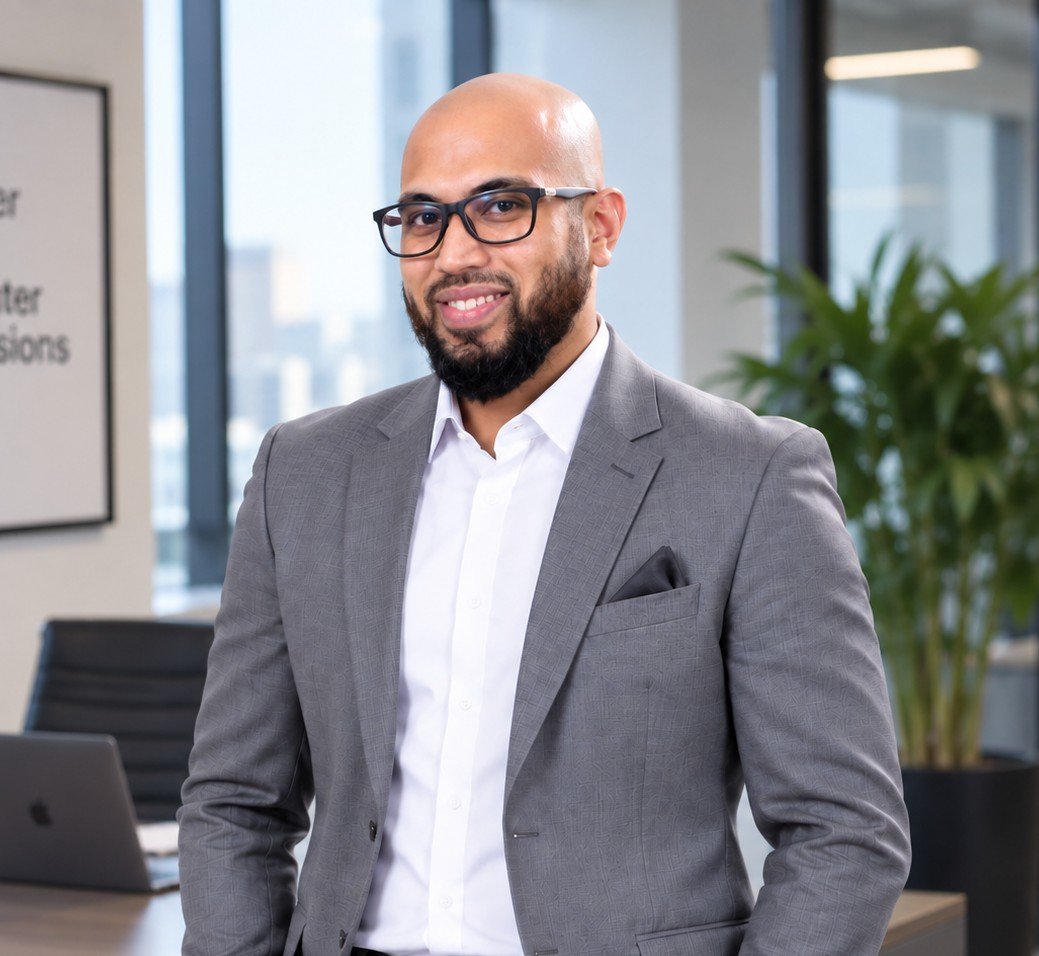
Nasehuddin Mohammed is the Co-Founder and Head of Technology at Zawjaan, where he leads product quality and the platform’s technological development. His work spans user experience and interface development, matchmaking strategies, and community-centred communication experiences designed to help Muslims build serious, marriage-minded connections.