



Meet Niamey Muslim Men Online
Online platforms offer a discreet and respectful way for Muslim women to meet Niamey Muslim men. Many professionals and students use apps that cater to Islamic values, focusing on marriage rather than casual dating. When creating a profile, be clear about your intentions and what you seek in a partner. Look for men who mention family involvement and religious practice. This approach helps filter serious candidates who align with your expectations for a halal relationship leading to Nikah.
Niamey Muslim Men for Marriage
Marriage in Niamey is a sacred bond, often involving extended families and community elders. For Muslim men, it signifies responsibility and the establishment of a new household under Islamic principles. Women seeking Niamey Muslim men should understand that family approval is crucial. The process typically begins with a formal proposal or Khitbah, followed by engagement and Nikah. Patience and respect for tradition are essential, as these steps strengthen the foundation for a lasting union.
Halal Dating with Niamey Muslim Men
Halal dating in Niamey focuses on respectful interaction within Islamic boundaries. This means avoiding physical intimacy before marriage and keeping conversations modest and purposeful. Young professionals often meet in public places like cafes or during community events. For Muslim women, it is important to involve a mahram (guardian) in early meetings to ensure propriety. This approach protects both parties and aligns with the values of the local Muslim community.
Islamic Nikah in Niamey
The Nikah is the central ceremony of Islamic marriage, legally and spiritually binding in Niger. In Niamey, Nikah ceremonies are often held at home or in mosques, with an imam officiating. The presence of two male witnesses is required, and the mahr (dowry) is agreed upon beforehand. For Muslim men, fulfilling these obligations demonstrates commitment. Women should ensure that the Nikah is properly documented with civil authorities, as it also holds legal weight in Niger.
Halal Chat with Niamey Muslim Men
Halal chat refers to online communication that adheres to Islamic etiquette. For Niamey Muslim men and women, this means respectful language, avoidance of flirtation, and keeping conversations about serious topics such as faith, career, and family. Many platforms now offer features like video calls with chaperones. This allows couples to know each other better while maintaining dignity and privacy, a practice that is becoming increasingly accepted among young Nigeriens.
Niamey Muslim Singles and Community Networks
Niamey’s Muslim singles community is diverse, including university students, professionals, and those working in international organisations. Many are actively seeking marriage but find it challenging due to busy schedules and limited social venues. Mosques like the Grand Mosque of Niamey and cultural centres host events where singles can meet indirectly. For Muslim women, volunteering in charitable activities affiliated with Islamic organisations can be a wholesome way to encounter potential partners.
Marriage Proposals and Khitbah in Niamey
The Khitbah, or formal proposal, is a significant step for Niamey Muslim men. It typically involves the man’s family visiting the woman’s family to request her hand in marriage. The proposal includes a discussion of the mahr and future living arrangements. For Muslim women, accepting a proposal means considering not only the man but also his family, as communal ties are strong. This formal approach provides clarity and reduces the risk of misunderstandings.
Physical Appearance of Niamey Muslim Men
When considering a Niamey Muslim man, physical appearance is one factor among many. He may have a strong, dignified presence, often with a trimmed beard, reflecting his devotion. Traditional attire such as the grand boubou or a simple shirt and trousers is common. Remember that beauty is relative and depends on personal preferences. Focus on what you truly want in a partner rather than societal standards.
Skin, Hair and Eye Colour
Nigerien men typically have rich, dark skin tones, ranging from deep brown to ebony. Hair is often black and curly, and eye colours are usually dark brown, although variations exist. These features are admired for their natural beauty. In a marriage context, it is wise to look beyond physical colour and appreciate the character and faith of the person, as these qualities hold more lasting value.
Occupation and Profession
Niamey Muslim men work in various sectors, including trade, government, education, and NGOs. Many are also engaged in agriculture or artisanal crafts. The city’s economy is growing, with opportunities in banking and telecommunications. When considering a spouse, his occupation reflects his ability to provide, but also his stability and ambition. Discuss career goals to ensure alignment and mutual support.
Height
Height can be a consideration for some, but it is not a measure of compatibility. Niamey Muslim men come in various statures, with an average height around 5 feet 9 inches or approximately 175 centimetres. For Muslim women, it is more important to focus on the man’s character, religious commitment, and how he treats others. These qualities matter far more than physical measurements.
Ethnicity and Nationality
Niamey is a melting pot of ethnicities, including Hausa, Zarma, Tuareg, and Fulani. Each group has its own cultural practices, but they are united by Islam. For Muslim women, ethnicity can influence family expectations and traditions. It is essential to discuss cultural backgrounds early to ensure mutual respect and understanding. Mixed-ethnicity marriages are common and often successful, adding richness to both families.
Compatibility with Niamey Muslim Men
Compatibility goes beyond surface-level similarities. In Niamey, successful marriages are built on shared values and goals. This section explores various dimensions of compatibility that Muslim women should consider when evaluating Niamey Muslim men, from religious dedication to lifestyle expectations. Open and honest communication is key to determining if a potential partner is truly suitable.
Religious Alignment
Religious alignment is paramount in an Islamic marriage. For Niamey Muslim men, this means adherence to the five daily prayers, fasting, and other pillars. Women should seek a man whose faith is evident in his actions, not just words. Discuss his understanding of Islamic teachings and how he plans to raise a family. A shared commitment to Allah strengthens the bond and guides the marriage through challenges.
Cultural Compatibility
Cultural compatibility involves aligning on customs, dietary habits, and family interactions. In Niamey, this often means both partners share a similar ethnic background or are willing to adapt. For example, language differences between Hausa and Zarma can be bridged with effort. Couples should discuss how they will handle cultural celebrations and respect each other’s traditions, ensuring a harmonious household.
Local Muslim Culture
Niamey’s Muslim culture is influenced by Sufi traditions, especially the Tijaniyya order. This shapes social gatherings and religious practices. Muslim women should be aware that public displays of affection are rare, and modesty is highly valued. Community events, such as religious lectures at the Islamic Cultural Centre, provide opportunities to observe a man’s character and piety in a socially acceptable setting.
Ideological Viewpoints
Within Niamey’s Muslim community, there is diversity in ideological viewpoints, from Sufi to more reformist approaches. It is important for Muslim women to understand a man’s stance on religious interpretation, as this affects daily life and family decisions. Discussing topics such as women’s roles and education can reveal compatibility. Respectfully exchanging views is essential for a peaceful marriage.
Lifestyle Compatibility
Lifestyle compatibility covers daily habits, work-life balance, and leisure activities. Niamey Muslim men may have different routines depending on their profession. For instance, those in the military or construction may face irregular schedules. Women should consider how a man spends his free time, whether attending mosque, socialising with friends, or pursuing hobbies. A shared approach to rest and recreation strengthens the relationship.
Family Expectations
In Niger, family expectations play a significant role in marriage. Niamey Muslim men often have close ties to their parents and siblings, and their decisions are influenced by family opinions. Muslim women must be prepared to integrate into an extended family network, which can be both supportive and demanding. Clear communication about living arrangements, such as whether to live with in-laws, is crucial to avoid conflicts.
Marriage Goals
Marriage goals should include both spiritual and worldly aspirations. Niamey Muslim men typically desire children and a harmonious household. They also strive to provide financially and uphold their role as provider. Women should discuss long-term plans, such as education and career, to ensure they are aligned. Setting common goals early helps build a strong partnership focused on mutual growth and service to Allah.
Relationship Expectations
Relationship expectations in Niamey involve clear roles and responsibilities. Muslim women should expect a husband who is respectful, communicative, and supportive. He should be involved in household matters and child-rearing, as per Islamic teachings. Conversely, the man expects a wife who is charitable, loyal, and maintains the home’s serenity. Mutually agreed expectations reduce misunderstandings and foster a loving, stable marriage.
How to Find Muslim Men in Niamey
To find Niamey Muslim men for marriage, start by strengthening your network within the community. Attend mosque events, weddings, and Islamic lectures. Inform family and friends of your intentions, and consider online platforms that uphold Islamic values. Always involve your mahram in the process and take time to get to know a candidate through halal channels.
1. Create a clear marriage profile
Phase 1: Profile CreationCreate a profile that highlights your faith, education, and hobbies. Use clear photos and state your intention for marriage. Niamey Muslim women should emphasise family values to attract serious men.
2. Search locally and realistically
Phase 2: Local DiscoveryUse search filters to find Niamey Muslim men. Look for those who mention their mosque or neighbourhood, such as Yantala or Niamey’s city centre. Attend local events to expand your network.
3. Begin respectful halal chat
Phase 3: Compatibility ScreeningEngage in respectful conversations about daily life and faith. Avoid sharing personal contact details until trust is built. Use video calls with a mahram present to ensure comfort and safety.
4. Arrange a public meeting
Phase 4: Face-to-Face CourtshipMeet in a public place like a cafe in Rond Point, or a family-friendly venue. Keep the meeting brief and focused on getting to know each other’s character and values.
5. Introduce both families
Phase 5: Family MeetingAfter mutual interest, arrange a formal meeting with both families. This is vital in Niamey culture. It allows families to assess compatibility and discuss the Khitbah proposal.
6. Prepare the legal documentation
Phase 6: Legal DocumentationIn Niger, civil marriage is required by law. Prepare documents such as birth certificates and proof of residence. Consult the Mairie in Niamey for specific requirements and visit the town hall for legal blessings.
7. Complete the Islamic Nikah
Phase 7: Marriage ContractArrange the Nikah with a recognised imam, often at a mosque like the Grand Mosque of Niamey. Ensure proper witnesses and register the marriage with civil authorities to guarantee legal recognition.
Frequently Asked Questions
How can Muslim women meet Niamey Muslim men for serious marriage?
Combine online platforms with local networking. Register on Zawjaan, attend events at the Grand Mosque or Islamic Cultural Centre, and ask family to spread the word. Always involve your mahram in meetings.
What qualities do Niamey Muslim men typically look for in a wife?
They often seek a woman who is practising, respectful, and family-oriented. Education is valued, but religious commitment and good character are paramount. Showing support for his career and community involvement is also appreciated.
Are Niamey Muslim brothers open to marrying women from other ethnic groups?
Yes, many are open, but family acceptance may vary. Discuss cultural differences early and show willingness to learn each other’s customs. Respect for both families is key to gaining approval.
What are the typical steps for Niamey Muslim men proposing marriage?
The man and his family visit the woman’s family to request her hand. They bring gifts and discuss the mahr. If both agree, a formal engagement is announced, followed by the Nikah ceremony.
How important is the Nikah ceremony for Niamey Muslim grooms?
It is essential. The Nikah is the religious and legal contract. Muslim grooms ensure it is conducted by an imam and registered with civil authorities. This validates the marriage and protects the woman’s rights.
About the Author
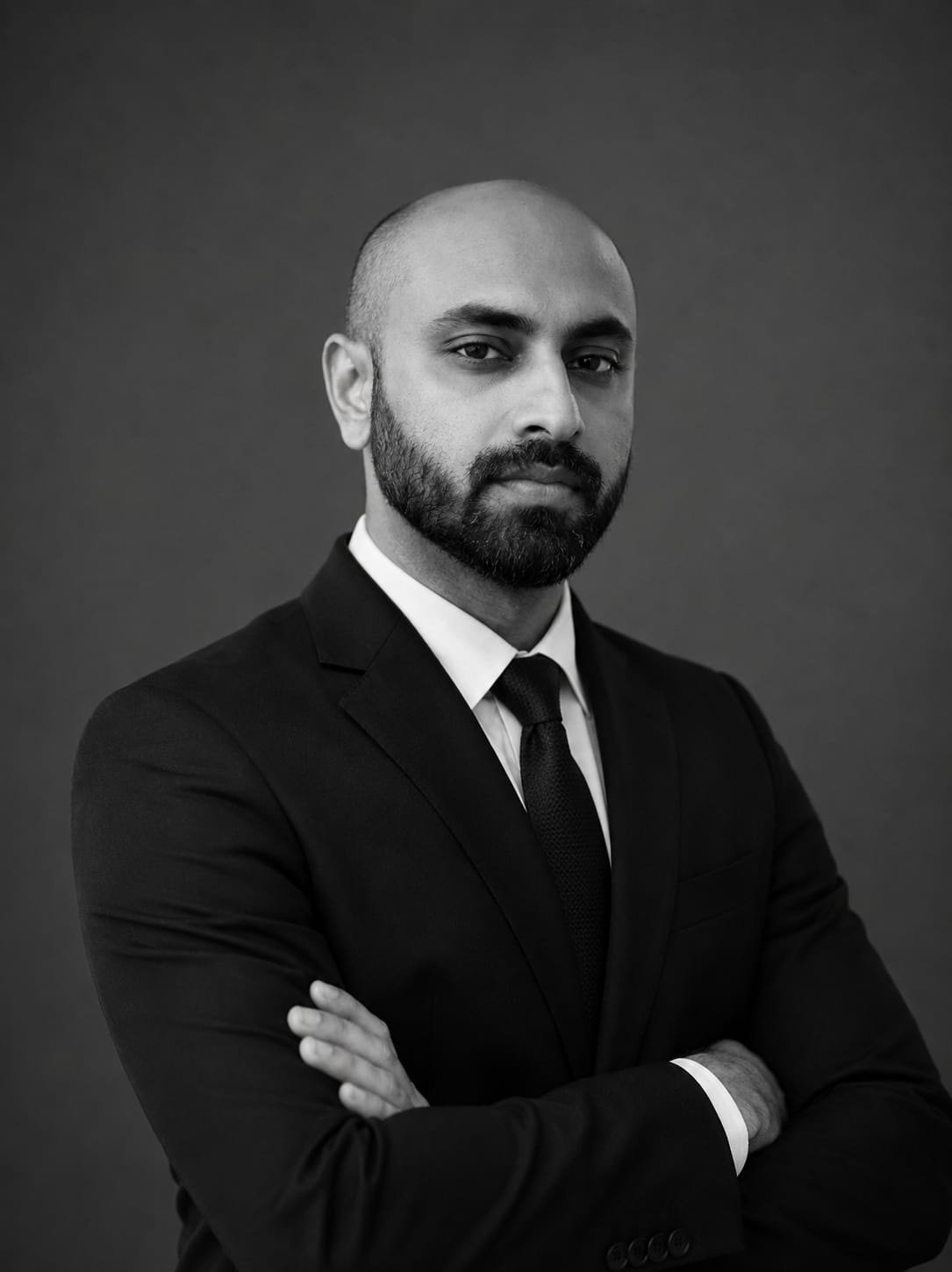
Arfan Shariff is the Co-Founder and Head of Operations at Zawjaan, overseeing platform operations, public relations and strategic partnerships. Drawing on his experience in community engagement, Arfan helps shape Zawjaan’s trusted, faith-centred and user-focused approach to Muslim matchmaking, promoting compatibility, authenticity and meaningful lifelong marriages.