

Meet Lower Hutt Muslim Men Online
For Muslim women in Lower Hutt, online matchmaking offers a practical first step to meeting Muslim men for marriage. Platforms like Zawjaan allow you to connect with Lower Hutt Muslim men and those from nearby Wellington suburbs, filtering by faith, profession, and family values. Many local brothers are open to online introductions, especially when the intention is clear: a halal relationship leading to nikah. Use detailed profiles and respectful chat to gauge compatibility before meeting in person, always involving a wali or trusted family member early in the process.
Lower Hutt Muslim Men for Marriage
Marriage in Lower Hutt is a deeply cherished institution within the Muslim community, uniting families and traditions. Many local Muslim men seek a partner who shares their commitment to Islam and their aspirations for a family centred on faith. Community events, such as those hosted at the Lower Hutt Muslim Association or the Kilbirnie Masjid nearby, often serve as starting points for introductions. For women, understanding that marriage here blends modern practicality with Islamic values can help set realistic expectations for a lifelong partnership.
Halal Dating with Lower Hutt Muslim Men
Halal dating in Lower Hutt focuses on purposeful, chaperoned interactions that honour Islamic boundaries. Muslim women should prioritise meeting in public spaces like the Hutt River Trail or a local cafe, always accompanied by a mahram if possible. Many Lower Hutt Muslim men appreciate this respectful approach, as it demonstrates seriousness and faith. The goal is to evaluate compatibility while keeping interactions modest and family-oriented, ensuring that every conversation and meeting moves towards the union of dois families under Allah’s guidance.
Islamic Nikah in Lower Hutt
The nikah ceremony in Lower Hutt is performed by local imams, often at the Lower Hutt Mosque or the International Islamic Centre in Wellington. This sacred contract requires two male witnesses, a mahr agreed upon by both parties, and the consent of the bride. For Muslim women, understanding the nikah process here ensures you enter marriage with clarity and faith. Local imams provide guidance and support, making the process straightforward and spiritually meaningful, whether you are from Lower Hutt or coming from elsewhere in New Zealand.
Halal Chat with Lower Hutt Muslim Men
Halal chat forms a crucial part of getting to know a potential spouse from Lower Hutt. Conversations should stay respectful, focused on deen, family, and future goals, avoiding frivolous topics. Many Muslim men appreciate a woman who asks thoughtful questions about their iman and livelihood. Video calls can help bridge the distance, but always keep attendants or wali informed. Chat is a tool to build trust, not to form emotional attachments outside marriage, so maintain boundaries and pray for sincerity.
Lower Hutt Muslim Singles and Community Networks
Muslim singles in Lower Hutt often face a limited pool of eligible partners within their immediate circle, making broader searches necessary. Community gatherings, such as the weekly halaqas at the Lower Hutt Muslim Association, provide opportunities for families to meet. However, many women also turn to online platforms to connect with Lower Hutt Muslim men who are serious about marriage. These men often balance careers in Wellington’s industries with community involvement, offering a blend of ambition and faith. Patience and reliance on dua are key for women navigating this search.
Marriage Proposals and Khitbah in Lower Hutt
The proposal, or khitbah, in Lower Hutt typically follows a formal family-led process. After initial interest, the man’s family approaches the woman’s family, often through a mutual contact or the imam. For Muslim women, this formal step brings reassurance that the intention is marriage. In New Zealand, proposals may also be accompanied by a ring and a mutually agreed mahr. Local families value transparency and respect, so clear communication during this stage helps lay a strong foundation for the nikah and future married life.
Physical Appearance of Lower Hutt Muslim Men
Physical attraction is a natural part of choosing a life partner, but in Islam, character and faith hold greater weight. When considering Lower Hutt Muslim men, observe how they present themselves with modesty and cleanliness, as these reflect their values. Remember that beauty is relative and depends on personal preferences. Focus on what you truly want in a partner rather than societal standards. A man’s grooming, posture, and attire can speak to his self-respect and adherence to Islamic norms.
Skin, Hair and Eye Colour
In Lower Hutt, you will find Muslim men with a variety of skin, hair, and eye colours, reflecting the community’s rich diversity. From South Asian to Middle Eastern and African backgrounds, these features are variations of Allah’s creation. When evaluating a potential spouse, avoid fixating on colours that may fade with age. Instead, appreciate the distinctiveness of each person, and prioritise how his appearance aligns with the qualities you seek, such as kindness and devotion. Beauty is not a single shade but a reflection of inner light.
Occupation and Profession
Lower Hutt Muslim men work across a range of sectors, from engineering and healthcare to education and IT, with many commuting to Wellington for prestigious roles. The Hutt Valley is known for its manufacturing and pharmaceutical industries, with companies like GlaxoSmithKline offering stable employment. When assessing a potential husband, consider his career stability and ambition, as these impact future living standards. A man’s profession also reveals his work ethic and time management, important for balancing family and community responsibilities.
Height
The average height for Muslim men in Lower Hutt is around 5 feet 9 inches or approximately 175 centimetres, similar to the national average. While some women prefer taller partners, height is a minor factor in long-term marital happiness. Islamic teachings emphasise taqwa and character over physical stature. As you meet potential husbands, remember that a man’s height does not define his ability to protect, provide, or lead a family. Focus on his actions and faith, not his centimetres.
Ethnicity and Nationality
Lower Hutt’s Muslim community is wonderfully diverse, including Somali, Pakistani, Indian, Afghan, and Arab families, among others. This mix means you may meet Muslim men with different cultural backgrounds and languages, enriching shared traditions. While ethnicity can influence family dynamics and cuisine, it should not overshadow your core requirements. Many brothers are raised with strong cultural pride yet are open to cross-cultural marriages, especially when both partners prioritise Islamic principles over cultural expectations.
Compatibility with Lower Hutt Muslim Men
Compatibility in marriage goes beyond superficial traits; it is about aligning life visions and daily habits. For Lower Hutt Muslim men, factors like religious practice, family values, and lifestyle choices play a significant role in long-term happiness. Use your initial conversations to explore these areas, ensuring that your expectations for marriage, career, and children are aligned.
Religious Alignment
When considering a Lower Hutt Muslim man, assess his commitment to daily prayers, fasting, and Islamic knowledge. Many men in this city are active in local mosque activities, such as the Lower Hutt Muslim Association, which indicates a strong connection to the community. His understanding of Islam will shape his role as a husband, so discuss his views on raising children and dealing with marital challenges. Seek a brother whose faith is steady and practical.
Cultural Compatibility
Cultural compatibility involves respecting each other’s traditions while building a shared Islamic home. In Lower Hutt, you may find men who celebrate Eid with both South Asian and Middle Eastern customs, creating a blend of practices. Discuss which cultural customs you wish to continue, such as language or food, and be open to learning each other’s ways. A willingness to embrace diversity can strengthen your bond and enrich your family life.
Local Muslim Culture
Lower Hutt’s Muslim culture is tight-knit, with families often socialising at each other’s homes for Friday dinners or community Iftars. This environment encourages mutual support and accountability, which benefits married life. You may find that events at the Lower Hutt Mosque or the nearby Kilbirnie Masjid bring together Muslims from various ethnic groups, fostering a sense of unity. Participating in these gatherings as a couple can help you integrate and find lasting friendships within the community.
Ideological Viewpoints
Within Lower Hutt, Muslim men may adhere to different schools of thought, such as Hanafi or Shafi’i, and may vary in their views on cultural practices. It is important to discuss religious ideology early, including topics like music, gender roles, and interactions with non-Muslims. While differences can often be bridged with mutual respect, ensure that your core beliefs align on fundamental tenets. Seek a man who is open to dialogue and does not impose his views harshly.
Lifestyle Compatibility
Lifestyle encompasses daily routines, health habits, and leisure activities. Lower Hutt offers an active lifestyle with parks like the Hutt River Trail, so consider whether you enjoy similar outdoor activities. Discuss your typical weekends, diet, and spending habits, as these small details affect harmony. Many Muslim men here balance gym sessions with family time, and finding a partner with similar energy levels can make your shared life more enjoyable.
Family Expectations
Family involvement is significant in Lower Hutt’s Muslim community, with parents often playing a central role in marriage decisions. Be clear about your expectations regarding living arrangements, such as whether you will live with in-laws, and frequency of family visits. Many Muslim men here are family-oriented and expect their wives to maintain close ties with both sides. Open communication with your future in-laws can prevent misunderstandings and build a supportive extended family network.
Marriage Goals
Your marriage goals should include plans for children, career, and residence. Lower Hutt offers affordable housing compared to Wellington, making it attractive for young couples. Discuss whether you both desire a large family and how you plan to raise them Islamically. Some men may be open to relocation for work, so consider your flexibility. Aligning on these goals early prevents future conflicts and helps you build a shared vision for your marriage.
Relationship Expectations
In a halal marriage, both partners have specific expectations regarding communication, affection, and division of responsibilities. Lower Hutt Muslim men may expect their wives to be homemakers while also supporting her career ambitions, depending on mutual agreement. Establish clear expectations for household duties, financial management, and conflict resolution. Remember that marriage is a partnership, so ensure that your needs are voiced and respected, and that you are equally willing to compromise.
How to Find Muslim Men in Lower Hutt
To meet Muslim men in Lower Hutt, start with local mosques and Islamic events, such as those at the Lower Hutt Muslim Association or the International Islamic Centre. Online platforms like Zawjaan also allow you to filter by city, targeting Lower Hutt and nearby areas. As you connect, use halal chat and involve family early to keep intentions clear.
1. Create a clear marriage profile
Phase 1: Profile CreationCreate a profile that highlights your faith, character, and what you seek in a husband, using clear photos and respectful language.
2. Search locally and realistically
Phase 2: Local DiscoveryUse Zawjaan’s search filters to find Lower Hutt Muslim men, setting your preferred location range to include Wellington suburbs.
3. Begin respectful halal chat
Phase 3: Compatibility ScreeningStart with text chats, then transition to video calls with a wali present, always keeping conversations modest and purpose-driven.
4. Arrange a public meeting
Phase 4: Face-to-Face CourtshipMeet in public locations like cafes or parks, such as the Hutt River Trail, ensuring a mahram or trusted friend knows your plans.
5. Introduce both families
Phase 5: Family MeetingIntroduce your potential spouse to your family early, organising a casual gathering where both families can converse.
6. Prepare the legal documentation
Phase 6: Legal DocumentationFor civil marriage in New Zealand, give notice to the Registrar of Births, Deaths and Marriages at least 15 days before your date.
7. Complete the Islamic Nikah
Phase 7: Marriage ContractPlan your nikah at the Lower Hutt Mosque or with a local imam, arranging witnesses, mahr, and any required documentation.
Frequently Asked Questions
What qualities do Lower Hutt Muslim men look for in a wife?
Typically, they value religious commitment, family orientation, and a kind, supportive nature. Many appreciate a woman who is educated and has her own interests but is willing to build a home centred on Islam.
How can Muslim women safely meet Muslim men in Lower Hutt for marriage?
Use reputable platforms like Zawjaan that allow you to verify profiles and set boundaries. Meet initially in public, involve a wali early, and rely on community references from local mosques like the Lower Hutt Muslim Association.
What is the best way to approach a Lower Hutt Muslim man’s family about marriage?
Approach with respect, possibly through a mutual contact or the imam. Express your sincerity and involve your own family to demonstrate commitment. Families here value transparent communication and Islamic etiquette.
Are there specific local customs for Muslim weddings in Lower Hutt?
Weddings often blend cultural traditions with Islamic rites. The nikah is held at a mosque or home, followed by a walima. Local communities may have distinct foods and music, but all adhere to halal practices.
How can Lower Hutt Muslim men demonstrate their seriousness about marriage?
They should involve their family in the process, propose a formal khitbah, and be transparent about their income, education, and religious practice. Regular prayers and seeking Islamic advice also show commitment.
About the Author
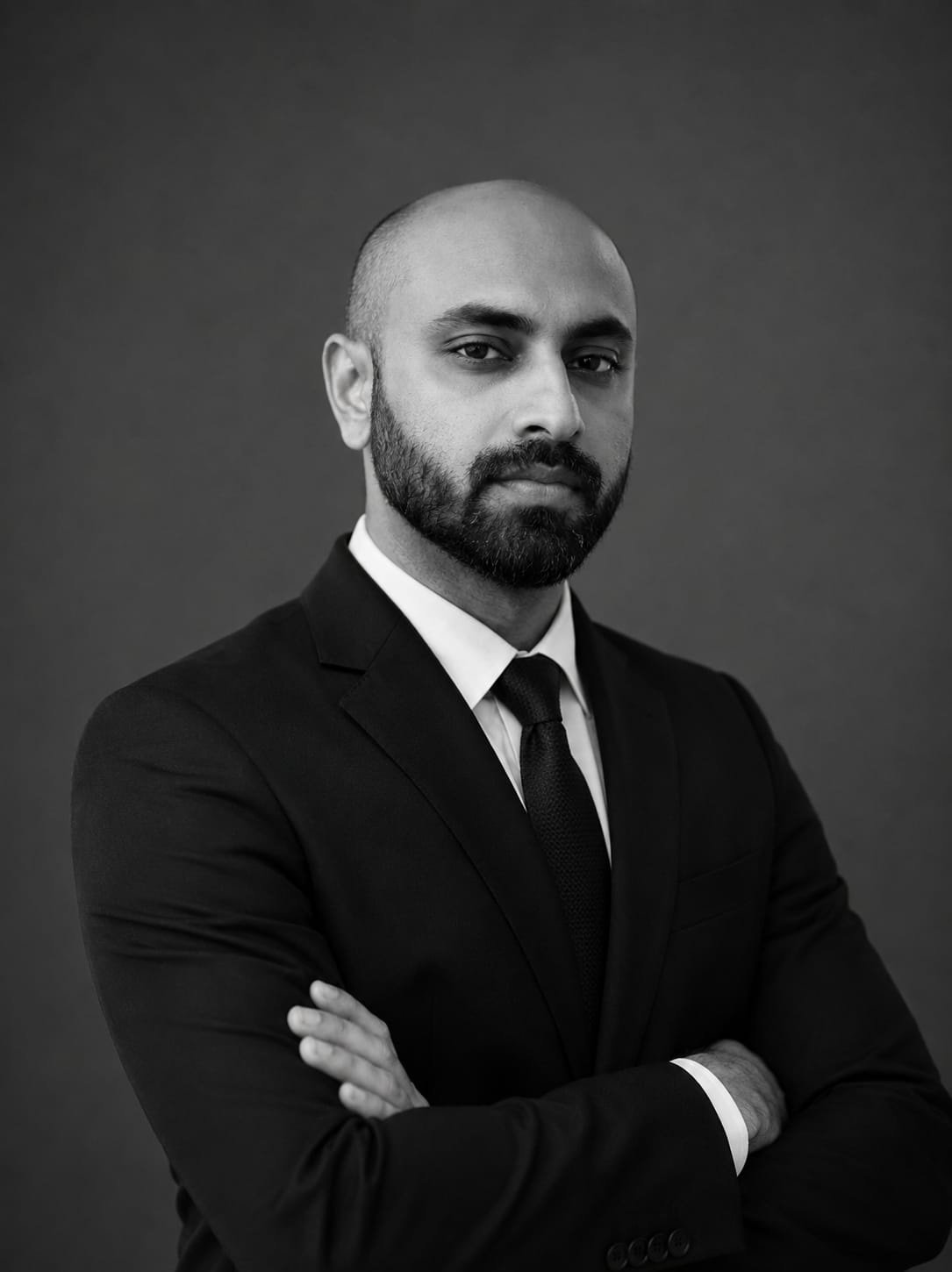
Arfan Shariff is the Co-Founder and Head of Operations at Zawjaan, overseeing platform operations, public relations and strategic partnerships. Drawing on his experience in community engagement, Arfan helps shape Zawjaan’s trusted, faith-centred and user-focused approach to Muslim matchmaking, promoting compatibility, authenticity and meaningful lifelong marriages.