

Meet Beira Muslim Men Online
Online platforms have become a valuable bridge for meeting Beira Muslim men, especially when local networks are limited. Dedicated Muslim marriage websites and apps allow you to filter by faith, ethnicity, and lifestyle, ensuring compatibility from the start. In Beira, where internet access is common in urban areas, many are turning to these modern methods to complement traditional introductions. Use reputable platforms that emphasise halal intentions and privacy. A well-crafted profile with clear expectations can attract serious suitors, including those from the local community or the wider Mozambican diaspora.
Beira Muslim Men for Marriage
Marriage in the Beira Muslim community is viewed as a sacred bond, deeply rooted in Islamic principles and local customs. It is common for extended family to play a central role, from initial enquiries to the Nikah ceremony. The process often begins with the man's family expressing interest, followed by respectful meetings and discussions. In Beira, the community values modesty, respect, and mutual agreement. A successful marriage here is seen as a union of two families, requiring patience and sincerity, with a strong emphasis on building a life together under Allah's guidance.
Halal Dating with Beira Muslim Men
Halal dating, or meeting with the intention of marriage, is conducted with boundaries that honour Islamic values. In Beira, this often takes the form of chaperoned meetings in public places, where the couple can converse and assess compatibility. The presence of a mahram or trusted family member is customary. These meetings focus on serious topics like faith, family, and future goals, rather than casual dating. Respect for each other's modesty and privacy is paramount, ensuring that the relationship progresses in a manner that is pleasing to Allah and acceptable to both families.
Islamic Nikah in Beira
The Nikah ceremony is the cornerstone of Muslim marriage, and in Beira, it is conducted with solemnity and joy. Typically, a local imam or a trusted Islamic scholar officiates the ceremony, which requires the bride's consent, two male witnesses, and a mahr (dower) agreed upon by both parties. In Beira, the Nikah may be held at a mosque, such as Mesquita Central de Beira, or at a family home. It is preceded by the khitbah (proposal) and often accompanied by celebrations. The Nikah is both a religious obligation and a legal contract, binding the couple in the eyes of Allah and the community.
Halal Chat with Beira Muslim Men
Halal chat refers to communication between potential spouses that adheres to Islamic etiquette. In Beira, this often begins via messaging apps or platforms, with conversations respectful and purpose-driven. Topics should revolve around faith, family, and practical aspects of marriage. It is advised to keep chats modest and avoid private one-on-one conversations without a chaperone. Many couples in Beira use these initial exchanges to gauge compatibility and arrange formal meetings. The goal is to transition from online talks to family involvement in a structured and honourable manner.
Beira Muslim Singles and Community Networks
Beira is home to a vibrant Muslim community, and single men in the city often have opportunities to meet through community events. Mosques like Mesquita Central de Beira and the Islamic Centre in the Macuti neighbourhood serve as social hubs. Additionally, cultural festivals and Islamic lectures attract families, providing a comfortable environment for introductions. Many beirrenses also rely on family networks and word-of-mouth to find suitable spouses. For a woman seeking Muslim men, engaging with community activities and expressing intentions to trusted elders can open doors to respectful and serious marriage prospects.
Marriage Proposals and Khitbah in Beira
The proposal, or khitbah, is a formal step in the Beira Muslim marriage process. It typically involves the man's family approaching the woman's family to declare their intention. This is often done through an intermediary, such as a trusted elder or the imam of a local mosque. In Beira, the proposal is a sign of respect, not only to the woman but also to her family. It is followed by discussions about mahr and future living arrangements. The proposal sets the tone for a serious commitment, ensuring both families are aligned in their expectations and blessings.
Physical Appearance of Beira Muslim Men
In physical attraction, Beira reflects a diverse beauty that mirrors the city's multicultural heritage. Muslim men in Beira come in varying shades, features, and styles, often influenced by Swahili, Portuguese, and Indian ancestry. While physical appearance is a consideration, the community holds that true compatibility lies in deen (faith) and character. Remember that beauty is relative and depends on personal preferences. Focus on what you truly want in a partner rather than societal standards.
Skin, Hair and Eye Colour
Skin tones in Beira are wonderfully varied, ranging from deep browns to lighter complexions, reflecting the rich mix of ethnicities. Cultural backgrounds, including Makua, Swahili, and Indian descent, contribute to this diversity. In seeking a partner, colour is often secondary to faith and personality. Many Beira Muslim men embrace their heritage, and preferences for skin tone are personal and not commonly dictated by the community.
Occupation and Profession
Beira's economy presents a range of occupations for Muslim men, from port and trade-related work to education and healthcare. Fishing and commerce are significant, with many men working in the bustling port or running businesses in markets like Mercado Central. The city's role as a transport hub offers jobs in logistics and distribution. Others are professionals, such as doctors, engineers, or teachers, educated at institutions like Universidade Zambeze. In marriage, a man's occupation is valued as it affects stability and family wellbeing.
Height
Height varies among Beira Muslim men, but a common average is around 5 feet 9 inches or approximately 175 centimetres. Some may be taller or shorter, and often, height is not a primary consideration in matchmaking. What matters more is a man's character and his ability to provide and care for a family.
Ethnicity and Nationality
Beira's Muslim community is ethnically diverse, with significant populations of Swahili, Makua, Maravi, and Indian descent. This diversity enriches the culture and allows for a broad choice in matchmaking. A woman may find a Beira Muslim man of her own ethnicity or from a different background. Many families in Beira are open to cross-cultural marriages, provided the couple shares core Islamic values. Understanding and respecting each other's ethnic traditions can strengthen the marital bond.
Compatibility with Beira Muslim Men
When seeking Beira Muslim men, compatibility is a blend of faith, values, and life goals. Local customs emphasise that a successful marriage requires alignment in these areas.
Religious Alignment
In Beira, religious practice varies from strictly observant to moderately traditional. Some men may attend mosque five times daily, while others may observe key festivals and fasts. For a serious marriage, it is essential to discuss expectations regarding prayer, fasting, and Islamic education. Many Beira families, particularly those in communities like Macuti and Alto da Manga, value religious commitment and seek spouses who aspire to follow the Quran and Sunnah.
Cultural Compatibility
Cultural practices in Beira blend Islamic rules with local customs, such as Swahili wedding traditions and Portuguese influences. Understanding a man's cultural background, including his family's expectations and celebrations, is crucial. For example, some may expect large, festive weddings, while others prefer modest ceremonies. Cultural compatibility fosters harmony, as it affects daily life, from cuisine to language and family interactions.
Local Muslim Culture
Beira's Muslim culture is welcoming and community-oriented. Events like Eid prayers at Mesquita Central and Islamic lectures at community centres bring people together. Local Muslims are known for their hospitality, often inviting neighbours and friends to share in celebrations. In matchmaking, this communal spirit means that family and community input are highly valued. Being open to this culture can help a woman navigate the marriage process with grace and respect.
Ideological Viewpoints
Beira Muslim men may hold various ideological perspectives, from those influenced by Sufi traditions to more reformist or Salafi views. While many follow the Shafi'i school of jurisprudence, there is growing diversity. It is important to discuss religious viewpoints early, including attitudes towards interfaith matters and the use of Islamic finance. Mutual respect for ideological differences is vital, especially if a couple plans to make decisions together.
Lifestyle Compatibility
Lifestyle in Beira often involves a balance of work, community life, and leisure. Men may be accustomed to bustling markets or busy professional roles, with weekends spent with family or at social gatherings. Consider factors like financial management, social habits, and the role of extended family in daily life. Some men may prefer a traditional household where the wife manages the home, while others embrace dual-career arrangements. Aligning these expectations prevents conflicts.
Family Expectations
In Beira, family expectations are significant in marriage. A man's family often expects a wife who respects elders, supports her husband, and contributes to the harmony of the extended family. In turn, the wife's family will look for a man who can offer security, kindness, and religious integrity. Clear communication about family roles, such as living with in-laws or responsibilities towards relatives, is essential to avoid misunderstandings and build a solid foundation.
Marriage Goals
Typical marriage goals for Beira Muslim men include raising a righteous family, achieving financial stability, and nurturing a loving partnership. Many aspire to own a home and provide education for their children. In a port city like Beira, some may have ambitions related to business expansion or career advancement. Discussing these goals early ensures that both partners are working towards a shared vision for their future, including decisions about children, savings, and personal growth.
Relationship Expectations
Expectations in a relationship are shaped by Islamic teachings and local customs. Beira men often seek a wife who is supportive, communicative, and committed to maintaining a halal household. There is usually an expectation of mutual respect and emotional intimacy within prescribed boundaries. It is also customary for the husband to lead, but consultation (shura) is practiced. Understanding these dynamics and being open about your own needs will foster a balanced and fulfilling marriage.
How to Find Muslim Men in Beira
Finding Beira Muslim men requires a proactive yet dignified approach. Attend mosque events, engage with community elders, and express your intentions. Online platforms can also help, but always prioritize safety and halal practices. Patience and sincere du'a are essential.
1. Create a clear marriage profile
Phase 1: Profile CreationCreate a thoughtful profile on a reputable Muslim marriage site, highlighting your faith, interests, and intention to settle in Beira. Use clear photos and be honest about your expectations.
2. Search locally and realistically
Phase 2: Local DiscoveryUse filters to search for men in Beira or Mozambique. Consider connecting with community groups on social media and mentioning your intentions.
3. Begin respectful halal chat
Phase 3: Compatibility ScreeningEngage in in-app messaging with wali involvement or after initial approval. Keep conversations respectful, focused on compatibility, and avoid lengthy private chats.
4. Arrange a public meeting
Phase 4: Face-to-Face CourtshipArrange a chaperoned meeting in a public place, such as a café or restaurant that serves halal options. Keep the meeting short and purposeful.
5. Introduce both families
Phase 5: Family MeetingIntroduce yourself to his family in a formal setting, often through your wali. Be prepared to discuss your background, education, and views on marriage.
6. Prepare the legal documentation
Phase 6: Legal DocumentationIn Mozambique, civil marriage is required for legal recognition. This can be done before or after the Nikah, at Beira's civil registry, to ensure your rights are protected.
7. Complete the Islamic Nikah
Phase 7: Marriage ContractPlan the Nikah with a local imam, ensuring that all Islamic requirements are met. Decide on the mahr and witnesses, and choose a venue like a mosque or home.
Frequently Asked Questions
How can Muslim women meet serious Muslim men in Beira for marriage?
Muslim women can meet serious Muslim men in Beira by attending community events at local mosques like Mesquita Central, joining Islamic study circles, and using reputable Muslim marriage websites. Family introductions are also widely respected in Beira.
What qualities do Beira Muslim men look for in a wife?
Beira Muslim men typically look for a wife who is religiously committed, respectful, and supportive. They value good character, education (though not always required), and a willingness to embrace family and community values.
Is it common for Muslim grooms in Beira to involve their families early in the matchmaking process?
Yes, involving families early is customary in Beira. The man's family often approaches the woman's family with a proposal, especially when a serious interest is expressed. This ensures that the union has the blessing and support of both sides.
What role does the mosque play in helping Muslim girls find suitable Muslim brothers in Beira?
Mosques in Beira serve as community hubs where families gather. Imams and Islamic leaders may informally assist with matchmaking by suggesting respectable candidates. Attending prayers and events increases your visibility and helps build trust.
What should Muslim women consider when communicating with potential Muslim men in Beira online?
When communicating, maintain modesty and involve a wali or third party if possible. Discuss practical matters like religious practice, family expectations, and future plans. Avoid spending excessive time online without meeting in a proper setting.
About the Author
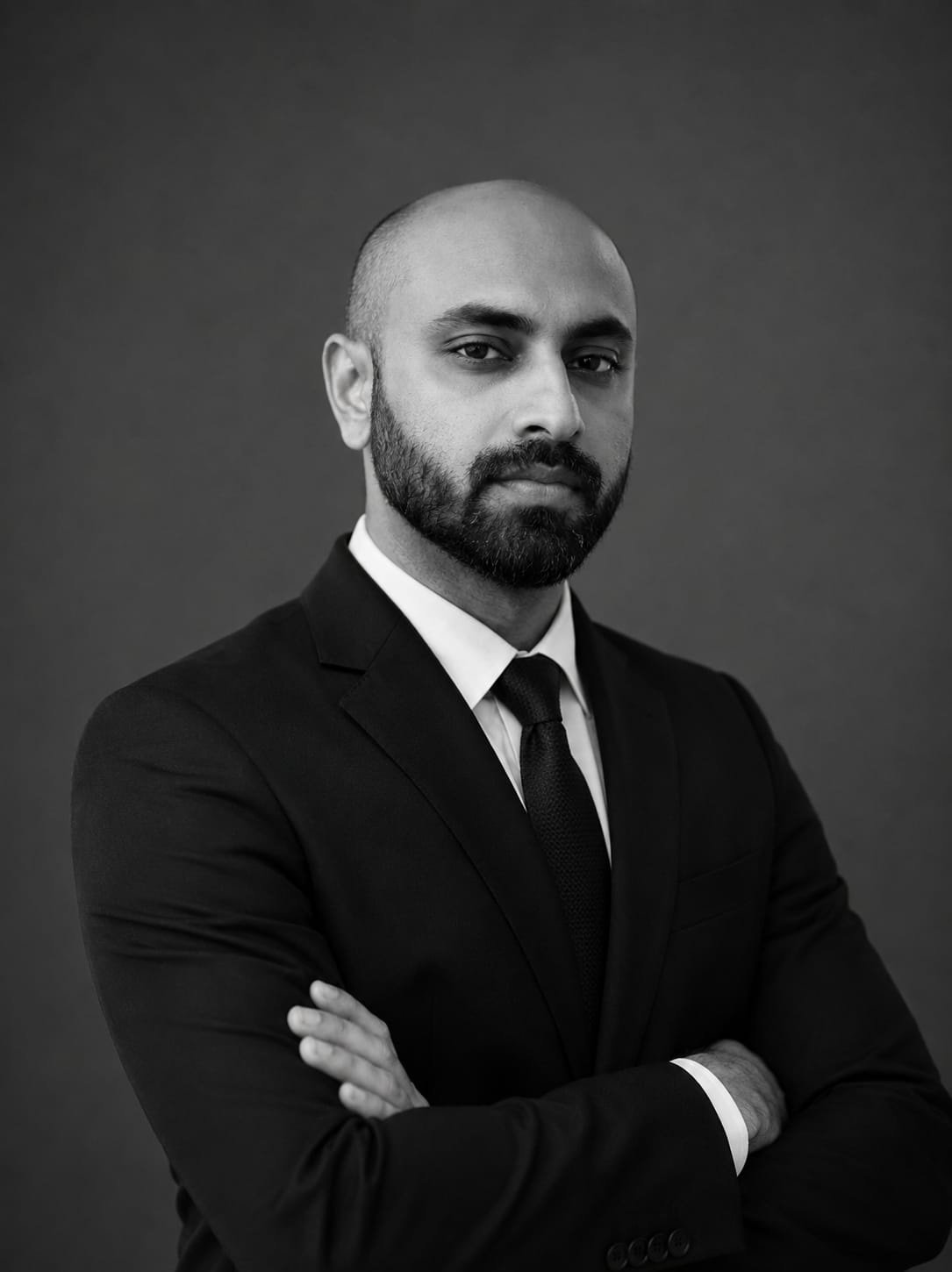
Arfan Shariff is the Co-Founder and Head of Operations at Zawjaan, overseeing platform operations, public relations and strategic partnerships. Drawing on his experience in community engagement, Arfan helps shape Zawjaan's trusted, faith-centred and user-focused approach to Muslim matchmaking, promoting compatibility, authenticity and meaningful lifelong marriages.