


How Muslim Men in Mauritania View Serious Marriage
Marriage in Mauritania is a communal milestone, not just a personal decision. Muslim men in this West African nation are raised to respect their family’s role in choosing a life partner. Understanding this mindset helps you assess whether a potential husband is truly ready for commitment.
Many Muslim men in Mauritania approach marriage with sincerity, seeking a wife who shares their religious values and can support a harmonious household. Marriage is traditionally seen as a union between families, so expect consultations with parents and elders.
- Serious grooms usually involve family early in the process
- Religious practice and community reputation matter deeply
- Financial responsibility is discussed openly during wedding planning
- Marriage is viewed as a lifelong commitment, not a casual step
Signs of a Marriage-Minded Man
A sincere man will ask about your family, your goals, and your deen. He will not delay discussions about the mahr or the wedding timeline.
- He initiates respectful conversations with your wali
- He talks about future plans that include you
- He seeks advice from elders about the marriage
- He avoids ambiguous relationships outside nikah
Understanding the Muslim Community in Mauritania for Women Seeking Husbands
Mauritania is overwhelmingly Muslim, and the people are proud of their Islamic heritage. The community is structured around tribal and familial ties, which can feel different from other regions. Knowing how society works helps you navigate conversations and expectations.
Islamic scholars and local imams hold significant influence in guiding family decisions. Community events, such as Eid prayers and mosque gatherings, are where many families meet and discuss potential matches.
- Religious education is respected and often pursued
- Tribe and family connections are socially meaningful but do not define faith
- Public gender roles are influenced by Islamic principles
- Modesty in dress and behaviour is important for both men and women
Community Etiquette for Marriage Searches
When seeking a husband, families often prefer a formal introduction through mutual acquaintances. Avoid public or private conversations that lack any chaperone.
- Ask a trusted family member to make initial inquiries
- Respect the tradition of approaching the man’s family first
- Keep discussions of suitable candidates within halal boundaries
- Seek advice from local Islamic scholars if needed
Assessing Deen, Character and Compatibility with Mauritanian Men
For Muslim women, a potential husband’s religious practice and moral character are primary. In Mauritania, deen is visible in daily actions – from prayer habits to how he treats his elders. Compatibility goes beyond culture, focusing on shared values and life goals.
A man who prays regularly and seeks Islamic knowledge shows a serious commitment to his faith. Character is often revealed in how he speaks about his mother, his previous relationships, and his responsibilities.
- Observe how he treats waiters, sellers, and the elderly
- Ask about his religious studies or hifz goals
- Discuss your expectations for hijab and modesty in marriage
- Assess whether he is flexible on small cultural differences
Questions to Help You Assess a Potential Husband
Ask practical questions about his Islamic knowledge and daily worship. Understand his attitudes towards finances, career, and family planning.
- How does he prioritise salah and fasting?
- What does he see as a husband’s financial role?
- How involved does he expect family members to be?
- What are his views on raising children Islamically?
Family Expectations for Muslim Grooms in Mauritania
In Mauritania, family involvement is the norm in marriage arrangements. A potential groom will likely seek his parents’ approval before proceeding. Understanding what families expect helps you know if he is serious and ready for nikah.
Parents often want to know about a bride’s upbringing, religious practice, and social connections. The groom’s family will appreciate a respectful approach that honours their role.
- Expect to meet his parents early in the process
- Be prepared to discuss your family background openly
- Understand that large family networks are common in Mauritania
- The groom may balance his own choices with his parents’ opinion
How to Build Good Relations with His Family
Show genuine respect for his parents and siblings. Ask about their lives and demonstrate interest in their customs and traditions.
- Send a respectful greeting when you first meet
- Ask questions about family traditions and gatherings
- Offer to help in small ways during visits if appropriate
- Let your wali handle the formal negotiations
Halal Communication with Mauritanian Men Before Nikah
In a serious marriage context, communication between a man and a woman must follow Islamic guidelines. This means involving a wali and keeping interactions purposeful and respectful. Clear communication helps both sides assess compatibility without stepping outside halal boundaries.
Many Mauritanian families prefer that initial conversations happen with a third party present. If you use online platforms, ensure that the conversation remains on marriage topics and avoids idle chat.
- Always have your wali aware of the communication channel
- Keep conversations focused on marriage-readiness and future life
- Avoid mixed private chats without a chaperone
- Ask direct questions about expectations and responsibilities
Guidelines for Purposeful Conversation
Plan your questions in advance to keep the discussion productive. Avoid emotional or romantic talk before nikah, as this can lead to complications.
- Introduce yourself and state your intention clearly
- Discuss religious values and daily worship
- Talk about education, work, and life goals
- Clearly explain your mahr expectations
- Agree on timelines for involving both families
Marriage-Focused Online Matchmaking for Mauritanian Grooms
Online matchmaking has become a practical way for Muslim men and women to connect with sincere intentions. Zawjaan offers a halal environment where serious individuals can find potential spouses. When using such platforms with Mauritanian men, you can filter by religious practice and family goals.
The anonymity of online profiles can be helpful, but it also requires caution. Always involve your wali early and verify the man’s sincerity through meaningful and regulated conversations.
- Create a clear profile that states your religious values
- Use filters to find men who prioritise deen
- End conversations that are not marriage-oriented
- Move to family involvement once trust is established
How Zawjaan Helps Serious Women and Men
Zawjaan is designed to help Muslims marry, not to encourage casual dating. The platform encourages clear profiles and halal communication, so you can focus on finding a husband who is ready for nikah.
- Create a profile that clearly outlines your faith and goals
- Use the search filters to find Mauritanian men who appear marriage-minded
- Communicate within the app, which encourages purposeful messages
- Involve your wali as soon as a potential you like appears
Islamic Nikah and Mahr Considerations for Mauritanian Grooms
Understanding the nikah process and mahr expectations helps you evaluate a potential husband’s seriousness and preparation.
In Mauritania, the nikah is the central Islamic contract. A groom who prioritises the nikah demonstrates his commitment to a halal marriage.
Ask about his understanding of mahr. A reasonable, agreed-upon mahr reflects his sincerity and financial planning.
Some families prefer a simple nikah followed by a later celebration. Others combine both. Discuss what he and his family expect.
The presence of a wali is essential. A groom who welcomes your wali’s involvement shows respect for Islamic procedure and family honour.
Clarify the terms of the marriage contract. This includes mahr, housing, and financial responsibilities, to avoid future disputes.
- Determine if he prioritises the nikah as the foundation of marriage
- Discuss mahr openly and respectfully
- Confirm that his family supports the nikah process
- Ensure your wali is fully involved and respected
- Agree on post-nikah living arrangements and financial expectations
Mahr Discussions in Practice
Mahr in Mauritania can vary from symbolic to substantial. Urban couples often agree on cash or gold, while rural families may include livestock.
A groom who avoids mahr discussion may be unprepared or misinformed. Serious candidates welcome transparent conversation.
Mauritanian Cultural Diversity and Its Effect on Muslim Husbands
Mauritania is culturally rich, not monolithic. Understanding this helps you assess a potential husband without relying on stereotypes.
Mauritania includes Arab-Berber and sub-Saharan African communities. Family customs vary between these groups, but Islam unites them.
A man’s ethnic background does not define his character. Evaluate his deen, manners, and treatment of others instead.
Mauritanian society values hospitality, honour, and respect for elders. A groom from any background should embody these qualities.
Regional influences affect dress, cuisine, and celebration styles, but core Islamic principles remain constant across the country.
- Do not assume a groom’s values solely from his ethnicity
- Observe how he treats his own family and strangers
- Respect that cultural practices differ but do not outweigh Islamic obligations
- Ask about his family’s specific customs to understand his background
- Focus on shared Islamic values as the basis for compatibility
Mauritanian Cuisine, Meals, and Marriage-Focused Gatherings for Men
Shared meals are central to Mauritanian family life. Food offers insight into a groom’s lifestyle and hospitality.
Mauritanian cuisine includes dishes like thieboudienne, maffé, and couscous. A man who enjoys cooking or appreciates home-cooked meals shows consideration.
Family meals are communal. How a potential husband engages during meals reflects his attitude towards family bonds.
During courtship, families often meet over meals. Observing his manners and his family’s warmth can be revealing.
If he lives abroad, his willingness to cook familiar dishes or seek halal alternatives shows adaptability.
- Notice if he is attentive to your dietary preferences
- Ask about his favourite family meals and traditions
- Observe how he interacts with family members during meals
- Consider if he values communal eating as a way to strengthen family ties
- Halal food is essential; confirm he maintains halal standards wherever he lives
Eid Customs and Dress Traditions for Mauritanian Men
Eid celebrations and traditional dress reveal a man’s connection to his culture and faith.
Mauritanian men often wear the derra’a, a flowing robe, especially for Eid prayers and family gatherings.
Eid in Mauritania is marked by prayers, family visits, and sharing meals. A groom who values these traditions may prioritise family unity.
His attire during Eid reflects pride in his identity. Clean, modest clothing suggests self-respect and respect for the occasion.
If you plan to celebrate Eid together one day, discuss how he expects to balance family and marital obligations.
- Appreciate if he wears traditional clothing like the derra’a with pride
- Notice if he attends Eid prayers and visits elderly relatives
- Ask about his favourite Eid foods and activities
- Consider how he involves his wife in Eid celebrations
- Understand that dress customs vary by region, so avoid stereotyping
Approaching Parents and Family as a Mauritanian Husband
A man’s approach to your family reveals his respect and long-term intentions.
In Mauritania, family approval is crucial. A groom who respects your parents is more likely to maintain strong family bonds.
He should approach your wali directly, ideally with his own father or uncle as support. This shows seriousness.
Listen to how he speaks about his own family. Respect for his parents often translates into respect for yours.
Be cautious if he avoids involving both families. This may indicate a lack of commitment or hidden issues.
- Arrange a meeting between families in a halal, respectful setting.
- Observe how he greets your father and mother with proper Islamic etiquette.
- Discuss with your wali how he handles questions about religious practice and future plans.
- Watch for any signs of disrespect or disregard for your family’s values.
- Ensure he seeks your wali’s permission formally before proceeding further.
City Differences, Relocation, and Marriage Readiness for Mauritanian Men
Where a potential husband lives and works affects your married life. Assess his readiness for relocation if needed.
Urban centres like Nouakchott offer more job opportunities and modern amenities. Rural areas may have different expectations.
When he lives abroad, consider his willingness to relocate for marriage. Clear communication about this is vital.
Marriage readiness includes financial stability and emotional maturity. A man who has clear plans for housing and livelihood is more reassuring.
Long-distance marriage requires trust and patience. Discuss how you will maintain communication and make future plans.
- Clarify his current city and employment situation
- Discuss if he is open to living in your country or if he expects you to relocate
- Evaluate his financial planning and savings for marriage
- Ensure he has a clear vision for your life together
- Agree on a timeline for the marriage process
Marriage Readiness Checklist
Use this checklist to evaluate his readiness for marriage.
Involve your wali in discussions about these practical matters.
- He regularly performs the five daily prayers and observes Islamic obligations.
- He has a stable income or a clear plan to provide for a family.
- He is emotionally mature and handles conflict calmly.
- He is open about his past and any previous marriages.
- He actively involves his family and respects your wali.
- He presents a realistic timeline for nikah and married life.
How to Assess Mauritanian Muslim Men for Marriage
A marriage-focused process for Muslim women assessing a Mauritanian Muslim man in Mauritania for serious Islamic marriage.
- Confirm serious marriage intention: Clarify that the Mauritanian Muslim man is seeking marriage rather than a casual relationship, and establish clear halal communication boundaries from the beginning.
- Assess deen and character: Consider religious commitment, honesty, temperament, responsibility and consistency, rather than relying only on attraction or online conversation.
- Involve family or wali appropriately: Bring trusted family members or a wali into the process at a suitable stage so intentions, character and practical expectations can be assessed transparently.
- Discuss marriage expectations: Talk clearly about mahr, finances, work, housing, family roles, children, location and other responsibilities that could affect long-term compatibility.
- Agree the route towards Islamic nikah: If compatibility is strong, agree practical next steps for family discussions, any necessary civil requirements and preparation for an Islamic nikah.
Frequently Asked Questions
How do I discuss mahr with a Mauritanian groom without awkwardness?
Approach it as a practical component of the nikah. Ask about his views on mahr and what he considers appropriate. Frame it as a way to ensure mutual understanding and respect. A serious groom will welcome clarity.
What if his family has different cultural traditions from mine?
Focus on shared Islamic values. Respect each other’s customs while prioritising the teachings of the Quran and Sunnah. Discuss how you will celebrate religious occasions together, blending traditions where possible.
How important is family involvement in a Mauritanian marriage?
Very important. Family involvement is expected and helps ensure long-term support. A groom who appreciates your family’s role is likely a more committed husband. Make sure he respects your wali and works to build a positive relationship with your parents.
Should I be concerned if he lives in a different city or abroad?
Long-distance marriages can work if both are serious. Evaluate his communication frequency, effort to visit, and long-term relocation plans. Discuss timelines and be honest about your expectations. Use halal communication methods and consider involving your wali in these conversations.
How can I tell if a Mauritanian man is truly marriage-minded?
Look for consistency in his behaviour, such as regular prayers, seriousness in discussions, willingness to involve families, and plans for the future. A marriage-minded man will prioritise the nikah and avoid unnecessary delay.
How does Zawjaan help me connect with serious Mauritanian men?
Zawjaan creates a purposeful environment for Muslim marriage. Profiles are designed to highlight deen, character, and family values, helping you connect with men who are sincere about nikah. Use the platform to engage in halal communication and take your time to assess compatibility.
About the Author
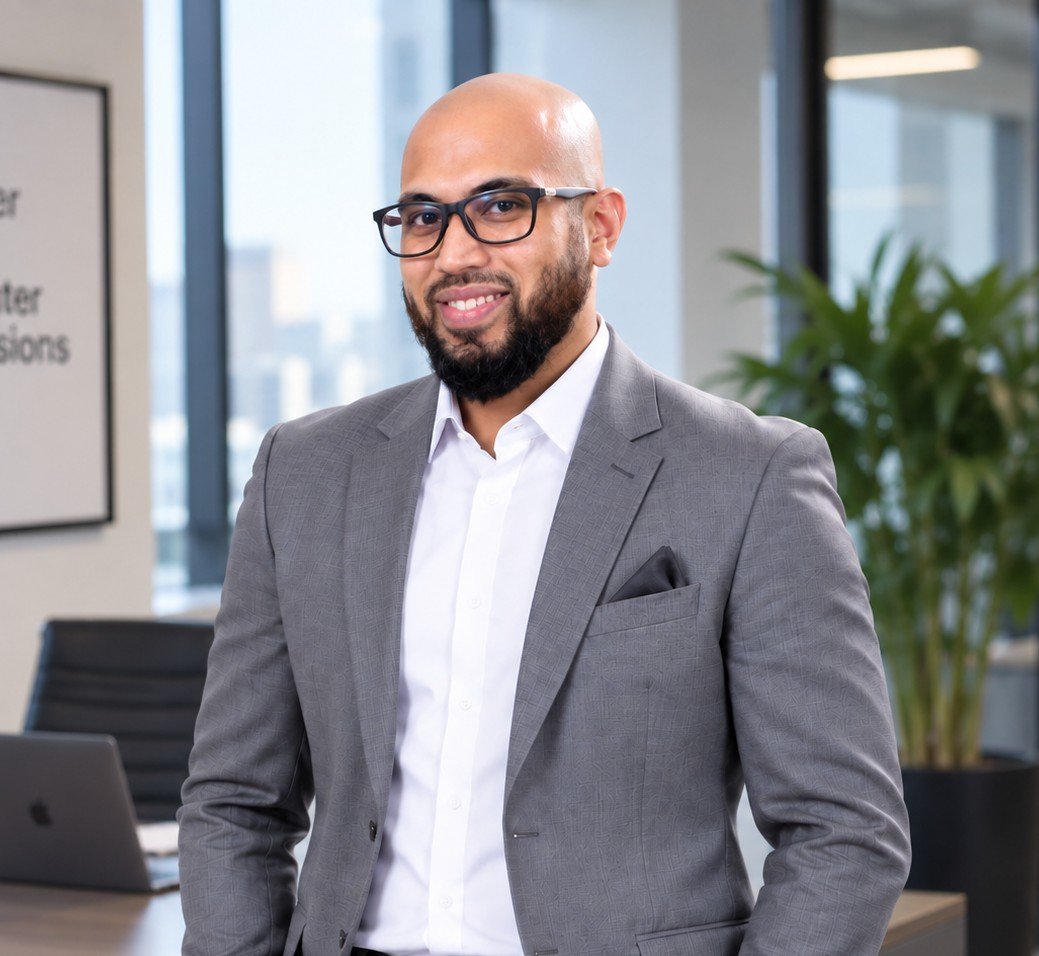
Nasehuddin Mohammed is the Co-Founder and Head of Technology at Zawjaan, where he leads product quality and the platform’s technological development. His work spans user experience and interface development, matchmaking strategies, and community-centred communication experiences designed to help Muslims build serious, marriage-minded connections.