


Meet Ubari Muslim Men Online
Online platforms have become important for connecting with Ubari Muslim men, especially given the town’s remote location. Many Muslim women use dedicated matrimonial sites and apps that prioritise serious intentions and halal interactions. Creating a detailed profile with clear preferences for religious practice and family values can attract compatible matches. It is wise to use platforms that allow video calls and verify profiles, as this adds a layer of safety. When reaching out virtually, maintain respectful boundaries and involve family early in the conversation to build trust and transparency.
Ubari Muslim Men for Marriage
Marriage in Ubari is deeply rooted in Islamic values and local customs. For Muslim women, seeking a husband among Ubari Muslim men means finding someone who can provide religiously and emotionally. Many families in the Fezzan prefer traditional matchmaking, where elders and relatives play a key role in introductions. However, modern approaches are gaining acceptance. The goal is to create a partnership based on mutual respect, shared faith and practical cooperation, essential for building a stable family life in a desert community.
Halal Dating with Ubari Muslim Men
Halal dating for Muslim women means getting to know a potential husband with clear Islamic boundaries. In Ubari, this often involves chaperoned meetings and discussions focused on values, lifestyle and marriage goals. Avoid private or intimate settings; instead, opt for public places like cafes or family homes. It is important to communicate openly but modestly, ensuring that both parties are serious about marriage. Halal dating is about companionship with the intention of nikah, not casual relationships.
Islamic Nikah in Ubari
The Islamic nikah is the core of a valid marriage in Libya. In Ubari, nikah ceremonies are typically conducted by an imam or a recognised Islamic authority, with two male witnesses. The mahr, a gift from the groom to the bride, is an essential part of the contract. Couples should discuss and agree on the mahr and any conditions upfront. After nikah, the marriage is legally registered with the civil authorities, so it is important to understand the legal requirements in Libya to ensure the marriage is recognised.
Halal Chat with Ubari Muslim Men
Halal chat with Ubari Muslim men should be conducted with adab and respect. Use platforms that allow text, voice and video, but keep conversations focused on getting to know each other for marriage. Avoid flirtatious or ambiguous language. It is helpful to have a family member or a trusted third party involved in the initial conversations. Remember that the goal is to assess compatibility and build a foundation for a halal relationship. Keep discussions open and honest, and always maintain Islamic etiquette.
Ubari Muslim Singles and Community Networks
Muslim singles in Ubari often rely on community networks and family introductions. Mosques and Islamic centres serve as hubs for social events and gatherings where families can meet. For Muslim women, attending community events with a mahram can increase chances of meeting eligible Muslim brothers. Female friends and relatives can also act as intermediaries. While online platforms offer convenience, local connections remain powerful. Knowing where to look, both online and offline, helps in finding a suitable match who shares your values.
Marriage Proposals and Khitbah in Ubari
In Ubari, a formal proposal, or khitbah, is a family affair. When a Muslim man expresses interest, his family typically approaches the woman’s family. It is customary to discuss the proposal with both families, and the woman has the right to accept or decline. The proposal includes terms of the nikah, such as mahr and living arrangements. For Muslim women, it is important to have a clear picture of the groom’s character and piety. Take time to pray istikhara and seek advice from trusted elders before accepting.
Physical Appearance of Ubari Muslim Men
In the realm of marriage, physical attraction matters, but it should be balanced with deeper qualities. When considering Ubari Muslim men, focus on overall appearance and grooming, as Islam encourages cleanliness and neatness. Look for someone who takes care of himself, as this often reflects self-respect and responsibility. Remember that beauty is relative and depends on personal preferences. Focus on what you truly want in a partner rather than societal standards.
Skin, Hair and Eye Colour
Skin, hair and eye colour vary widely among Ubari Muslim men due to the diverse ethnic heritage of the region, including Tuareg, Arab and sub-Saharan influences. Some men have darker skin, while others may be lighter. Hair can range from black to brown, and eyes from dark brown to hazel. These physical traits should not be a primary factor in choosing a spouse, but if you have a preference, it is natural to note it. What matters more is the character behind the appearance.
Occupation and Profession
Ubari’s economy is largely based on oil, agriculture and trade. Many Muslim men work in the oil industry, as engineers or technicians, while others are involved in farming or local businesses. Teaching and public service are also common. Understanding a man’s occupation helps assess his ability to provide and his lifestyle. It is wise to discuss his career plans, income stability and work hours, as these affect married life. Some men may also be self-employed or run family enterprises.
Height
Height preferences vary, but the average height for Ubari Muslim men is around 5 feet 9 inches or approximately 175 centimetres. If height matters to you, consider this as a general reference. However, focus on overall compatibility rather than a specific measurement. Many women find that other qualities, such as kindness and responsibility, outweigh height differences.
Ethnicity and Nationality
Ubari’s Muslim community is ethnically diverse, predominantly Tuareg and Arab. Some men may identify with both heritages. Cultural traditions, language and customs can differ between these groups, so it is important to understand your own preferences and family expectations. Interethnic marriages are common and accepted, but discussions about cultural practices, language use at home and extended family relations help ensure alignment. Respect for each other’s backgrounds is key.
Compatibility with Ubari Muslim Men
Compatibility in marriage goes beyond surface-level factors. For a lasting union with an Ubari Muslim man, consider religious, cultural and lifestyle alignment. This ensures that both partners can navigate life’s challenges together. The following dimensions provide a framework for assessing compatibility.
Religious Alignment
Faith is central to Muslim marriage. In Ubari, religious practice can range from traditional to more conservative. Discuss how each of you observes daily prayers, fasting and other Islamic duties. Alignment in these practices is crucial for a harmonious marriage. Some men may come from Sufi traditions, while others follow mainstream Sunni Islam. Understanding his level of commitment helps you decide if you are spiritually on the same path.
Cultural Compatibility
Cultural compatibility in Ubari involves understanding local customs around family, hospitality and celebrations. Tuareg and Arab traditions differ in music, dress and social norms. Talk about how you wish to celebrate Eid, handle weddings and interact with in-laws. Being open to each other’s cultural practices can enrich your marriage, but it requires compromise and mutual respect.
Local Muslim Culture
Life in Ubari is shaped by the desert and close-knit community. Social gatherings often involve family and neighbours, and privacy may be limited. Hospitality is a deep value. As a wife, you may be expected to participate in community events and maintain strong ties with extended family. Understanding these local expectations and being willing to adapt is important. Your husband’s family and community will likely play a significant role in your married life.
Ideological Viewpoints
Religious and political ideologies can vary among Ubari Muslim men. Some may be more conservative, while others are moderate. Discuss views on education, women’s roles and modern society. It is essential to respect each other’s perspectives, but significant ideological differences can cause conflict. Find common ground in core Islamic values and be willing to listen. If necessary, involve a trusted scholar or family member to mediate.
Lifestyle Compatibility
Daily routines in Ubari involve working, praying, and socialising with family and friends. Discuss your expectations about household responsibilities, leisure time, and social activities. Some men may have traditional views on gender roles, while others are more flexible. Consider your own career aspirations and support for each other’s goals. A compatible lifestyle reduces daily friction and fosters mutual satisfaction.
Family Expectations
In Ubari, families often have strong expectations about marriage, including involvement in decisions and living arrangements. Some couples may live with the husband’s parents initially. Discuss how you will manage relationships with in-laws, financial contributions and visits. Being clear about boundaries and responsibilities helps prevent misunderstandings. It is also important to respect your husband’s obligations to his family while establishing your own household and priorities.
Marriage Goals
Shared marriage goals provide a roadmap for your future together. Discuss whether you both want children, and how to raise them. Consider financial plans, such as saving for a home or supporting relatives. In Ubari, many families strive for self-sufficiency through agriculture or small businesses. Aligning on these goals ensures you work as a team. Revisit these discussions as circumstances change.
Relationship Expectations
Clearly define your expectations for your marriage relationship. Talk about communication styles, conflict resolution and emotional support. In a halal marriage, love and affection are encouraged within boundaries. Determine how you will maintain romance and companionship. Also discuss expectations regarding intimacy and privacy. Open, honest dialogue helps build a trusting and lasting bond.
How to Find Muslim Men in Ubari
To find Ubari Muslim men for marriage, utilise online platforms, community networks, and family connections. Attend mosque events, weddings and social gatherings with your mahram. Consider consulting a matchmaker or using marriage bureaus. Always involve your family in the process. Be patient and prayerful, seeking Allah’s guidance through istikhara.
1. Create a clear marriage profile
Phase 1: Profile CreationBegin by creating a detailed profile on a reputable Muslim matrimonial site. Include your religious practices, interests and preferences. Upload clear, modest photos.
2. Search locally and realistically
Phase 2: Local DiscoveryUse location filters to search for Muslim men in Ubari or Fezzan. Be open to matches from nearby towns if necessary. Verify profiles before engaging.
3. Begin respectful halal chat
Phase 3: Compatibility ScreeningInitiate halal chat with a respectful greeting. Keep conversations focused on marriage topics. Involve a chaperone if possible.
4. Arrange a public meeting
Phase 4: Face-to-Face CourtshipPlan a public meeting at a halal cafe or restaurant, such as those in Ubari’s main areas. Ensure a mahram is present or a trusted relative accompanies you.
5. Introduce both families
Phase 5: Family MeetingAfter mutual interest, introduce the man to your family. Allow both families to communicate and discuss the proposal formally.
6. Prepare the legal documentation
Phase 6: Legal DocumentationIn Libya, civil marriage requires registration with the local authorities. Prepare necessary documents like passports and birth certificates. Seek guidance if needed.
7. Complete the Islamic Nikah
Phase 7: Marriage ContractArrange the nikah with a local imam. Determine the mahr and have witnesses present. Register the marriage civilly after the ceremony.
Frequently Asked Questions
How can Muslim women meet serious Ubari Muslim men for marriage?
Utilise Muslim matrimonial websites and local community events. Mosques like the Grand Mosque of Ubari and family introductions are also effective. Consider involving a matchmaker.
What qualities should a Muslim woman look for in Ubari Muslim brothers?
Focus on religious commitment, responsibility, and kindness. Assess his family background and employment stability. Use istikhara and consult your family.
Is online matchmaking common among Ubari Muslim men?
Yes, many use online platforms due to the remote location. Ensure the platform is halal-focused and verify his identity before sharing personal details.
How does the nikah process work for Ubari Muslim grooms?
The nikah is held at a mosque or home with an imam, witnesses, and an agreed mahr. It must be registered civilly to be legally recognised in Libya.
What cultural norms affect matchmaking with Ubari Muslim men?
Family and community are central. You may need to meet with his family early. Respect traditions of hospitality and modesty. Be open to learning about Tuareg and Arab customs.
About the Author
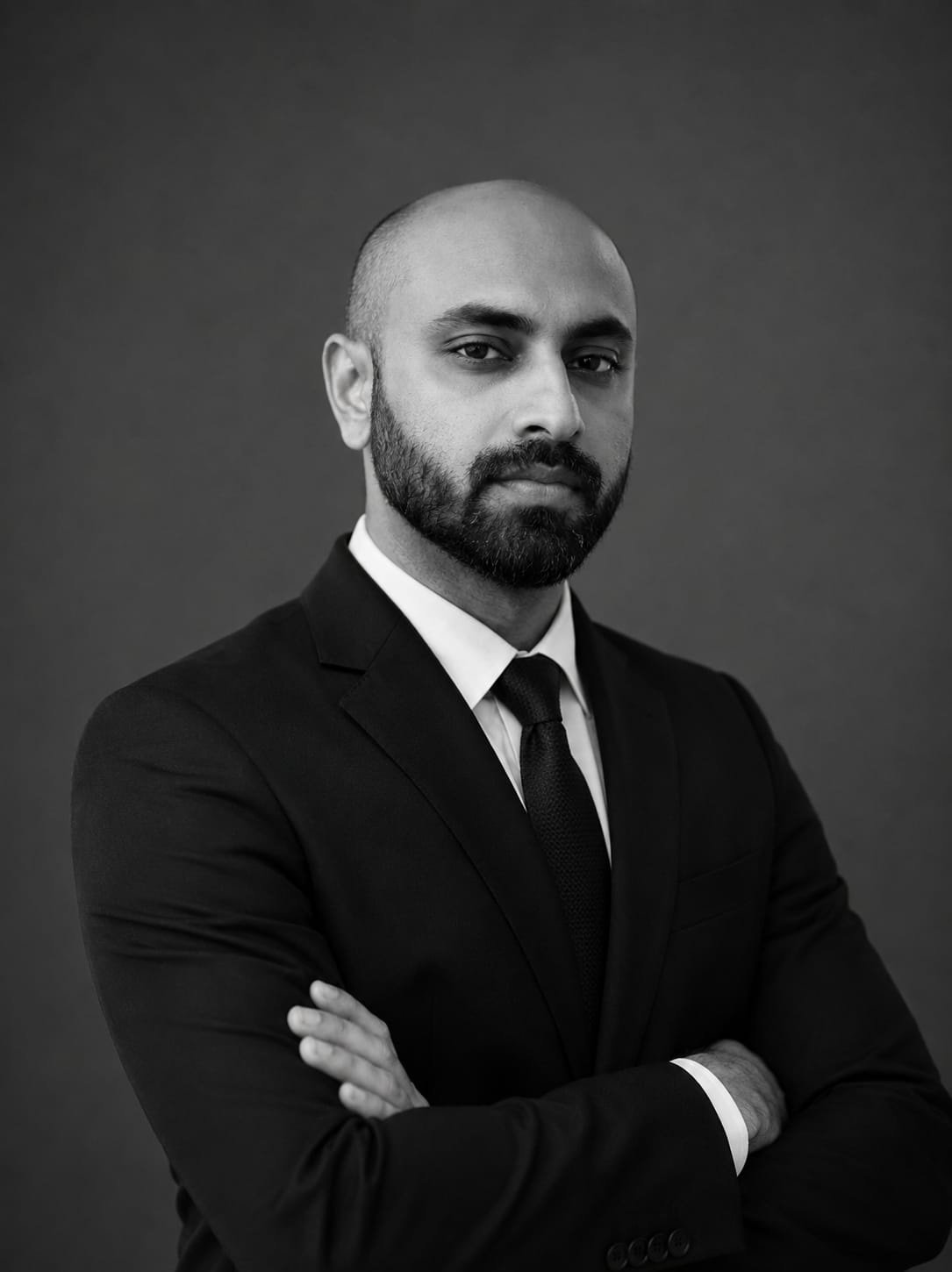
Arfan Shariff is the Co-Founder and Head of Operations at Zawjaan, overseeing platform operations, public relations and strategic partnerships. Drawing on his experience in community engagement, Arfan helps shape Zawjaan’s trusted, faith-centred and user-focused approach to Muslim matchmaking, promoting compatibility, authenticity and meaningful lifelong marriages.