


Meet Tripoli Muslim Men Online
For Muslim women in Tripoli, meeting Muslim men online has become a practical and respectful way to connect. Platforms like Zawjaan offer a halal environment where conversations begin with clear intentions. Many brothers working in the oil sector or studying abroad are open to meeting women through online channels, as it aligns with busy schedules. When searching for Tripoli Muslim men, it is essential to use a platform that prioritises privacy and Islamic etiquette, allowing initial conversations to be supervised and respectful, paving the way for meaningful connection.
Tripoli Muslim Men for Marriage
In Tripoli, marriage is seen as a sacred bond and a union of families. Muslim men in Libya often approach marriage with seriousness, valuing a partner who shares their faith and family values. The process typically involves the family from the start, with the man’s family often making the first move. For a Muslim woman, understanding this family-centric approach is crucial. It means that when a connection is formed, introductions to family are not just a formality but a fundamental step. Respect for this tradition can facilitate a smoother journey towards a happy union.
Halal Dating with Tripoli Muslim Men
Halal dating for Tripoli Muslim men and women is about getting to know each other within Islamic boundaries. This means avoiding any physical intimacy and ensuring that meetings are chaperoned or take place in public settings. In Tripoli, this might involve meeting at a café for a coffee, with the intention of marriage clear from the outset. The focus is on character and compatibility, not casual romance. By adhering to these principles, couples can build a foundation of trust and respect that is essential for a successful marriage.
Islamic Nikah in Tripoli
The Islamic Nikah is the cornerstone of marriage in Tripoli, and Muslim grooms are well-versed in its requirements. For a Libyan couple, the Nikah ceremony is a joyful occasion that brings together both families. It is typically conducted at a mosque or at home, with a qualified imam presiding. Legal documentation is handled separately, but the Nikah is spiritually binding. For Muslim women, understanding the process can alleviate concerns. It is a simple yet profound ceremony that signifies the couple’s commitment to each other and to Allah.
Halal Chat with Tripoli Muslim Men
Halal chat refers to messaging that is respectful, modest, and purposeful, especially for Muslim sisters interacting with the opposite gender. In the context of Tripoli, where social norms are conservative, online platforms offering halal chat are invaluable. This form of communication allows Muslim women to ask questions and share information about themselves without compromising their values. It is important to maintain decorum and keep conversations focused on marriage-related topics, such as faith, family, and future goals, rather than engaging in casual or flirtatious dialogue.
Tripoli Muslim Singles and Community Networks
Tripoli is home to a diverse community of Muslim singles, including professionals, students, and those working in the oil and gas sector. Many Muslim men are economically stable and seeking wives who are educated and family-oriented. For Muslim women, tapping into this community can be done through local events, introductions via relatives, or online platforms. It is noteworthy that many brothers hold degrees from local universities or have studied abroad, bringing a blend of traditional values and global perspectives. This makes the pool of potential matches rich and varied.
Marriage Proposals and Khitbah in Tripoli
In Tripoli, a marriage proposal (khitbah) is a formal affair involving both families. Typically, the man’s family visits the woman’s family to request her hand in marriage. This is a time-honoured tradition that shows respect and commitment. For Muslim women, the proposal is a moment when family approval is paramount. It is advisable for sisters to communicate their wishes to their families and to be open about any preferences regarding the groom’s character, education, and profession. A clear and respectful proposal process sets the stage for a transparent and blessed marriage.
Physical Appearance of Tripoli Muslim Men
When considering physical appearance, Muslim women may wonder what Muslim men in Tripoli value. It is common for Libyan men to appreciate well-groomed appearances and modest dressing in line with Islamic teachings. While individual preferences vary, kindness and inner beauty are highly regarded. Remember that beauty is relative and depends on personal preferences. Focus on what you truly want in a partner rather than societal standards.
Skin, Hair and Eye Colour
Libyan men may have a range of skin tones, from fair to dark due to the country’s diverse heritage. Hair and eye colour can vary, with many having dark hair and brown eyes, though lighter features are also present. In Tripoli, there is no universal preference for a specific colour; instead, men often look for a certain harmony and attractiveness in their prospective spouse. It is more important for a woman to present herself neatly and with confidence, using modest fashion that reflects her personality and faith.
Occupation and Profession
In Tripoli, many Muslim men are employed in the oil and gas industry, which is the backbone of the Libyan economy. Others work in engineering, healthcare, education, or run their own businesses. For Muslim women, understanding the career structure of a potential match is crucial for compatibility. A man’s occupation often dictates his availability and lifestyle. Brothers in stable jobs are generally seen as good prospects for marriage, as they can provide for a family. Women may also appreciate a partner who values their own career aspirations.
Height
Height might be a consideration for some, and in Tripoli, men often stand around 5 feet 9 inches or approximately 175 centimetres. However, height is rarely a dealbreaker. For Muslim women, focusing on a man’s religious practice and character is more important than his physical stature. A groom of any height can be a loving and supportive husband if his faith is strong and his intentions are pure.
Ethnicity and Nationality
Tripoli is a melting pot of cultures, and Muslim men in the city can be of Libyan, Arab, Berber, or a mix of backgrounds. Some families have Turkish, Italian, or sub-Saharan African roots due to historical ties. This diversity means that a Muslim woman will encounter a range of cultural traditions and languages. Being open to this diversity can be enriching, but it is also important to discuss cultural expectations early to ensure both families are compatible. Shared values and mutual respect often bridge cultural gaps.
Compatibility with Tripoli Muslim Men
Compatibility in marriage goes beyond shared interests; it involves aligning on fundamental aspects of life. For Muslim women looking at Tripoli Muslim men, it is vital to assess faith, family values, and future goals. A compatible partner will respect your ambitions and support your spiritual growth, creating a harmonious union.
Religious Alignment
In Tripoli, most Muslim men are Sunni and practice Islam in varying degrees of devotion. For a Muslim woman, it is important to find a man whose religious commitment matches hers. Some brothers may be very observant, attending prayers at mosques like the Gurgi Mosque, while others may have a more relaxed approach. Open discussions about prayer, fasting, and religious knowledge can help determine alignment and avoid conflicts later.
Cultural Compatibility
Cultural practices in Libya can vary between urban and rural families. Tripoli is more cosmopolitan, but traditions still hold sway. A Muslim woman should consider whether she is comfortable with the cultural norms of her potential spouse’s family, such as food, clothing, and social customs. It is advisable to discuss these openly and ensure that both partners are willing to adapt and respect each other’s cultural backgrounds.
Local Muslim Culture
In Tripoli, the local Muslim culture is steeped in hospitality and family honour. Mosques are central to community life, and attending prayers can be a way to meet families. The city’s neighbourhoods, such as the old town, have a rich heritage. A Muslim woman should be aware of the conservative nature of society and the importance of a good reputation. Engaging with the community through charitable events or religious lectures can facilitate introductions in a safe and respectful setting.
Ideological Viewpoints
There is a spectrum of ideological viewpoints among Tripoli Muslim men, from those who are more traditional to others who are open to modern interpretations. This can affect views on gender roles, education, and even politics. For a secularly educated woman, finding a brother with similar viewpoints is crucial. It is wise to discuss religious scholarship, the role of women in society, and family leadership early on to ensure that you are on the same page.
Lifestyle Compatibility
Lifestyle in Tripoli can vary from the laid-back pace of the old quarter to the more modern routines of areas like the Zawiya district. A Muslim woman should consider a man’s work hours, social habits, and leisure activities. Some may enjoy outdoor activities like trips to the Mediterranean coast, while others prefer quiet evenings at home. Finding a middle ground that allows for both personal space and togetherness is key to a fulfilling relationship.
Family Expectations
In Tripoli, family expectations play a significant role in marriage. Muslim men may feel pressure to uphold family traditions and may involve their parents in major decisions. For a Muslim woman, it is important to understand what her potential spouse’s family expects from her, such as living with extended family or contributing to family gatherings. Clear communication about boundaries and expectations can prevent misunderstandings and ensure that both partners feel supported.
Marriage Goals
Most Tripoli Muslim men seek a wife to build a family with, emphasising children and a stable home. However, some may also value a partner who shares their career ambitions or educational pursuits. For a Muslim woman, it is essential to discuss future goals, such as where to live, how to raise children, and financial planning. Aligning these goals early can help both partners work towards a common vision for their marriage.
Relationship Expectations
In a marriage with Tripoli Muslim men, there is often an expectation of traditional gender roles, with the husband as the provider and the wife as the homemaker. However, many couples now adopt a more egalitarian approach. A Muslim woman should discuss her expectations around chores, childcare, and decision-making to ensure that she finds a man who shares her vision of a balanced partnership.
How to Find Muslim Men in Tripoli
To find Tripoli Muslim men, Muslim women can start by asking family and friends for introductions, attending local events at mosques, or using dedicated platforms. It is also helpful to be specific about preferences and to engage with potential matches in a respectful manner. Patience and seeking Allah’s guidance are essential in this search.
1. Create a clear marriage profile
Phase 1: Profile CreationCreate a clear profile highlighting your faith, education, and values. Use modest photos and specify your intention of marriage. In Tripoli, where traditions matter, honesty is paramount.
2. Search locally and realistically
Phase 2: Local DiscoveryOn Zawjaan, set your location to Tripoli to match with local brothers. Engage in serious dialogue and consider community recommendations to expand your network beyond first-line contacts.
3. Begin respectful halal chat
Phase 3: Compatibility ScreeningUse respectful and modest language in messages. Discuss topics like deen and family. Avoid casual or ambiguous conversations. Always keep your boundaries clear.
4. Arrange a public meeting
Phase 4: Face-to-Face CourtshipWhen meeting publically, choose a halal café or restaurant such as those in the city centre. Ensure the meeting is chaperoned if preferred, and keep decorum.
5. Introduce both families
Phase 5: Family MeetingAfter initial mutual interest, arrange a formal introduction to families. In Libyan culture, this is a significant step and is often done by the man’s family visiting the woman’s family.
6. Prepare the legal documentation
Phase 6: Legal DocumentationCivil marriage in Libya is performed by the civil registry office. Ensure both parties have the necessary documents and attend an appointment to legally finalise the union.
7. Complete the Islamic Nikah
Phase 7: Marriage ContractThe Nikah ceremony is usually led by an imam and requires two male witnesses. It can be held at a mosque or at home. Arrange with a local mosque for support.
Frequently Asked Questions
How can Muslim women find serious Muslim men in Tripoli for marriage?
Muslim women can find serious Muslim men in Tripoli by using trusted online platforms, seeking family introductions, and attending community events like lectures at the Gurgi Mosque. Being explicit about marriage goals helps attract the right prospects.
What qualities do Tripoli Muslim men usually look for in a wife?
Tripoli Muslim men generally value religious devotion, family orientation, and educational background. They appreciate a woman who is modest, respectful, and supportive. Showing these traits in your profile and interactions can be effective.
Are Tripoli Muslim men open to arranged marriages?
Many Tripoli Muslim men are open to arranged marriages, as it is a common practice in Libyan society. Family approval is often important, so involving your family early can facilitate the process.
What is the role of family in matchmaking for Tripoli Muslim brothers?
In Tripoli, family plays a pivotal role. Muslim brothers often consult their parents and relatives before choosing a spouse. Building a good relationship with his family and showing respect can positively influence the match.
How can Muslim women verify the sincerity of Tripoli Muslim men met online?
To verify sincerity, engage in halal chat, ask for personal references, and request a video call. If possible, involve a family member to speak with him. Meeting his family in person early can also confirm his intentions.
About the Author
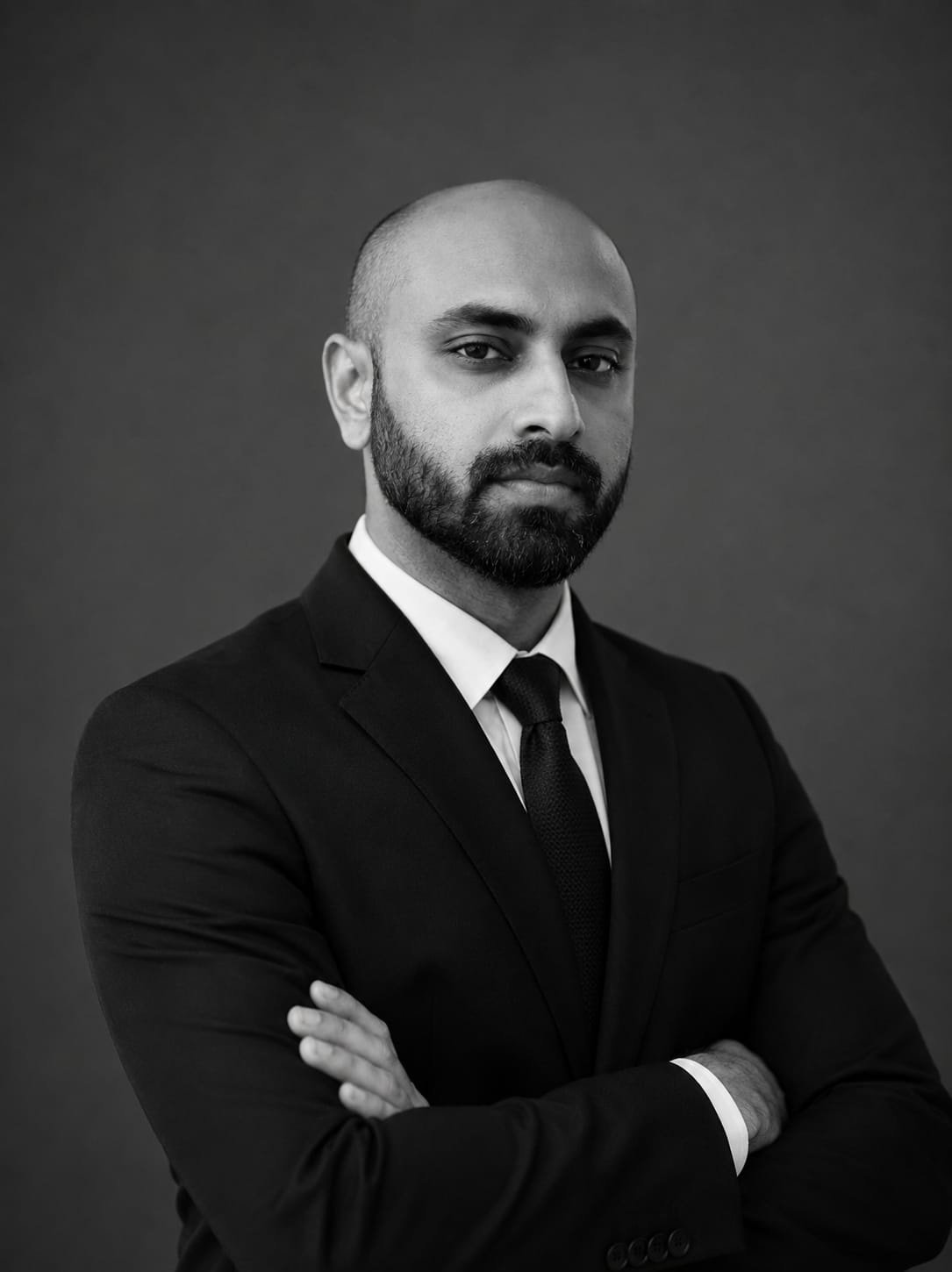
Arfan Shariff is the Co-Founder and Head of Operations at Zawjaan, overseeing platform operations, public relations and strategic partnerships. Drawing on his experience in community engagement, Arfan helps shape Zawjaan’s trusted, faith-centred and user-focused approach to Muslim matchmaking, promoting compatibility, authenticity and meaningful lifelong marriages.