

Meet Halba Muslim Men Online
For Muslim women in Halba, meeting potential Muslim men online offers a practical route that respects modesty and involves family oversight from the start. Reputable platforms allow women to create detailed profiles, specify preferences, and engage in structured conversations. In a town where community ties are strong, online introductions often lead to offline meetings arranged with a mahram present. Using filters for religious practice, educational background, and family values helps narrow the search. The key is to maintain clear boundaries, communicate honestly, and involve families early to ensure the process aligns with Islamic principles and local expectations.
Halba Muslim Men for Marriage
Marriage holds deep significance for Halba Muslim men, many of whom view it as a religious duty and a cornerstone of family life. In Akkar, the institution is often supported by extended families, with parents playing a central role in guiding decisions. For women seeking a serious commitment, understanding that these men typically prioritize loyalty, provision, and mutual respect is essential. Marriage in this context is not merely a personal bond but a union of families, requiring patience and clear communication. Local imams and community elders often provide guidance, helping couples navigate the path from engagement to Nikah.
Halal Dating with Halba Muslim Men
Halal dating in Halba operates within clear Islamic boundaries, avoiding physical intimacy and unchaperoned meetings. For Muslim women, this means engaging in conversations that focus on compatibility, faith, and life goals. In practice, halal dating might include meeting in public spaces like cafes in Halba or Tripoli, with a mahram or family member present. The aim is to assess suitability for marriage without compromising religious principles. Local customs in Akkar favour a respectable approach, where families are involved early, and the process moves deliberately towards engagement and Nikah.
Islamic Nikah in Halba
The Islamic Nikah is the formal marriage contract that Halba Muslim men and women undertake, requiring the consent of both parties and the presence of witnesses. In Lebanon, civil marriage is not universally recognised for Muslims, so the Nikah performed by a registered religious authority is the legally binding union. In Halba, couples typically arrange the Nikah through local mosques or sharia courts, ensuring the contract respects both religious and legal requirements. The ceremony is often followed by a walima, a feast hosted by the groom, symbolising the community’s support for the new marriage.
Halal Chat with Halba Muslim Men
Halal chat refers to conversations between prospective spouses that maintain Islamic etiquette: respectful language, no flirtation, and a focus on meaningful topics. For Muslim women in Halba, engaging in halal chat means setting boundaries early and utilising platforms that encourage family oversight. These conversations can cover religious practice, education, career aspirations, and family expectations, allowing both parties to assess compatibility without compromising modesty. In a conservative town like Halba, such chats are often a prelude to formal introductions, where families become involved and the dialogue continues in a more structured manner.
Halba Muslim Singles and Community Networks
Muslim singles in Halba often navigate a nuanced social landscape where traditional matchmaking and modern approaches intersect. For women, connecting with Muslim men may happen through local events, mosque gatherings, or word-of-mouth within extended families. However, the pool of eligible men in Halba itself may be limited, prompting many to look towards nearby cities like Tripoli or Beirut. Online platforms widen this search, allowing women to find Halba Muslim men who share their values, education, and marital goals, while maintaining the discretion and respect that the community values.
Marriage Proposals and Khitbah in Halba
In Halba, a proposal, or khitbah, is a formal step that typically begins with the man’s family approaching the woman’s family. For Muslim women, receiving a proposal involves careful consideration, often with the guidance of parents and relatives. The process may start with a halal introduction, followed by family meetings where both sides discuss compatibility, financial stability, and future plans. In Akkar, proposals are taken seriously, and women are expected to respond with clarity and respect. Once accepted, the engagement period allows the couple to get to know each other under family supervision, leading eventually to the Nikah.
Physical Appearance of Halba Muslim Men
Physical attraction is part of marriage, but Halba Muslim men often value modesty and natural beauty over flashy appearances. A woman’s character, faith, and family background typically carry more weight than outward looks. Remember that beauty is relative and depends on personal preferences. Focus on what you truly want in a partner rather than societal standards.
Skin, Hair and Eye Colour
In Lebanon’s diverse population, skin, hair, and eye colour vary widely among Halba Muslim men, reflecting a mix of Mediterranean and Middle Eastern heritage. Complexions range from fair to olive to darker tones, with hair colours from black to brown and even blonde. Eye colours may be brown, green, or hazel. These physical traits are often a matter of personal preference, and women are advised to consider them as minor factors in the larger picture of compatibility and faith.
Occupation and Profession
Many Halba Muslim men work in agriculture, trade, or public service, reflecting Akkar’s rural economy. Some commute to Tripoli or Beirut for employment in finance, engineering, or education. The region also has opportunities in healthcare and small businesses. For women, understanding a man’s occupation helps assess his ability to provide, an important consideration in marriage. However, a stable income is often valued more than a prestigious title, and many men take pride in honest work.
Height
Height is often a physical preference, but not a determinant of a successful marriage. Several Halba Muslim men are around 5 feet 9 inches or approximately 175 centimetres, which is considered average in Lebanon. Women may have their own preferences, but focusing on character, faith, and mutual respect is more important than a few centimetres.
Ethnicity and Nationality
Halba Muslim men are predominantly Arab, with roots in Sunni and Shia communities, as well as Alawite and other groups. Some may have Turkish or Kurdish ancestry. Lebanon’s history has created a mosaic of ethnicities, and Halba reflects this diversity. For women, understanding a man’s ethnic background can be relevant for cultural compatibility, but it is essential to avoid stereotypes and judge each individual on their character and religious commitment.
Compatibility with Halba Muslim Men
Compatibility in marriage requires considering multiple dimensions beyond attraction. For Halba Muslim men and women, shared values, religious practice, and lifestyle goals form the bedrock of a lasting union. Open conversations about these aspects during the courtship period help ensure that both partners are aligned.
Religious Alignment
For Muslim women, religious alignment with a potential husband in Halba means sharing similar levels of practice and understanding of Islam. Some men may be more conservative, attending the mosque daily, while others may be moderate. Discussing prayer habits, views on religious education, and the role of faith in daily life helps women assess compatibility. In Halba, the local mosque community often provides a context for these religious values.
Cultural Compatibility
Cultural compatibility in Halba involves understanding the customs and traditions that shape family life. This includes expectations around gender roles, hospitality, and community involvement. For women marrying a Halba man, respecting the Akkar region’s traditions while also maintaining her own cultural identity is key. Openness to learning and adapting strengthens the marital bond, as both partners integrate their backgrounds.
Local Muslim Culture
Halba’s Muslim culture is deeply rooted in family honour, community solidarity, and religious observance. Men may hold traditional views on family decision-making and expect a degree of interdependence with extended relatives. Women seeking marriage should be prepared for a culture where privacy is limited and community opinions matter. Engaging with the local community through mosques and events can help women understand these dynamics and build supportive relationships.
Ideological Viewpoints
Ideological differences can arise in political or theological views, especially in Lebanon’s complex sectarian landscape. Halba Muslim men may have varying opinions on national issues, and these can affect family discussions. For a harmonious marriage, it is wise to discuss major ideological topics early, ensuring that both partners can respectfully agree to differ or share similar perspectives. This avoids future conflicts.
Lifestyle Compatibility
Lifestyle compatibility includes habits around daily routines, leisure activities, and social interactions. In Halba, men may enjoy spending time with friends in cafes, participating in community events, or engaging in outdoor activities like hunting or farming. Women should consider whether their preferred lifestyle aligns with their partner’s, such as expectations around home management, socialising, and family time.
Family Expectations
Family plays a central role in a Halba Muslim man’s life, and his expectations often involve close ties with parents and siblings. A wife is typically expected to integrate into the family, respecting elders and participating in gatherings. Women should discuss how much time will be spent with extended family, living arrangements, and decision-making processes. Understanding these expectations helps prevent misunderstandings.
Marriage Goals
For Halba Muslim men, common marriage goals include building a stable family, raising children with Islamic values, and achieving financial security. They may also seek a partner who is supportive of their career and family obligations. Women should communicate their own goals, such as education or career aspirations, to ensure that both partners work towards a shared future.
Relationship Expectations
In a marriage with a Halba Muslim man, relationship expectations often encompass mutual respect, emotional support, and shared responsibility. While traditional roles are common, many men are open to modern partnerships where both spouses contribute. Women should express their needs for communication and affection, while also being prepared for a relationship that values the husband’s role as a provider and protector.
How to Find Muslim Men in Halba
To find Halba Muslim men for marriage, women can start by attending events at local mosques, such as Umar bin Abdul Aziz Mosque, and asking community elders for recommendations. Online platforms focused on Muslim matrimony, combined with family networks, are also effective. Being clear about intentions and involving a mahram builds trust.
1. Create a clear marriage profile
Phase 1: Profile CreationCreate a profile that honestly reflects your faith, education, and family background, and clearly state your intention of seeking a serious, Islamic marriage to Halba Muslim men.
2. Search locally and realistically
Phase 2: Local DiscoveryUse local filters to search for men in Halba, Akkar, and nearby areas, and consider expanding to Tripoli if the search is limited.
3. Begin respectful halal chat
Phase 3: Compatibility ScreeningEngage in respectful conversations that focus on religious practice, values, and marriage goals, avoiding flirtatious talk and keeping family involvement in mind.
4. Arrange a public meeting
Phase 4: Face-to-Face CourtshipWhen meeting publicly, choose a well-known cafe or restaurant with a halal environment, and always have a mahram or family member present, as is customary in Halba.
5. Introduce both families
Phase 5: Family MeetingIntroduce each other to your families early, in line with Lebanese customs, and arrange formal meetings where both sets of parents can discuss future plans.
6. Prepare the legal documentation
Phase 6: Legal DocumentationConsult a local authority to understand civil marriage requirements, and prepare the necessary documents for Lebanon and your own country of residence.
7. Complete the Islamic Nikah
Phase 7: Marriage ContractArrange the Nikah through a registered religious official in a mosque or court in Halba, ensuring all legal and religious conditions are met.
Frequently Asked Questions
How can Muslim women meet Halba Muslim men for a serious marriage?
You can meet Halba Muslim men through family networks, mosque events like those at Umar bin Abdul Aziz Mosque, and reputable online matrimonial sites. Always involve a mahram and prioritise compatibility.
What should Muslim women know about the marriage process with Halba Muslim men?
The process typically involves family introduction, formal proposal, and Nikah. Be prepared for strong family involvement and cultural expectations. Patience and open communication are key.
Do Halba Muslim men accept foreign or non-Lebanese Muslim women?
Many do, but cultural differences need discussion. Respect for local traditions and openness to family integration are important. Negotiate your own expectations while honouring his culture.
Where can Muslim women find halal venues for meetings with Halba Muslim men?
In Halba, family homes and local cafes are common. For more options, Tripoli offers halal restaurants like Abu Fadi. Always choose public places and have a mahram nearby.
How can Muslim women ensure compatibility with Halba Muslim men?
Discuss religious practice, family expectations, career goals, and lifestyle. Ask about his views on finances, children, and in-law relationships. Clear communication during courtship prevents surprises.
About the Author
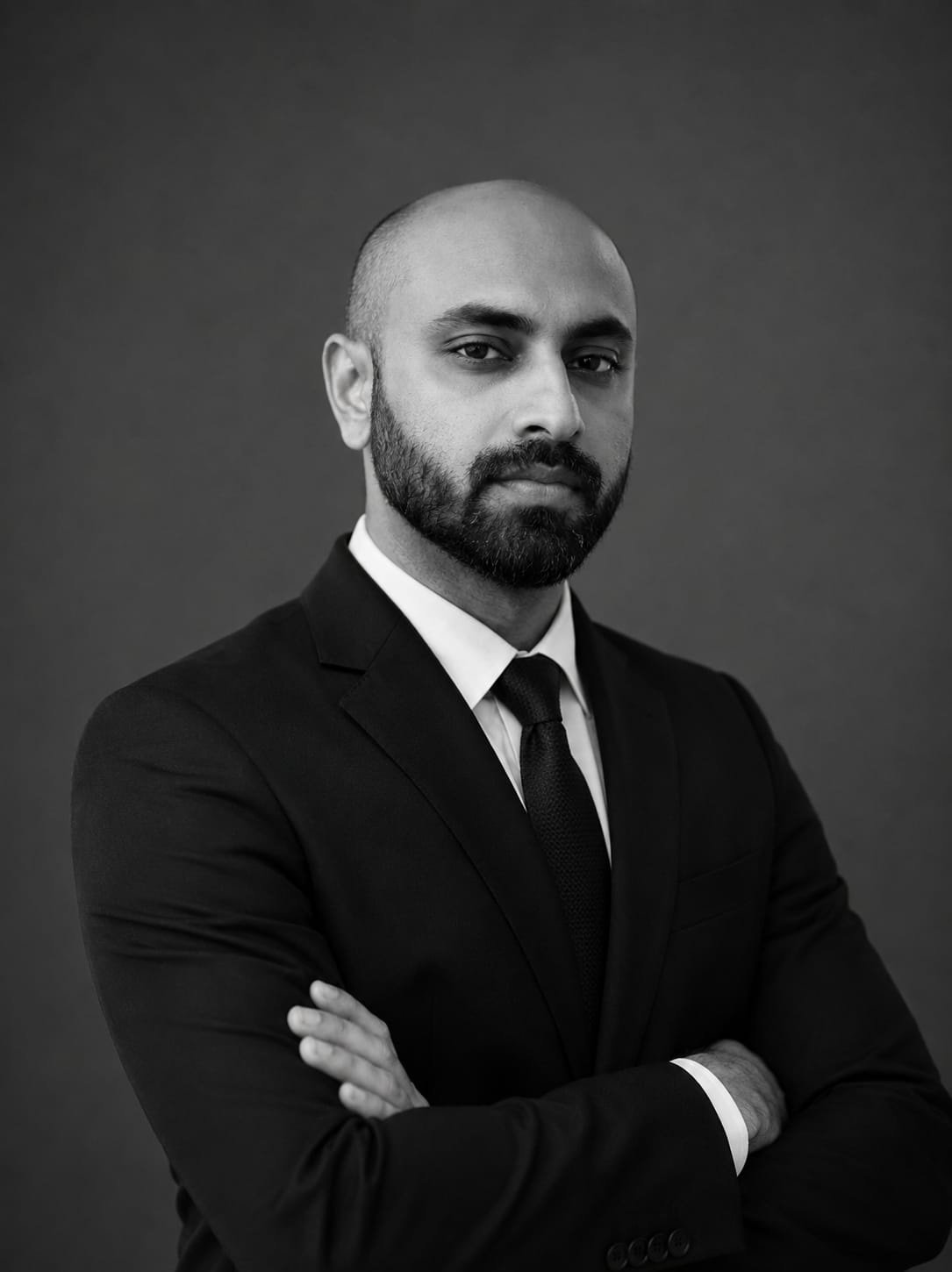
Arfan Shariff is the Co-Founder and Head of Operations at Zawjaan, overseeing platform operations, public relations and strategic partnerships. Drawing on his experience in community engagement, Arfan helps shape Zawjaan’s trusted, faith-centred and user-focused approach to Muslim matchmaking, promoting compatibility, authenticity and meaningful lifelong marriages.