

Meet Baabda Muslim Men Online
For Muslim women in Baabda, online matchmaking has become a practical way to meet eligible Muslim men while respecting Islamic boundaries. Platforms like Zawjaan allow you to filter by religious practice, ethnicity, and family values, making it easier to find someone aligned with your goals. Many Baabda residents work in Beirut, so digital introductions can bridge the gap between busy schedules and the desire for a serious relationship. When creating a profile, be honest about your intentions and your expectations, and always involve a guardian or trusted family member in early conversations to maintain halal standards.
Baabda Muslim Men for Marriage
Marriage in the Lebanese Muslim community is seen as both a personal commitment and a union of families. In Baabda, many couples meet through family referrals, community events, or online platforms, but the final decision often involves parental approval. Islamic teachings encourage marriage as a means of completing half of one’s faith, and this perspective shapes how Baabda Muslims approach the search. Understanding that marriage here is not just about two individuals, but about building a broader family network, is key for Muslim women seeking a husband in this region.
Halal Dating with Baabda Muslim Men
Halal dating in Baabda involves supervised meetings, often with family members or in public places, and a clear focus on marriage. Unlike casual dating, the goal is to evaluate compatibility while remaining within Islamic guidelines. For Muslim women, this means getting to know a potential spouse through respectful conversations, seeking advice from trusted elders, and praying Istikhara for guidance. Baabda’s numerous quiet cafes and parks provide suitable settings for such meetings, where couples can talk without compromising their values or inviting unnecessary gossip.
Islamic Nikah in Baabda
The Nikah is the sacred Islamic marriage contract that formalises the union before Allah. In Baabda, the ceremony is typically performed at a mosque or in the bride’s home, with a qualified imam presiding. The process involves the mahr (dowry), the consent of both parties, and the presence of two male Muslim witnesses. For Muslim women, understanding the Nikah’s requirements is essential to ensure their rights are protected. Local imams at mosques like the Baabda Mosque can provide guidance and can also help couples prepare for a marriage that begins on a solid Islamic foundation.
Halal Chat with Baabda Muslim Men
Halal chat refers to conversations between potential spouses that are conducted respectfully and with the intention of marriage. In Baabda, this often happens through messaging apps or online platforms, but with boundaries: no private meetings without a chaperone, no intimate talk, and a focus on serious topics. For Muslim women, it is important to set these boundaries from the start. Chatting can be a valuable way to learn about a man’s character, Deen, and life goals, but it should always be done openly, with the knowledge of family, and should lead to a proper meeting under halal conditions.
Baabda Muslim Singles and Community Networks
Muslim singles in Baabda are part of a vibrant community that, while not as large as in Beirut, offers ample opportunities to connect. Many young professionals return to Baabda after studying or working abroad, bringing diverse experiences. Community gatherings, such as iftars during Ramadan or Mawlid celebrations, are excellent places to meet families and potential spouses. Additionally, local organisations like the Islamic Charitable Association in Baabda host events that encourage respectful introductions. For Muslim women, these settings provide a culturally comfortable environment to interact with Muslim men who share similar values.
Marriage Proposals and Khitbah in Baabda
In Lebanese tradition, the proposal, or Khitbah, is a formal step that follows family approval. Once a Muslim man’s family expresses interest, they typically visit the woman’s family to request her hand in marriage. For Muslim women in Baabda, this process is a sign of respect and seriousness. It is customary for the man to bring gifts, and for both families to discuss the future, including financial stability and living arrangements. The Khitbah is not yet the Nikah; it is a period of engagement during which the couple can get to know each other within halal boundaries, while always with the involvement of both families.
Physical Appearance of Baabda Muslim Men
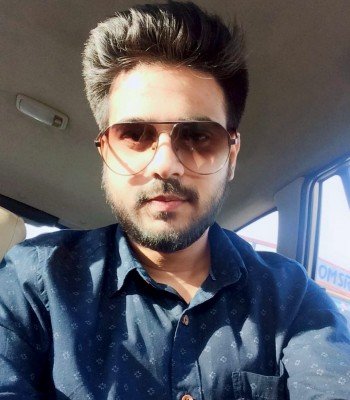
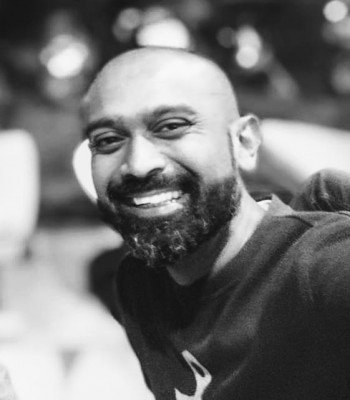
Physical appearance plays a role in initial attraction, but in a serious Islamic marriage, character and faith carry greater weight. In Baabda, Muslim men are often described as well-groomed and modestly dressed, usually in smart casual attire. Remember that beauty is relative and depends on personal preferences. Focus on what you truly want in a partner rather than societal standards. A man’s smile, manners, and the care he takes in presenting himself can be more telling than conventional good looks.
Skin, Hair and Eye Colour
Skin, hair, and eye colour vary widely among Muslim men in Baabda, reflecting Lebanon’s diverse heritage. Some have fair skin with light eyes, while others have olive or darker complexions and dark hair. Islamic teachings encourage looking beyond colour to a person’s piety and character. In Baabda, you will encounter a spectrum of appearances, and it is wise to keep an open mind. The Prophet Muhammad, peace be upon him, advised seeking a partner with good character and Deen, which remains the most relevant criterion.
Occupation and Profession
Baabda Muslim men are often employed in sectors that reflect the local economy: public administration, education, healthcare, engineering, and the service industry. Many commute to Beirut for work in banking or technology. When considering a potential husband, it is sensible to discuss his career ambitions, income stability, and how he balances work with religious duties. A man who is diligent in his profession is often also responsible in his personal life, but always look for evidence of ambition and honesty.
Height
Height is a personal preference for many women. In Baabda, the average height for men is around 5 feet 9 inches or approximately 175 centimetres, which is also the reference for this guide. Whether a man is taller or shorter, what matters more is his character and how he treats you. Avoid making height a decisive factor, as compatibility in faith and values is far more important for a successful marriage.
Ethnicity and Nationality
Lebanon is a mosaic of ethnic and cultural backgrounds, and Baabda reflects this diversity. You will find Muslim men of Lebanese Arab heritage, as well as those with Palestinian, Syrian, or Armenian roots, each with their own customs and traditions. For Muslim women, this diversity offers a chance to find a partner who shares your values while bringing unique cultural richness. Discussing ethnicity openly is important, but it should not overshadow shared faith and mutual respect.
Compatibility with Baabda Muslim Men
Compatibility is a broad concept that encompasses faith, lifestyle, family background, and personal goals. In Baabda, where communities are often tightly knit, ensuring that you and a potential husband are aligned in these areas is crucial for a harmonious marriage.
Religious Alignment
Religious alignment is about the level of practice and understanding of Islam. In Baabda, Muslim men range from those who attend mosque daily to those who observe major holidays. It is important to discuss your expectations regarding prayer, fasting, and Islamic knowledge. A couple who shares the same commitment to faith is more likely to build a home where Islam is the centre of family life.
Cultural Compatibility
Cultural compatibility involves shared customs, language, and traditions. In Baabda, local customs include celebrating the month of Ramadan with family gatherings and observing traditional wedding practices. A Muslim man who appreciates these traditions and understands your cultural background will find it easier to integrate into your family. Discussing how you both envision cultural celebrations can help prevent future misunderstandings.
Local Muslim Culture
Baabda’s Muslim culture is influenced by its proximity to Beirut and its own suburban identity. Many families are moderate in their practice, valuing both Islamic principles and modern living. The local Muslim culture places a strong emphasis on hospitality, respect for elders, and community solidarity. When getting to know a Baabda Muslim man, observing how he interacts with his family and neighbours can give you insight into his character.
Ideological Viewpoints
Ideological viewpoints within the Muslim community can vary. In Baabda, you may meet men who are traditional, modernist, or inclined towards specific Islamic movements. It is important to engage in respectful conversations about religious and social issues to gauge alignment. Disagreements are natural, but a shared foundation in core Islamic beliefs and a willingness to listen are essential for a strong marriage.
Lifestyle Compatibility
Lifestyle compatibility relates to daily habits, social activities, and financial management. In Baabda, many men enjoy spending time with family, socialising at cafes, and participating in community events. Consider whether a potential husband is active or more home-oriented, and how he expects to manage finances. These practical aspects of life are often the biggest tests of a marriage.
Family Expectations
In Lebanese culture, family expectations play a significant role in marriage. Many Baabda Muslim men are close to their mothers and expect their wives to maintain strong ties with in-laws. It is crucial to discuss roles within the family, including living arrangements after marriage, childcare expectations, and the level of involvement from extended family. Clear communication on these matters can prevent many conflicts.
Marriage Goals
Marriage goals include shared visions for the future, such as having children, career plans, and financial security. In Baabda, some couples aim to live in the suburbs while others plan to move abroad. Discussing these goals early helps ensure that both partners are working towards the same life. A Muslim man who can articulate his goals and is willing to compromise is a sign of maturity.
Relationship Expectations
Relationship expectations revolve around communication, support, and affection. In a halal marriage, both partners have rights and responsibilities. In Baabda, many Muslim men expect a wife who is supportive of their career and who maintains a warm home environment. Conversely, they should be expected to provide emotional and financial support, and to treat their wife with kindness. In amicable discussions about these roles, you can build a foundation of trust.
How to Find Muslim Men in Baabda
Finding a compatible Muslim man in Baabda starts with clear intentions and a pragmatic approach. Utilise online platforms like Zawjaan, attend community events at local mosques, and inform family and friends of your search. Be proactive while remaining within Islamic guidelines, and always involve trusted individuals in the process.
1. Create a clear marriage profile
Phase 1: Profile CreationCreate a profile on Zawjaan highlighting your faith, values, and what you seek in a spouse. Include clear photos and be honest about your background.
2. Search locally and realistically
Phase 2: Local DiscoveryUse search filters to narrow down Muslim men in Baabda and nearby Beirut. Look for those who share your religious and educational aspirations.
3. Begin respectful halal chat
Phase 3: Compatibility ScreeningEngage in discussions that are respectful and focused on Deen and character. Avoid taking conversations offline until both families are involved.
4. Arrange a public meeting
Phase 4: Face-to-Face CourtshipArrange a meeting in a public place like a cafe in Baabda, preferably with a chaperone. Discuss important topics and observe how he interacts with others.
5. Introduce both families
Phase 5: Family MeetingIf both parties agree, involve families. A formal visit from his family to yours is customary to discuss the potential match in a halal manner.
6. Prepare the legal documentation
Phase 6: Legal DocumentationBefore the Nikah, complete all legal requirements for marriage in Lebanon, including paperwork at the local civil registry and any religious preliminary steps.
7. Complete the Islamic Nikah
Phase 7: Marriage ContractFinalise the Nikah with a mosque or imam in Baabda. Ensure you understand the mahr and your rights as a wife, and celebrate this blessed union with loved ones.
Frequently Asked Questions
How can Muslim women meet Baabda Muslim men for serious marriage?
Start by using Islamic marriage platforms like Zawjaan, which cater to serious intentions. Additionally, attend events at local mosques and community centres, and let family and friends know you are looking. Many Baabda residents are open to introductions through trusted channels.
What qualities do Baabda Muslim men typically look for in a wife?
Our profiles suggest that most Baabda Muslim men value piety, family-oriented traits, and a pleasant character. While appearance matters, they often prioritise religious commitment and the ability to build a harmonious home. Clear communication about expectations is key.
How do Baabda Muslim men approach the idea of a halal relationship before Nikah?
Many Baabda Muslim men prefer to keep interactions respectful and supervised, often with family involvement. They may be cautious about dating non-halal norms and welcome structured time for engagement. Discuss boundaries and expected behaviours early to ensure both are comfortable.
Are Baabda Muslim men open to marrying someone from a different cultural background?
It depends on the individual and his family’s customs. While some families are conservative, others in Baabda have diverse backgrounds and are open. The best approach is to communicate honestly about your background and listen to his perspectives, while ensuring that faith is the common ground.
What should Muslim women expect during the proposal and Nikah process in Baabda?
Expect a formal proposal where his family visits yours, and discussions about mahr and living arrangements. The Nikah then takes place at a mosque or home, often led by an imam. In Baabda, it is common for the celebration to be modest but joyful.
About the Author
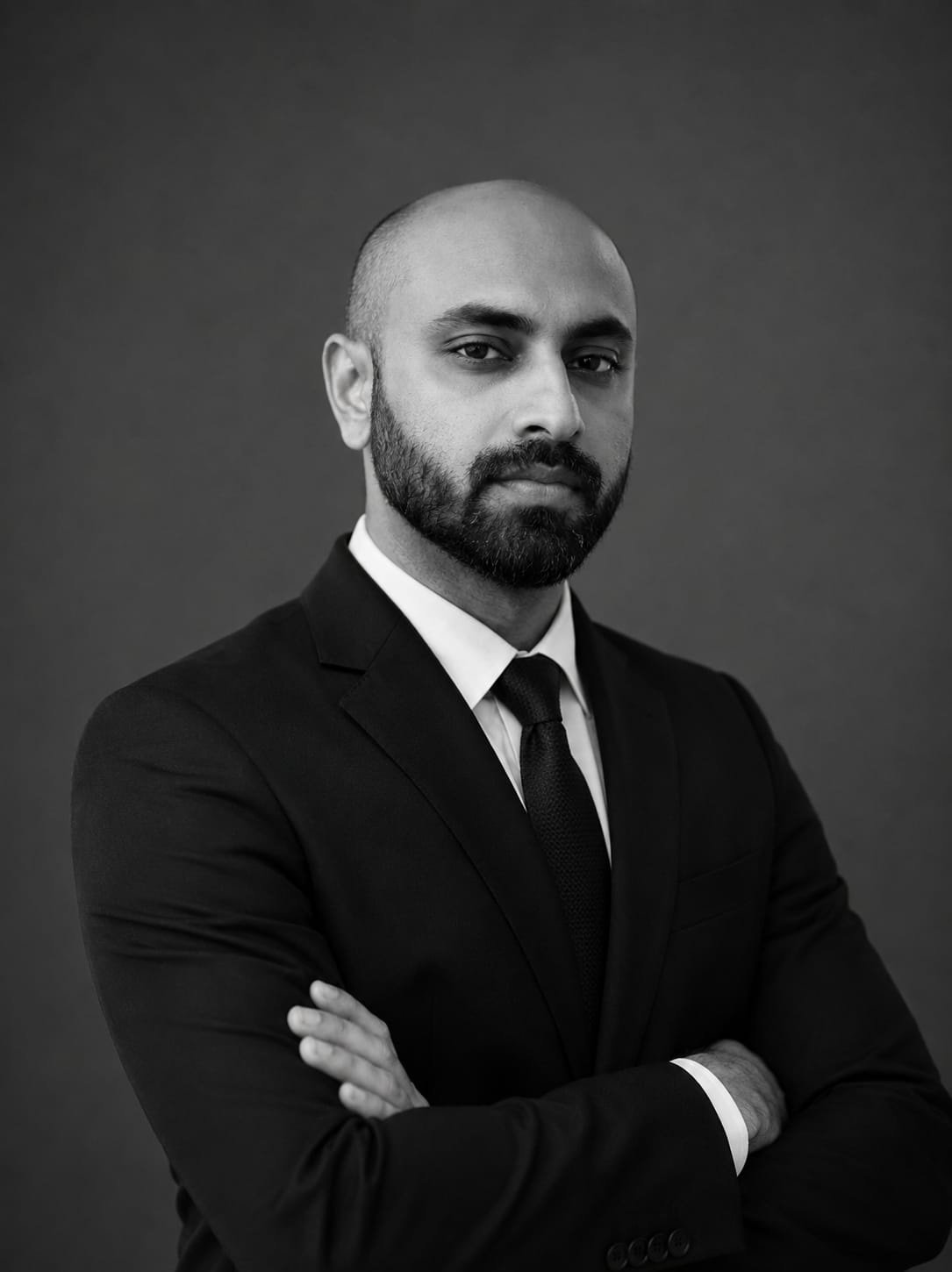
Arfan Shariff is the Co-Founder and Head of Operations at Zawjaan, overseeing platform operations, public relations and strategic partnerships. Drawing on his experience in community engagement, Arfan helps shape Zawjaan’s trusted, faith-centred and user-focused approach to Muslim matchmaking, promoting compatibility, authenticity and meaningful lifelong marriages.