



How Serious Marriage Intent in Kuwait Shapes Your Search for a Kuwaiti Husband
In Kuwait, marriage is not merely a personal choice but a family and community event. Recognizing the seriousness of this commitment helps you filter prospects effectively.
Many Kuwaiti men approach marriage with a clear intention to build a family, often influenced by cultural and religious expectations. However, the degree of seriousness can vary, so it’s vital to assess each potential husband individually.
Look for signs of genuine commitment, such as his willingness to involve his family early, his clarity about future goals, and his respect for your family’s role. A serious Kuwaiti groom will prioritise halal communication and avoid ambiguity.
Understand that in Kuwait, marriage often involves extended family logistics, financial planning, and a shared vision for Islamic upbringing of children. Aligning on these fundamental points early prevents later misunderstandings.
Zawjaan’s profile indicators can help you identify men who have provided meaningful information about their marital intentions, making your search more efficient.
- Seek profiles that state clear marital goals and family aspirations.
- Observe how consistently he communicates and whether he respects boundaries.
- Ask about his family’s role in the marriage process and his readiness to involve them.
- Note if he discusses future plans that include religious and cultural compatibility.
Assessing Genuine Readiness
A Kuwaiti man serious about marriage will typically be financially and emotionally prepared. He should be ready to discuss housing, work-life balance, and his vision for a shared Islamic life.
Look for proactive behaviour, such as him initiating conversations about the nikah process or seeking to meet your family within an appropriate timeframe.
- He openly discusses the practicalities of marriage, such as accommodation and finances.
- He involves his parents or a trusted advisor in the early stages of the process.
- He demonstrates respect for your time and doesn’t rush but stays purposeful.
Understanding the Muslim Community in Kuwait and Its Impact on Your Choice of Husband
The Muslim community in Kuwait is diverse, with a mix of Kuwaiti nationals and expatriates from many countries. This diversity influences how marriages are arranged and what values are prioritised.
Kuwaiti society is predominantly Muslim, and Islamic values permeate daily life. However, ‘Kuwaiti culture’ is not monolithic; families may have different traditions, so it’s important to explore each prospect’s specific family background.
Community gatherings, such as weddings and religious events, are places where families network. A potential husband who is well-regarded in his community may be a strong sign of good character.
Be aware that some Kuwaiti men may have been influenced by liberal lifestyles, while others remain more traditional. Your own deen and expectations should guide you in assessing compatibility.
Zawjaan connects you with men from this community who are intentionally seeking marriage, allowing you to bypass random encounters and focus on serious candidates.
- Learn about the local mosque and community events that shape a man’s reputation.
- Understand that family tribes or clans may influence expectations in some Kuwaiti families.
- Consider how his upbringing in Kuwait affects his views on gender roles and marriage.
Interpreting Cultural Cues
In Kuwait, hospitality and generosity are highly valued. A man who demonstrates these qualities may be reflecting his family’s values, which are often crucial in a marriage.
However, do not equate cultural habits with religiousness. Always assess his personal commitment to Islam through consistent prayer, honesty, and treatment of others.
- Observe how he treats waiters and service staff during meetings.
- Ask about his relationship with his parents and how he balances modernity with tradition.
- Note if he prioritises Islamic values over social status.
Evaluating Deen and Character in a Kuwaiti Muslim Man: Key for a Compatible Marriage
A strong foundation in deen and character is the best predictor of a successful Islamic marriage. This section guides you in assessing these qualities in Kuwaiti men.
In Kuwait, religion is often intertwined with social identity, but a true practice of deen goes beyond appearances. Look for a man who prays regularly, speaks with honesty, and demonstrates humility.
Character is revealed in how he handles disagreements and stress. A marriage-minded Kuwaiti man will exhibit patience and a willingness to seek Islamic guidance in resolving conflicts.
Compatibility extends to values and lifestyle preferences. Discuss topics such as modesty, family roles, and your shared aspirations for raising Muslim children.
Zawjaan’s detailed profiles allow you to see a man’s self-description of his religious observance, helping you match on deen and character from the start.
- Engage in deep conversations about your understanding of Islam and how you apply it daily.
- Seek references from mutual acquaintances or community members about his reputation.
- Observe his manners in online interactions and during family meetings.
- Assess his commitment to continuous learning of the deen.
Signs of Strong Character
A Kuwaiti mujtahid or a regular attendee of Islamic lectures may show dedication, but character is also seen in daily interactions. Honesty, punctuality, and respect for elders are positive indicators.
He should not shy away from discussing mahr and provisions, as these are essential parts of the Islamic marriage contract.
- He fulfils his promises and communicates openly.
- He shows respect for your opinions even when they differ.
- He seeks help from Islamic sources when facing challenges.
Kuwaiti Family Expectations and Involvement: What Muslim Women Should Know About a Potential Husband
Family involvement is a cornerstone of Kuwaiti marriage traditions. Understanding a man’s family dynamics is essential for evaluating long-term compatibility.
In Kuwait, the groom’s family often participates actively in the marriage process, from proposal to wedding arrangements. Expect that your potential husband will involve his parents early on.
Family expectations may include maintaining close ties, frequent gatherings, and respecting elders. Discuss with him how you both envision family interactions after marriage.
A Kuwaiti man who is independent in thought but deferential to his parents in important matters is often seen as ideal. Assess the balance he strikes between autonomy and familial duty.
Zawjaan allows you to indicate your openness to family involvement, ensuring you are matched with men who share your views.
- Ask about his relationship with his parents and siblings to gauge family dynamics.
- Understand the role of the wali in his family and how they expect to be involved.
- Discuss potential living arrangements, as many couples in Kuwait prefer independent homes.
Approaching the Family
When your suitor’s family expresses interest, it is customary to respond with respect and modesty. Your family may be invited to their majlis or home for a formal meeting.
This meeting is a significant step, so prepare to discuss your family’s expectations and to ask him questions about his. The tone should be mutual and respectful.
- Dress modestly and arrive with your wali or a trusted chaperone.
- Listen more than you speak, but ask essential questions about his faith and character.
- Follow up with a thank you note or message expressing your appreciation.
Halal Communication with a Kuwaiti Muslim Man: Respectful and Purposeful Online Interaction
Halal communication is vital in marriage-focused matchmaking. It ensures that conversations remain respectful, purposeful, and within Islamic boundaries.
On Zawjaan, all messaging is designed to be chaste and purposeful. You can safely get to know a Kuwaiti man without compromising your values.
Focus your conversations on topics that reveal character, such as faith, family, and long-term goals. Avoid idle talk that can lead to emotional attachment without commitment.
A serious Kuwaiti groom will respect boundaries and not push for inappropriate conversations or personal details too early. He will appreciate your modesty.
Use the platform’s features to signal your readiness for marriage, making it clear you are not interested in casual interaction.
- Start with broad questions about his daily life and religious practices.
- Gradually move to discuss marriage expectations and deal-breakers.
- Keep all initial conversations on the platform until comfort is established.
- Involve your wali in conversations before deciding to meet in person.
Balancing Friendliness and Boundaries
It is possible to be warm and informative while still maintaining proper Islamic etiquette. Avoid excessive compliments or emotional declarations until marriage is seriously being considered.
If a man respects your boundaries, it is a positive sign of his character and his seriousness about halal relationships.
- Use ‘salam’ and keep the tone respectful.
- Do not share private photos or location details prematurely.
- If a conversation goes off-topic, gently steer it back or end it politely.
Marriage-Focused Online Matchmaking: Finding Serious Kuwaiti Muslim Men on Zawjaan
Zawjaan is designed specifically for Muslims seeking marriage, offering a supportive environment to meet serious Kuwaiti men.
Unlike general social media, Zawjaan fosters a marriage-first environment where members are purpose-driven. This reduces time-wasting and encourages genuine connections.
Create a detailed profile that reflects your deen and personality, and clearly state your intention to find a husband. This attracts like-minded Kuwaiti men who are serious about nikah.
Use advanced search filters to narrow down candidates based on location, age, religious observance, and family intentions, ensuring you focus on those who meet your criteria.
Zawjaan’s success stories highlight many marriages between international Muslim women and Kuwaiti men, demonstrating the effectiveness of this platform.
- Complete every section of your profile to increase visibility to serious men.
- Use icebreakers that are respectful and marriage-focused to initiate conversations.
- Regularly check for new matches and respond promptly to show genuine interest.
Making the Most of Zawjaan
Be proactive in reaching out to men who meet your criteria, but also remain patient. The right Kuwaiti husband may be found after a few meaningful conversations.
Utilise the platform’s privacy features to control who sees your profile, ensuring you are comfortable throughout the process.
- Set your preferences for a Kuwaiti partner and familial involvement.
- Engage in thoughtful conversations and avoid superficial chats.
- Seek assistance from Zawjaan’s support if you have any concerns.
Preparing for Nikah and Mahr with a Kuwaiti Groom
Understanding the Islamic marriage contract and mahr expectations helps you approach discussions with clarity and confidence.
The nikah is a sacred contract that establishes your rights and responsibilities. In Kuwait, it is typically conducted by a ma’zoun (marriage officiant) and requires the consent of both parties and the bride’s wali.
Mahr is a mandatory gift from the groom to the bride, symbolising his commitment. Its value is agreed upon by both families and can be monetary, gold, or any valuable asset.
Islamic law allows mahr to be paid immediately, deferred, or part of both. Discussing this openly ensures mutual understanding and prevents future disputes.
In Kuwait, some couples choose to sign a legal marriage contract alongside the religious nikah. This document may include conditions agreed upon by both parties, provided they do not contradict Islamic principles.
- Agree on a specific mahr amount and delivery date to avoid ambiguity
- Decide if the mahr is immediate, deferred, or a combination
- Discuss post-nikah living arrangements and financial responsibilities
- Consider including any important conditions in the marriage contract
- Involve trusted family members in the negotiation to maintain transparency
What to Discuss Before the Nikah
Before the nikah, have a clear conversation about financial expectations, living arrangements, and the role of extended family. This helps align your visions for married life.
In Kuwait, it is common for families to be closely involved in wedding preparations. Discuss how much involvement each side expects to avoid misunderstandings later.
Kuwaiti Muslim Men: A Diverse Community, Not a Monolith
Kuwait is home to a diverse Muslim community. Judging a potential husband by his individual character is more reliable than assuming based on nationality.
Kuwaiti nationals are a minority in their own country, with expatriates making up a large portion of the population. This creates a rich cultural blend influenced by South Asian, Levantine, Egyptian, and other Gulf communities.
Muslim men in Kuwait may follow different schools of jurisprudence (Hanafi, Maliki, Shafi’i, Hanbali) and vary in religious practice, from deeply devout to more culturally observant.
While family traditions are important, each man’s deen, akhlaq, and seriousness about marriage must be assessed individually. Avoid assumptions based on ethnicity or nationality.
Ask questions about his religious practices, relationships with family, and views on gender roles. Consistency between his words and actions is a key measure of character.
- Attend local Islamic events and halaqas to meet diverse Muslim men in a halal setting
- Observe how he interacts with his own family and with unrelated women
- Ask about his involvement in the community and his close friendships
- Discuss how he balances religious obligations with work and social life
- Check references through mutual acquaintances or family connections
Signs of Genuine Deen and Character
A man’s deen is reflected in his daily actions, not just his appearance. Look for consistency in prayer, honesty in dealings, and respectful treatment of others.
Pay attention to how he speaks about past relationships and what he values in a spouse. This reveals his maturity and understanding of marriage.
Sharing Meals and Traditions with a Kuwaiti Husband
Food is central to Kuwaiti hospitality. Understanding culinary traditions helps you connect with his family and home life.
Kuwaiti cuisine reflects its coastal location and trade history. Machboos (spiced rice with meat or fish), gabout (grilled fish), and harees (wheat porridge) are favourites.
Families often gather for weekly meals, especially on Fridays after Jumu’ah. Being comfortable with shared dining and generous hospitality is part of married life.
During Ramadan, iftar spreads are abundant, and women may spend significant time preparing traditional dishes. Show interest in learning family recipes to build rapport.
At Eid, special sweets such as luqaimat and gahwa (Arabic coffee) are served to guests. Participating in these customs signals respect for his heritage.
Navigating Food Customs as a New Wife
Ask about family dietary preferences and any foods that are considered essential at gatherings. This shows you are thoughtful and attentive.
If you have dietary restrictions, communicate them respectfully. Most families will accommodate once they understand your needs.
Eid Customs and Dress for Kuwaiti Grooms and Wives
Eid in Kuwait combines religious devotion with cultural customs. Knowing what to expect helps you participate meaningfully.
Eid prayers are held in large musallas, followed by visits to family and friends. Men often wear new or best clothes, such as a thoub and ghutra, while women wear elegant abayas or colourful dresses.
Gifts of money (eidiya) are given to children, and sometimes to new brides. Being part of these exchanges strengthens family bonds.
As a wife, you may be expected to help host Eid gatherings and greet female relatives. Modesty and warmth are appreciated.
Couples may exchange thoughtful gifts. Discuss expectations with your husband to avoid imbalance.
- Join him for Eid prayers if appropriate and attend family gatherings
- Dress modestly but festively to honour the occasion
- Prepare small gifts or eidiya for children and in-laws
- Learn basic Arabic greetings suitable for Eid, such as “Eid Mubarak” and “Kul ‘am wa enta bi-khair”
Approaching Kuwaiti Parents and Family Respectfully
In Kuwaiti culture, family approval is often essential. Approaching his parents with respect and patience can greatly ease the process.
When the time is right, your prospective husband should formally inform his family about you. In Kuwait, this typically occurs early in the process to avoid embarrassment.
A careful sister should observe how he speaks about his family. If he cannot express his intentions to them respectfully, reconsider his readiness.
If you meet his family, dress modestly, offer polite greetings, and show genuine interest in their lives. Avoid discussing sensitive topics until trust is built.
Expect his mother and sisters to have influence. Building a good relationship with them can positively affect his family’s acceptance of you.
- Involve your own wali in formal discussions to demonstrate seriousness
- Agree with him on what to share and what to keep private during early talks
- Meet in a halal setting, preferably with family or chaperones present
- Follow his family’s lead regarding traditional formalities and timelines
- Be patient – family negotiations may take time, reflecting their care
The Role of the Wali in Kuwait
Your wali is your guardian and representative. If you are new to Kuwait, you may ask a trusted male relative or community leader to act as your wali.
A serious Kuwaiti groom will respect your wali’s involvement, as it aligns with Islamic tradition and demonstrates his commitment.
Kuwaiti Cities, Long-Distance, and Relocation for Marriage
Kuwait is a small country, but cities differ in lifestyle. Understanding these differences helps you plan your future home and handle distance.
Kuwait City is the commercial and cultural heart, with bustling streets and diverse expat communities. Suburban areas like Salmiya and Hawalli offer more relaxed, family-friendly settings.
Living costs vary by area, with higher rents in central and upscale districts. Discuss a budget with your husband to choose a home that fits.
Long-distance relationships are possible through serious matchmaking, but require a clear plan. Kuwaiti families value directness and commitment, so ensure you both are aligned on relocation timelines.
If you are moving from abroad, consider residency, work, and your support network. Many mosques and Islamic centres in Kuwait offer community activities for new arrivals.
- Research the neighbourhoods you are considering for safety, proximity to mosques, and community feel
- If you work, verify your employment rights and possible visa sponsorship
- Make friends with other Muslim women through local gatherings and halaqas
- Have an open conversation about domestic responsibilities and visiting family abroad
- Plan for acclimatisation – Kuwait’s summer heat is intense, so be prepared
Evaluating Readiness for Relocation
Ask your potential husband how he envisions your first year together. Does he support your need for a support network?
Long-distance courtship should include a defined timeline for nikah and moving. If he is vague, you may need to communicate your expectations clearly.
How to Assess Kuwaiti Muslim Men for Marriage
A marriage-focused process for Muslim women assessing a Kuwaiti Muslim man in Kuwait for serious Islamic marriage.
- Confirm serious marriage intention: Clarify that the Kuwaiti Muslim man is seeking marriage rather than a casual relationship, and establish clear halal communication boundaries from the beginning.
- Assess deen and character: Consider religious commitment, honesty, temperament, responsibility and consistency, rather than relying only on attraction or online conversation.
- Involve family or wali appropriately: Bring trusted family members or a wali into the process at a suitable stage so intentions, character and practical expectations can be assessed transparently.
- Discuss marriage expectations: Talk clearly about mahr, finances, work, housing, family roles, children, location and other responsibilities that could affect long-term compatibility.
- Agree the route towards Islamic nikah: If compatibility is strong, agree practical next steps for family discussions, any necessary civil requirements and preparation for an Islamic nikah.
Frequently Asked Questions
What is the typical mahr in Kuwait for Muslim grooms?
Mahr varies widely based on family background, education, and personal agreement. It can be a large amount, a symbolic sum, or a deferred gift. Both families usually discuss and agree on a fair amount that satisfies the bride. Communicate your expectations honestly.
How important is family approval for Kuwaiti men when marrying abroad?
Very important. Most Kuwaiti men seek their family’s blessing, especially their mother’s. If he is serious, he will involve his family early. If he keeps you a secret, that is a red flag. Assess his readiness by observing how he handles his family relationships.
Can I meet my potential Kuwaiti husband online and still follow halal guidelines?
Yes, through platforms like Zawjaan that prioritise serious marriage. Conversations should be purposeful, respectful, and aimed at assessing compatibility. Once there is genuine interest, both families should be involved, and chaperoned meetings can be arranged.
What should I know about Kuwaiti culture to avoid misunderstandings?
Kuwaiti society is family-oriented and courteous. Public affection is discouraged, and modesty in dress and speech is valued. Hospitality is significant. Learn about the local customs, but also understand that individual families may differ. Stay open and ask respectful questions.
How do I handle the long-distance phase with a Kuwaiti groom?
Set a provisional timeline for nikah and moving. Use video calls to involve your wali and his family. Consider a visit to Kuwait under chaperoned conditions to see where you might live. Regularly discuss your expectations and concerns to build trust.
What are some signs that a Kuwaiti man is serious about marriage?
He willingly introduces you to his family, involves a wali, asks detailed questions about your deen and lifestyle, and proposes a clear plan for the future. He respects your boundaries and communicates consistently. Serious men invest time, not just words.
About the Author
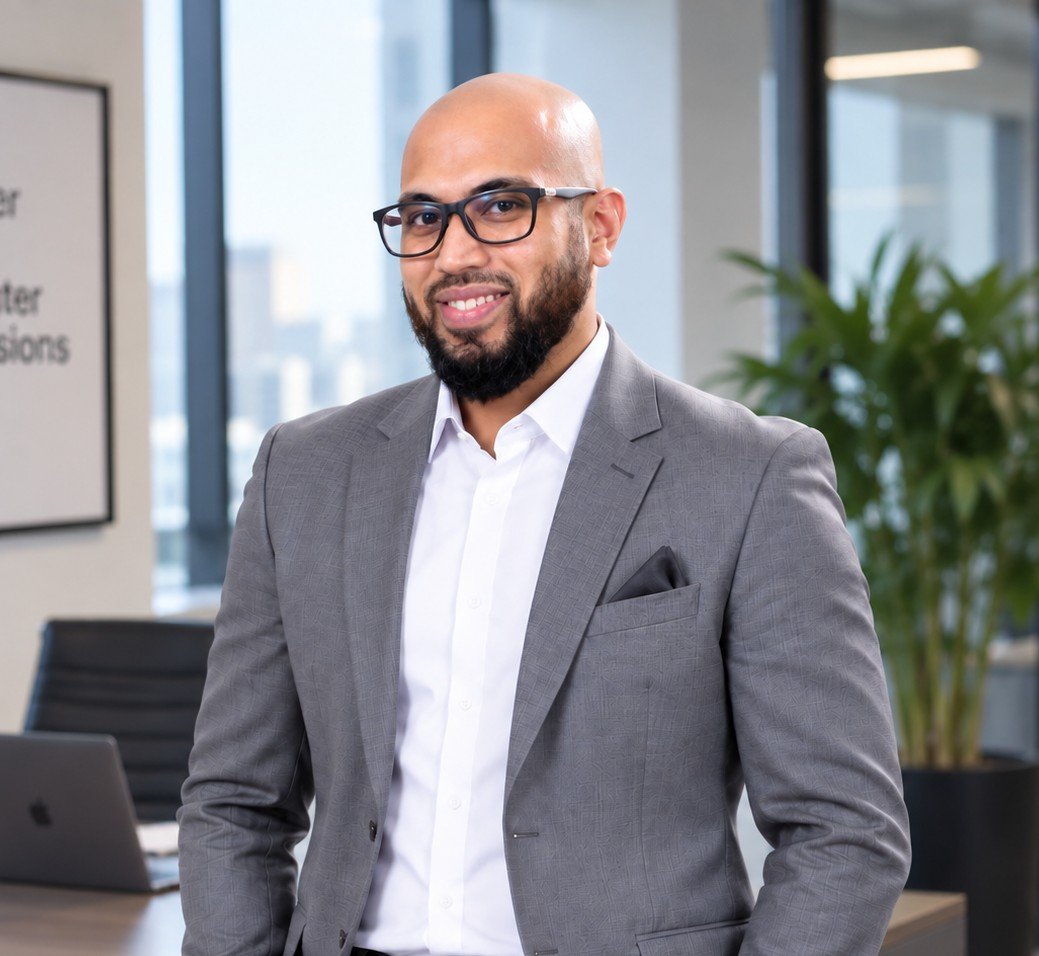
Nasehuddin Mohammed is the Co-Founder and Head of Technology at Zawjaan, where he leads product quality and the platform’s technological development. His work spans user experience and interface development, matchmaking strategies, and community-centred communication experiences designed to help Muslims build serious, marriage-minded connections.