



Meet Korhogo Muslim Men Online
In Korhogo, online platforms have emerged as a valuable tool for Muslim women to connect with like-minded Muslim men. Websites and apps dedicated to halal matchmaking offer profiles that emphasise religious commitment and family values. Many local Muslim men, especially those with busy professional lives in sectors like agriculture or trade, appreciate the convenience of online discovery. When using these platforms, it is essential to maintain modesty and adhere to Islamic etiquette, keeping conversations respectful and focused on marriage intentions.
Korhogo Muslim Men for Marriage
Marriage in Korhogo is deeply rooted in Islamic tradition and community customs. For Muslim men, marriage signifies a commitment to faith and family, often with extended family heavily involved in the process. Women seeking Muslim grooms should expect that families may play a significant role in discussions of compatibility, mahr, and future plans. Understanding local customs, such as the importance of respect for elders, will help in navigating this meaningful journey toward a lifelong partnership.
Halal Dating with Korhogo Muslim Men
Halal dating in Korhogo involves getting to know a potential spouse within the boundaries set by Islam. This usually means meeting in public spaces, like the serene gardens near the Poro Sacred Forest or at family-friendly cafes, with a chaperone present if possible. The focus is on meaningful conversation about faith, values, and life goals. Muslim women should seek a Muslim man who demonstrates sincere intention and respects the principles of halal dating, ensuring the process remains dignified and respectful.
Islamic Nikah in Korhogo
The Nikah in Korhogo is a sacred ceremony conducted by an imam, often at a local mosque such as the Grande Mosquee de Korhogo. This Islamic marriage contract requires the consent of both parties, a mahr (dowry) agreed upon, and two male witnesses. Many families also include local customs, like the traditional tioula, alongside the religious rites. Muslim women can prepare by discussing expectations about the Nikah with their prospective grooms and families, ensuring a smooth and blessed ceremony.
Halal Chat with Korhogo Muslim Men
Halal chat refers to communication between prospective spouses that is respectful and within Islamic guidelines. In Korhogo, where face-to-face meetings may be limited by cultural norms, phone calls and video chats can serve as initial steps. It is important for Muslim men to maintain professionalism and avoid private or intimate conversations. Chatting about topics like family, education, and career aspirations helps build a foundation of trust and compatibility before involving families officially.
Korhogo Muslim Singles and Community Networks
For Muslim singles in Korhogo, finding a life partner often relies on community networks and family referrals. The city's diverse communities, including Dioula and Senufo, have their own social structures that facilitate introductions. Mosques and Islamic centres, such as the Centre Culturel Islamique, occasionally host events for young Muslims. While such gatherings are modest, they provide opportunities for single men and women to meet in a respectful environment, guided by community elders.
Marriage Proposals and Khitbah in Korhogo
In Korhogo, the Khitbah, or proposal, is a formal step where a Muslim man, often accompanied by his family, approaches a woman's family to seek her hand in marriage. This is a time of negotiation and blessing, where families discuss compatibility and future plans. Muslim women should be prepared for the involvement of extended family and the exchange of gifts, such as kola nuts, as gestures of good faith. Clear communication about personal expectations during this stage is crucial for a successful union.
Physical Appearance of Korhogo Muslim Men
Physical appearance is an aspect of compatibility, but it is secondary to character and faith. In Korhogo, both men and women take pride in their appearance, often dressing in traditional attire like the boubou for special occasions. Remember that beauty is relative and depends on personal preferences. Focus on what you truly want in a partner rather than societal standards.
Skin, Hair and Eye Colour
Skin tone and hair colour vary widely among Muslim men in Korhogo, reflecting the city's rich ethnic diversity. Whether a man has a darker complexion or lighter brown skin, and whether his hair is black, dark brown, or even greying, these features are natural. In Islamic matchmaking, such physical traits are less important than piety and character. Women are encouraged to look beyond culture's narrow standards and appreciate the beauty of diversity.
Occupation and Profession
Muslim men in Korhogo work across various sectors, from agriculture and trade to education and healthcare. Many are involved in cotton farming, a key industry, or in small businesses in the bustling markets. Others are professionals like teachers, engineers, and doctors. A man's occupation can indicate his stability and commitment, but it is his dedication to his faith and family that matters most. Women should discuss career aspirations and financial plans openly.
Height
Height is a personal preference for many women. In Korhogo, the average height for men is around 5 feet 9 inches or approximately 175 centimetres, though this varies. Some women prefer a taller spouse, while others are indifferent. It is important to recognise that height does not determine a man's character or ability, and to focus on more significant qualities such as kindness, honesty, and faith.
Ethnicity and Nationality
Korhogo is home to several ethnic groups, including the Senufo, Dioula, and Malinke, each with its own cultural traditions. Muslim men from these backgrounds share a common Islamic faith but may practice different cultural customs. When considering a potential partner, it is valuable to learn about his ethnic background and family traditions, as these will play a role in your married life. Respect for each other's cultural heritage strengthens the bond.
Compatibility with Korhogo Muslim Men
Compatibility is the cornerstone of a successful Islamic marriage. Beyond physical attraction, it encompasses shared religious values, lifestyle choices, and life goals. In Korhogo's context, compatibility also involves understanding each other's family backgrounds and community expectations. Taking the time to evaluate these aspects will help Muslim women find a Muslim man with whom they can build a harmonious and lasting relationship.
Religious Alignment
Religious alignment is crucial for a lasting marriage. Both partners should share a commitment to practising Islam and a desire to grow spiritually together. In Korhogo, where Islam is deeply woven into daily life, men who pray regularly and seek knowledge are often seen as ideal spouses. Women should discuss theological perspectives and religious practices early on to ensure they are on the same path.
Cultural Compatibility
Cultural compatibility involves respecting and blending different backgrounds. In Korhogo, a Senufo woman marrying a Dioula man may need to navigate differing customs. Openness to learning about each other's traditions, languages, and cuisines is essential. Muslim men who are culturally aware and flexible can create a harmonious home that honours both heritages.
Local Muslim Culture
Korhogo's Muslim culture is characterised by a strong sense of community and adherence to Sufi traditions, particularly the Tijaniyya order. This influences social gatherings, religious festivals, and daily practices. Muslim men in this city are often well-versed in these traditions. For women, understanding and participating in local religious events, like Mawlid celebrations, is a way to bond with a husband and his community.
Ideological Viewpoints
Within Islam, there are different schools of thought and interpretations. In Korhogo, most Muslims follow the Maliki school, but personal viewpoints can vary. It is important for couples to discuss their understanding of Islamic teachings on family, gender roles, and community involvement. Aligning on these issues reduces potential conflict and ensures a united approach to raising a family.
Lifestyle Compatibility
Lifestyle compatibility refers to daily habits, social preferences, and financial management. A Muslim man who values simple living, community gatherings, and honest work may match well with a woman who shares those values. In Korhogo, where life is slower-paced compared to Abidjan, couples should agree on how to balance work, family, and leisure. Discussing these matters openly will help avoid future misunderstandings.
Family Expectations
Family expectations play a significant role in marriages in Korhogo. Often, extended families are closely involved in decision-making, and respect for elders is paramount. Muslim men may have obligations to support their parents or siblings. Women should discuss these responsibilities with their prospective grooms to ensure they are prepared for the level of family involvement and to foster a supportive relationship with in-laws.
Marriage Goals
Marriage goals encompass plans for children, financial security, and spiritual growth. In Korhogo, many couples aspire to build a family with strong Islamic values. It is beneficial for Muslim women and men to share their visions for the future, whether it involves pursuing higher education, starting a business, or engaging in community service. Aligning on these goals creates a united purpose for the marriage.
Relationship Expectations
Clear expectations about the relationship itself are vital. This includes communication styles, conflict resolution, and intimacy. In line with Islamic teachings, Muslim men in Korhogo are expected to be kind and just towards their wives. Women should look for partners who demonstrate empathy and willingness to communicate openly. Setting ground rules early on, such as always speaking respectfully and involving elders in disputes, helps build a healthy marriage.
How to Find Muslim Men in Korhogo
To find Muslim men in Korhogo, utilise a combination of community networks and online platforms. Attend events at key mosques like the Grande Mosquee, and ask respected elders for introductions. Online, use halal dating sites with filters for location and religious practice. Always maintain halal boundaries and involve family at the appropriate time.
1. Create a clear marriage profile
Phase 1: Profile CreationCreate a profile that highlights your faith, interests, and what you seek in a spouse. Be honest and modest, with clear photos and a sincere bio.
2. Search locally and realistically
Phase 2: Local DiscoveryUse filters to search for Muslim men in Korhogo, focusing on those with compatible religious and lifestyle values. Review profiles carefully.
3. Begin respectful halal chat
Phase 3: Compatibility ScreeningEngage in halal chat, discussing mutual goals and Islamic values. Keep conversations respectful and avoid anything private.
4. Arrange a public meeting
Phase 4: Face-to-Face CourtshipWhen ready, suggest a public, chaperoned meeting at a neutral venue like a restaurant or park to get to know each other better.
5. Introduce both families
Phase 5: Family MeetingIf interested, arrange a family introduction in person. This is a formal step in Islamic culture and should be handled with respect.
6. Prepare the legal documentation
Phase 6: Legal DocumentationIn Ivory Coast, civil marriage is legally recognised. Ensure you complete the required administrative steps at the local town hall before the Nikah.
7. Complete the Islamic Nikah
Phase 7: Marriage ContractPlan the Nikah with an imam at a mosque or Islamic centre. Agree on the mahr and witnesses, and complete the Islamic ceremony.
Frequently Asked Questions
How can Muslim women meet eligible Muslim men in Korhogo for marriage?
Through community networks like mosques, and online halal platforms, which are increasingly popular. Attending local Islamic events and involving family in the search are effective strategies.
What qualities should Muslim women look for in a Muslim man from Korhogo?
Look for a man who is religiously committed, respectful, and family-oriented. In Korhogo, cultural understanding, such as familiarity with Sénoufo or Dioula traditions, is also valuable.
How do Muslim grooms in Korhogo typically involve their families in the marriage process?
Families are often deeply involved, from the initial proposal to the wedding plans. It's common for grooms to seek parental approval and involve them in discussions about the marriage.
Are there specific local customs that Muslim women should know before marrying a Korhogo man?
Yes, for example, the 'Tioula' celebration which involves a traditional ceremony. Also, respect for elders is paramount, and following the Maliki school of jurisprudence is common.
What steps should a Muslim woman take to ensure a halal dating process with Muslim men in Korhogo?
Always meet in public places, avoid seclusion, and involve a chaperone if possible. Communicate with the man about boundaries and ensure that marriage is the shared goal.
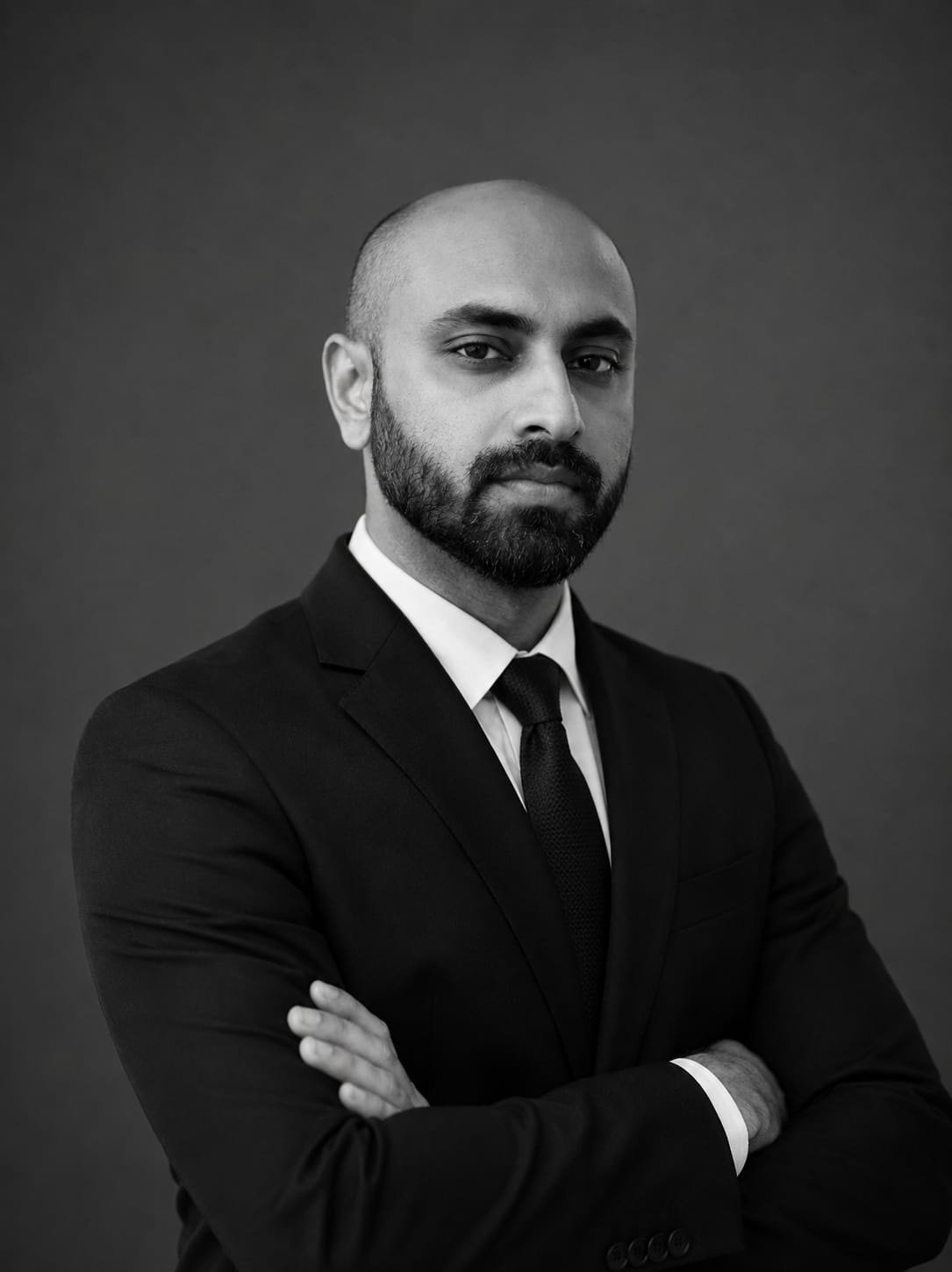
About the Author
Arfan Shariff is the Co-Founder and Head of Operations at Zawjaan, overseeing platform operations, public relations and strategic partnerships. Drawing on his experience in community engagement, Arfan helps shape Zawjaan's trusted, faith-centred and user-focused approach to Muslim matchmaking, promoting compatibility, authenticity and meaningful lifelong marriages.