



Meet Bouaké Muslim Men Online
For Bouaké Muslim men, online platforms offer a respectful and effective means of meeting potential spouses. Given the city's busy pace and the importance of maintaining proper Islamic conduct, these digital spaces allow for initial conversations within halal boundaries. Many profiles highlight family values, educational backgrounds, and religious practice, which helps women filter for serious intentions. It is wise to use trusted websites that cater to the wider Ivorian Muslim community, as they often include detailed search filters for location, ethnicity, and religious observance. Engaging in halal chat through these networks can be a practical first step before involving families.
Bouaké Muslim Men for Marriage
For Muslim men in Bouaké, marriage is a sacred duty and a significant life milestone, deeply embedded in the local Islamic tradition. It is not merely a personal commitment but a union that brings two families together within the broader community. The process typically involves the man’s family formally approaching the woman’s family, a practice that demonstrates seriousness and respect. In Bouaké, where family honour and communal ties are paramount, understanding this dynamic is crucial for any Muslim woman considering a match. The city’s Islamic scholars and community leaders often provide guidance and support, ensuring that marriages are built on faith and mutual consent.
Halal Dating with Bouaké Muslim Men
Halal dating in Bouaké revolves around maintaining Islamic principles of modesty and avoiding any physical or emotional transgression. For Muslim men, this usually means supervised meetings, often in public places or with family members present. The goal is to get to know a potential spouse’s character, religious commitment, and long-term aspirations without compromising Islamic values. It is common for conversations to focus on deen, career, and family expectations. Women can look for men who are keen to involve families early and who demonstrate a clear understanding of the rules of engagement, which signals a serious and genuine intent for marriage.
Islamic Nikah in Bouaké
The Islamic Nikah is the heart of Muslim marriage in Bouaké, a formal and sacred contract that seals the union under Allah’s guidance. Local Islamic scholars, often attached to mosques, are equipped to conduct the ceremony, ensuring it adheres to the requirements of Sharia. In Bouaké, the Nikah involves the mahr (dower), the presence of witnesses, and the formal consent of the bride, who is usually represented by her guardian. The ceremony may be held at a mosque or the bride’s home, and it is often followed by a walima (reception) that celebrates the union. Understanding this process helps women appreciate the depth of the commitment Muslim men in Bouaké are prepared to make.
Halal Chat with Bouaké Muslim Men
Halal chat refers to the respectful, guarded communication that occurs before a marriage proposal, and it is an essential tool for Muslim men in Bouaké. It allows them to discuss compatible goals and values without violating Islamic decorum. The tone should remain professional, with clear boundaries and no flirtation. Through halal chat, men often share their vision for family life, their religious practices, and their expectations of a wife, giving women a clear picture of their suitability. In Bouaké, where technology is increasingly accessible, many use messaging apps but prefer to shift to family-involved conversations once a mutual interest is established.
Bouaké Muslim Singles and Community Networks
Muslim singles in Bouaké are socially active and have access to a supportive network through local mosques and community events. Men often attend Friday prayers and Islamic lectures, where they can meet like-minded individuals in a respectable environment. Some community organisations host events specifically for singles, providing an opportunity for families to connect. However, the community is close-knit, and reputations matter, so any interactions are observed within a context of honour and tradition. For a Muslim woman, finding a man who is known for his good character and active participation in the community can be a strong indicator of his seriousness about marriage.
Marriage Proposals and Khitbah in Bouaké
In Bouaké, the proposal, or Khitbah, is a formal step that follows initial expressions of interest, and it is conducted with dignity and respect. Typically, the Muslim man will send his father or an elder relative to the woman’s family to ask for her hand in marriage. This is a sign of his genuine intentions and commitment. The family then discusses the proposal, often seeking advice from elders and considering the man’s religious standing and economic stability. For Muslim men, this process is a demonstration of their ability to lead a household. Women should be prepared for this structured approach, which underscores the seriousness of the marital commitment.
Physical Appearance of Bouaké Muslim Men
When considering Muslim men in Bouaké, physical appearance is often considered alongside deeper qualities. A man’s grooming, attire, and overall presence may reflect his respect for Islamic norms and personal discipline. Many Muslim men wear traditional garments like the grand boubou and a skull cap, especially for religious occasions. Remember that beauty is relative and depends on personal preferences. Focus on what you truly want in a partner rather than societal standards.
Skin, Hair and Eye Colour
Skin, hair, and eye colour vary widely among Bouaké Muslim men due to the city’s diverse ethnic landscape. These features should not be the primary focus when assessing a potential husband. Islam encourages believers to look at character and faith rather than outward traits. The majority of men have dark skin and hair, which is natural for the region, but there is also diversity in complexion. What matters more is how a man carries himself and treats others.
Occupation and Profession
Muslim men in Bouaké are engaged in a variety of occupations, ranging from commerce and trade to professional roles in education, healthcare, and administration. Many are entrepreneurs involved in the city’s bustling markets, while others work in the agricultural sector, particularly in shea and cashew production. A man’s occupation often provides insight into his ability to provide for a family, which is a key consideration in Islamic marriage. It also reflects his stability and ambition, both of which are important for a long-term union.
Height
The average height for Muslim men in Bouaké may vary, with some being around 5 feet 9 inches or approximately 175 centimetres. While height can be a physical attribute, it should not be a decisive factor in choosing a spouse. What is more important is a man’s spiritual stature and his commitment to fulfilling the rights of his wife and family.
Ethnicity and Nationality
Bouaké is a melting pot of ethnic groups, including the Dioula, Malinké, Fulani, and Baule, among others. Muslim men in the city belong to these various communities, each with its own language and customs. While ethnicity can influence cultural expectations, many families are open to inter-ethnic marriages. The shared Islamic faith often serves as a unifying factor, allowing couples to blend different traditions harmoniously.
Compatibility with Bouaké Muslim Men
Compatibility in marriage is multifaceted, and for Muslim women seeking Muslim men in Bouaké, it involves aligning on core beliefs, values, and life aspirations.
Religious Alignment
Religious alignment is crucial, as both partners must share a commitment to Islamic practices and principles. Muslim men in Bouaké who are serious about marriage will prioritise faith, attend mosque regularly, and uphold prayer obligations. A woman should look for a man whose level of religious observance matches her own, whether that means favouring a conservative approach or a more moderate one.
Cultural Compatibility
Cultural compatibility can be shaped by ethnic background, family traditions, and local customs. In Bouaké, many Muslim men appreciate a woman who respects the cultural norms of their community. However, it is essential for the couple to discuss and agree on which traditions to maintain, ensuring that cultural practices do not overshadow Islamic teachings or cause unnecessary friction.
Local Muslim Culture
The local Muslim culture in Bouaké is heavily influenced by trade networks and the Sufi brotherhoods, particularly Tijaniyyah. This creates a unique social environment where communal ties are strong. Muslim men often have large support networks and may expect their wives to participate in communal activities, such as religious festivals and family gatherings. Women should be ready to embrace this sense of community and the importance of social relationships.
Ideological Viewpoints
Ideological viewpoints can range from more traditional interpretations of Islam to modern, reformist perspectives. It is advisable for Muslim men and women to have open conversations about their understanding of religious texts and how this shapes daily life. Discussing issues like gender roles, education, and family authority early on can prevent future disagreements.
Lifestyle Compatibility
Lifestyle compatibility involves daily routines, social habits, and personal preferences. Muslim men in Bouaké may have varying lifestyles, from those who are very involved in the community to those who prefer a more private life. A woman should consider whether she values a social, active lifestyle or a quieter domestic one, and seek a man whose approach aligns with hers.
Family Expectations
Family expectations in Bouaké are typically strong, and Muslim men often maintain close ties with their parents and extended family. A wife may be expected to respect her in-laws and participate in family obligations. It is important to discuss these expectations early, including where the couple will live and how they will manage relationships with both families.
Marriage Goals
Marriage goals for Muslim men in Bouaké often include building a God-conscious family, raising children with good Islamic values, and achieving financial security. Both partners should have compatible visions for the future, whether that involves pursuing careers, engaging in community development, or focusing on family life. Clarifying these goals during the early stages can build a strong foundation.
Relationship Expectations
Relationship expectations cover emotional support, communication, and division of responsibilities. Muslim men in Bouaké may have traditional expectations of a wife as a homemaker and caregiver, but others are open to shared roles. It is vital to articulate needs and desires clearly to ensure a balanced and fulfilling partnership.
How to Find Muslim Men in Bouaké
Finding Muslim men in Bouaké can be approached through three primary channels: your own social network, local mosques and Islamic events, and a trusted online matchmaking platform. A combination of these methods often yields the best results, as it expands your reach while remaining within halal boundaries.
1. Create a clear marriage profile
Phase 1: Profile CreationCreate a profile that is honest and detailed, highlighting your religious commitment, educational background, and family values. Upload clear photos that reflect your modest appearance.
2. Search locally and realistically
Phase 2: Local DiscoveryUse the platform's search filters to set your location to Bouaké and refine results by religious practice and ethnicity. Look for profiles that mention a serious intention for marriage.
3. Begin respectful halal chat
Phase 3: Compatibility ScreeningEngage in halal chat by keeping conversations respectful and goal-oriented. Ask about his daily prayer routine and thoughts on family roles to gauge compatibility.
4. Arrange a public meeting
Phase 4: Face-to-Face CourtshipIf discussions go well, suggest meeting in a public place like a well-known café or a masjid garden, and bring a chaperone or have family members nearby to maintain decorum.
5. Introduce both families
Phase 5: Family MeetingOnce mutual interest is established, involve your families. In Bouaké, it is customary for the man’s family to formally approach the woman’s family, so be prepared to facilitate that introduction.
6. Prepare the legal documentation
Phase 6: Legal DocumentationBefore the Nikah, attend a marriage preparation session at a local Islamic centre to understand your legal rights. Register the marriage with the authorities at the city hall.
7. Complete the Islamic Nikah
Phase 7: Marriage ContractArrange for the Nikah with a respected local imam and ensure all requirements, including mahr (dower), witnesses, and the bride's consent, are fulfilled. Celebrate with a modest walima following the ceremony.
Frequently Asked Questions
What are the best ways for Muslim women to meet serious Muslim men in Bouaké?
Muslim women can meet serious Muslim men in Bouaké through local mosque events, family connections, and online platforms like Zawjaan. It is advisable to involve a third party, such as a family member, to ensure halal interactions.
How can a Muslim woman assess the religious commitment of a Muslim man in Bouaké?
Ask about his daily prayer habits, attendance at the mosque, and knowledge of Islamic teachings. A man open to involving a religious scholar in the process is likely to be sincere. Trusted references from the community can also provide insight.
Are there specific cultural customs that Muslim men in Bouaké expect during courtship?
Yes, Muslim men in Bouaké often expect formal family involvement early on. The man’s family will likely initiate contact with the woman’s family. Respect for elders and community reputation is important, so it is wise to proceed with discretion.
What is the role of the family in the marriage process for Muslim men in Bouaké?
Family approval is crucial. Muslim men typically seek the blessing of their parents before proposing. In return, the woman’s family will play a key role in negotiating the mahr and consent. Involving families early prevents misunderstandings.
How can Muslim women ensure a halal engagement before the Nikah with Muslim men in Bouaké?
Set clear boundaries from the start: meet in public spaces, avoid being alone together, and limit communication to necessary topics. Involve a chaperone where possible, and agree on a timeline for the Nikah to avoid a prolonged engagement.
About the Author
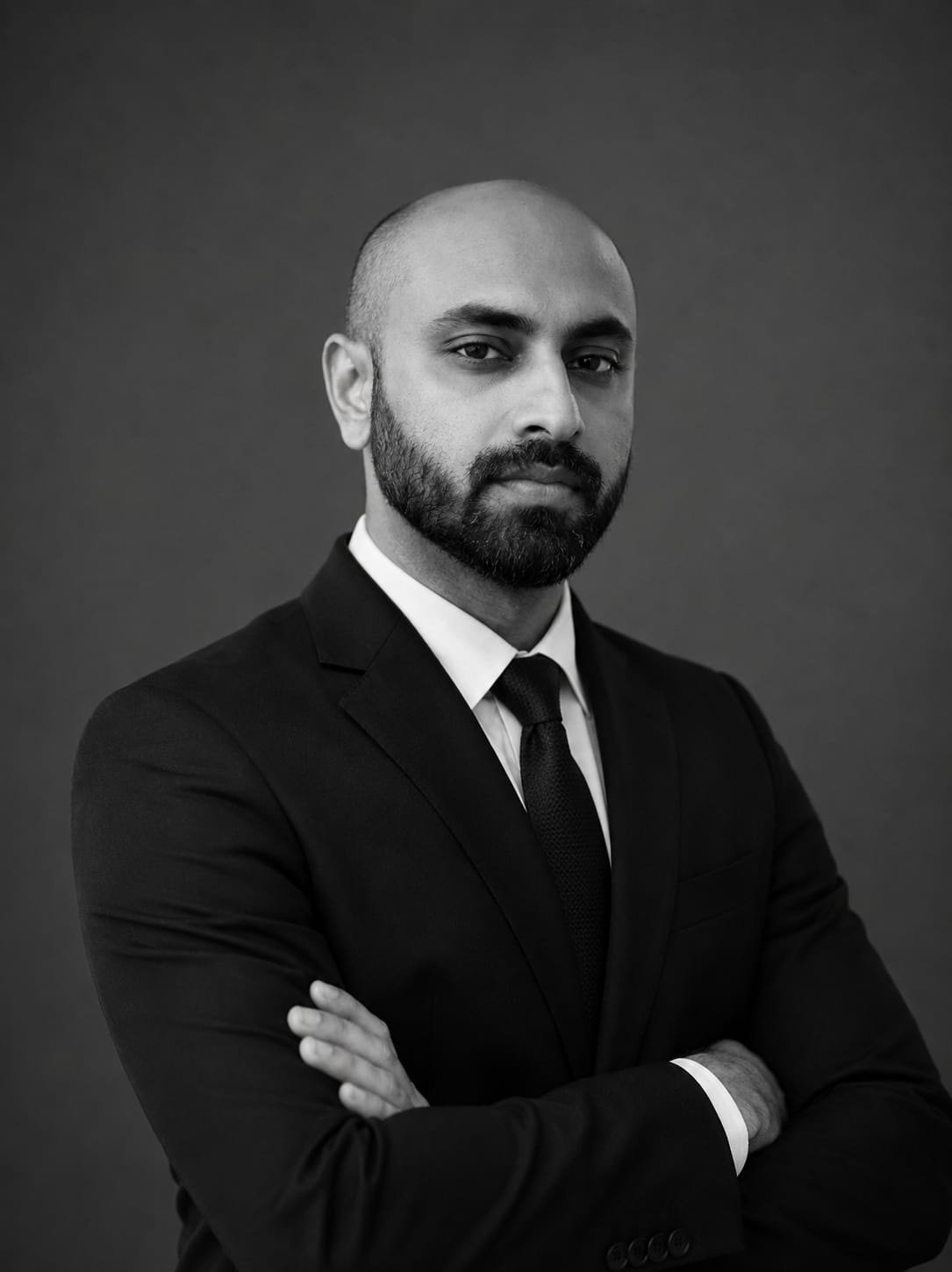
Arfan Shariff is the Co-Founder and Head of Operations at Zawjaan, overseeing platform operations, public relations and strategic partnerships. Drawing on his experience in community engagement, Arfan helps shape Zawjaan's trusted, faith-centred and user-focused approach to Muslim matchmaking, promoting compatibility, authenticity and meaningful lifelong marriages.