



Meet Cimahi Muslim Men Online
Many Cimahi Muslim men are open to online matchmaking, especially through platforms that prioritise Islamic principles. Websites like Zawjaan allow serious profiles to be reviewed with family involvement, reducing the risk of casual interactions. When meeting online, focus on shared values, religious practice, and long-term intentions rather than superficial details. Cimahi has a growing digital-savvy population, and many men in their late twenties and thirties use these platforms to find a wife while maintaining modesty. Initial conversations should be respectful, with a clear intention of pursuing marriage, often involving a wali early.
Cimahi Muslim Men for Marriage
Marriage is a sacred bond in Islam, and for Cimahi Muslim men, it often signifies the completion of half their faith. The community places strong emphasis on nikah as a spiritual and social commitment, with families playing a pivotal role in selection and blessing. Many men seek a wife who will support their religious growth and create a harmonious household. In Cimahi, marriage is not just a personal choice but a family affair, where both sets of parents are consulted and involved. This collective approach ensures stability and mutual respect.
Halal Dating with Cimahi Muslim Men
Halal dating for Cimahi Muslim men means getting to know a potential spouse without crossing Islamic boundaries. This involves supervised meetings, often with a mahram, and avoiding physical intimacy outside of marriage. Conversations focus on deen, character, and compatibility, with a clear timeline for proposal. Many men prefer to involve family early in the process, ensuring that the relationship progresses towards nikah. Public spaces in Cimahi, such as parks or cafes, are used for meetings that remain discreet and respectful.
Islamic Nikah in Cimahi
The nikah is a simple yet profound ceremony that many Cimahi Muslim men hold dear. Typically performed at a mosque or home, it requires the presence of a wali, two witnesses, and a mahr agreed upon by the couple. In Cimahi, the Islamic office assists with official registration, ensuring the marriage is legally recognised in Indonesia. Men often prepare for nikah by completing religious courses and ensuring their financial readiness. The ceremony is followed by a walimah, a reception that celebrates the union with family and friends.
Halal Chat with Cimahi Muslim Men
Halal chat is essential for initial communication between Muslim women and Cimahi Muslim men. This involves using respectful language, avoiding flirtation, and keeping conversations purposeful. Many platforms now offer features like voice notes and video calls that are monitored or carried out with family consent. For men in Cimahi, halal chat is a way to assess compatibility without raising suspicion or compromising their character. It allows them to discuss important topics such as religious commitment, career aspirations, and future family plans, all while maintaining Islamic etiquette.
Cimahi Muslim Singles and Community Networks
Cimahi Muslim men are part of a broader Muslim singles community that is actively looking for spouses. Local Islamic events, such as study circles and halal bazaars, provide opportunities to meet in respectful environments. Online platforms cater to this group, allowing men to create detailed profiles that reflect their deen and intentions. These men often appreciate when women are proactive in expressing their interest in marriage, as it aligns with the Sunnah of seeking a compatible partner. The community is diverse, with varying cultural backgrounds sharing the common goal of a blessed union.
Marriage Proposals and Khitbah in Cimahi
A proposal, or khitbah, is a formal step that Cimahi Muslim men take after initial compatibility checks. It involves the man or his family approaching the woman's family to express interest in marriage. This is done with utmost respect, often bringing a gift as a token of sincerity. In Cimahi, it is common for the man to first discuss with his own parents, who then contact the woman's family. The proposal sets the stage for a more serious discussion about wedding details, mahr, and future living arrangements, always with the guidance of Islamic principles.
Physical Appearance of Cimahi Muslim Men
When considering Cimahi Muslim men, physical appearance matters but is not the sole criteria. Many men take pride in their grooming, often having neat beards and modest attire. They value a woman who dresses modestly, but they also appreciate natural beauty. Remember that beauty is relative and depends on personal preferences. Focus on what you truly want in a partner rather than societal standards. A man's character and religious commitment often outweigh his physical features.
Skin, Hair and Eye Colour
Cimahi is home to a diverse population, with skin tones ranging from light to dark brown. Hair colour is naturally dark, though some men may dye their hair with henna. Eye colour is predominantly brown, reflecting the Sundanese heritage. These features are part of the physical attraction but hold little weight compared to a person's inner qualities.
Occupation and Profession
Many Cimahi Muslim men work in sectors like manufacturing, education, and government services, reflecting the city's industrial and administrative roles. Some are entrepreneurs, running small businesses in the culinary or retail sectors. There is a growing number of professionals in tech and health care, contributing to a varied economic landscape. A man's occupation often influences his financial readiness for marriage, and many are serious about providing a stable home.
Height
Height among Cimahi Muslim men varies, but the average is around 5 feet 5 inches, though some reach the reference height of 5 feet 9 inches or approximately 175 centimetres. Taller men may be more noticeable, but height is rarely a deal-breaker. Focus on compatibility and shared values instead.
Ethnicity and Nationality
Cimahi Muslim men are predominantly Sundanese, with a significant presence of Javanese and other ethnic groups. This diversity influences cultural practices and family traditions. Many men are proud of their Sundanese heritage, which emphasises politeness and respect. Some may also have mixed ancestry, creating a rich tapestry of cultures within the community.
Compatibility with Cimahi Muslim Men
Compatibility in marriage goes beyond surface-level attributes. It involves a deep connection on religious, cultural, and personal levels. For Cimahi Muslim men, finding a wife who shares their values and life goals is crucial for a lasting union.
Religious Alignment
Religious alignment is often the highest priority for Cimahi Muslim men. They seek women who are committed to the five daily prayers, fasting, and other Islamic duties. A shared understanding of the deen ensures a harmonious household. Many men prefer a partner who has similar levels of religious education and practise.
Cultural Compatibility
Cultural compatibility is significant, especially with Sundanese customs. Men appreciate women who respect local traditions, such as etiquette and community gatherings. However, there is flexibility for inter-cultural marriages. Understanding and adapting to each other's families is key to a successful relationship.
Local Muslim Culture
The local Muslim culture in Cimahi is marked by the presence of Islamic boarding schools, or pesantren, which shape many men's religious outlook. Friday prayers are well attended, and religious lectures are common. Men often participate in community activities, such as tahlilan, which fosters a sense of brotherhood. This spiritual environment influences their expectations in a spouse.
Ideological Viewpoints
Ideological viewpoints may vary, with some men following more traditional schools of thought, while others embrace modern interpretations. It is important to discuss religious methodologies, such as views on fiqh or Qur'anic interpretation, early on. Finding common ground is possible with patience and mutual respect.
Lifestyle Compatibility
Lifestyle compatibility involves daily routines, dietary habits, and leisure activities. Cimahi Muslim men often enjoy outdoor activities, such as hiking in the nearby mountains, and appreciate healthy living. They may prefer a partner who is active and enjoys halal entertainment. Financial habits and household responsibilities are also crucial areas to align.
Family Expectations
Family expectations are deeply rooted in Cimahi society. Many men expect their wives to maintain close ties with both families and often prefer extended family living arrangements. They value a woman who can be a good daughter-in-law, showing respect and care. Open communication about these expectations is vital to avoid misunderstandings.
Marriage Goals
Marriage goals for Cimahi Muslim men often include raising righteous children and building a peaceful, prosperous household. They may aspire to perform Hajj together or contribute to community welfare. These shared goals strengthen the bond and provide a sense of purpose.
Relationship Expectations
Relationship expectations involve mutual respect, effective communication, and emotional support. Cimahi Muslim men generally anticipate a partnership where both spouses fulfill their Islamic roles. They look for a wife who is affectionate and supportive, helping them to grow in faith and character.
How to Find Muslim Men in Cimahi
To find Cimahi Muslim men, start by joining Islamic study circles and attending local mosque events. Use reputable online platforms that cater to Muslim singles. Consider involving your family in the search, and be clear about your intentions. With patience and prayer, you can find a suitable partner.
1. Create a clear marriage profile
Phase 1: Profile CreationCreate a detailed profile that highlights your faith, interests and family background. Use recent photos that show your appearance clearly.
2. Search locally and realistically
Phase 2: Local DiscoveryUse search filters to narrow your results to Cimahi and surrounding areas. Review profiles that match your criteria for deen and lifestyle.
3. Begin respectful halal chat
Phase 3: Compatibility ScreeningEngage in halal chat by asking about religious practice, work, and family. Keep conversations respectful and purposeful, avoiding flirtation.
4. Arrange a public meeting
Phase 4: Face-to-Face CourtshipArrange a public meeting in a safe, halal environment like a cafe or park. Involve a mahram if possible and maintain proper conduct.
5. Introduce both families
Phase 5: Family MeetingAfter getting to know each other, introduce your prospective spouse to your family. This step is crucial for gaining blessings and approval.
6. Prepare the legal documentation
Phase 6: Legal DocumentationUnderstand the legal requirements for marriage in Indonesia, including registration at the KUA. Prepare necessary documents early.
7. Complete the Islamic Nikah
Phase 7: Marriage ContractPlan the nikah ceremony with your imam or local Islamic centre. Ensure all conditions of the contract are met, including mahr.
Frequently Asked Questions
How can Muslim women meet Cimahi Muslim men for marriage?
Muslim women can meet Cimahi Muslim men through online platforms like Zawjaan, and by participating in local Islamic events and study circles. Family referrals are also effective.
What qualities do Cimahi Muslim men look for in a future wife?
Cimahi Muslim men often seek a wife who is religious, respectful, and family-oriented. They appreciate a woman who shares their cultural values and is supportive of their goals.
What is the typical process for a Muslim man from Cimahi to propose?
A Muslim man from Cimahi typically discusses with his family, who then approach the woman's family for khitbah. This is a formal proposal that leads to engagement and nikah.
Are Cimahi Muslim men open to marrying women from different ethnic backgrounds?
While many prefer a Sundanese partner, many Cimahi Muslim men are open to inter-ethnic marriages as long as there is religious compatibility and mutual respect for cultures.
What are the legal requirements for a Muslim man from Cimahi to marry?
The legal requirements include registering the marriage at the local KUA, providing identity documents, and having a wali, witnesses, and mahr. A nikah certificate is issued.
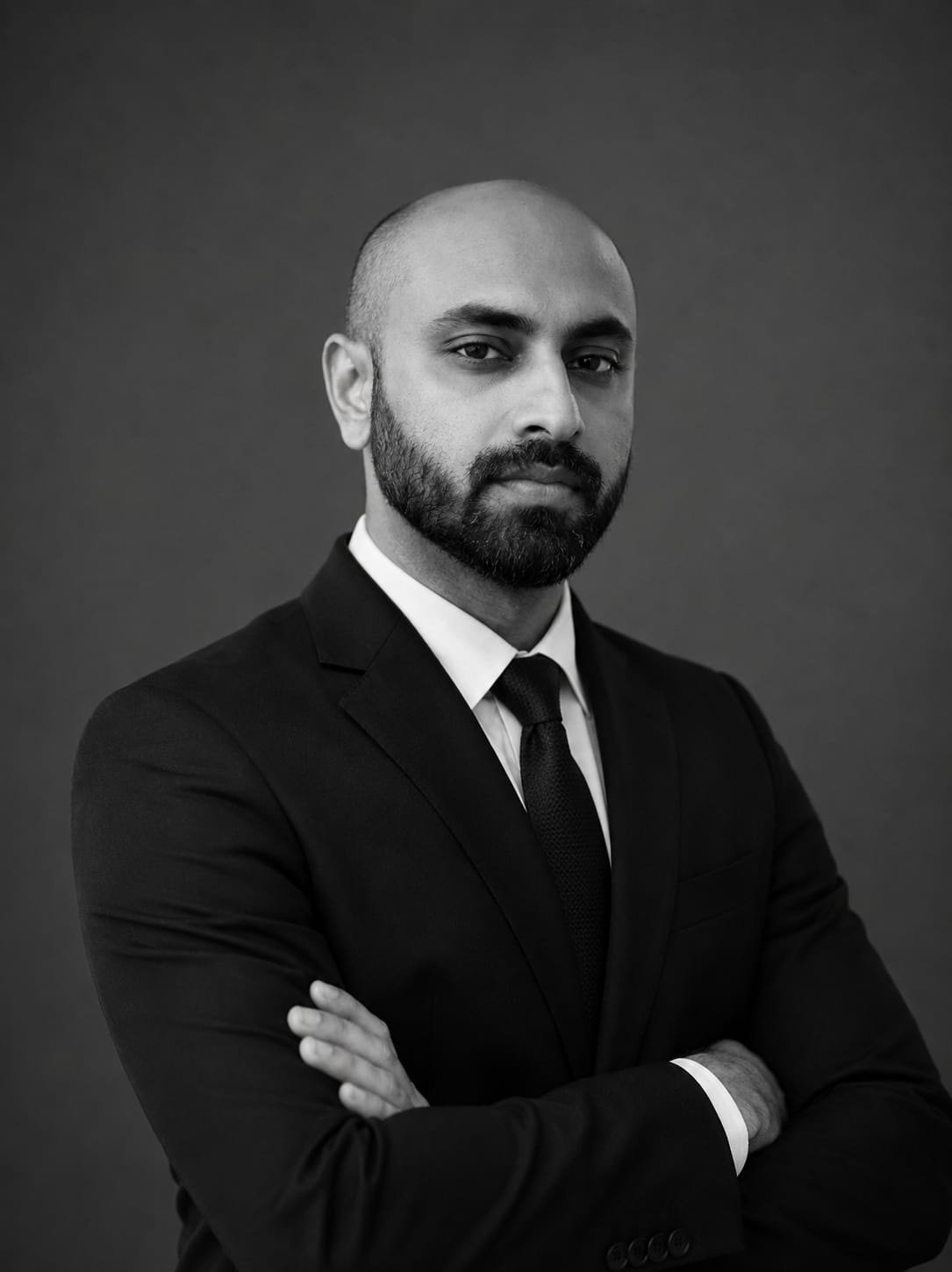
About the Author
Arfan Shariff is the Co-Founder and Head of Operations at Zawjaan, overseeing platform operations, public relations and strategic partnerships. Drawing on his experience in community engagement, Arfan helps shape Zawjaan's trusted, faith-centred and user-focused approach to Muslim matchmaking, promoting compatibility, authenticity and meaningful lifelong marriages.