



Meet Binjai Muslim Men Online
For Binjai Muslim men, online platforms have eased the search for a spouse. Muslim women can browse profiles of Binjai Muslim men who are serious about marriage, often with family involvement from the start. These platforms allow users to filter by religious practice, ethnicity, and lifestyle, helping to identify compatible candidates. Many men from Binjai appreciate the structured approach, which respects Islamic boundaries while enabling meaningful conversations. When using such services, it is wise to verify profiles and gradually move towards involving families once mutual interest is established.
Binjai Muslim Men for Marriage
Marriage in Binjai is deeply rooted in Islamic tradition and local culture. For Muslim men, the intention to marry is taken seriously, often involving extended family from the beginning. A proposal typically includes the man's family visiting the woman's home, bringing gifts, and discussing the union. This formal engagement, known as khitbah, sets the foundation for a halal relationship. Women seeking Binjai Muslim men should understand the importance of family approval and the role of religious compatibility in forming a lasting marriage.
Halal Dating with Binjai Muslim Men
Halal dating for Binjai Muslim men involves adhering to Islamic guidelines, such as avoiding physical intimacy before marriage and having a chaperone (mahram) present during meetings. This practice respects the sanctity of the relationship and ensures both parties maintain their religious values. For Muslim women, meeting a Binjai Muslim man in a public, halal environment, such as a café or park, allows them to gauge his character and intentions without compromising their faith. The goal is always to determine compatibility for marriage, not casual dating.
Islamic Nikah in Binjai
The Islamic Nikah is the core of a valid marriage in Islam, and for Binjai Muslim men, this ceremony is a significant milestone. It involves the bride and groom consenting to the marriage, with two male witnesses and a mahr (dowry) offered by the groom. In Binjai, Nikah ceremonies are often held at the local mosque, such as the Great Mosque of Binjai, or at home, with an imam officiating. Couples must also complete the civil registration process to ensure legal recognition under Indonesian law.
Halal Chat with Binjai Muslim Men
Halal chat is an essential tool for Binjai Muslim men and women to communicate before marriage. It allows them to ask important questions about their faith, lifestyle, and family expectations while maintaining appropriate boundaries. Text-based communication helps avoid awkwardness and ensures transparency. For Muslim women, halal chat with Binjai Muslim men can take place on dedicated matrimonial platforms, where conversations are monitored to preserve Islamic etiquette. The focus remains on getting to know each other for the purpose of marriage.
Binjai Muslim Singles and Community Networks
Binjai hosts a growing community of Muslim singles seeking marriage. Many are professionals working in Medan or engaged in local industries like agriculture and education. Community events, such as Islamic study circles at the Al-Manar Mosque or the Binjai Islamic Centre, provide opportunities for singles to meet in a halal environment. Families also play a proactive role, introducing young people to potential spouses. For Muslim women, networking through these avenues can lead to suitable Binjai Muslim men.
Marriage Proposals and Khitbah in Binjai
The proposal (khitbah) is a formal step for Binjai Muslim men seeking a wife. After mutual consent and family approval, the man's family arranges a visit to the woman's home, bringing gifts and discussing the mahr. This tradition demonstrates respect and sincerity. For Muslim women, receiving a proposal from a Binjai Muslim man should be met with prayer and consultation with family and trusted elders. The proposal sets the tone for a marriage built on commitment and shared religious values.
Physical Appearance of Binjai Muslim Men
Physical appearance is one consideration in choosing a spouse, but for Binjai Muslim men, character and faith often take precedence. Muslim women should consider their own preferences and what they find attractive. Remember that beauty is relative and depends on personal preferences. Focus on what you truly want in a partner rather than societal standards.
Skin, Hair and Eye Colour
In Binjai, as elsewhere, preferences for skin colour vary and are deeply personal. It is important to look beyond physical traits and appreciate the inner qualities of a potential spouse. Islamic teachings encourage focusing on faith and character rather than superficial attributes. When considering Binjai Muslim men, avoid stereotyping based on colour and instead judge them by their piety and treatment of others.
Occupation and Profession
Binjai Muslim men work in diverse fields, including agriculture (especially palm oil and rice), government services, education, and small businesses. Many commute to Medan for employment in trade and industry. A man's occupation often reflects his stability and ability to provide for a family, an important consideration in marriage. Muslim women may find it valuable to discuss career aspirations and work-life balance with potential partners to ensure alignment.
Height
Height is a personal preference, and Binjai Muslim men vary in stature. The average height for Indonesian men is around 5 feet 5 inches, but many are taller. If a specific height matters to you, consider if it aligns with your needs. A man measuring 5 feet 9 inches or approximately 175 centimetres is considered above average in Binjai, but remember that compatibility goes far beyond physical dimensions.
Ethnicity and Nationality
Binjai is home to a mix of Malay, Batak, Javanese, and Chinese Muslim communities. Each group brings unique cultural traditions, but Islam unites them. When considering Binjai Muslim men, their ethnicity may influence family customs, language, and cuisine. It is important to respect these differences and ensure that cultural expectations align with your own. A shared commitment to Islam can bridge ethnic divides.
Compatibility with Binjai Muslim Men
Compatibility is about shared values and life goals. For Binjai Muslim men and women, it involves aligning religious practice, family expectations, and lifestyle. This section explores the key dimensions of compatibility that contribute to a lasting and fulfilling marriage.
Religious Alignment
Religious alignment is crucial in a Muslim marriage. Binjai Muslim men typically practice Islam as a way of life, with many attending Friday prayers at local mosques and observing daily prayers. It is important for Muslim women to discuss religious habits, such as prayer regularity, Quran study, and desire for religious education in the household. Finding a man whose religiosity matches your own can prevent conflicts later.
Cultural Compatibility
Cultural compatibility involves respecting each other's traditions while building a shared future. Binjai Muslim men from Malay backgrounds may have different customs compared to those from Javanese or Batak families. Discuss holidays, food, and family rituals to ensure both parties are comfortable. A willingness to learn and adapt is essential for a harmonious marriage.
Local Muslim Culture
The local Muslim culture in Binjai is a blend of Malay traditions and Islamic values. Community life revolves around the mosque, with activities such as religious classes and social gatherings. For unmarried men and women, modesty and respect are highly valued. Understanding this culture helps Muslim women integrate into Binjai society and build strong relationships with their partner's family and community.
Ideological Viewpoints
Ideological viewpoints can vary, even among Muslims. Some Binjai Muslim men may follow traditional teachings, while others might lean towards more contemporary interpretations. It is important to discuss religious schools of thought (madhhab) and political leanings to ensure they are compatible. Respect for differences, as long as they remain within Islamic bounds, is key to a peaceful marriage.
Lifestyle Compatibility
Lifestyle compatibility covers daily routines, hobbies, and health habits. A Binjai Muslim man who enjoys outdoor activities may differ from one who prefers reading at home. Discuss work schedules, travel preferences, and family planning. For Muslim women, sharing a similar lifestyle can make married life joyful and reduce stress.
Family Expectations
In Binjai, family expectations play a significant role in marriage. Often, parents are involved in the selection process and expect the couple to care for elders. Binjai Muslim men may expect their wives to contribute to family functions and maintain harmony. Muslim women should clarify these expectations before marriage to avoid misunderstandings.
Marriage Goals
Marriage goals include vision for the future, such as having children, raising them with Islamic values, and financial stability. Binjai Muslim men often prioritise building a secure home and providing for their family. Discuss your shared goals and how you plan to achieve them together, ensuring that both partners are on the same page.
Relationship Expectations
Relationship expectations involve communication, affection, and division of responsibilities. Binjai Muslim men may expect their wives to be the primary caregiver for children, while women may expect their husbands to be the main provider. It is essential to talk about these roles openly, considering Islamic guidance that promotes mutual respect and kindness.
How to Find Muslim Men in Binjai
To find Binjai Muslim men for marriage, start by informing your family and community network. Attend events at local mosques, such as the Great Mosque of Binjai, and consider using reputable Islamic matchmaking platforms. Be proactive in expressing your intention to marry, and involve a wali (guardian) early in the process.
1. Create a clear marriage profile
Phase 1: Profile CreationCreate a detailed profile on Zawjaan, highlighting your faith, education, and what you seek in a husband. Include clear photos and honest information about your family background.
2. Search locally and realistically
Phase 2: Local DiscoveryUse search filters to focus on Binjai and nearby areas like Medan and Tanjung Morawa. Review profiles of Muslim men who meet your basic criteria.
3. Begin respectful halal chat
Phase 3: Compatibility ScreeningInitiate halal chat through the platform, maintaining modesty and respect. Ask questions about his religious practice, career, and family plans.
4. Arrange a public meeting
Phase 4: Face-to-Face CourtshipArrange a first meeting in a public place, such as a halal café in Binjai or a park, with a mahram present. Keep the conversation focused on getting to know each other for marriage.
5. Introduce both families
Phase 5: Family MeetingIf both are interested, introduce him to your wali and family. Arrange a formal meeting where both families can discuss the potential union.
6. Prepare the legal documentation
Phase 6: Legal DocumentationAfter the proposal, register the marriage at the local KUA (Office of Religious Affairs) to ensure legal recognition in Indonesia. Prepare necessary documents such as ID cards and birth certificates.
7. Complete the Islamic Nikah
Phase 7: Marriage ContractHold the Nikah ceremony at a mosque or home, conducted by an imam. Ensure the marriage is valid according to Islamic rules and officially registered.
Frequently Asked Questions
How can Muslim women meet Binjai Muslim men for marriage?
Start by asking family and friends for recommendations. Attend Islamic events at mosques like Masjid Al-Manar, or use Zawjaan to find profiles of Binjai Muslim men.
What qualities should Muslim women look for in a Binjai Muslim man?
Look for good character, religious commitment, and stability. Consider his involvement in the community, such as attending prayers at the Great Mosque of Binjai.
Is it acceptable for Muslim women to approach Binjai Muslim grooms directly?
While it is allowed, it is better to involve a wali or family member early. You can express interest but ensure communication follows Islamic manners.
How can Muslim women verify the seriousness of Binjai Muslim men for marriage?
Ask those who know him and see if he is willing to involve his family promptly. A serious man will be open and transparent.
What is the role of family in a marriage proposal for Binjai Muslim men?
Family approval is vital. The man's family will formally propose to your family, and both sides discuss the mahr and future plans.
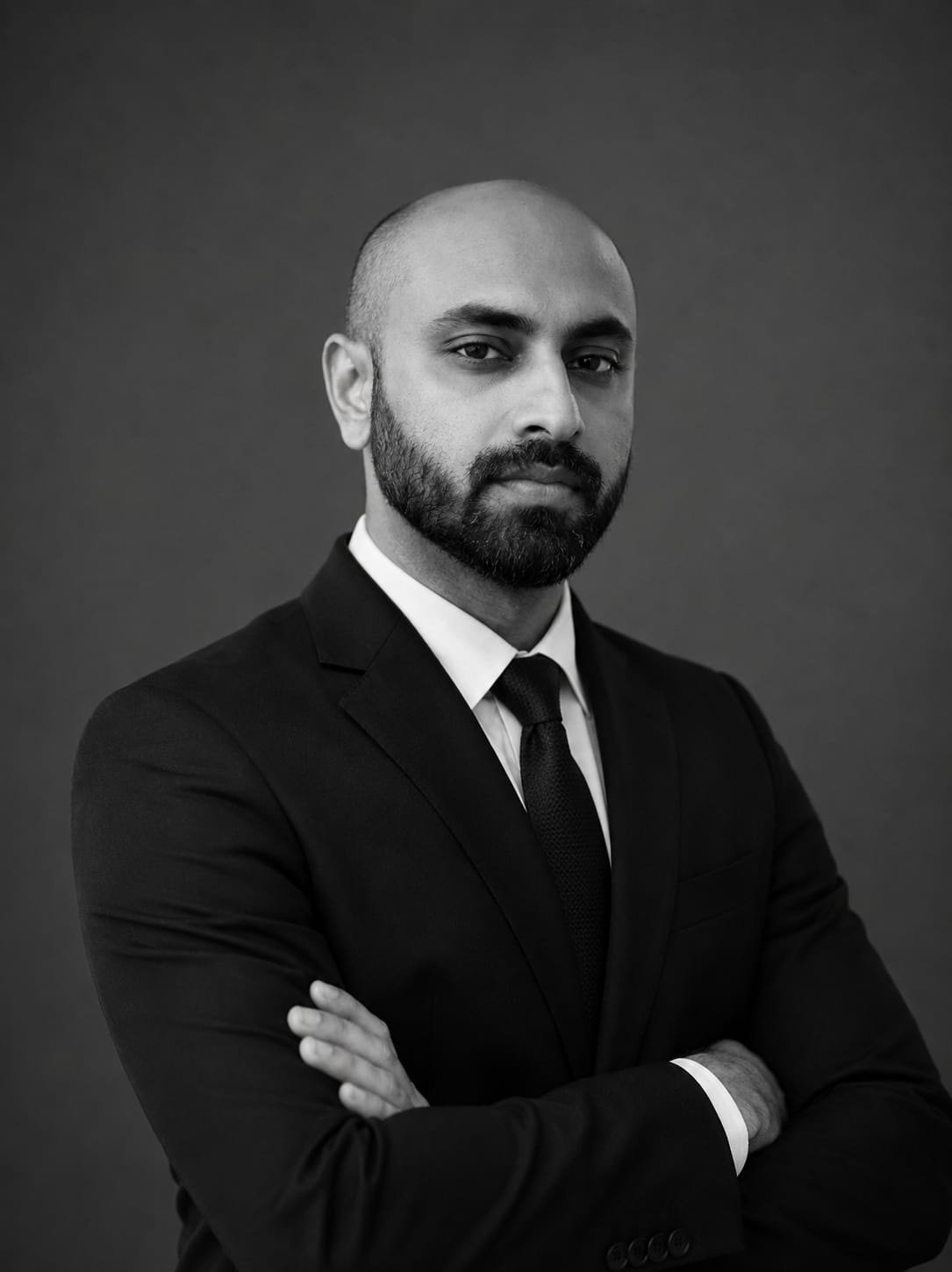
About the Author
Arfan Shariff is the Co-Founder and Head of Operations at Zawjaan, overseeing platform operations, public relations and strategic partnerships. Drawing on his experience in community engagement, Arfan helps shape Zawjaan's trusted, faith-centred and user-focused approach to Muslim matchmaking, promoting compatibility, authenticity and meaningful lifelong marriages.